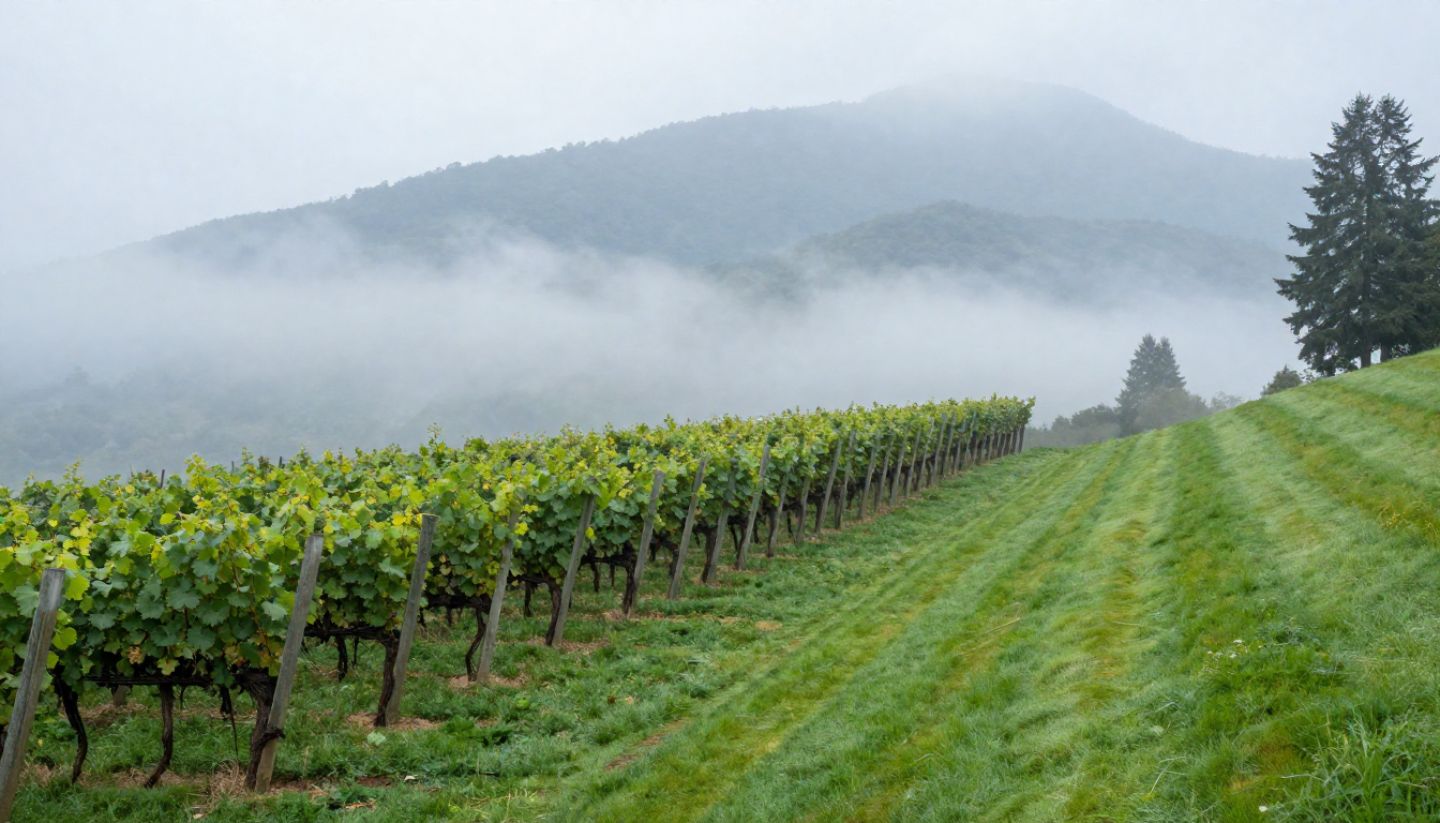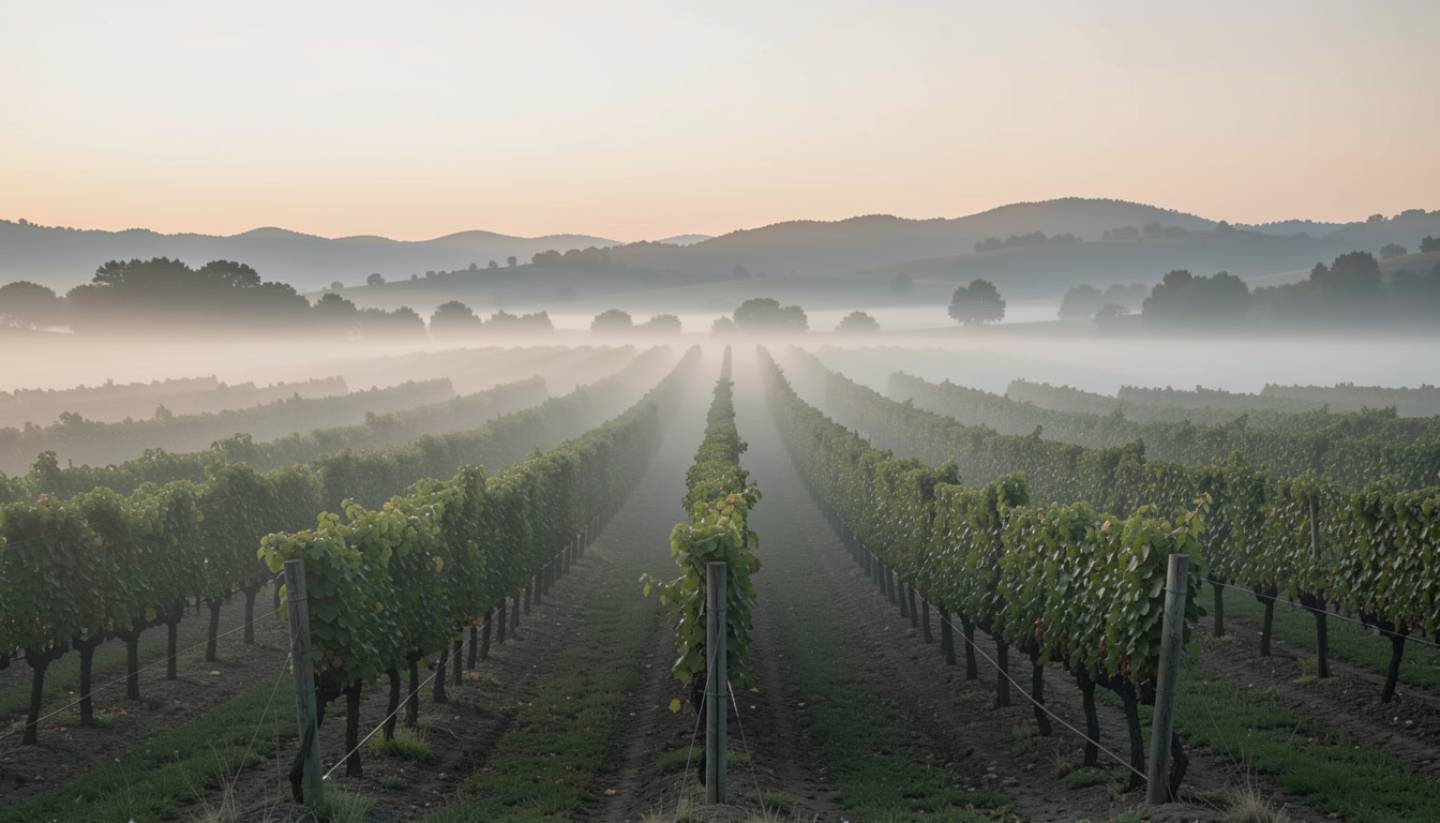
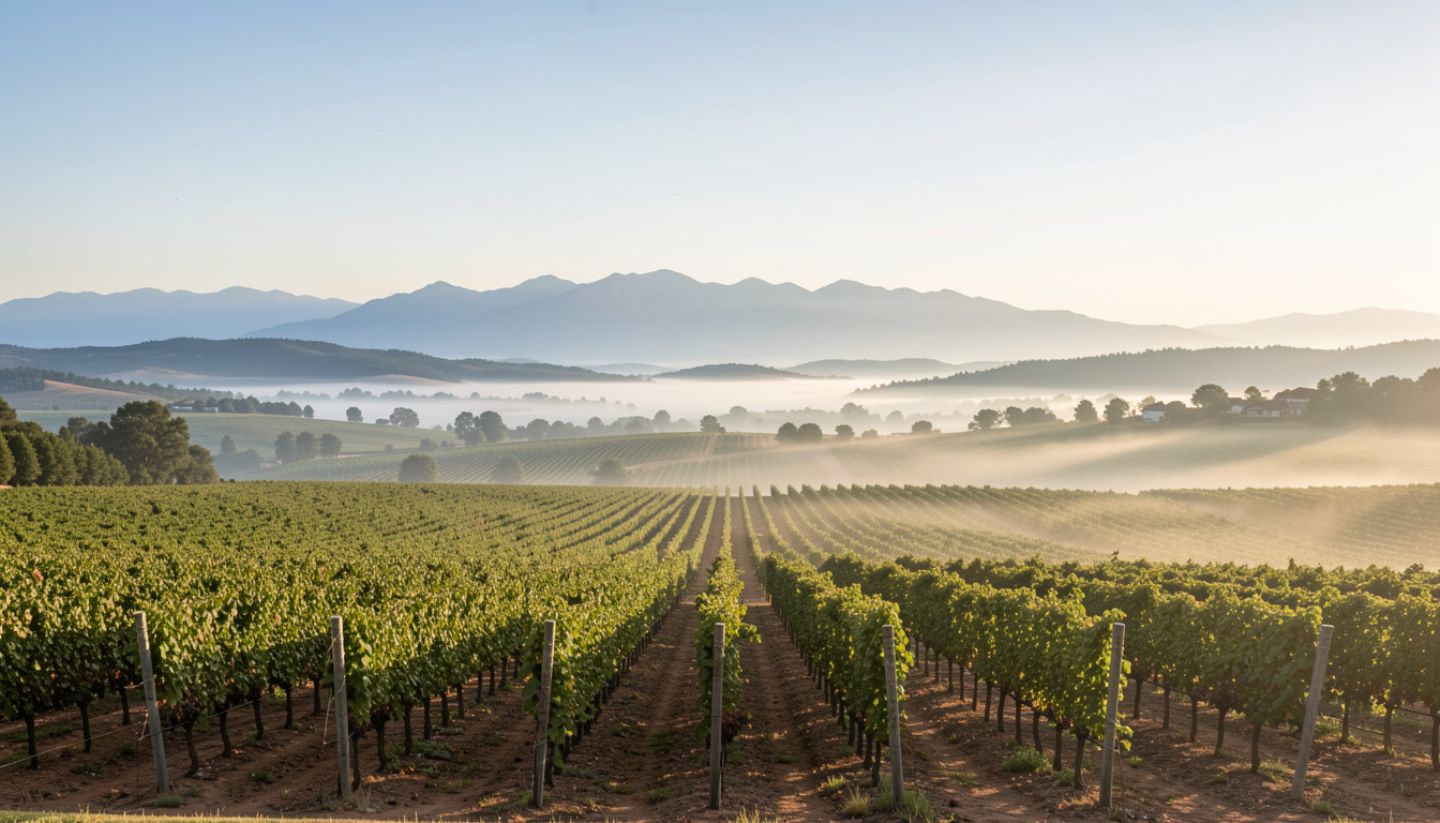
Two days in Napa Valley is just enough time to fall in love with the place, if you let it unfold the right way. Morning fog lifts slowly off the Rutherford benchlands. The valley stays quiet a little longer than you expect. By afternoon, the scent of warm earth and vine leaves hangs in the air, and tastings stretch out instead of stacking up. Napa rewards travelers who move with intention rather than urgency. This itinerary is built for that rhythm.
Day One: A Classic Introduction to Napa
Morning: Ease Into the Valley
Start your first morning slowly. Napa reveals itself early, before the roads fill and tasting rooms open. If you are staying along Highway 29 or near the valley floor, this is the best time to enjoy the quiet.
Breakfast favorites:
- Bouchon Bakery, Yountville: A reliable local anchor for pastries and coffee.
- Model Bakery, St. Helena: The English muffins live up to the reputation, especially fresh and warm.
Late Morning Tasting: A Foundational Estate
Your first tasting should orient you to Napa. Look for an estate that farms its own vineyards and takes time to explain what you are tasting.
Good starting points:
- St. Supery Estate: Approachable, educational, and rooted in estate farming.
- Robert Mondavi Winery: A cornerstone of Napa’s modern history and a helpful introduction to the valley’s evolution.
This is where you begin to understand why benchland fruit tastes different from valley floor fruit and why Cabernet became Napa’s signature.
Lunch: One Long, Proper Meal
Lunch in Napa is not a break between tastings. It is part of the experience.
Reliable choices:
- Bistro Jeanty, Yountville: Classic French comfort food that pairs beautifully with a slower pace.
- Farmstead, St. Helena: Seasonal, grounded cooking. The short ribs are a favorite for a reason.
Sit. Talk. Let the morning settle.
Afternoon Tasting: Something Personal
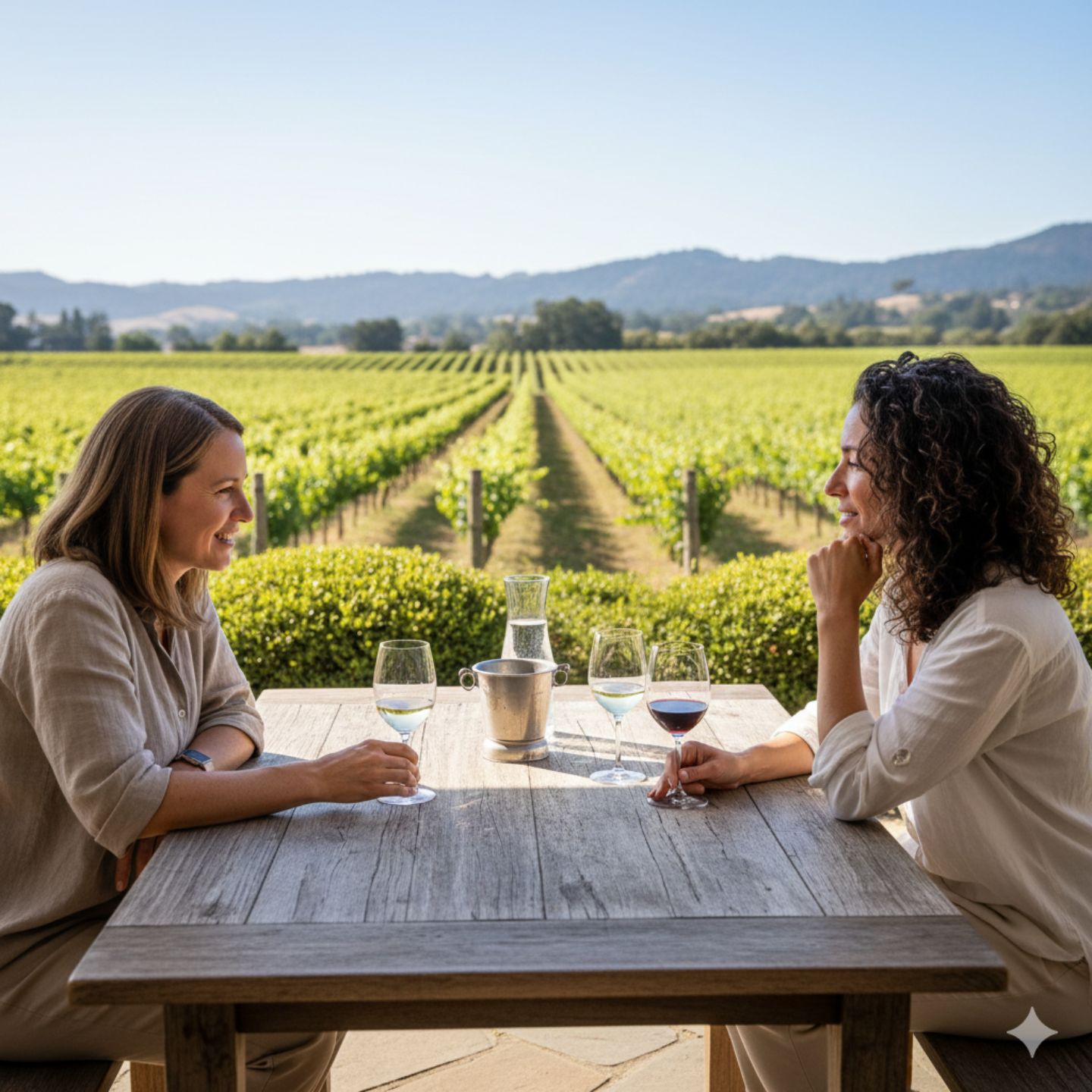
Afternoons are best spent somewhere smaller and more intimate, where conversation replaces presentation.
Good options:
- Frog’s Leap: Organic farming, relaxed hospitality, and a sense of humor that feels very Napa.
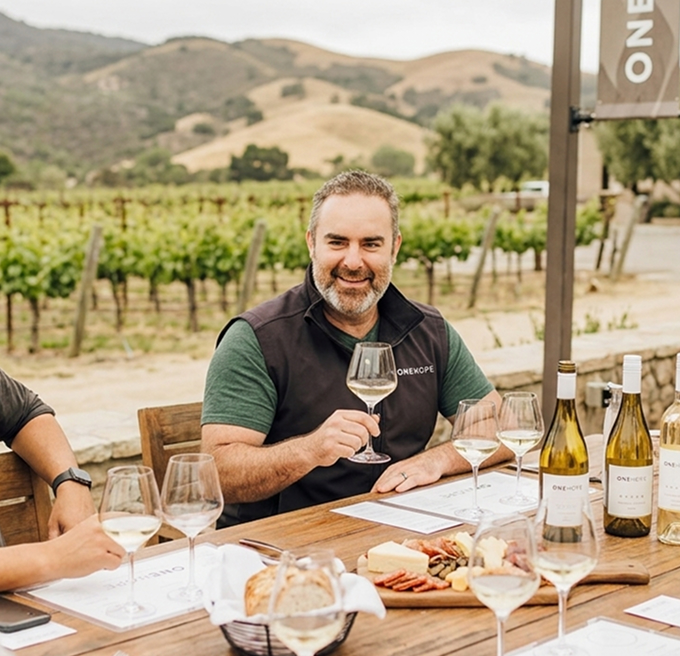
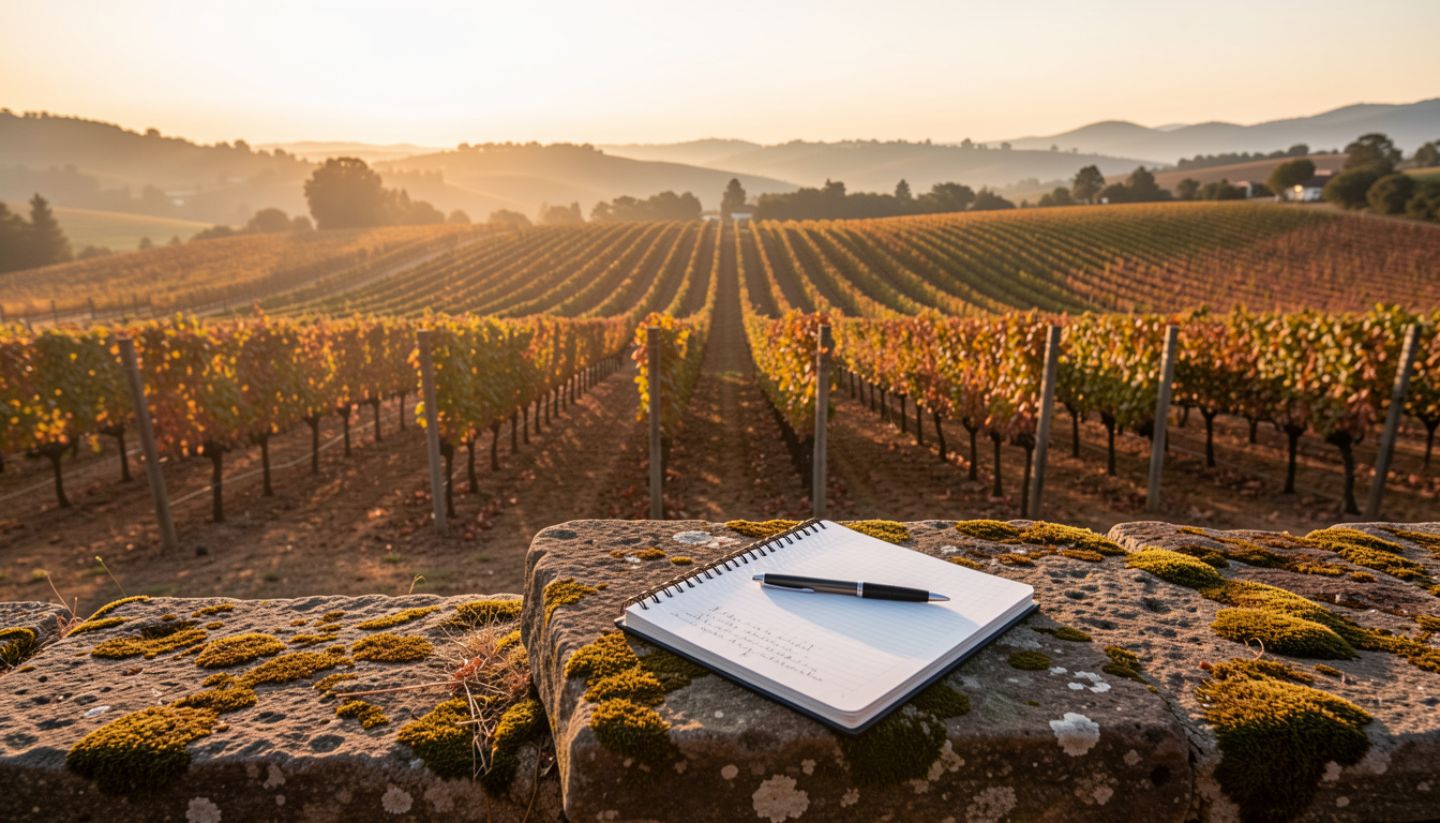
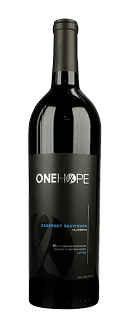
- Estate 8 at ONEHOPE, by appointment: Our home was designed for exactly this kind of afternoon. Long views across the valley floor, vineyard rows opening toward the Mayacamas, and tastings meant to feel unhurried. I will admit my bias here. This place is my passion project. I have walked these rows at sunset more times than I can count, usually after a long day when the valley finally goes quiet. That calm tends to find its way into the experience.
Evening: Keep It Simple
After a full first day, choose dinner that feels local and relaxed.
- Charter Oak
- Goose and Gander
- RH Restaurant
If you are tempted to add another tasting, resist it. Napa evenings are for unwinding.
Day Two: Scenic, Slow, and Memorable
Morning: Coffee and a Walk
Begin day two with movement and light. A walk through Yountville or along a vineyard edge near the Yountville Cross Road offers a wide view of the valley floor before the sun climbs high. This is when Napa feels most open.
Late Morning Tasting: Views and Setting
Choose a winery known for its setting, whether perched against the Mayacamas or opening toward Carneros.
Consider:
- Artesa Winery: Modern architecture with sweeping views over the southern hills.
- Sterling Vineyards: Aerial tram access and a panoramic look at the northern valley.
Scenic tastings work best when you give them time.
Lunch: Casual and Flexible
Keep lunch lighter on day two.
- Gott’s Roadside: A longtime local favorite for something easy and satisfying.
- Oakville Grocery: Ideal for a picnic pulled together along Silverado Trail.
Afternoon Experience: Choose Depth Over Volume
Instead of another standard tasting, choose one meaningful experience.
Options that leave a lasting impression:
- Cave tour: Schramsberg’s historic tunnels offer a cool, quiet look at Napa’s past.
- Private estate visit: Staglin Family Vineyard provides insight into hillside farming and multigenerational stewardship.
This is where Napa moves from impressive to personal.