Napa Valley rewards people who pay attention.
Light shifts quickly here. Fog lifts in layers. Vineyards change character mile by mile. The valley is not dramatic in an obvious way. It reveals itself slowly through timing, patience, and restraint. The best photographs in Napa are rarely planned shots. They are moments you were present enough to notice.
For locals, photography in Napa is less about chasing landmarks and more about understanding rhythm. Morning fog. Midday quiet. Late afternoon glow. If you move with the valley instead of against it, the images you make feel lived in rather than staged.
What This Experience Is Really About
A Napa photography itinerary is about restraint.
The strongest images tend to come from:
Light over landmarks
Fog, shadow, and the soft Cabernet light matter more than recognizable signs.
Stillness
Napa photographs best when you slow down and avoid the urgency of Highway 29.
Seasonal texture
Bud break in spring, mustard flowers in winter, harvest bins in fall, dormant vines when the valley rests.
Human scale
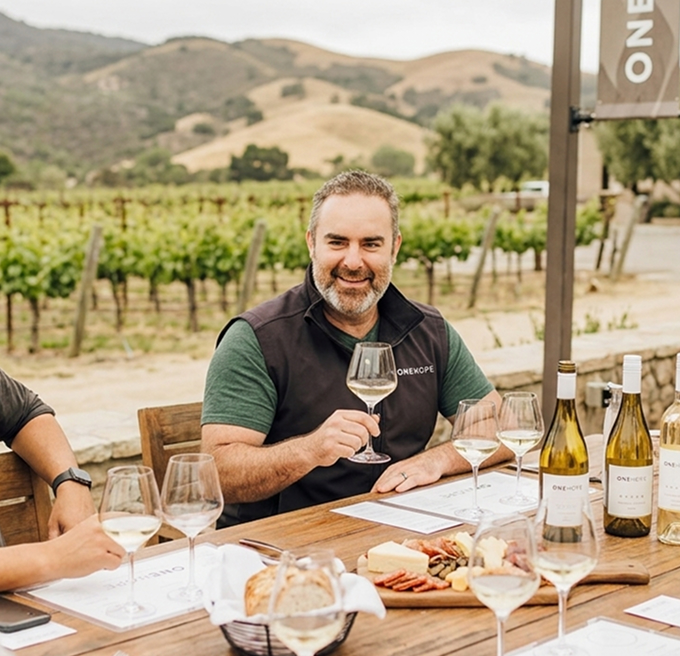
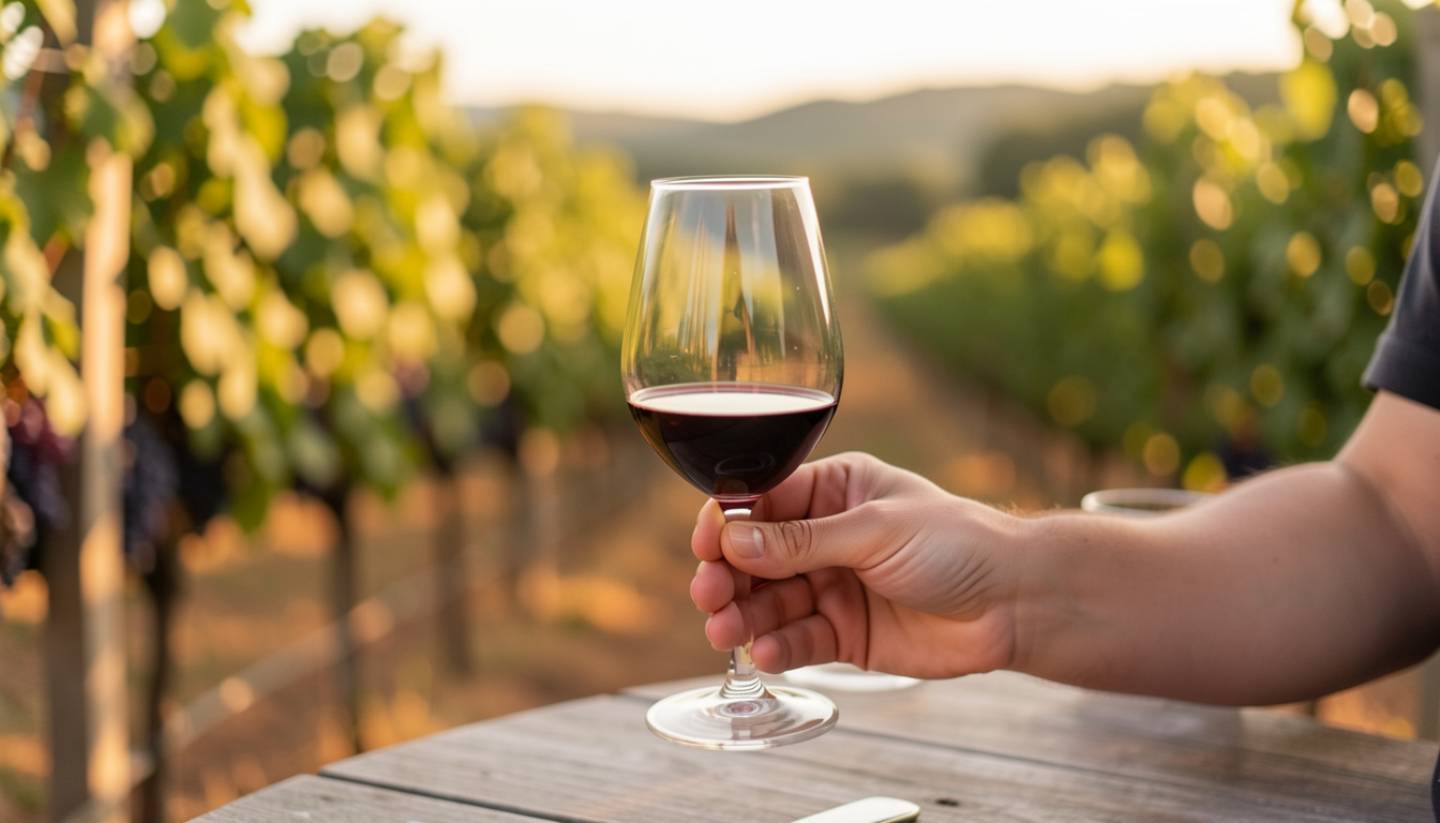
A hand on a glass. A table set before lunch. A gravel path between rows.
Napa does not reward rushing. It rewards noticing.
When Napa Is Best for Photography
Spring
Electric green vineyards, bright yellow mustard, and gentle skies.
Summer
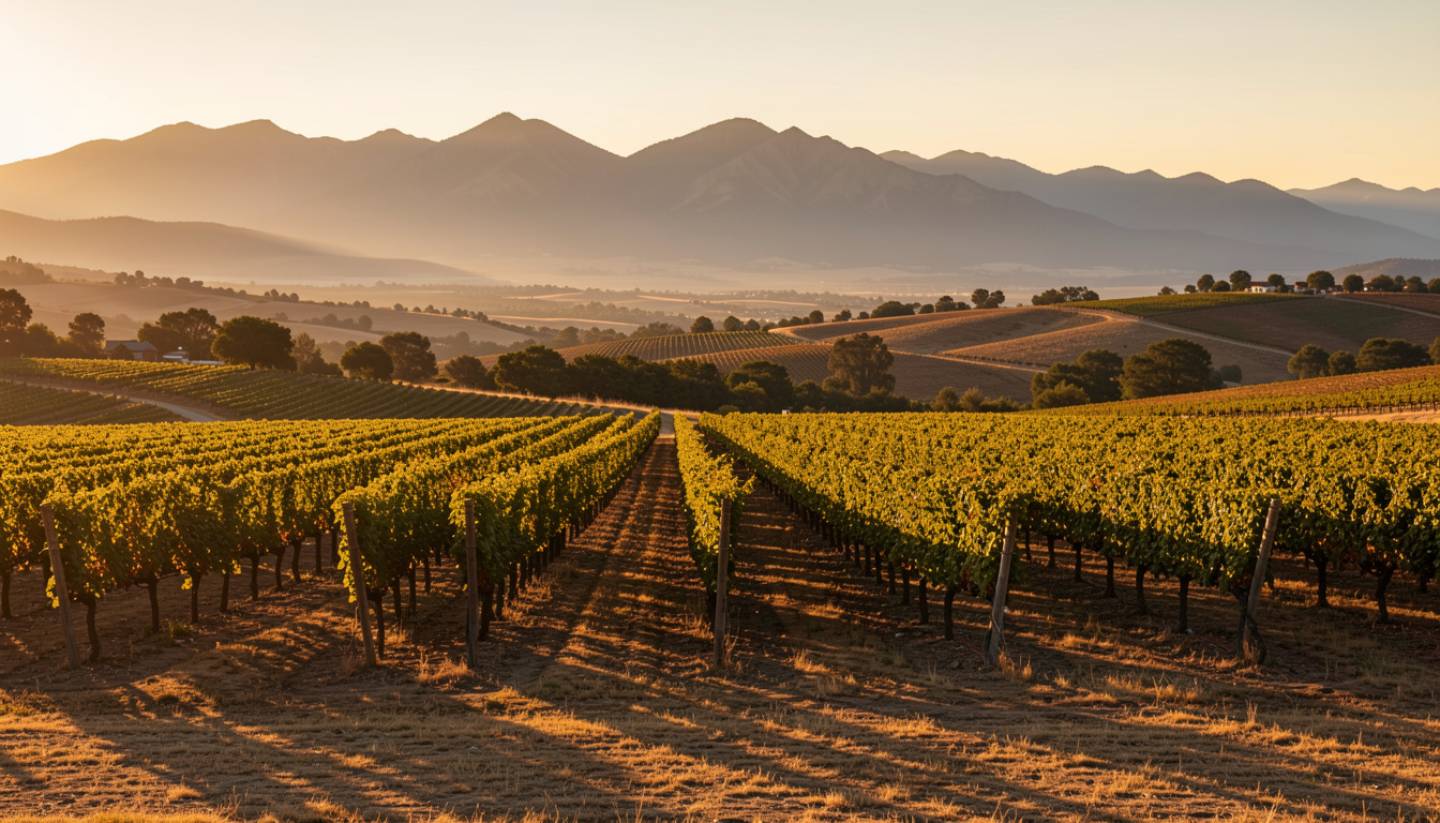
Long days, strong contrast, deep shadows, and extended golden hour.
Fall
Harvest energy, warm tones, movement in the vineyards and cellars.
Winter
Tule fog, bare architectural vines, fireplaces, and quiet intimacy.
Each season changes not just color but mood.
What Most Photographers Miss
Many visitors chase overlooks and vistas. The real images often happen lower and slower.
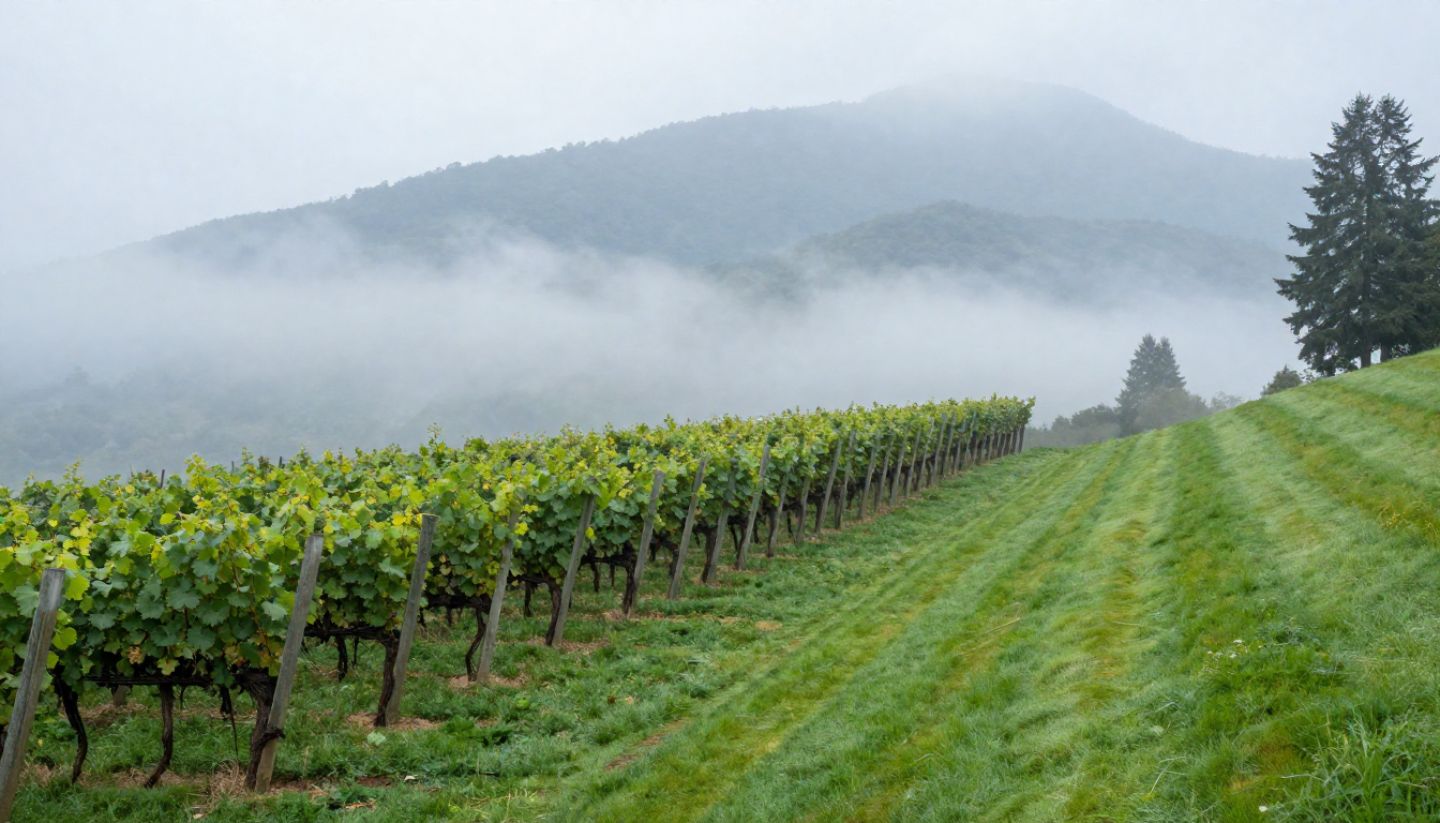
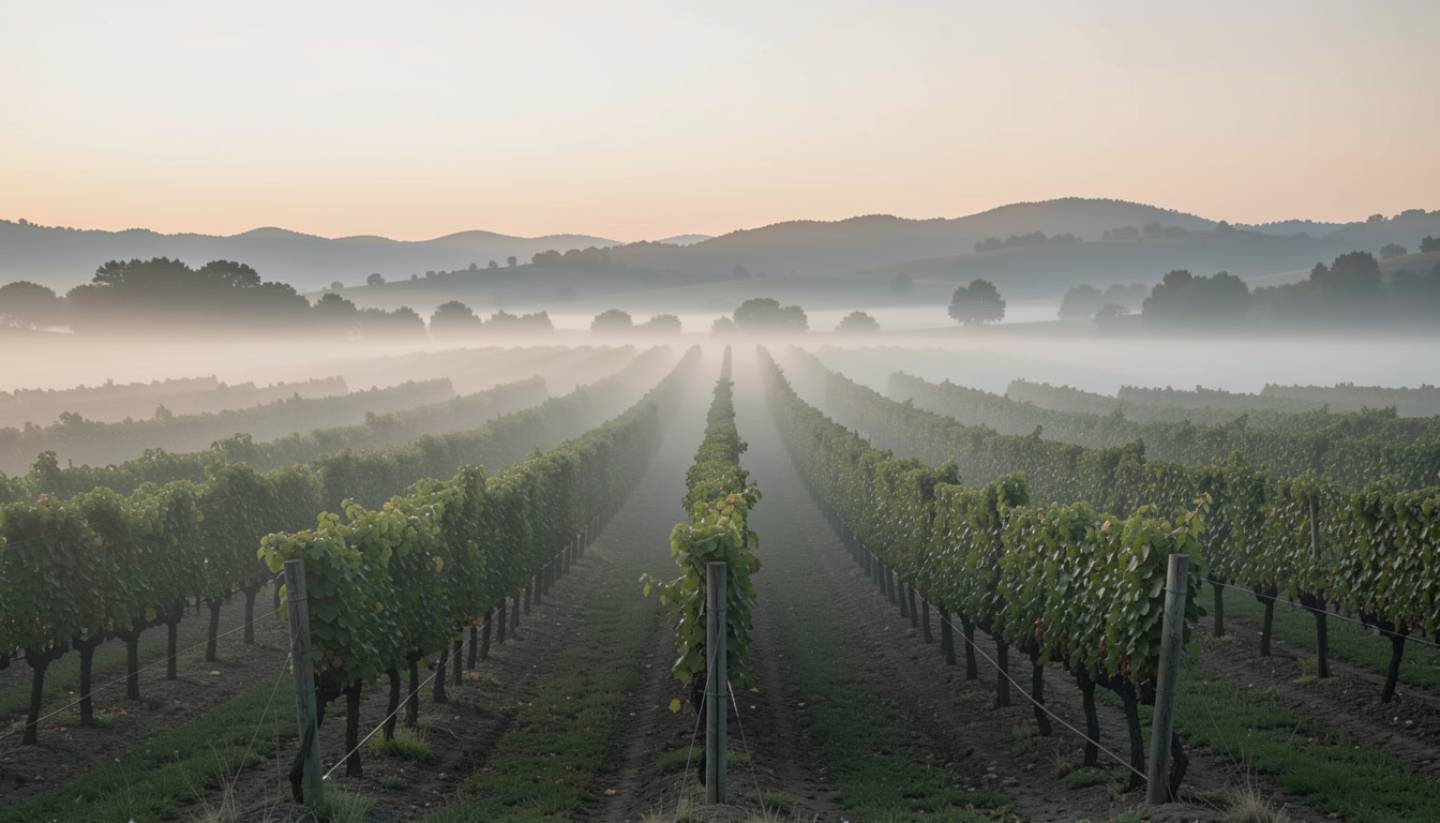
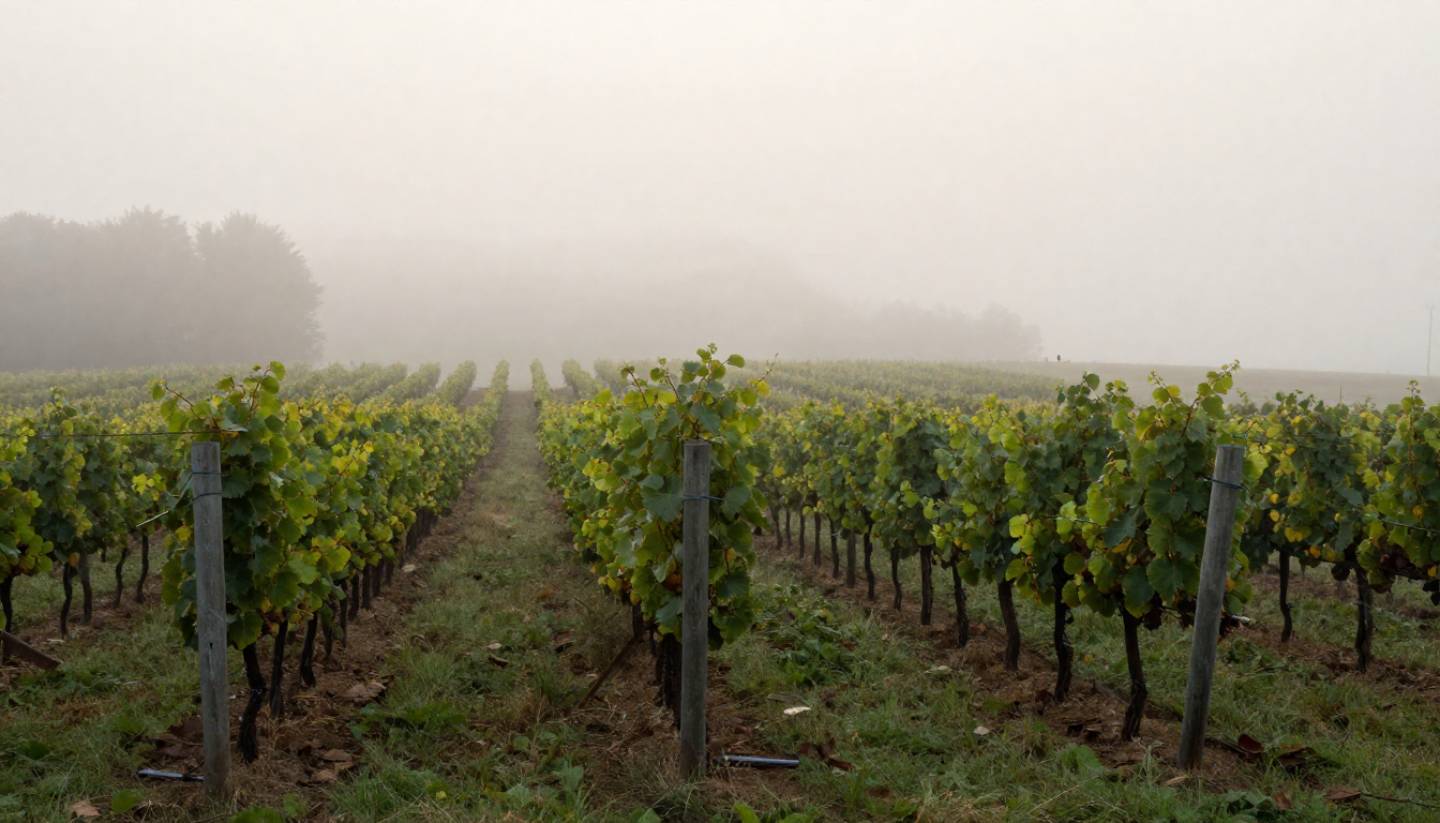
A vineyard row disappearing into fog. Light catching dust in a tasting room. A quiet table before anyone sits down. Napa’s visual power is subtle, and subtlety requires time.
A Short Personal Note
Some of my favorite photographs of Napa were taken without a plan. Walking Silverado Trail early. Sitting still while fog lifted one layer at a time. Watching the light move across Mount St. John from the same spot for twenty minutes. Napa taught me that waiting is often the work.
A Simple 2 Day Napa Valley Photography Itinerary
Day 1: Fog, Texture, and Architecture
Early morning
Start before 8:00 AM on the valley floor between Rutherford and Oakville. This is where the fog settles low and moves slowly.
Directional cue
Use Silverado Trail instead of Highway 29. It offers quieter pacing, safer pull offs, and fewer visual interruptions.
Mid morning
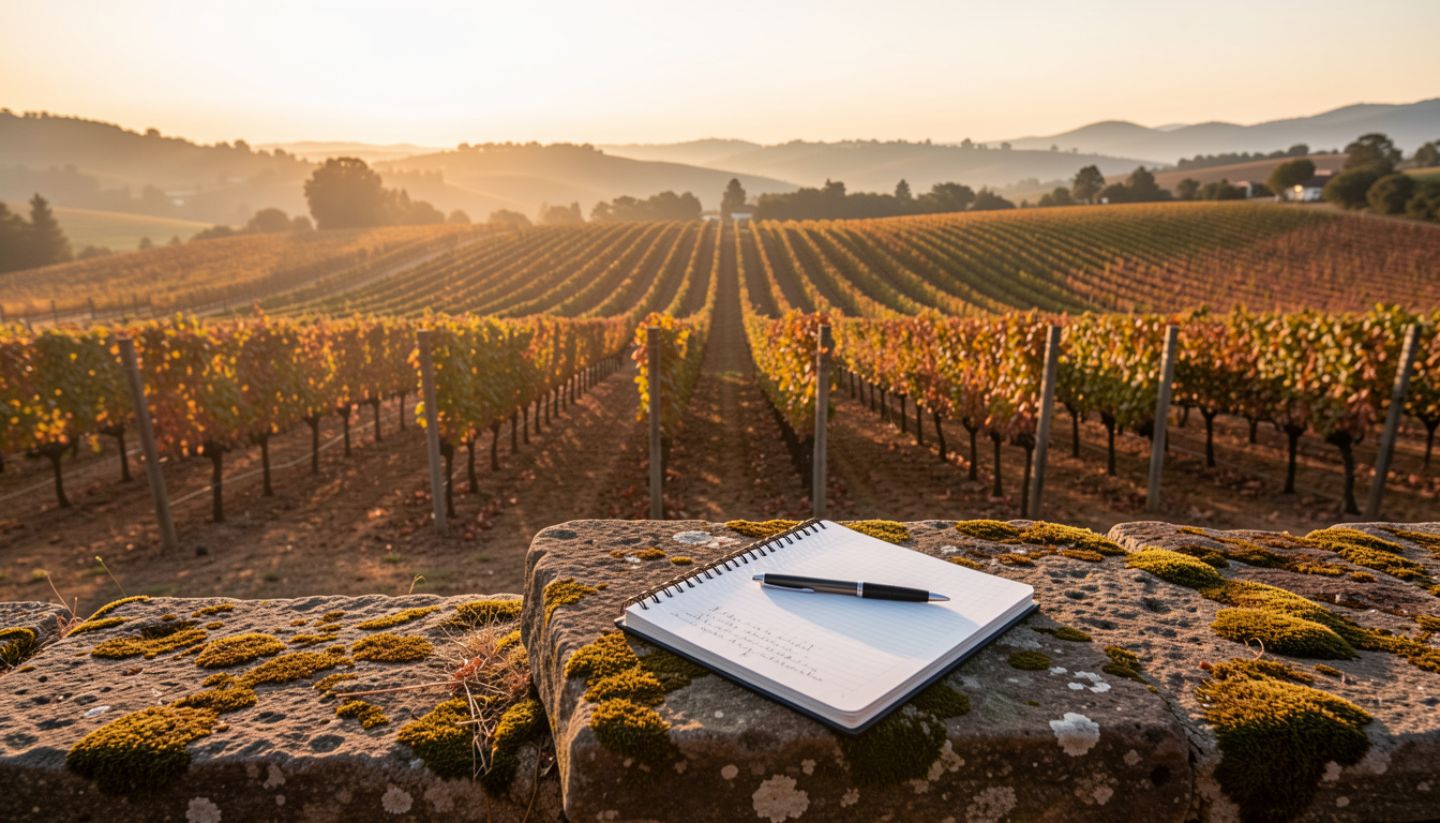
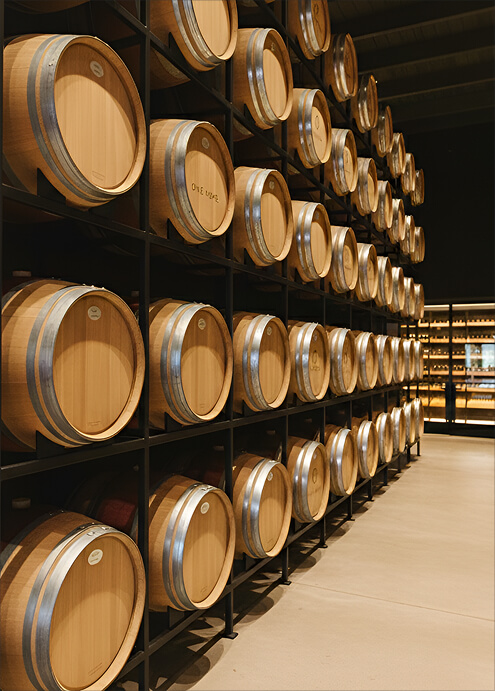
As the fog lifts, shift to architectural and detail work. Stone walls, garden paths, tasting room textures, and barrel rooms photograph best in softened light.
Late morning winery
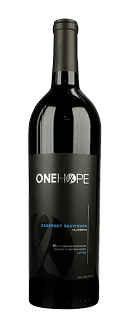
ONEHOPE Winery at Estate 8 by appointment. I will acknowledge my bias here. This place is my passion and purpose. From a photography perspective, the property offers clean sightlines, open negative space, and elevated views toward the Mayacamas. The light moves gently across the valley floor and rewards patience more than complicated angles.
Lunch
Choose a restaurant with outdoor seating. Photograph tables before food arrives. Napa lunches tell their story before the first plate is set down.
Golden hour
Return to the valley floor and shoot west toward the Mayacamas. This is when Napa softens and the landscape begins to glow.
Day 2: Human Moments and Quiet Endings
Morning
Walk a town like Yountville or St. Helena. Focus on scale. Sidewalk light. Open doors. Coffee cups. Small moments.
Late morning
Move in close. Vineyard leaves, redwood posts, wire lines, shadow patterns. Napa’s identity often lives in details.
Lunch
Downtown Napa or a quiet garden table. Look for candid moments rather than posed scenes.Wrap the day
Take a slow drive north toward Calistoga or back along Silverado Trail. Photograph what stop
Best Places to Base a Photography Trip
Rutherford
Central access to the fog line, vineyards, and golden hour.
Yountville
Walkable human moments and clean compositions.
St. Helena
Historic texture, stone buildings, and quieter mornings.
Choose a base that lets you stay still rather than move often.
If You Only Have One Photography Day
- Fog in the morning
- One vineyard block
- One long lunch
- One golden hour
That is enough.