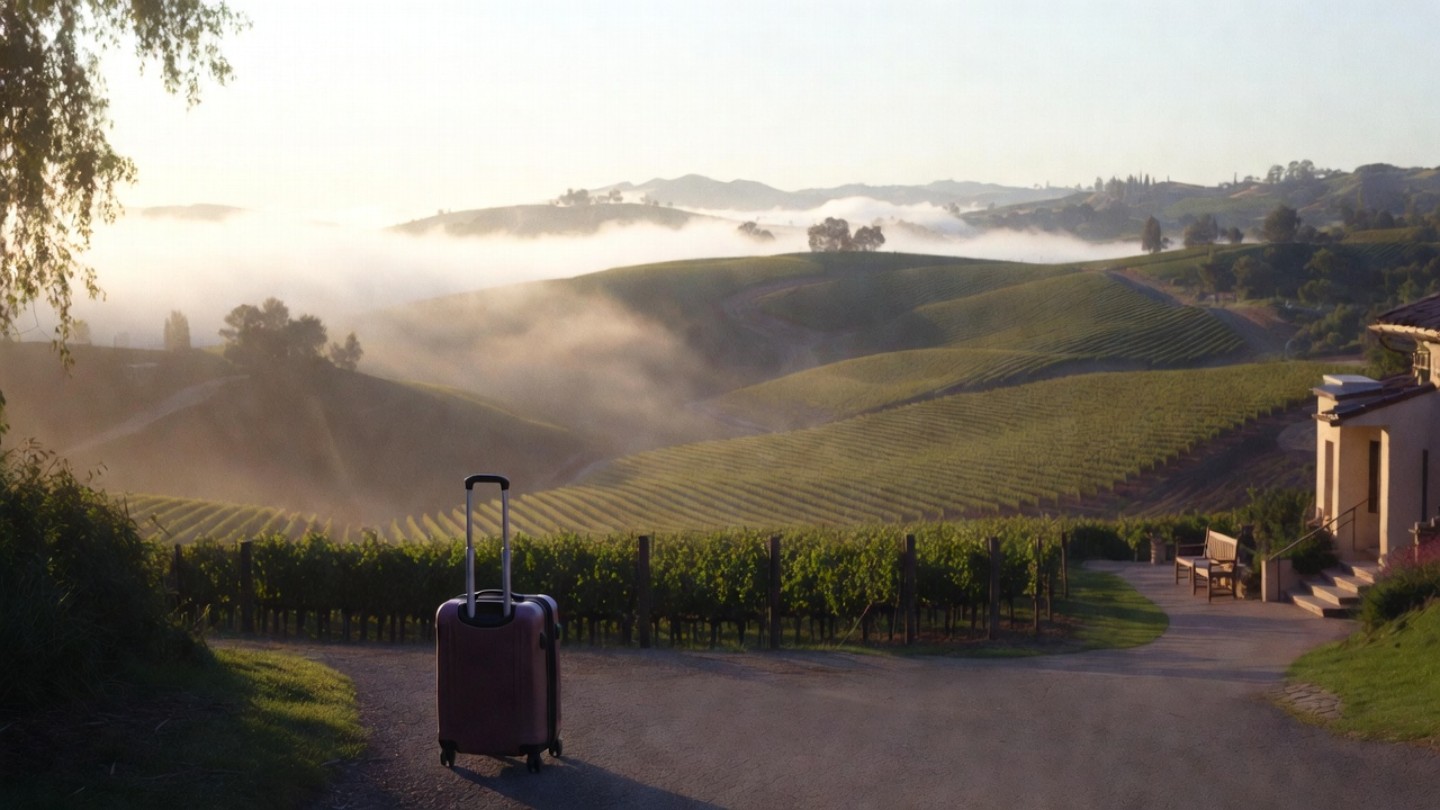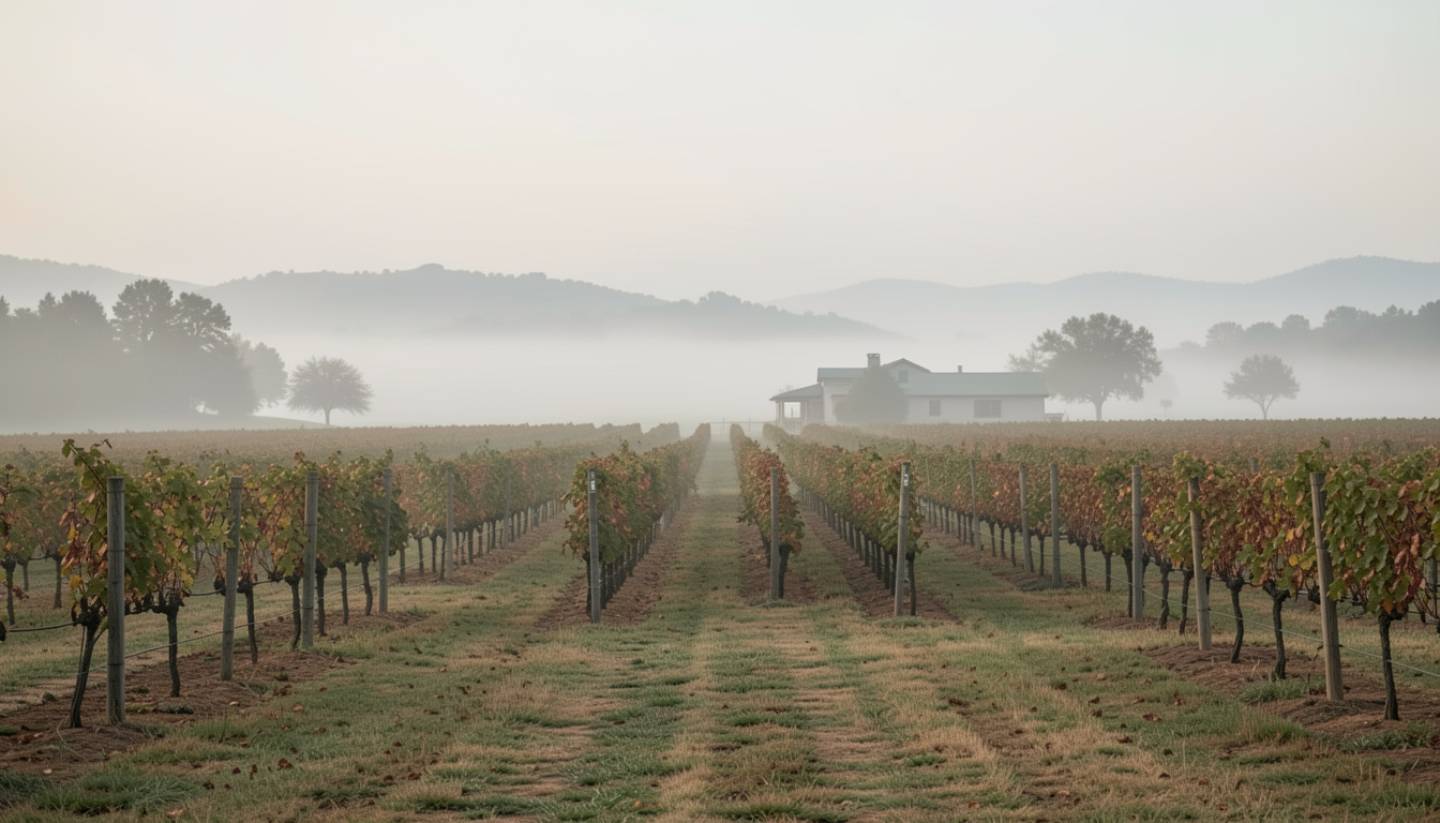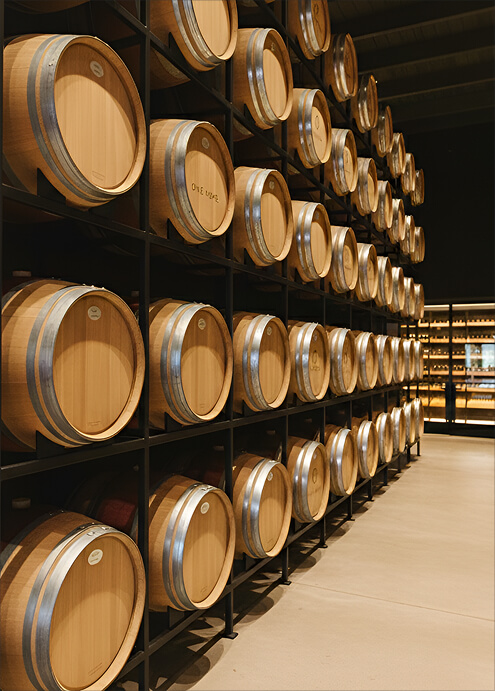
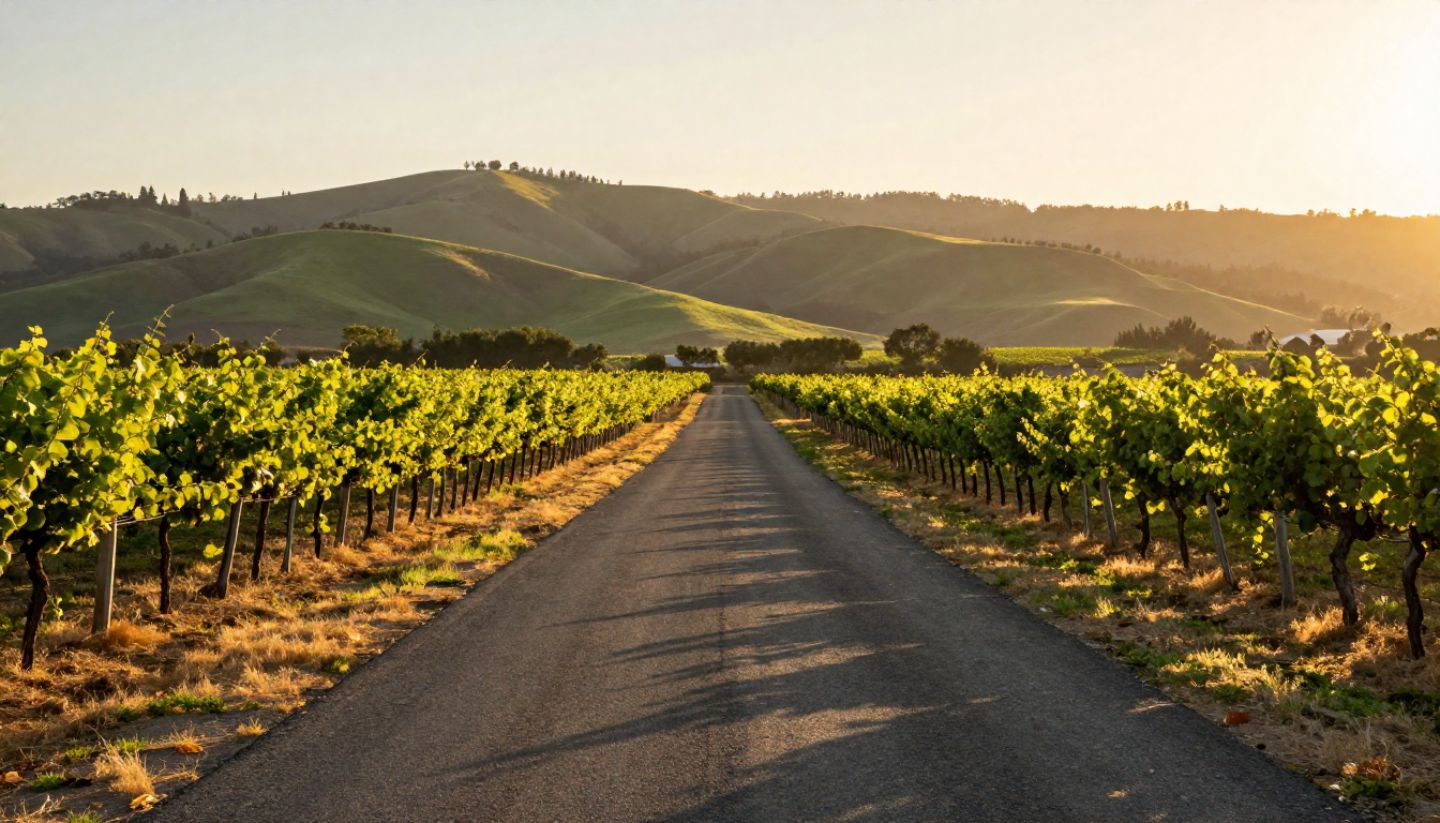
Somewhere between your second cup of coffee and your first vineyard stop, Napa Valley has a way of slowing you down. The morning fog lifts off the Rutherford benchlands. The light settles against the Mayacamas. Conversations stretch longer than planned.
Suddenly, the trip stops being about what you are buying and starts becoming about what you are feeling.
The travelers who fall hardest for Napa are not the ones chasing labels. They are the ones who remember the name of the person pouring their glass, the slope of the vineyard behind them, and the quiet moment when the valley finally exhaled.
What This Experience Is Really About
Napa is not meant to be consumed quickly. It is meant to be absorbed.
The most meaningful trips are built around:
Meaningful discovery
Understanding the soil, the growers, and the history behind the wine, not collecting cult names.
The human fingerprint
Conversations that happen once the script drops and the host starts sharing what it is really like to farm, blend, and live here.
Intentional pacing
Conversations that happen once the script drops and the host starts sharing what it is really like to farm, blend, and live here.
Intentional pacing
Choosing experiences that slow the pace and welcome you like you belong.
Wine becomes the conduit. Memory becomes the takeaway.
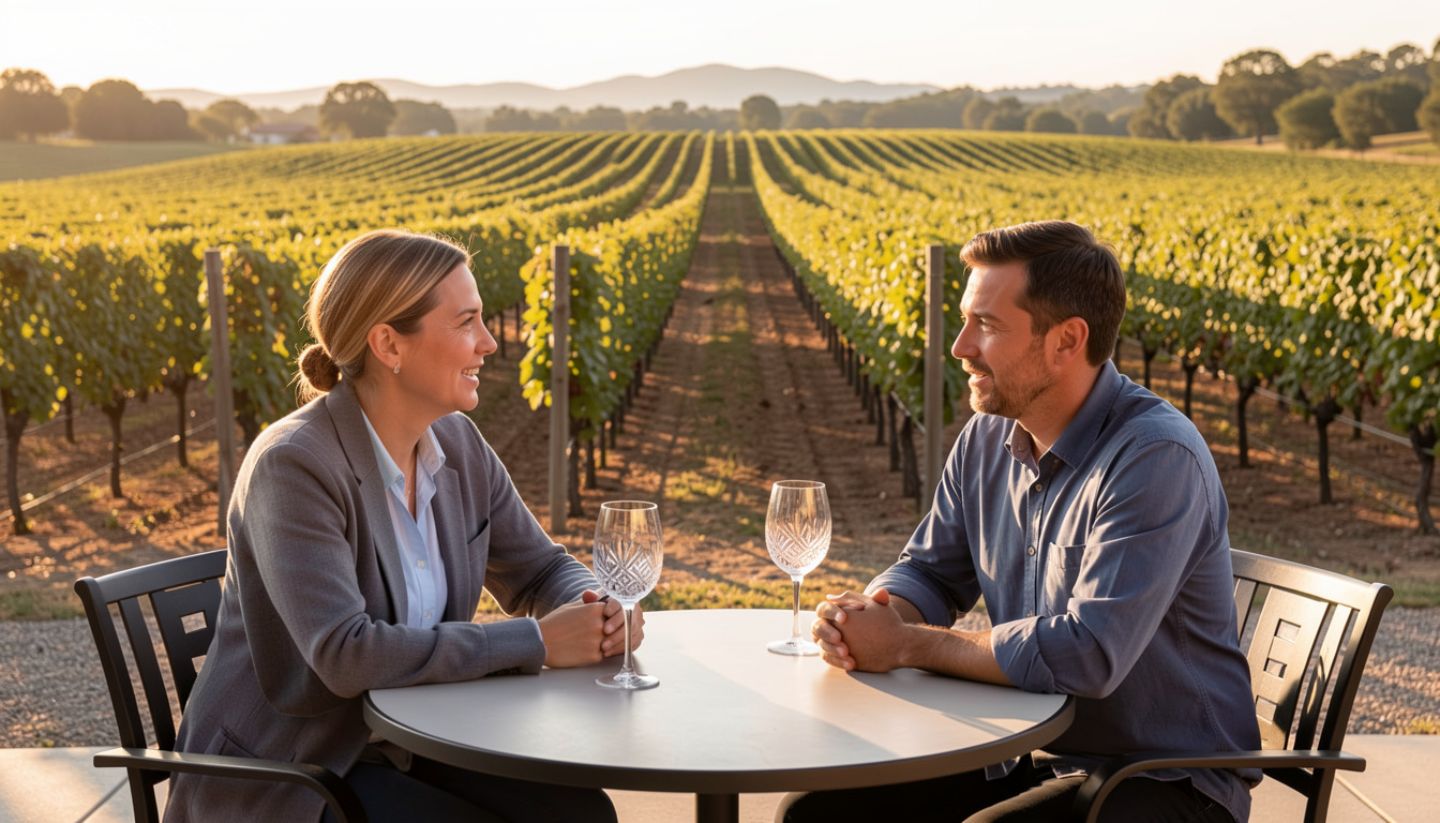
When It Is Best (Seasonal Intelligence)
The quiet season (January to March)
Tasting rooms are calm, conversations go deeper, and winemakers are often more available to share small histories and personal context.
The shoulder seasons (late spring and early fall)
This is when Napa shows its most iconic light. Soft mornings, long afternoons, and that warm Cabernet glow just before sunset.
Midweek discovery
Tuesday through Thursday remains the truer Napa. Fewer crowds, more generosity, and time to linger without watching the clock.
What Most Visitors Miss
Many visitors treat Highway 29 and the Silverado Trail like a checklist. By rushing, they miss the rhythm of the valley.
They miss how the air cools as you turn toward the base of Mount St. Helena.
They miss how the light hits Yountville Cross Road late in the afternoon.
They miss the fifteen minutes after the tasting officially ends, when the best stories usually surface.
Those unscheduled moments are where Napa stays with you.
My Local Notes
When friends come to visit, I never ask what they want to buy. I ask how they want to feel.
If the goal is connection, you do not need more reservations. You need more space between them.
A practical tip: if you are staying in St. Helena, do not book a morning tasting in Carneros and an early afternoon appointment in Calistoga. Stay within one neighborhood like the Rutherford bench or the northern valley. Less driving. More breathing. Better memories.
A Small Personal Story
One afternoon, I brought a longtime friend to a quiet estate just after harvest. We planned to stay an hour. We stayed nearly three. The wine was great, but what he still talks about is standing at the edge of the vines, listening to a grower describe the year in simple, honest terms. No rush. No pitch. Just pride and patience. That is Napa at its best.
Universal Guide for First Time Visitors
If you only have one hour
Choose a seated tasting at a historic estate like Inglenook or Robert Mondavi Winery. It grounds you in Napa’s story and gives context to everything that follows.
If you have a full afternoon
Pair a private or small group tasting where you can walk the vineyard rows with a late lunch at a local anchor like Farmstead or Bistro Jeanty.
Where to eat around here
For real stories, sit at the bar at Goose and Gander in St. Helena. Or grab a picnic from Oakville Grocery and eat among the vines with no agenda.
Nearby Wineries Worth Visiting
Once you find your rhythm in Napa, you are rarely far from something meaningful.
Five minutes north on Silverado Trail from another family run gem.
Ten minutes from unpretentious, thoughtful food in Yountville.
Fifteen minutes from a hillside pullout with a wide open view of the Mayacamas.
That proximity is part of the magic.
Gentle Note From Home
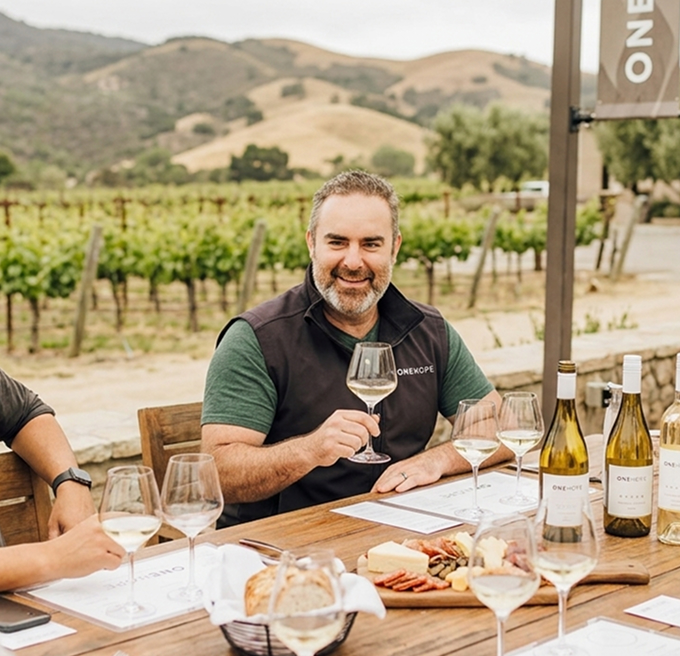
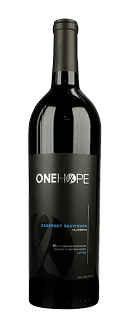
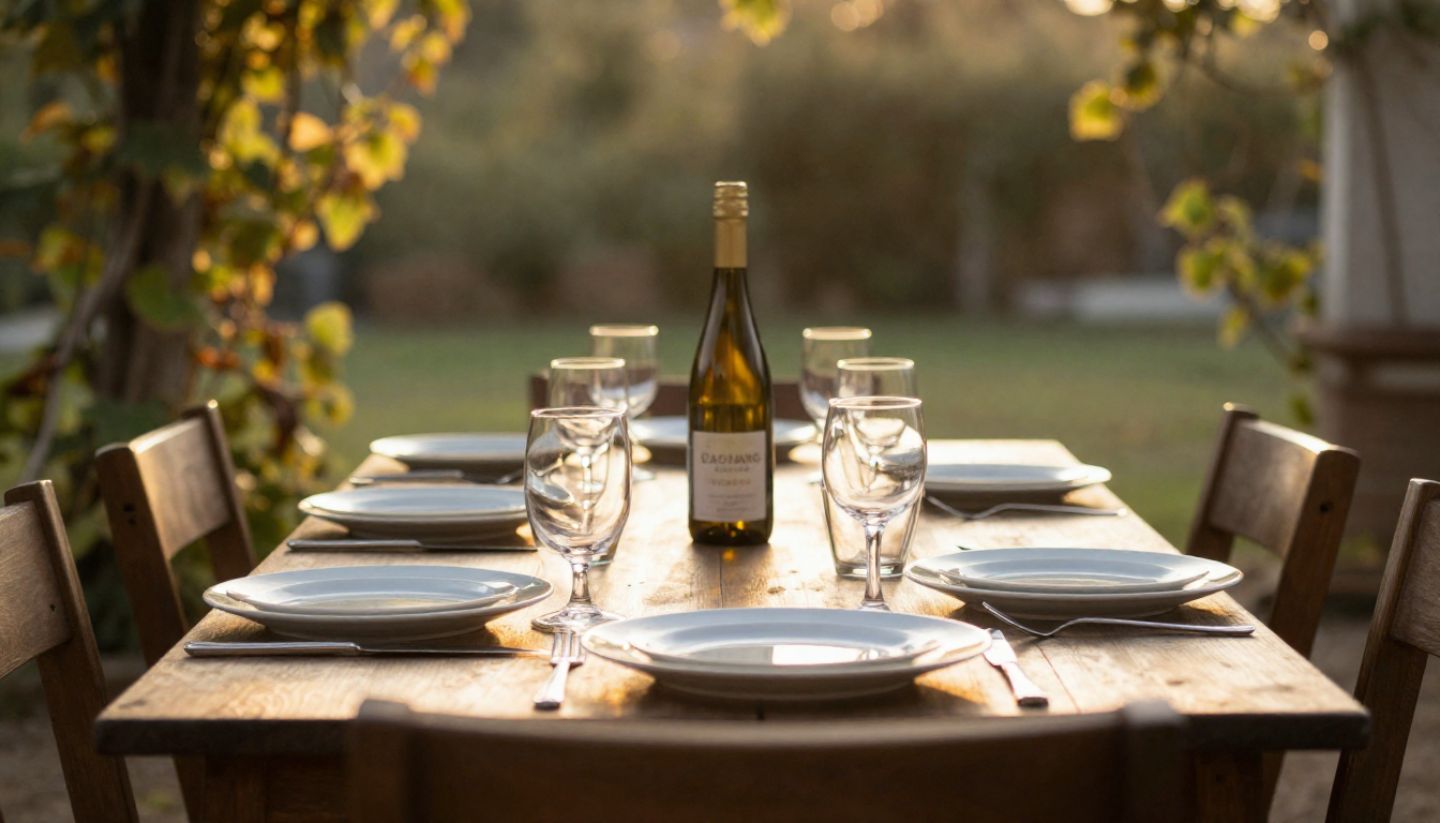
I will admit it. I am a little biased. Estate 8 and ONEHOPE are my babies, born from a belief that wine is ultimately about connection. We designed our home and vineyard with unrushed moments in mind, from the open lawn facing Mount St. John to quiet spaces meant for conversation. If you visit, I hope you leave remembering how it felt to be there as much as what was in the glass.