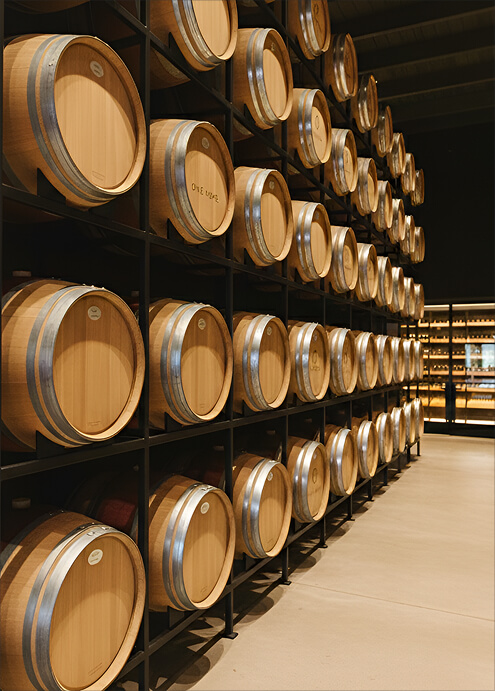
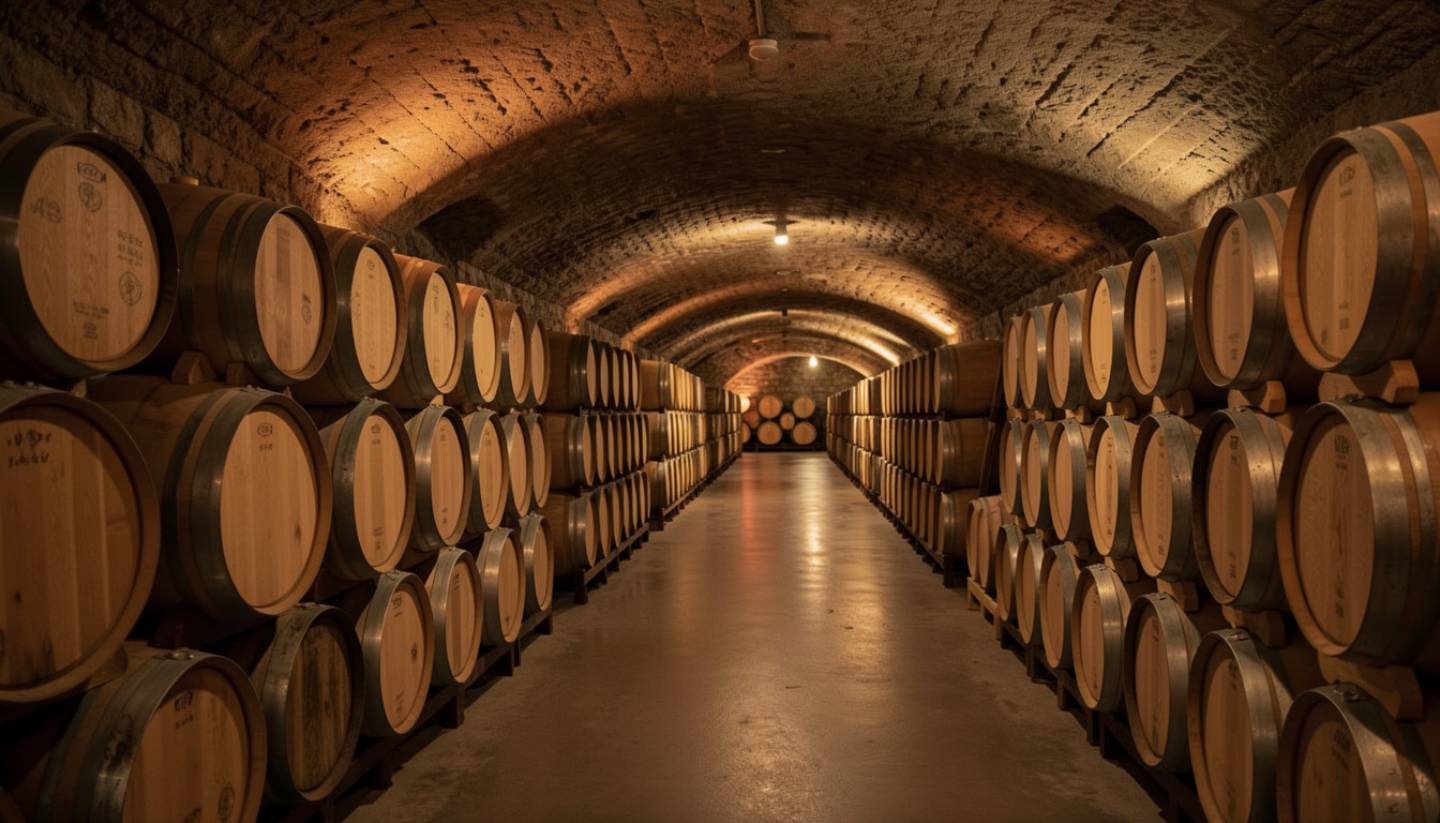
Oak and aging are the quiet conversations happening behind every great Napa wine. You do not always notice them at first. What you notice is texture, the way a Cabernet spreads across the palate, or how a Carneros Chardonnay settles into something warm and calm as the glass sits. That transformation comes from time, patience, and decisions made in the cellar long before a bottle ever reaches a table.
If you are the kind of traveler who wants to understand why a wine tastes the way it does, Napa Valley is one of the best places in the world to learn. Here, oak barrels are not background props. They are tools, chosen carefully, filled thoughtfully, and given the one thing wine demands above all else: time.
What This Experience Is Really About
Learning about oak is not about memorizing terms. It is about developing a feel for the wine’s journey.
In Napa, oak and aging teach you how decisions echo forward:
- French vs American oak
French oak tends to bring subtle spice and texture. American oak can show more overt notes like vanilla or coconut. - Toast level
Light to heavy toasts influence aroma, warmth, and the way smoke or sweetness shows up in the glass. - Tannin evolution
A young mountain Cabernet from Howell Mountain or Spring Mountain can feel firm and angular at first, then knit into something seamless over a decade. - Patience in liquid form
Many reserve wines spend eighteen to twenty four months in barrel, then additional time in bottle, before a winemaker feels they are ready to be seen.
Once you experience this in context, wine stops feeling mysterious and starts feeling intentional.
When It Is Best
Oak and aging focused tastings are most rewarding during Napa’s quieter moments.
- Winter, January through March
Cellars are calm, hosts have time, and cave temperatures feel welcoming against the cool valley air. - Early spring
As fog lifts off the Rutherford benchlands, cellar teams are often blending and racking, which makes for especially educational visits. - Midweek
Fewer guests means more time for questions, barrel samples, and unhurried conversation.
If you want to see wine mid-journey, this is when Napa opens up.
What Most Visitors Miss
Most visitors only taste finished wines.
They never taste the wine in motion.
The biggest missed opportunity is not asking what I think of as the three whys:
- Why this barrel, including forest origin and age of the wood
- Why this length of aging, twelve months versus twenty four
- Why release now, and how long the wine is expected to evolve
The wineries that welcome those questions are the ones that teach you the most.
My Local Notes
When friends tell me they want to go deep, I point them toward the Silverado Trail and the hillside caves. This is where the quiet decisions are made, away from the rush of the valley floor.
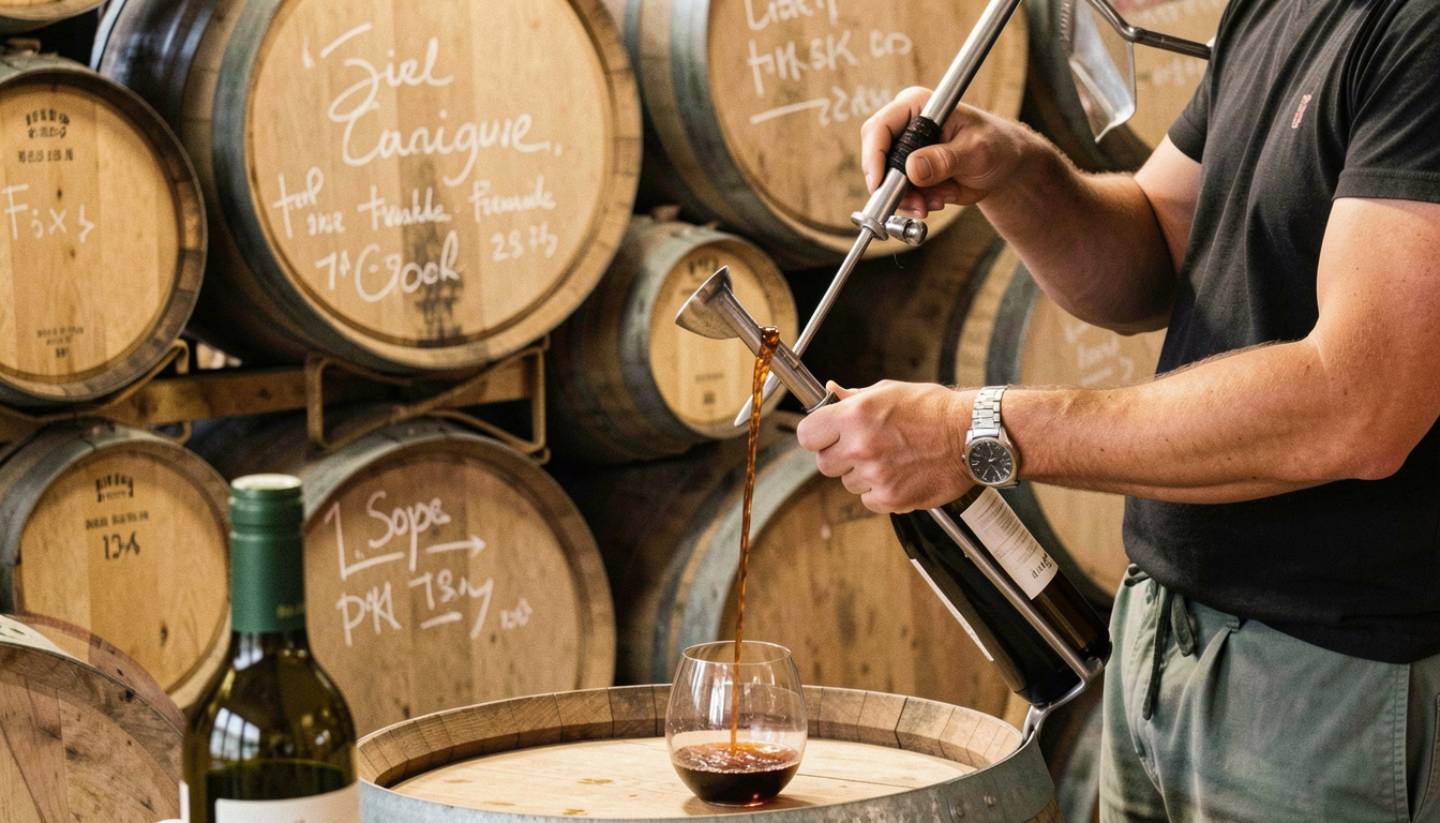
I still remember my first proper barrel tasting years ago, standing in a cool cellar while a winemaker pulled a sample straight from the wood. The wine was unfinished, a little wild, and completely honest. That moment changed how I tasted wine forever.
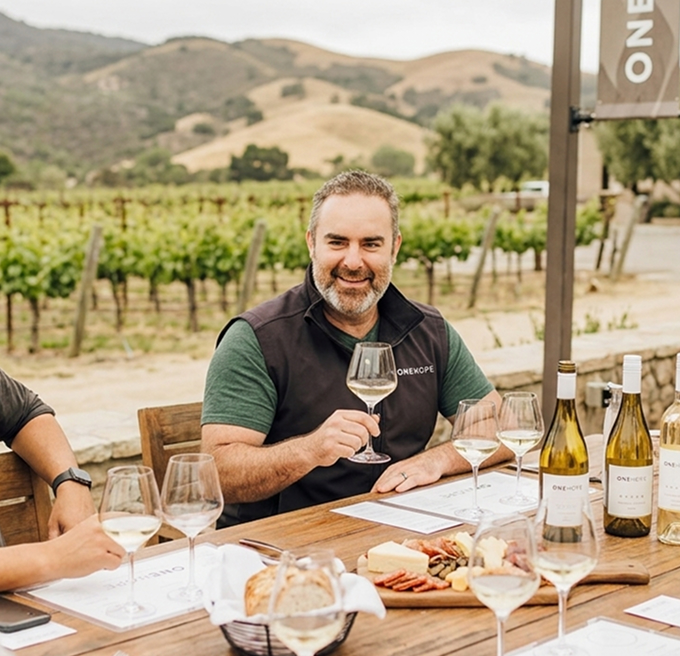
I will own a small bias here. Watching our wines grow up in the cellar at ONEHOPE is one of my favorite parts of this life. Estate 8 was built with aging in mind, from temperature control to quiet space for bottles to rest. It is very much my baby. That said, real learning happens when you see many philosophies across the valley, not just one.
Wineries That Teach Oak and Aging Well
These estates consistently offer thoughtful insight into oak and time:
- Schramsberg Vineyards
Historic caves and long aging traditions, even beyond sparkling wine. - Nickel & Nickel
A clear look at how identical oak treatment reveals differences in vineyard site. - Jarvis Estate
A fully underground estate designed around long term aging. - Grgich Hills Estate
A focus on neutral oak and restrained, old-world influenced styles. - Palmaz Vineyards
High-tech precision paired with traditional barrel aging philosophy.
Napa Valley for Travelers Who Want to Learn About Oak and Aging
Planning Your Learning Day
If You Only Have One Hour
Ask for a vertical tasting of the same wine across three vintages. It is the fastest way to understand what time does.
If You Have a Full Afternoon
Start with a cave or barrel tasting near the base of Mount St. Helena, enjoy a long lunch in St. Helena, then finish with a library tasting in Rutherford. Keep the pace slow. Let the lessons settle.
Where to Eat Around Here
Learning days pair best with grounding food and warm flavors:
- Charter Oak
Hearth-cooked dishes that echo the warmth of oak. - Press
A deep Napa wine list built for aged Cabernet. - Farmstead at Long Meadow Ranch
Comforting, estate-driven food that lets your palate reset.
Small Histories
In Napa’s early days, oak was a necessity, not a style choice. Barrels were how wine survived transport and time. Over decades, winemakers in places like Rutherford and the Stags Leap District learned that the dust of the soil and the toast of the wood could work together. What began as practicality eventually became one of Napa’s global signatures.