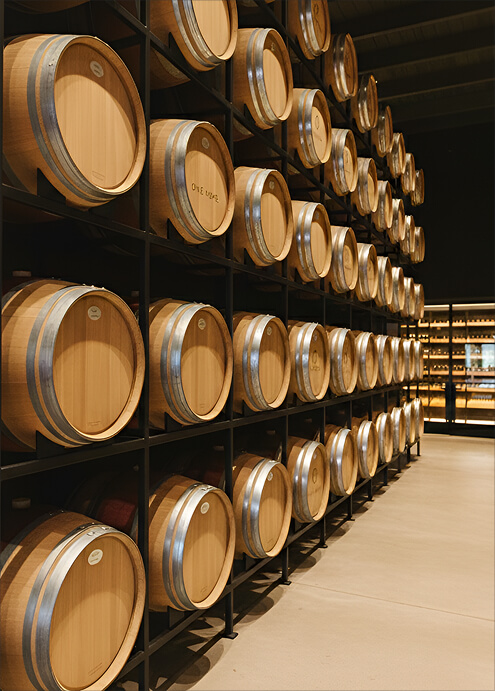
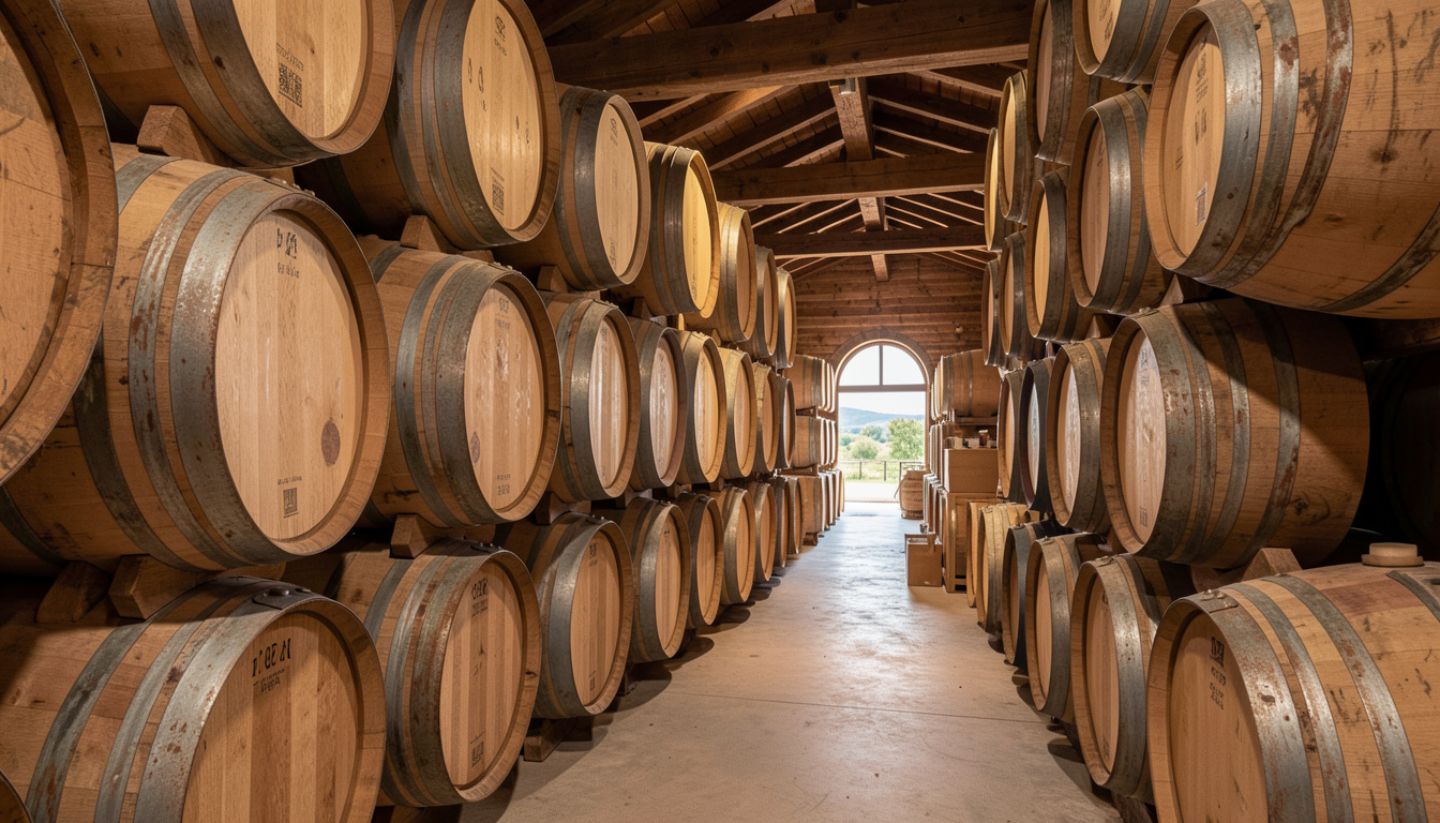
There is a quieter craft running beneath the surface of Napa Valley that most visitors never see. It lives in the scent of toasted oak drifting through cellar air, in dark barrel rooms tucked behind vineyards, and in the patience required to shape something meant to last decades but influence a wine for years.
For travelers who want to understand cooperage, Napa offers a rare chance to learn how barrels shape texture, aroma, and time itself. This is Napa without spectacle. Hands over machines. Fire over shortcuts. A reminder that wine is not just grown and fermented. It is also built.
What This Experience Is Really About
Cooperage is where chemistry meets craft. Barrels are not passive containers. They are active participants.
They shape:
- Texture through slow oxygen exchange that softens tannin
- Flavor through toast level, grain tightness, and forest origin
- Longevity by giving structure that allows wines to age gracefully
The best lessons in Napa come from hearing winemakers explain not what oak adds, but how they keep it from saying too much.
When It Is Best
The slower midweek rhythm
Tuesday through Thursday is when cellar teams are moving barrels, racking wine, and willing to explain why decisions were made.
Post harvest, November through February
Often called Cabernet Season. The valley turns inward. Conversations become reflective instead of rushed.
Spring racking season
An ideal time to see wines moved between barrels and to understand the difference between new, once filled, and neutral oak.
Where Cooperage Stories Live in Napa
Rutherford and Oakville benchlands
Precision Cabernet country where barrel selection is discussed with long term intent.
Historic cellars in St. Helena
Many estates north of Zinfandel Lane have worked with the same cooperages for decades and can explain why loyalty matters.
Mountain producers
Fruit from Mount Veeder or Howell Mountain often requires tighter grain oak to manage structure and intensity.
What to Listen For on a Barrel Focused Visit
Not every winery talks openly about barrels. When they do, listen for:
- Why one block sees new oak and another does not
- How toast level matches site and vintage
- How long barrels stay in rotation
- When oak steps back and fruit leads
If a host explains restraint more than impact, you are in the right room.
What Most Visitors Miss
Many visitors treat barrels as a backdrop for photos. What they miss is that cooperage decisions are often made years before a bottle is released. A single choice like selecting Allier forest oak instead of Vosges can shape how a wine evolves over twenty years. In Napa, those decisions carry the same weight as farming and blending.
My Local Notes
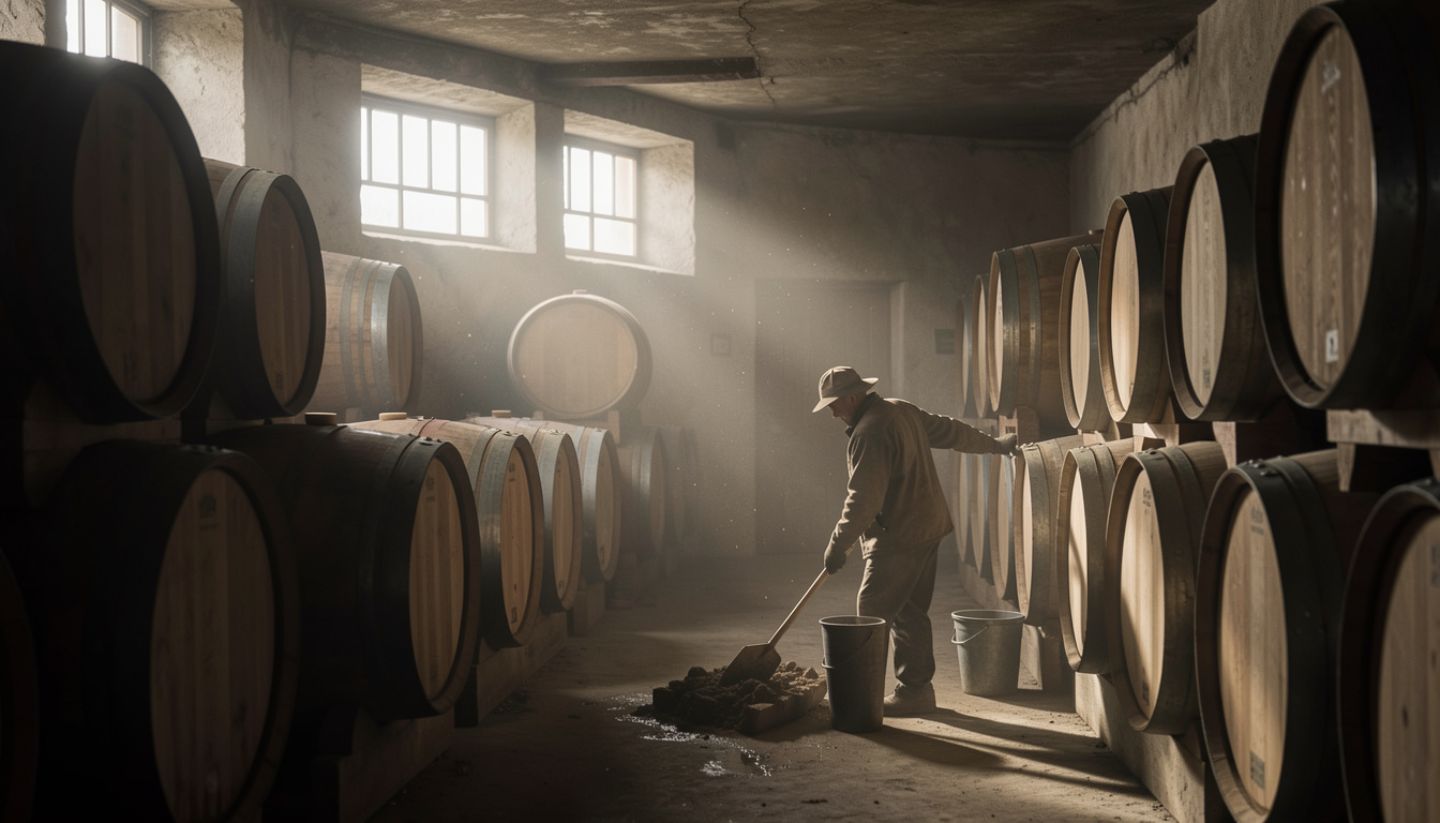
Some of the most important lessons I learned in Napa happened standing quietly in barrel rooms, listening to coopers talk about patience instead of power.
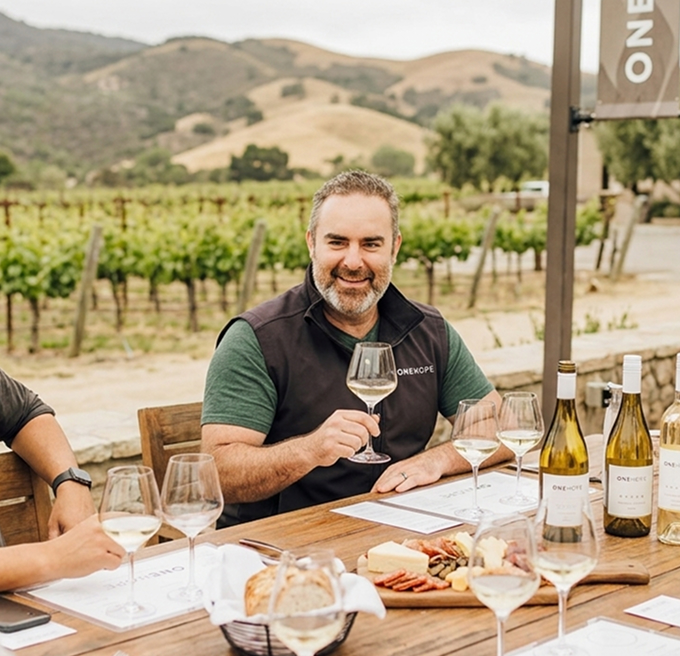
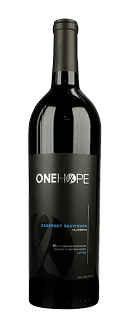
When we were shaping Estate 8, barrel philosophy came early. Not just which oak, but how much influence was enough to support the fruit without masking it. ONEHOPE grew from that same respect for craft over flash. I am admittedly biased. Estate 8 is my purpose driven baby. But the wines that age most gracefully are almost always the ones built with quieter hands.
A Gentle Cooperage Focused Itinerary
Day One
Arrive and orient. Visit a historic estate like Inglenook or Beringer to see caves and discuss how barrel aging evolved in Napa.
Day Two
Book a private cellar tour. Ask about grain tightness, toast curves, and lees contact. Pair with a slow lunch and no second tasting.
Day Three
Visit a mountain producer to compare their oak program against the valley floor estates you experienced earlier. Notice how structure changes the conversation.
Where to Eat After a Barrel Day
Choose places that mirror the same respect for craft and restraint:
- The Charter Oak in St. Helena for elemental cooking rooted in wood and fire
- Farmstead at Long Meadow Ranch for full cycle thinking
Press for a cellar deep enough to show how oak aged wines evolve with time