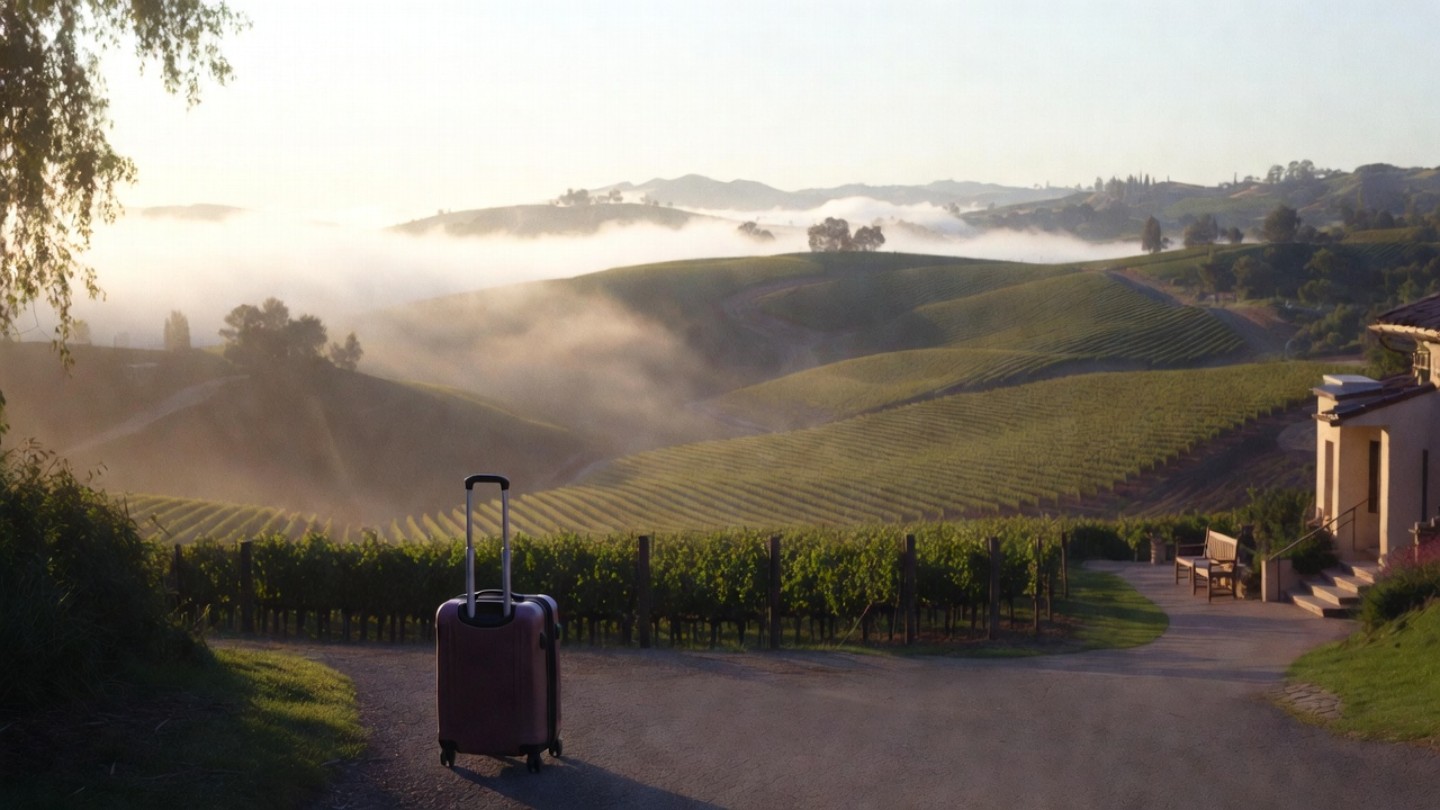
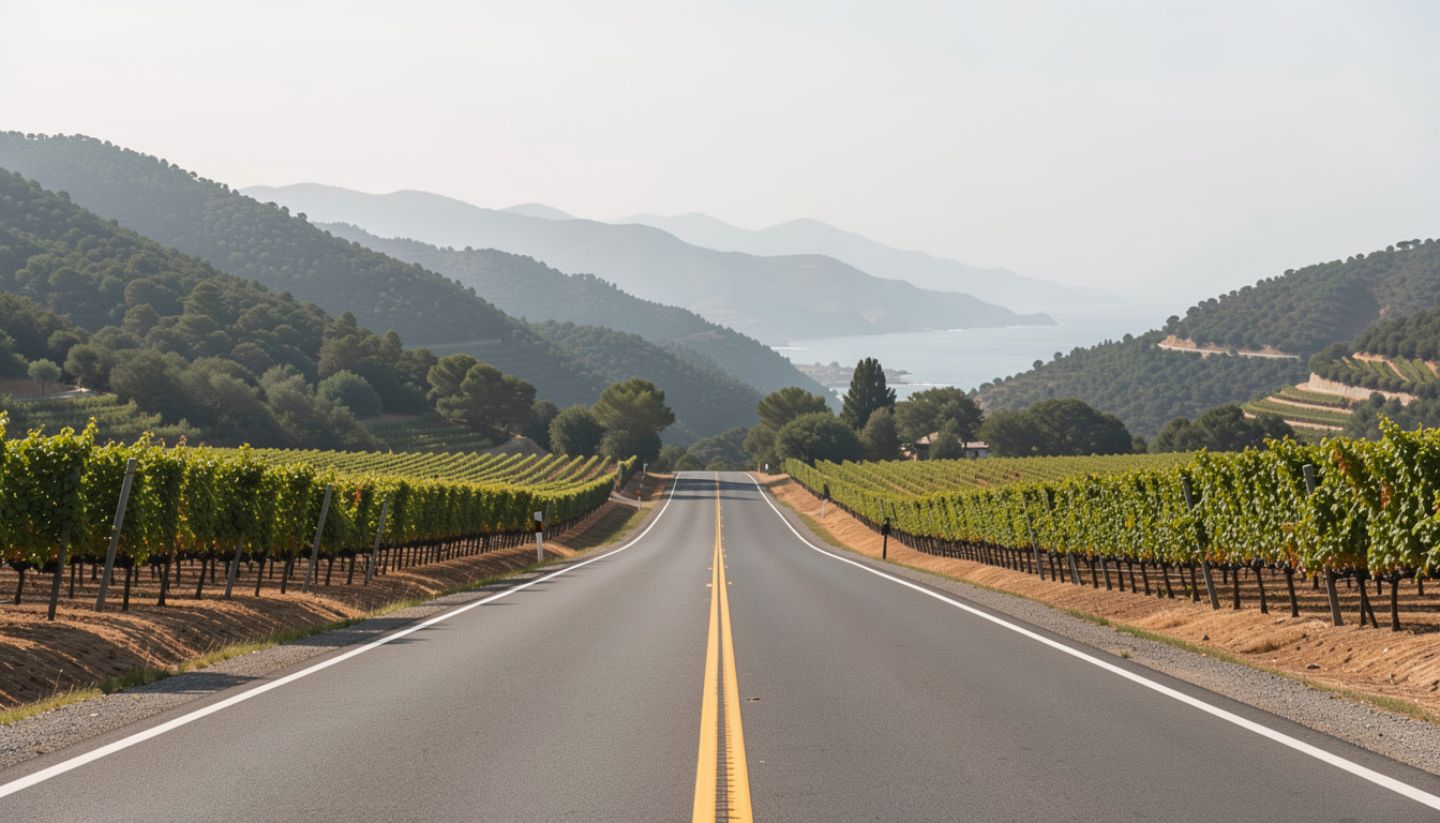
Napa Valley has a way of pulling you inward. You arrive focused on one place, then slowly realize how much wine lives just beyond its edges. A short drive over the Mayacamas or south toward the San Pablo Bay and the landscape shifts. Air cools. Roads narrow. Vineyards feel less manicured and more instinctive.
Exploring beyond Napa proper is not about replacing the valley. It is about understanding it through contrast. Different soils. Different pacing. Different philosophies. When you widen your circle, Napa becomes clearer, not diluted.
What This Experience Is Really About
Leaving the valley floor is about curiosity, not coverage.
You stop trying to see everything and start noticing differences. How fog behaves. How vineyards sit closer to forests or water. How tastings feel less choreographed and more conversational. These regions often trade scale for intimacy.
Exploring beyond Napa allows you to:
- feel real temperature shifts tied to geography
- experience cooler climate expressions
- slow your travel rhythm naturally
- understand how land shapes philosophy
- return to Napa with fresh perspective
Wine makes more sense when you step outside one valley.
Regions Worth Exploring Nearby
Each neighboring region adds a different layer to the story.
Sonoma County
Just over the hills, Sonoma feels broader and more relaxed. Vineyards are spaced farther apart and the coastal influence shows up quickly. Pinot Noir and Chardonnay thrive here, especially as you move west. It is the easiest and most natural extension of a Napa trip.
Russian River Valley
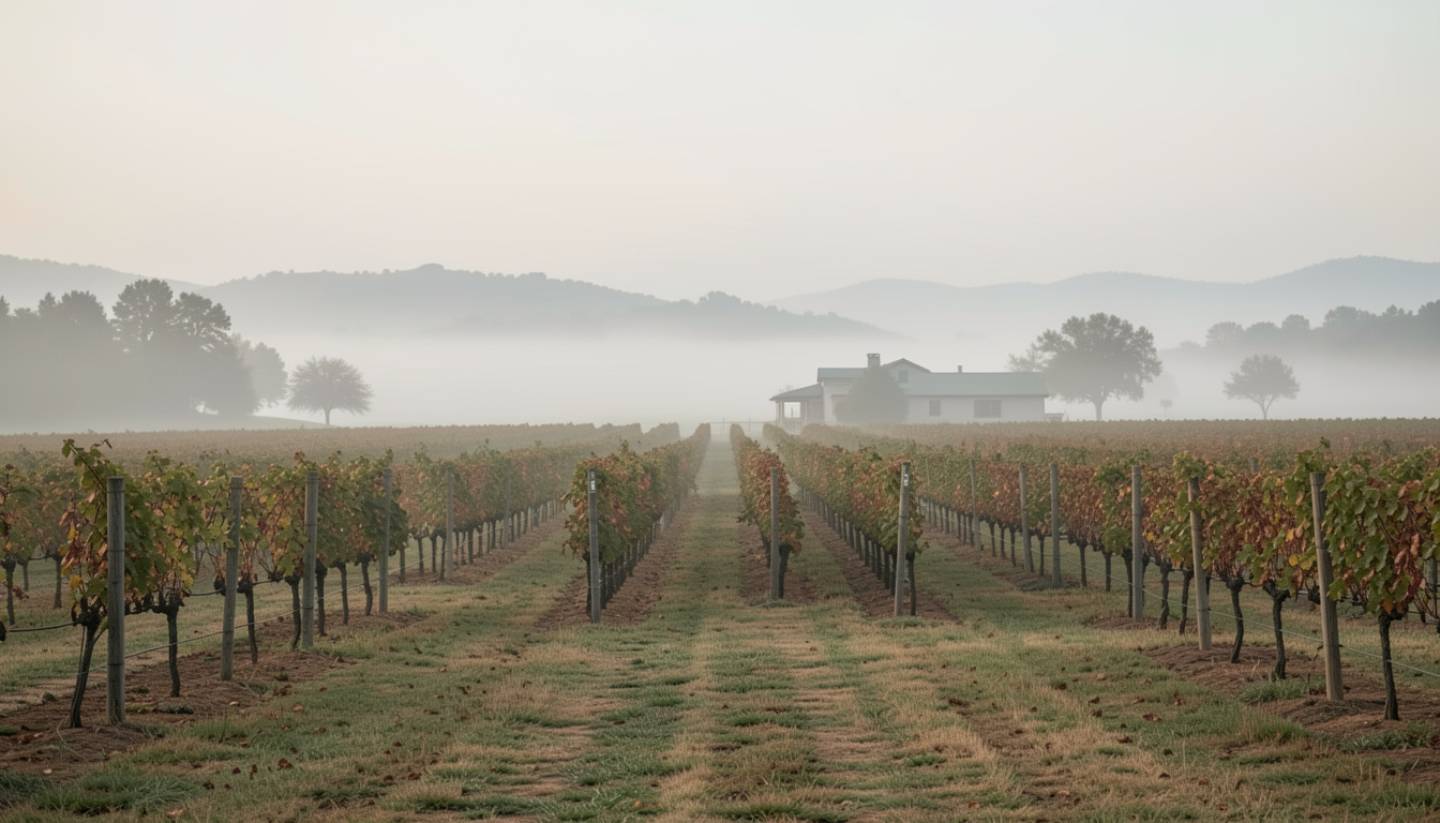
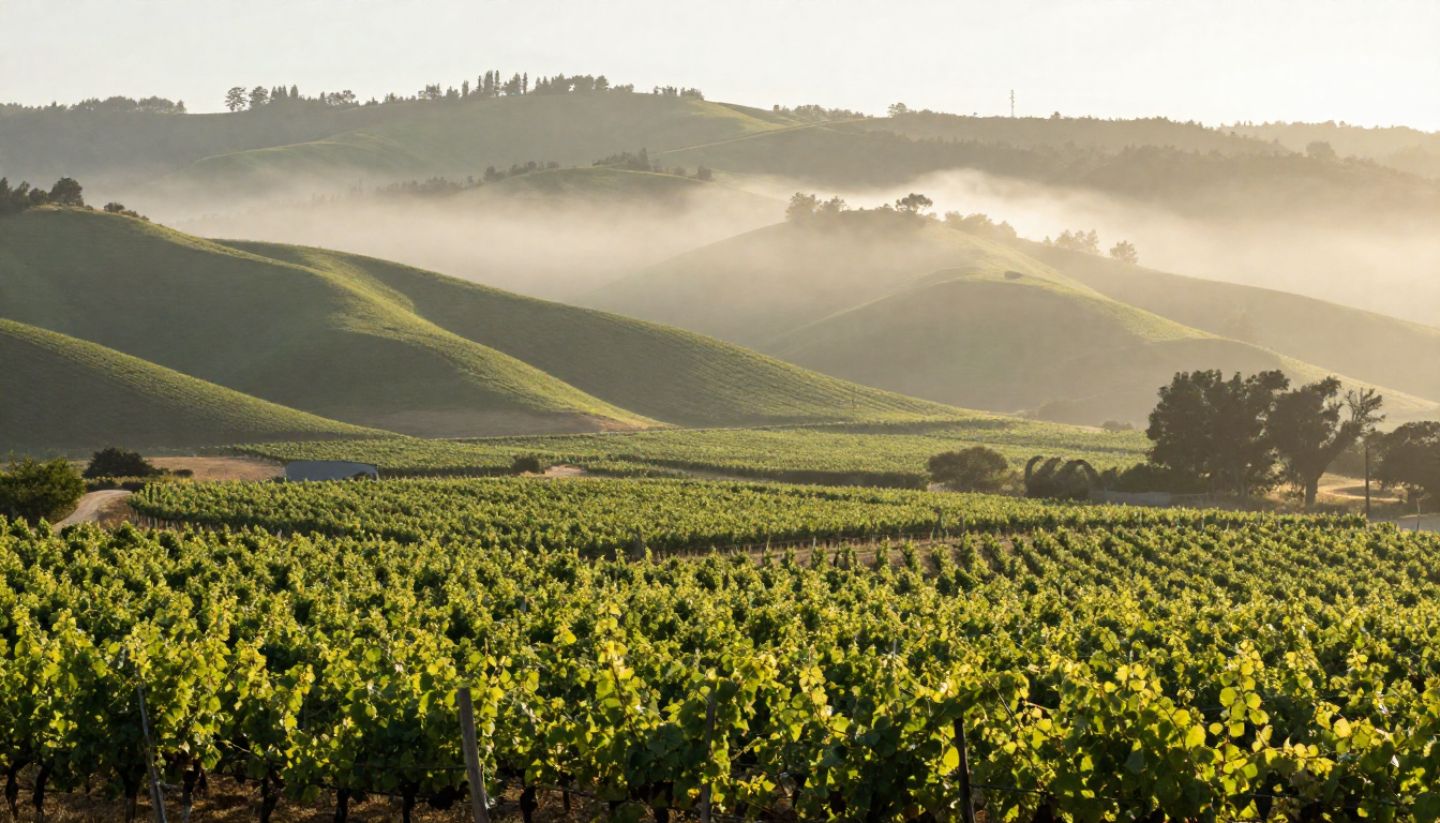
Defined by deep morning fog and river influence, this area produces expressive, cool climate wines. The landscape feels softer and greener, particularly in the early hours. It pairs well with travelers who enjoy scenic drives and long lunches.
Anderson Valley
About ninety minutes north, Anderson Valley is forested, quiet, and focused. Fog lingers late. Tastings are unhurried. Wines lean bright and restrained. This is a region that rewards patience and listening.
Lake County
Higher elevation and volcanic soils give these wines lift and energy. The lake moderates temperatures and crowds are minimal. It often surprises people, which is part of its appeal.
When to Go Beyond Napa
Exploring beyond Napa works best once your core plans feel settled.
- After two or three Napa days
When Cabernets start to blur, contrast refreshes the palate. - Midweek
Mountain roads are calmer and tastings feel more personal. - During warmer months
Cooler regions offer natural relief from valley heat.
This is not about adding more stops. It is about changing texture.
What Most Visitors Miss
Many travelers assume leaving Napa means sacrificing quality. In reality, winemakers taste across borders and ideas move freely between regions. What you gain is context.
Another missed opportunity is pacing. One day outside Napa often resets the entire trip, making the days back in the valley feel sharper and more intentional.
My Local Notes
Some of my favorite wine conversations have happened outside Napa. Fewer crowds. Longer pauses. Wines poured with explanation instead of performance. Those experiences reminded me that great hospitality is about presence, not polish.
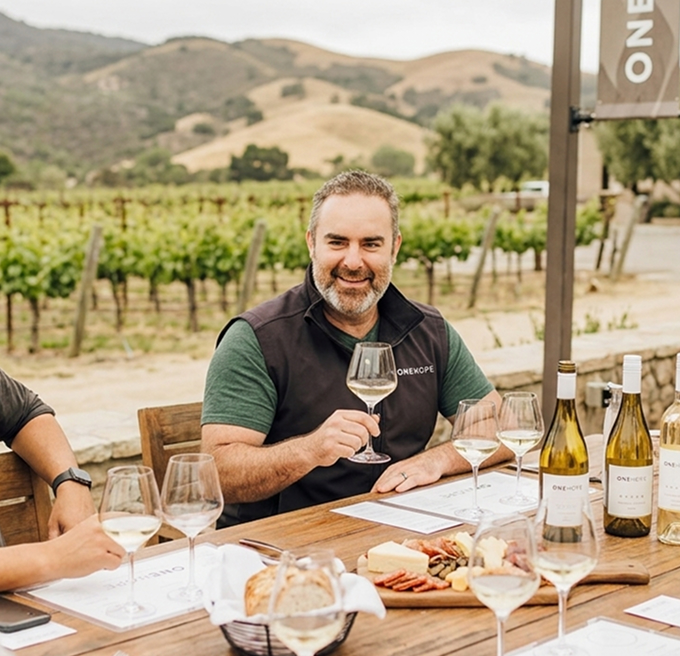
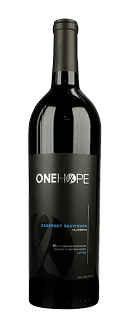
That thinking shaped how I approach place at ONEHOPE and Estate 8. It is my baby. I never wanted Napa to feel insular. Understanding what surrounds us makes what happens here feel more grounded.
How to Plan a Thoughtful Extension
Keep it simple and intentional.
- Anchor your stay in Napa
- Choose one neighboring region per day
- Limit tastings to two or three
- Build in a long lunch or scenic stop
- Plan to drive back before dark
These regions reward unhurried travel.
What to Expect When You Go
Expect more driving between stops and fewer tasting rooms clustered together. Expect hosts who have time. Expect wines that reflect place more than polish.
Bring curiosity, not comparisons.
Small Histories
Before Napa became shorthand for American wine, many of these regions were already farming grapes. Their histories run parallel, not secondary. Exploring them reminds you that Northern California wine has always been wider than one valley.