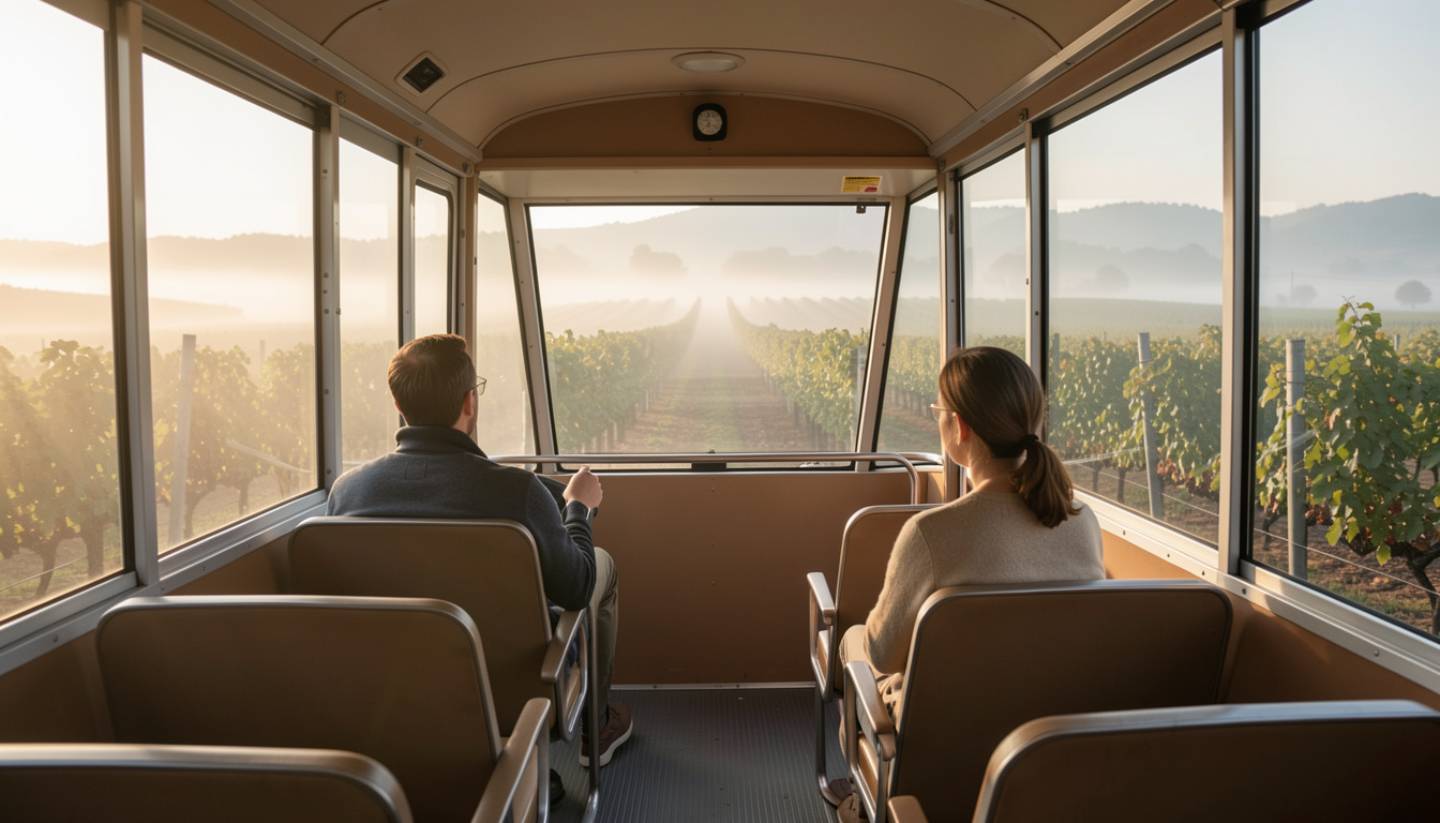
There is something deeply grounding about moving through Napa Valley without your hands on the wheel. When you explore by train or trolley, the valley reveals itself at a slower, more deliberate pace. Vineyards slide past instead of rushing by. Conversations last longer because no one is watching the road. This is Napa experienced as it was meant to be absorbed, not navigated. For travelers who want to feel the valley rather than manage it, rail and trolley travel return Napa to an older, more natural rhythm.
What This Experience Is Really About
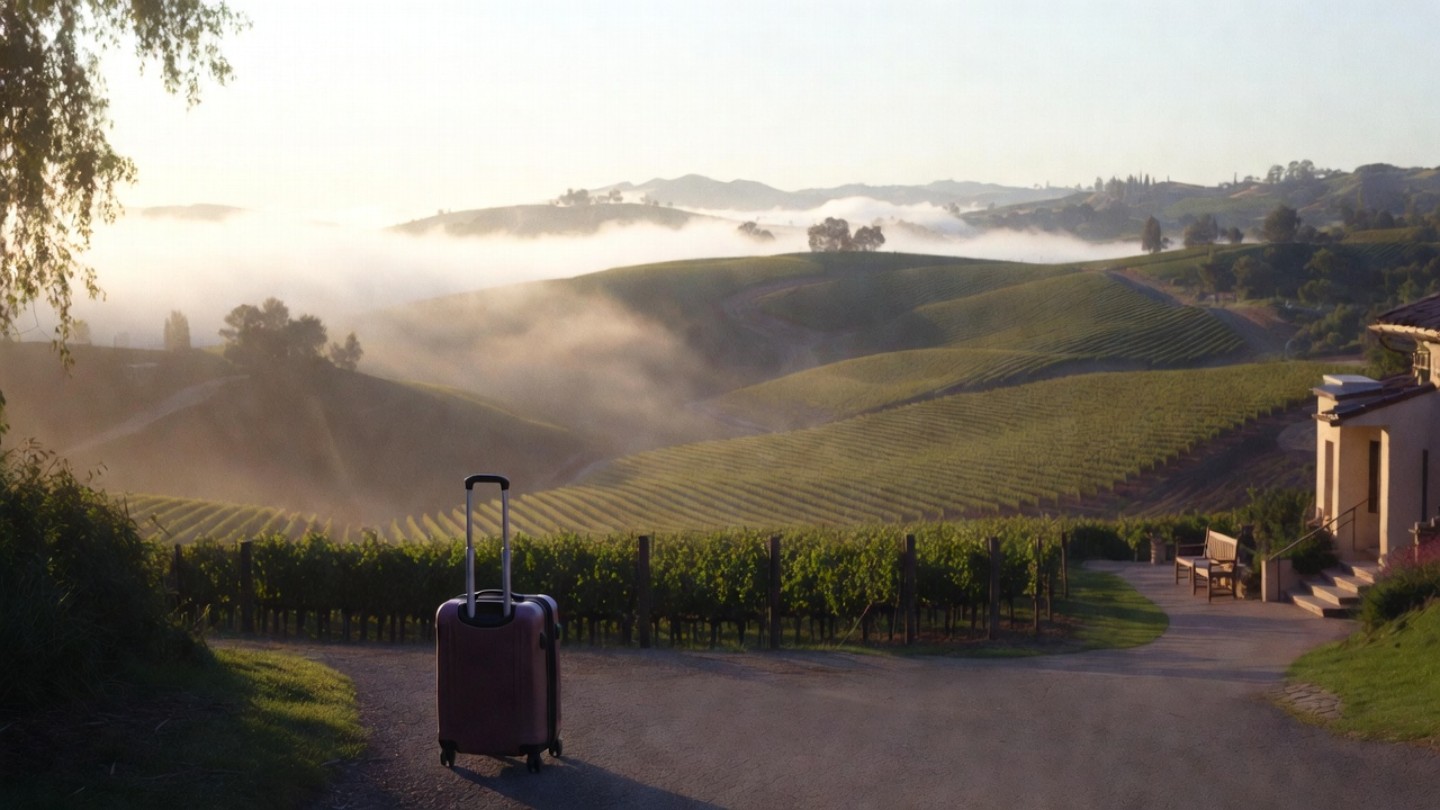
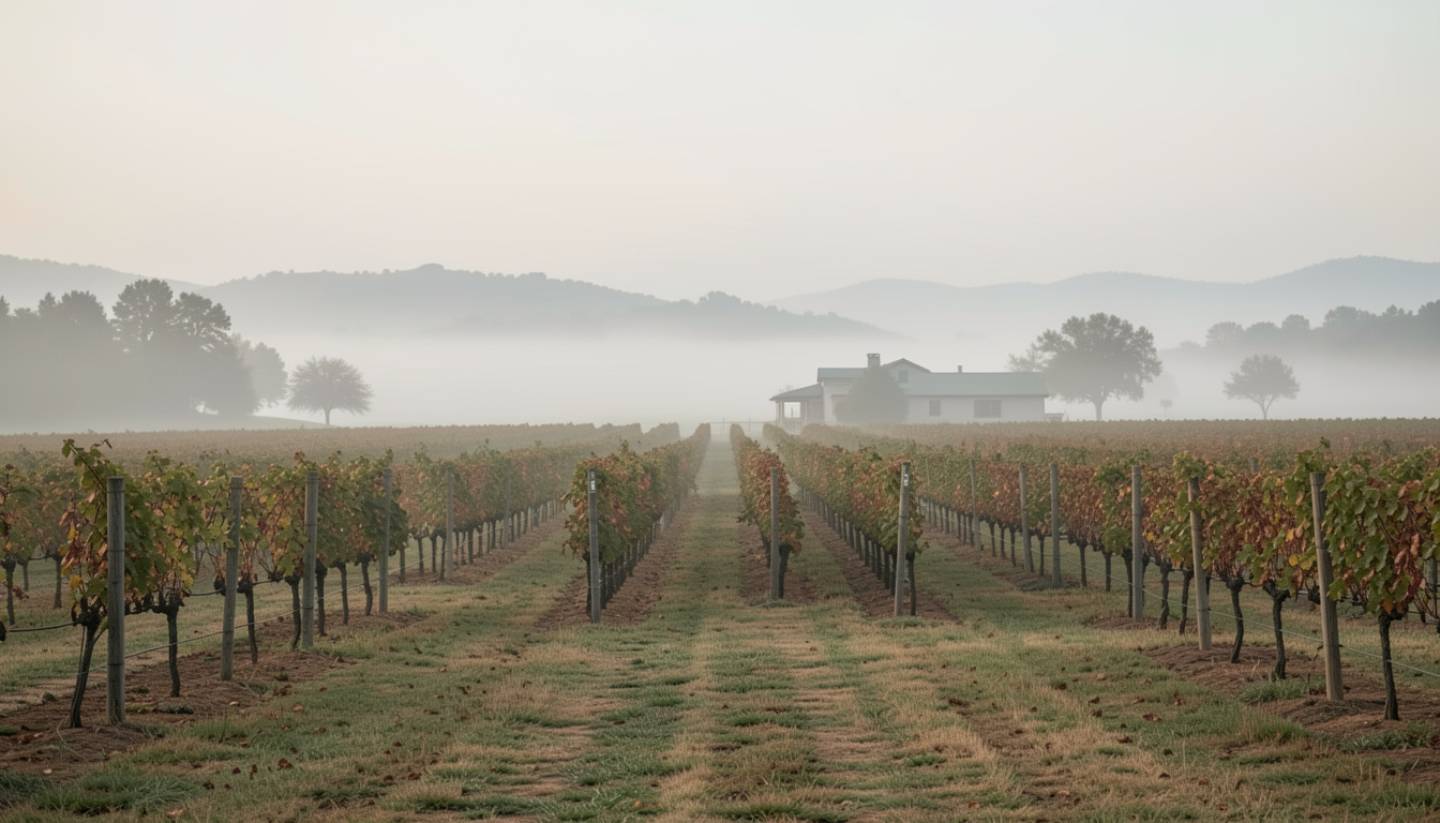
Exploring Napa by train or trolley is about letting go of control in a way that feels surprisingly restorative. Someone else handles the timing, the turns, and the transitions. Your attention shifts outward. You notice how the morning fog lifts unevenly off the Rutherford benchlands, how the valley narrows as you move north toward Mt St Helena, and how meals land differently when you arrive already settled. This is not the fastest way to see Napa. It is one of the most attentive.
When It’s Best
- Midweek (Tuesday–Thursday): Fewer passengers, quieter wineries, and more conversational energy
- Late Morning to Afternoon: Ideal light for seeing the valley without the urgency of early traffic
- Spring and Fall: The most expressive seasons, from mustard blooms to harvest color
- Winter: Calm, intimate, and stripped down in the best way
What Most Visitors Miss
Many visitors assume Napa only works by car. In reality, some of the valley’s earliest experiences were guided and communal. Train lines and shared routes connected farms and towns long before tasting appointments existed. What driving often breaks is continuity. On a train, Napa unfolds as one connected agricultural landscape rather than a sequence of parking lots. On a trolley, the day feels cohesive, with a natural narrative instead of constant resets.
My Local Notes
Some of my most relaxed Napa afternoons happened when I stopped driving. I remember sitting back, watching the vineyards pass, and realizing I was actually seeing the land instead of managing directions. One afternoon in particular stands out. No rushing past Yountville Cross Road, no recalculating routes, no checking the clock. The entire day felt stitched together. That is when Napa makes the most sense to me.
Ways to Explore Napa Without Driving
Train Experiences
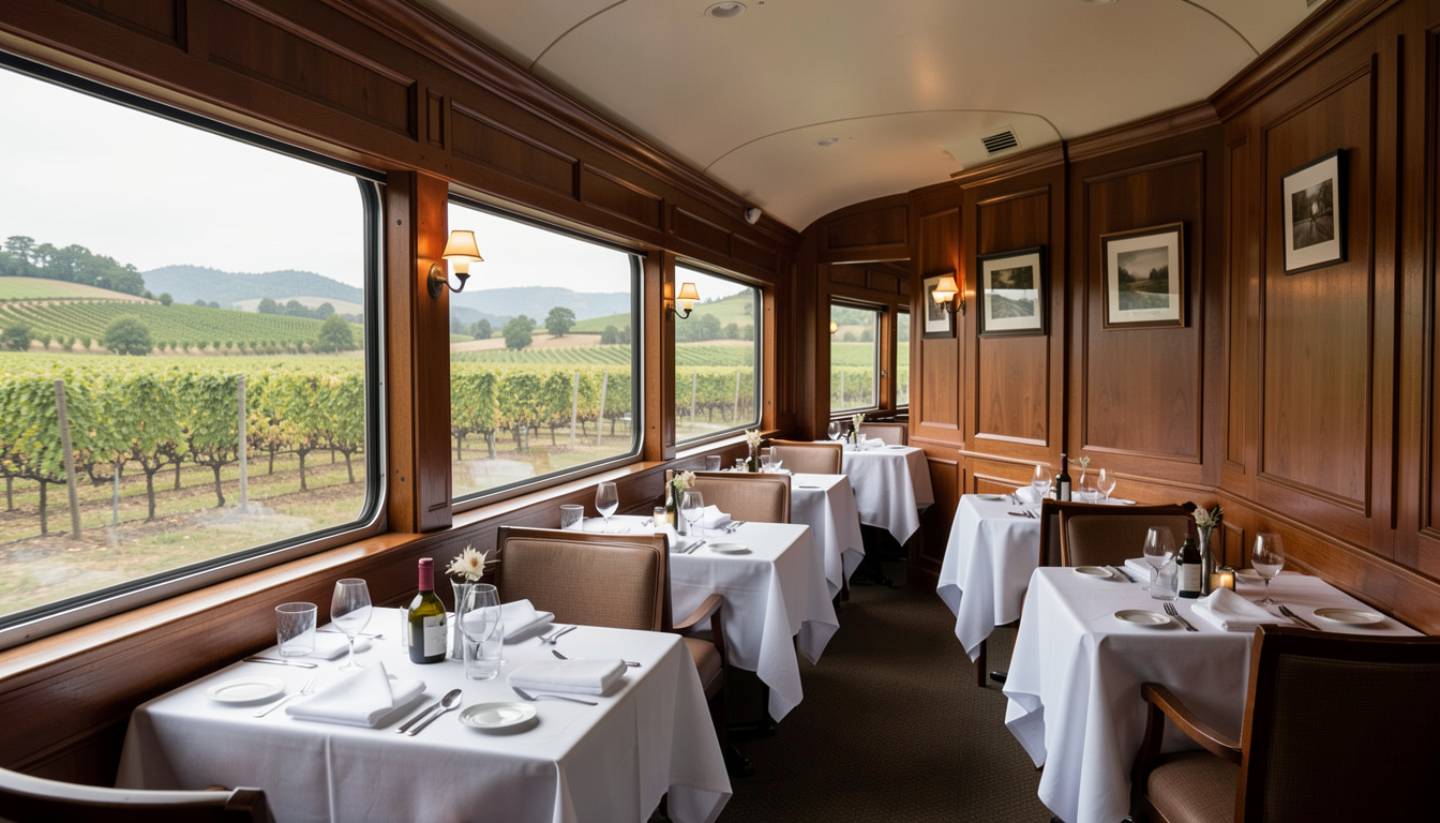
The Napa Valley Wine Train follows a historic rail line through the valley, pairing seated dining with curated winery visits. It is not designed for efficiency. It is designed for atmosphere. You settle in, the valley moves around you, and the experience feels ceremonial rather than transactional.
Trolley Tours
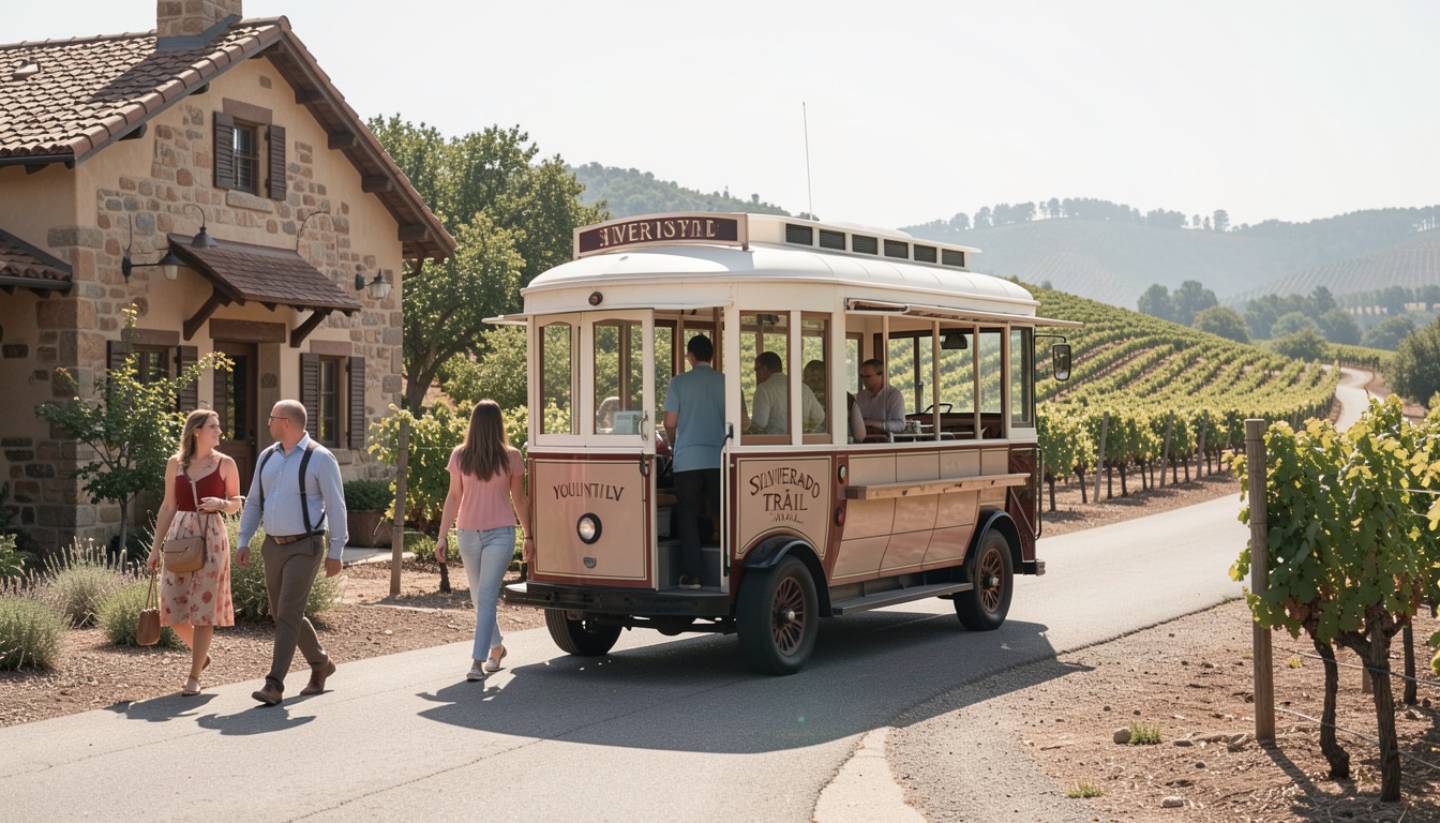
Trolley tours offer structure without rigidity. Styled after classic open air trolleys, they connect several wineries in one arc, guided by hosts who understand the backstories and the geography. These tours often access smaller estates where arriving together feels natural and welcomed.
Who This Style of Travel Is For
- Travelers who want to relax rather than orchestrate every detail
- Couples celebrating anniversaries or milestone trips
- Visitors who want wine country without the pressure of driving
- Anyone who values conversation, landscape, and continuity over speed
A Gentle Personal Note
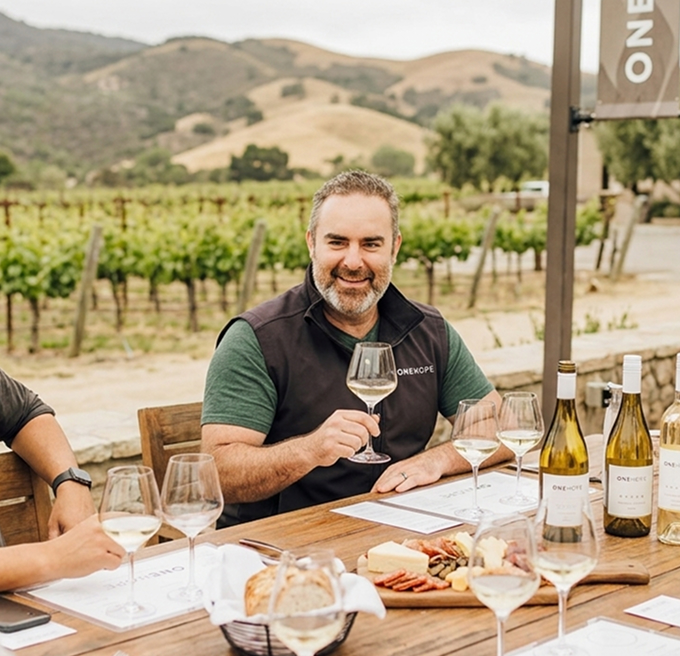
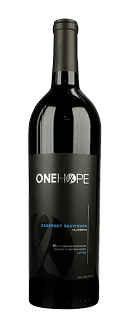
I’ll admit a little bias here. Estate 8 and our home at ONEHOPE were built around the idea that hospitality should feel effortless once you arrive. I love seeing guests show up already calm because they did not have to navigate the day themselves. It’s my passion project, and I’ve learned that the less mental energy you spend getting somewhere, the more presence you have once you arrive.
Small Histories
Before tasting calendars and GPS routes, Napa moved collectively. Rail carried goods and people. Shared transport connected the farming towns of Napa, Yountville, and St Helena. Exploring the valley without driving is not a novelty here. It is a return to how this place once moved and, in many ways, how it still prefers to move.