Some days in Napa Valley are meant to be tasted. Others are meant to be photographed.
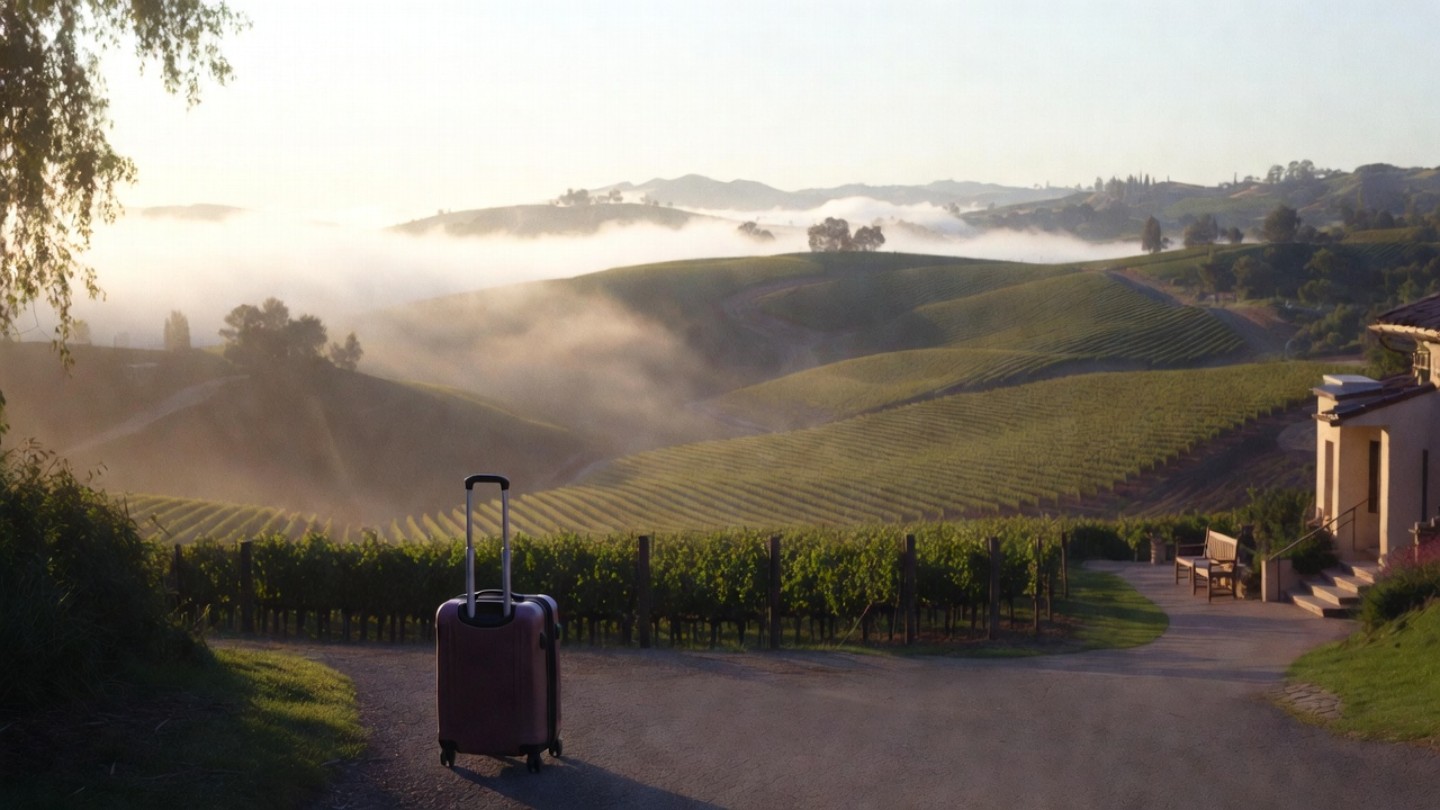
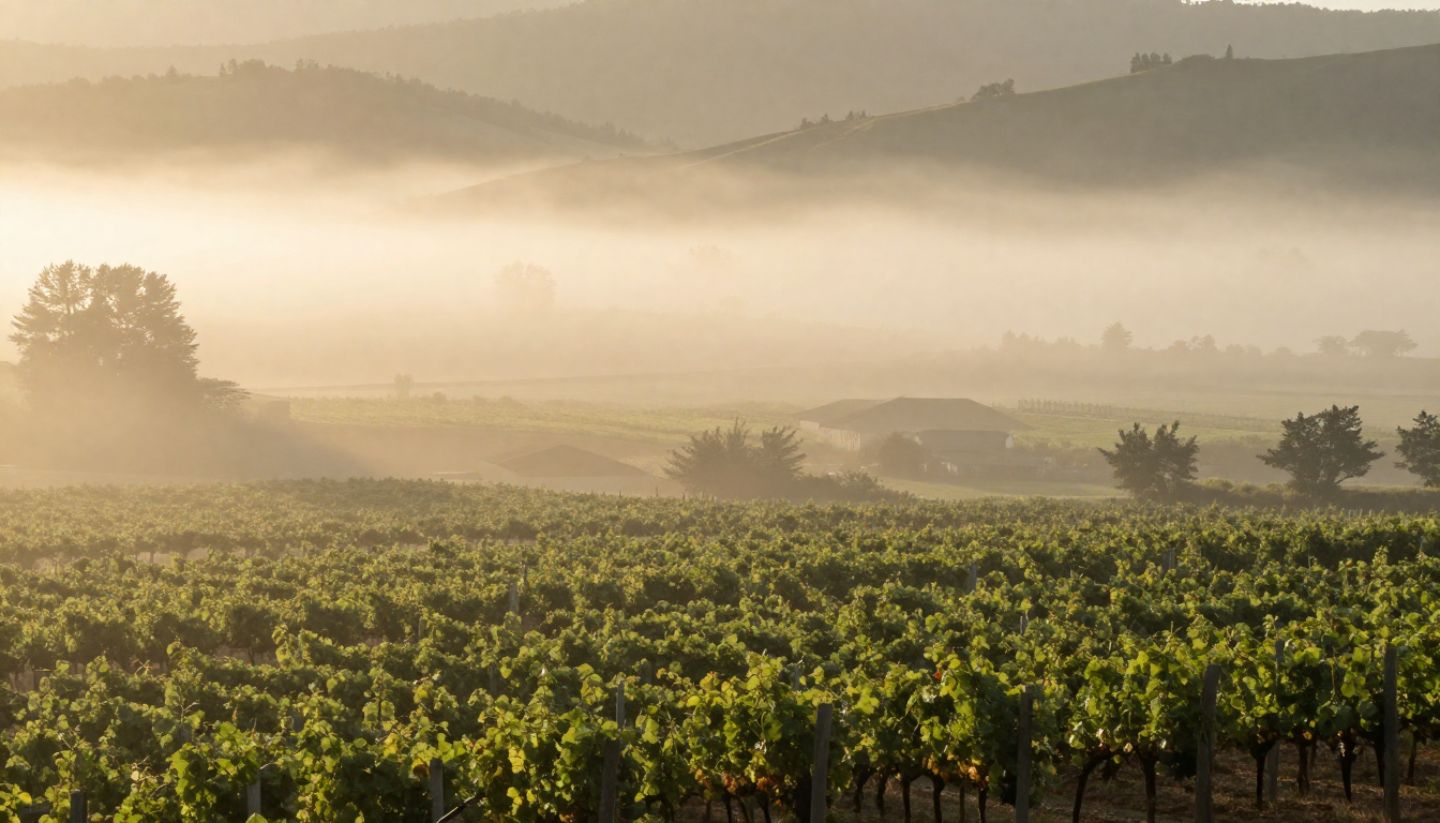
A photography-only day changes how you move through the valley. You wake earlier. You pull over more often. You wait for fog to lift off the Rutherford benchlands instead of rushing toward a reservation. Napa reveals itself differently when the camera, not the corkscrew, sets the pace.
This is the valley without schedules. Light instead of lunch. Long shadows instead of tasting notes. When you give Napa time, it gives you frames most visitors never see.
What This Experience Is Really About
A photography-only day is about surrendering control.
You stop trying to capture Napa and start letting it reveal itself. You follow light instead of routes. You wait. You return to the same spot twice. You learn that the valley rewards patience more than precision.
This kind of day prioritizes:
- Light over itinerary
- Atmosphere over landmarks
- Edges and transitions over icons
- Stillness and repetition
Napa photographs best when you let it breathe.
When It Is Best
Photography depends more on light and weather than the calendar.
- Sunrise and early morning
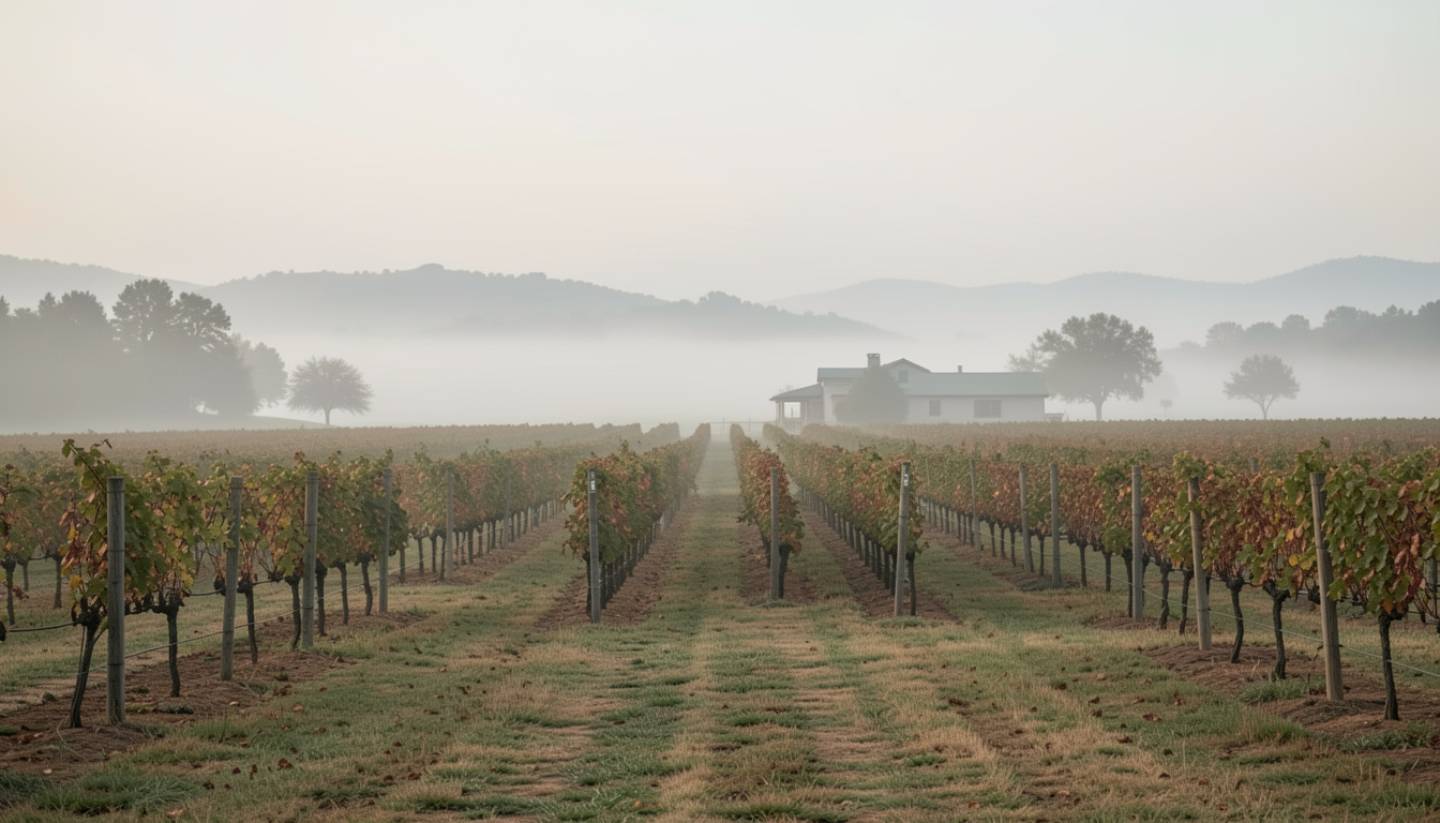
Fog pools on the valley floor, softening contrast and simplifying frames. - Late afternoon and golden hour
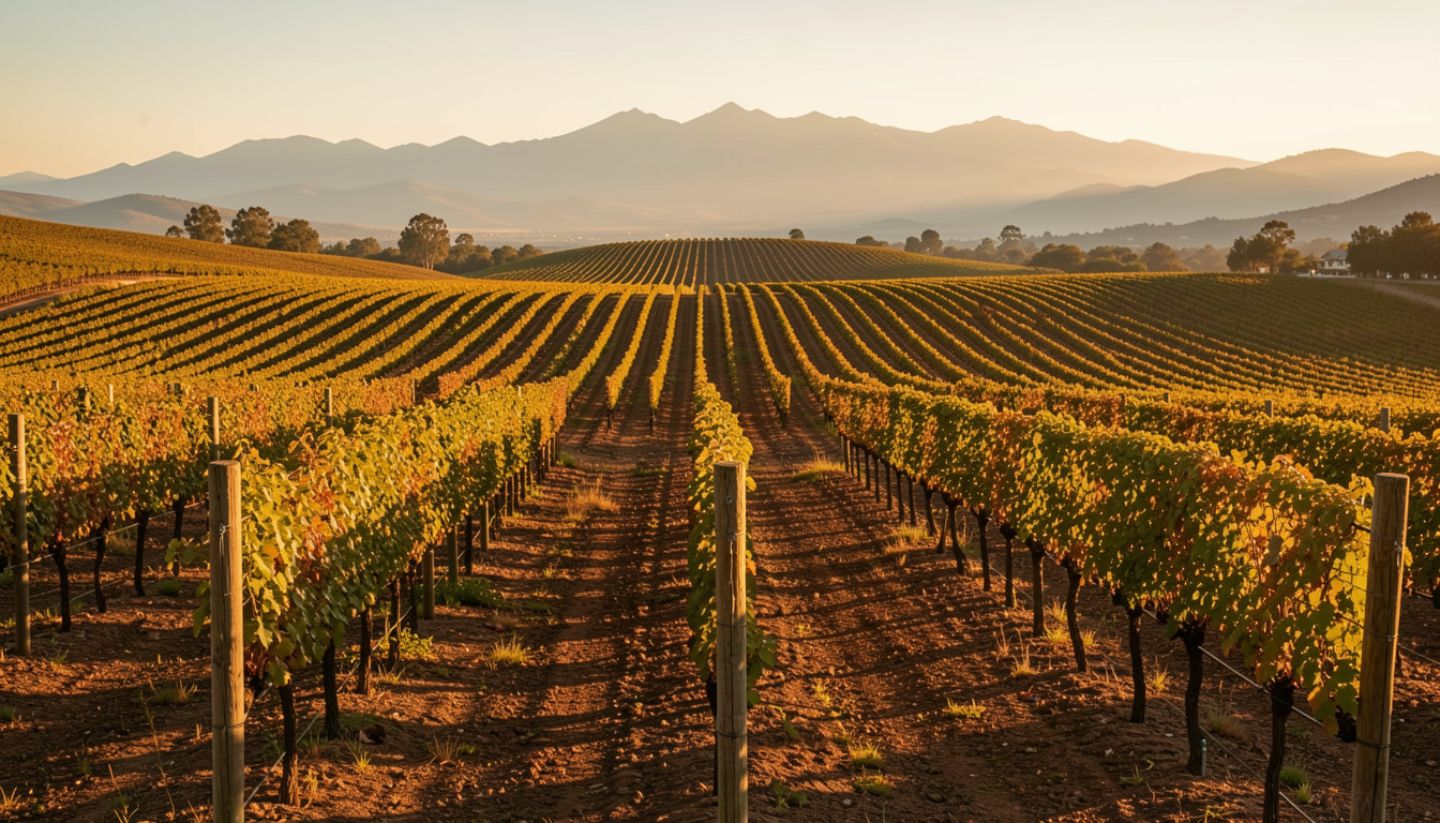
The Cabernet light wraps the Mayacamas and Vaca ranges, turning rows into rhythm. - Midweek
Fewer cars, fewer people, cleaner compositions.
Winter brings mood. Spring brings color. Summer brings long light. Fall brings texture. Each season shifts the valley’s tone.
What Most Visitors Miss
Most visitors photograph Napa from tasting room patios. The strongest frames live in the transitions.
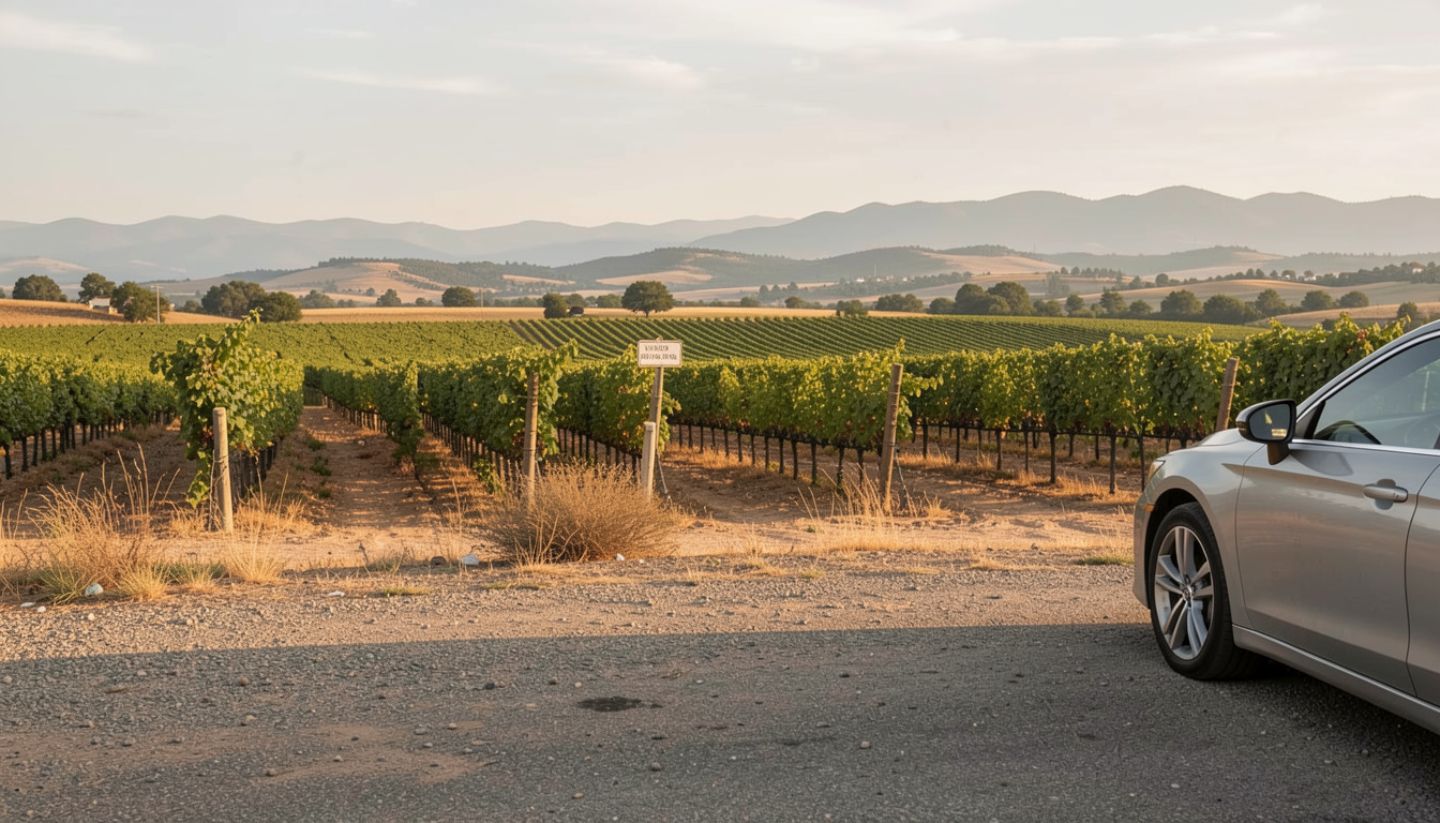
- Vineyard margins where rows meet oak-lined fence lines
- Benchland scale where flat valley floor collides with sudden hills
- Elevation shifts five minutes up a side road, looking back into fog
You do not need to trespass or hike far. You just need to look sideways instead of straight ahead.
My Local Notes
Some of my favorite Napa images were taken on days when I never opened a bottle. Sitting quietly while fog thinned. Watching shadows crawl across rows. Waiting for the valley to decide what it wanted to show.
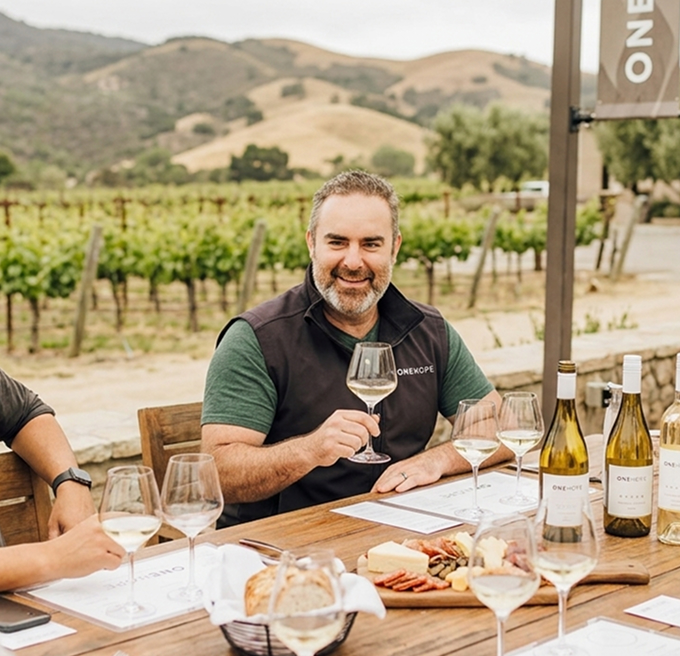
That patience shaped how we thought about arrival and views at ONEHOPE and Estate 8. It is my baby. We wanted the land to do the talking. The best images here happen when nothing is forced and you are simply present.
Where to Focus Your Lens
Different areas reward different approaches.
- Silverado Trail
Cleaner sightlines and fewer interruptions. Head north past Yountville Cross Road for morning fog. - Rutherford and Oakville benchlands
Classic Napa geometry. Long rows and leading lines toward the hills. - St. Helena outskirts
Softer transitions where town gives way to agriculture. - Carneros
Rolling hills, wind, layered skies, and moodier coastal light.
Avoid Highway 29 when possible. Traffic and signage clutter frames.
How to Plan a Photography-Only Day
Keep it deliberately loose.
- Start before sunrise
- Choose one general loop
- Drive slowly and pull over safely
- Revisit locations as light changes
- Use midday to scout
- Finish when the light disappears
The best images often arrive between plans.
What to Bring
Photography days in Napa are simple.
- Camera and one versatile lens
- Extra batteries
- Comfortable shoes
- Light jacket for fog and wind
- Water and snacks
Leave room for stillness. That is the real gear.
Where to Stay If Photography Is the Priority
Photographers tend to prefer:
- quiet inns away from highways
- properties with early-morning silence
- easy access to backroads
If you hear birds instead of traffic at dawn, you chose well.
Small Histories
Before Napa became a destination, it was a working valley. Repetition. Rows. Open land. Those rhythms still define its visual language.
A photography-only day reconnects you to that original pace.