Some people come to Napa Valley chasing bottles. Others come chasing tables.
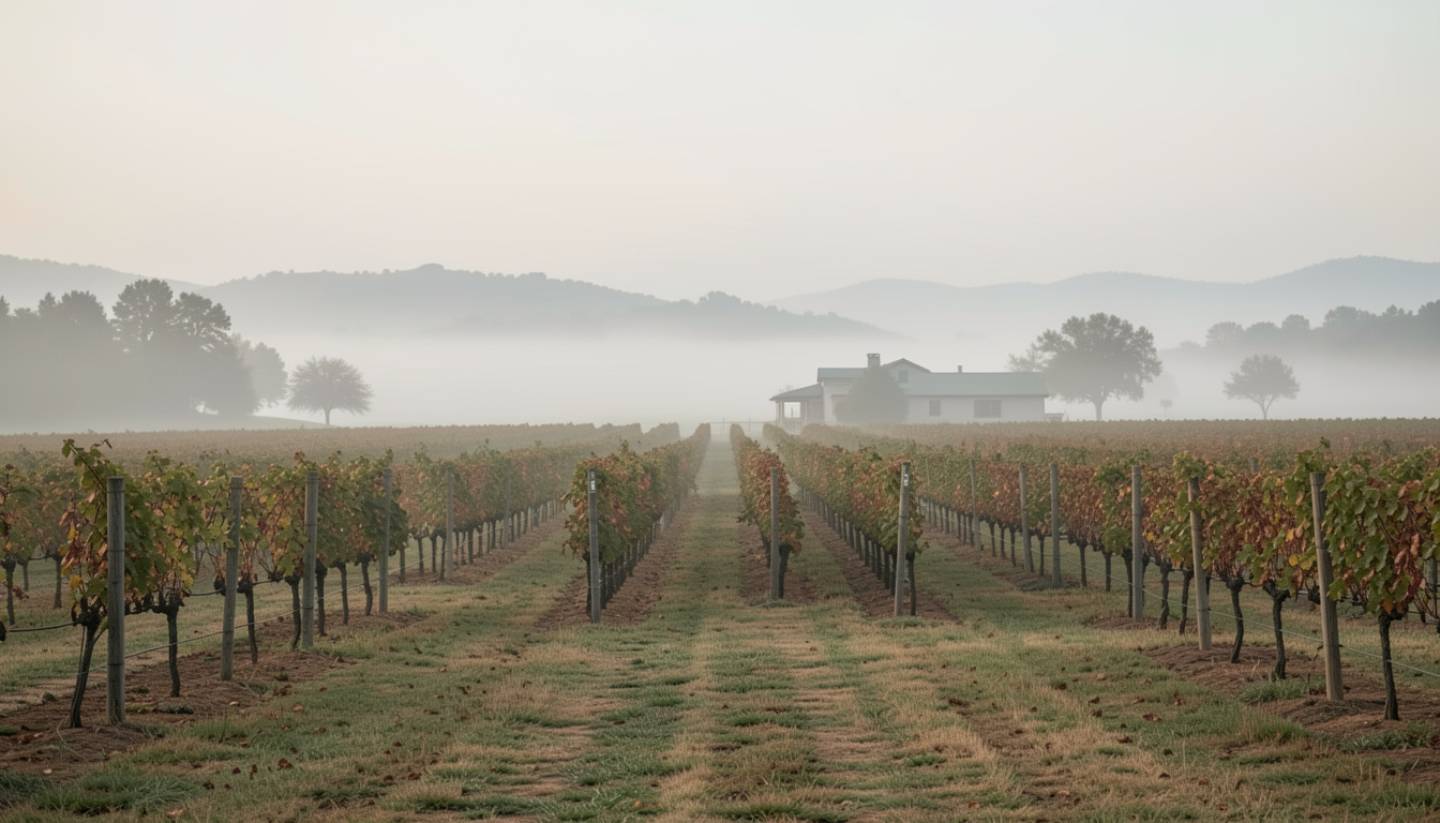
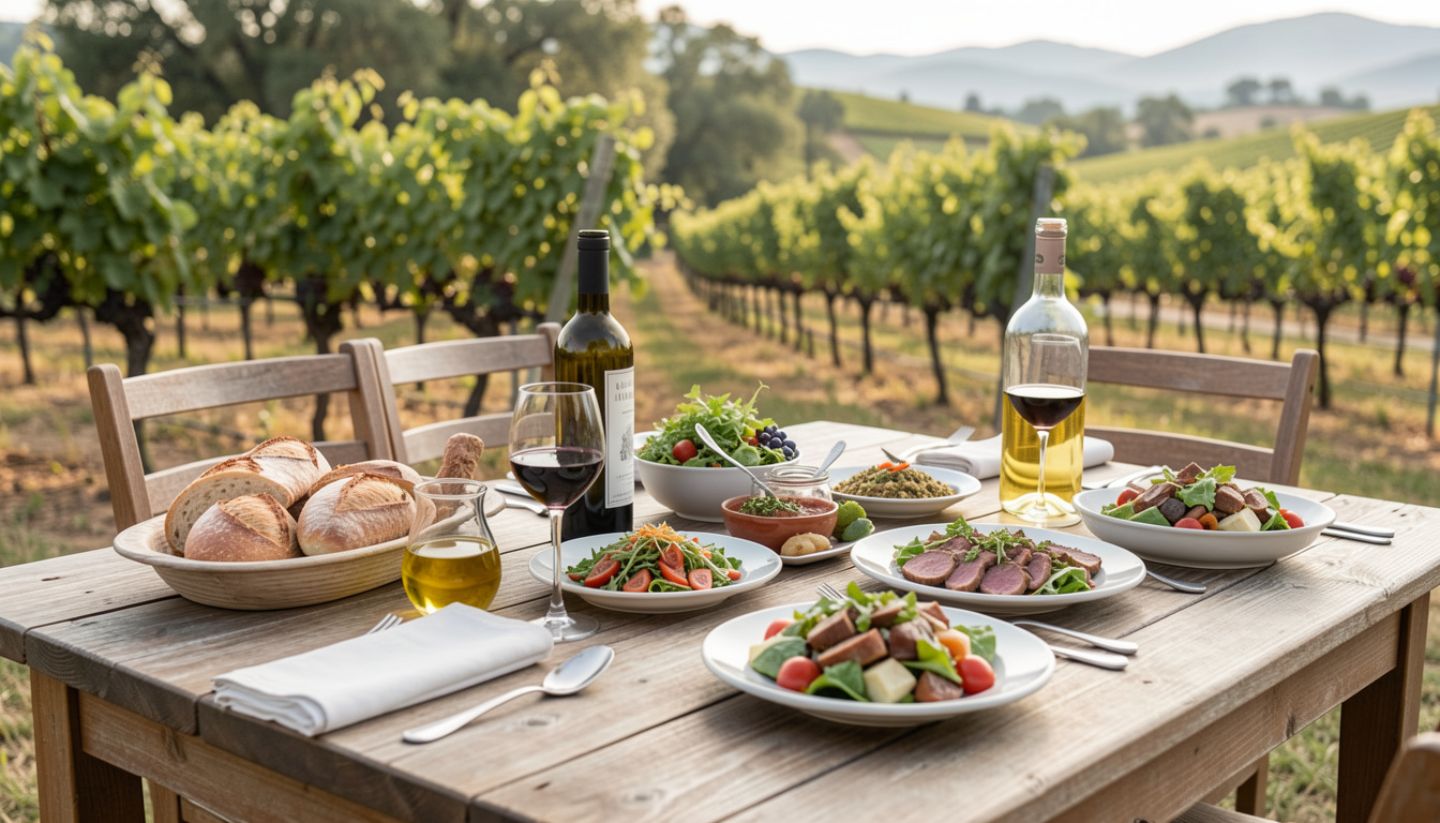
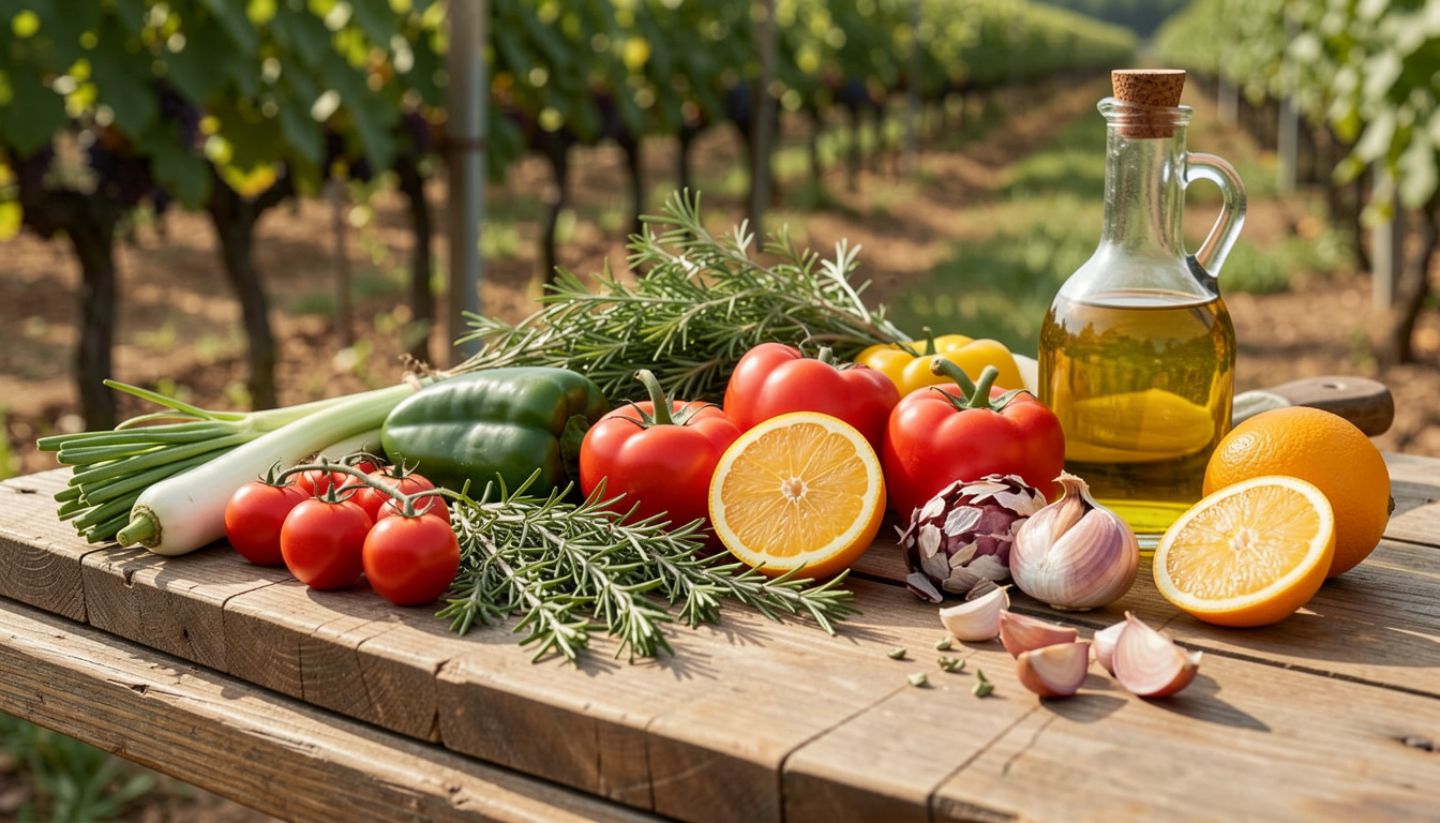
A food-first wine trip flips the usual order. Meals become the anchors. Wine becomes the supporting voice, chosen for how it behaves at the table rather than how it performs in isolation. Napa is uniquely suited for this approach because it is, at its core, an agricultural valley. Vineyards share the Rutherford benchlands with gardens, orchards, bakeries, and ranch land. When you follow the food first, the valley feels more grounded, less staged, and far more personal.
This is Napa eaten slowly and remembered clearly.
What This Experience Is Really About
A food-first trip is about context and lived connection to the land.
- Meals over mileage
You prioritize the quality of the table over the number of stops. - Pairings over flights
Wine becomes a companion to texture, salt, acidity, and warmth. - Agricultural awareness
You start noticing gardens along the Silverado Trail as much as the vines. - Seasonality over spectacle
Menus shift with weather, harvest, and soil, not trends.
Wine stops performing and starts participating.
How Napa Excels at Culinary Discovery
Napa’s food culture works because it is relational.
Chefs know farmers. Farmers know winemakers. Many estates grow produce alongside grapes, and tasting hosts are often as fluent in food as they are in fermentation. Staying centrally allows you to build days around walking, lingering, and returning to the same table without feeling rushed.
Food leads. Wine follows.
When It Is Best
- Spring and fall
Peak produce seasons. Menus feel alive and responsive. - Midweek
Tuesday through Thursday brings easier reservations and quieter rooms. - Long-lunch weather
If the light shifts while you are still seated, you planned correctly.
What Most Visitors Miss
Many visitors over-schedule tastings and compress meals into narrow windows.
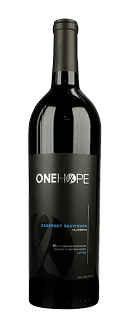
They miss that Napa’s best food experiences take time. Bread arrives warm. Sauces matter. Conversations drift. A rushed palate cannot register how a high-elevation Cabernet behaves next to wood-fired vegetables or a simple roast chicken.
A food-first itinerary usually means fewer wineries and far better memories.
My Local Notes
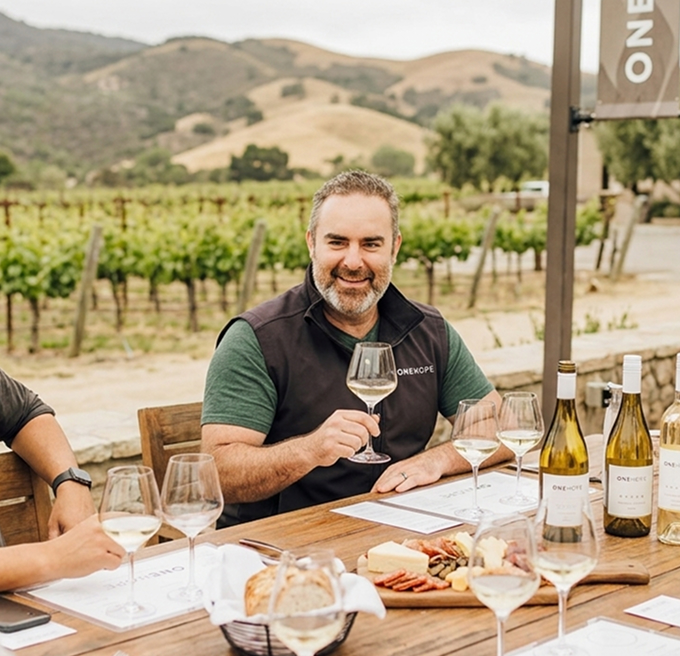
Some of my favorite Napa days have revolved around a single lunch. One table. One bottle. Nowhere else to be. Those meals stay with you longer than any tasting flight.
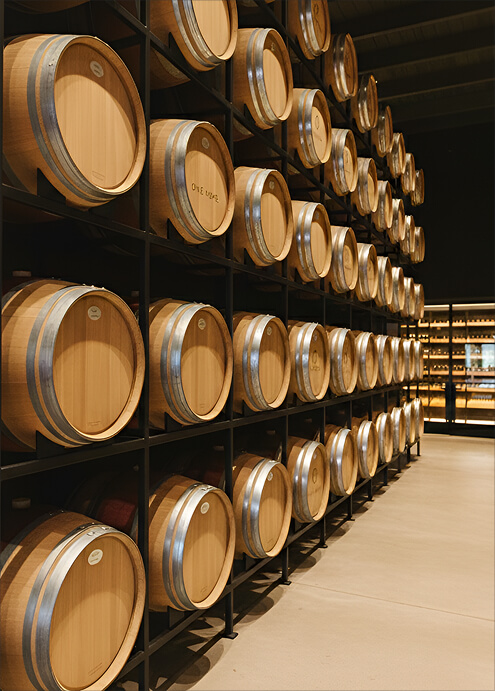
That philosophy carries through how we think about hospitality at ONEHOPE and Estate 8. It is my baby, and I am biased, but we approach wine as something meant to sit comfortably next to food, not dominate it. The table is where the vineyard finally makes sense.
How to Plan a Food-First Itinerary
- Start with the restaurant reservation
- Build the day around that anchor
- Limit wineries to one or two
- Allow time to linger
- End early enough to reflect
If your day feels slightly unfinished, you planned it well.
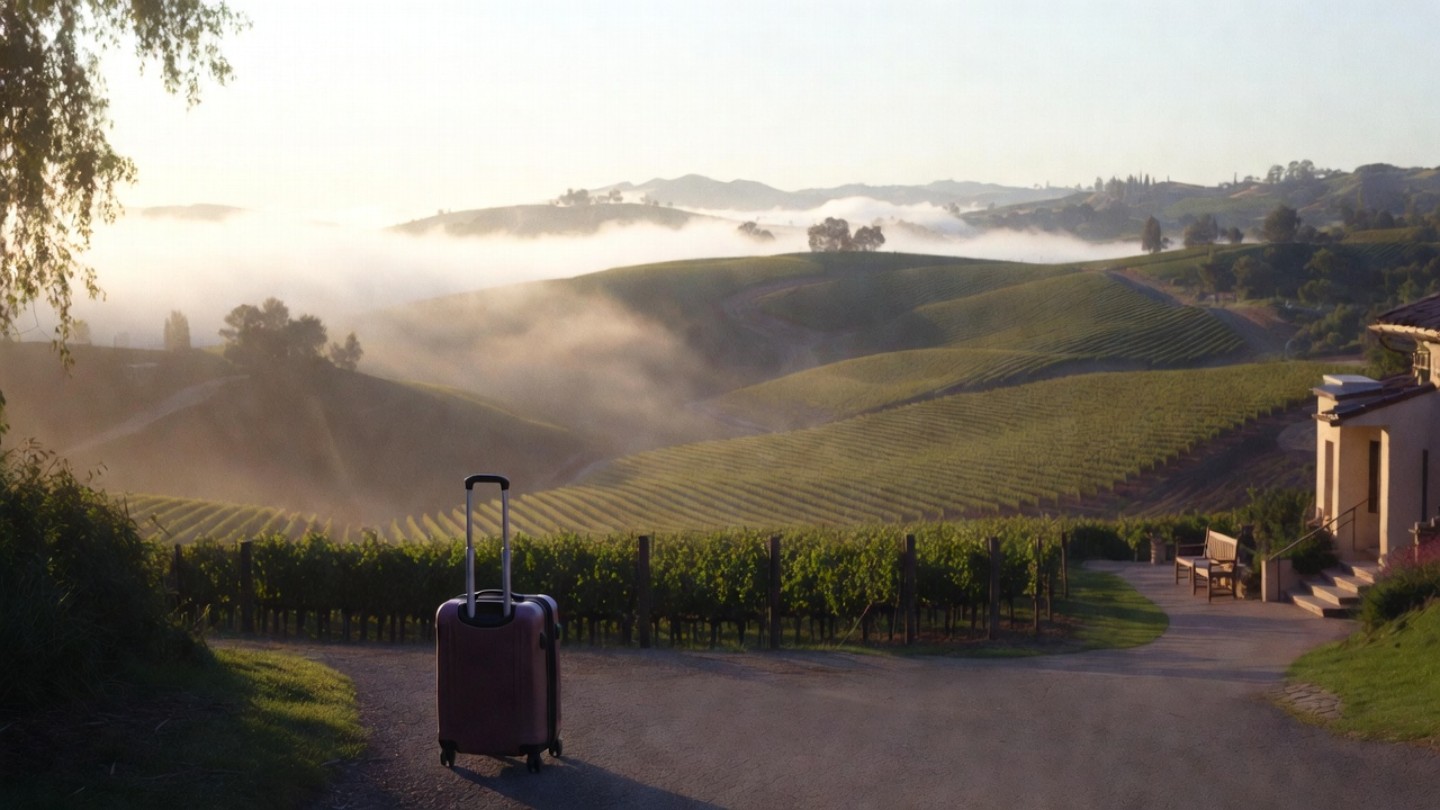
Where to Stay
Food-first travelers do best when they:
- stay walkable to restaurants
- avoid long drives between meals
- choose quiet accommodations
- prioritize rest over nightlife
Food rewards attention, not exhaustion.