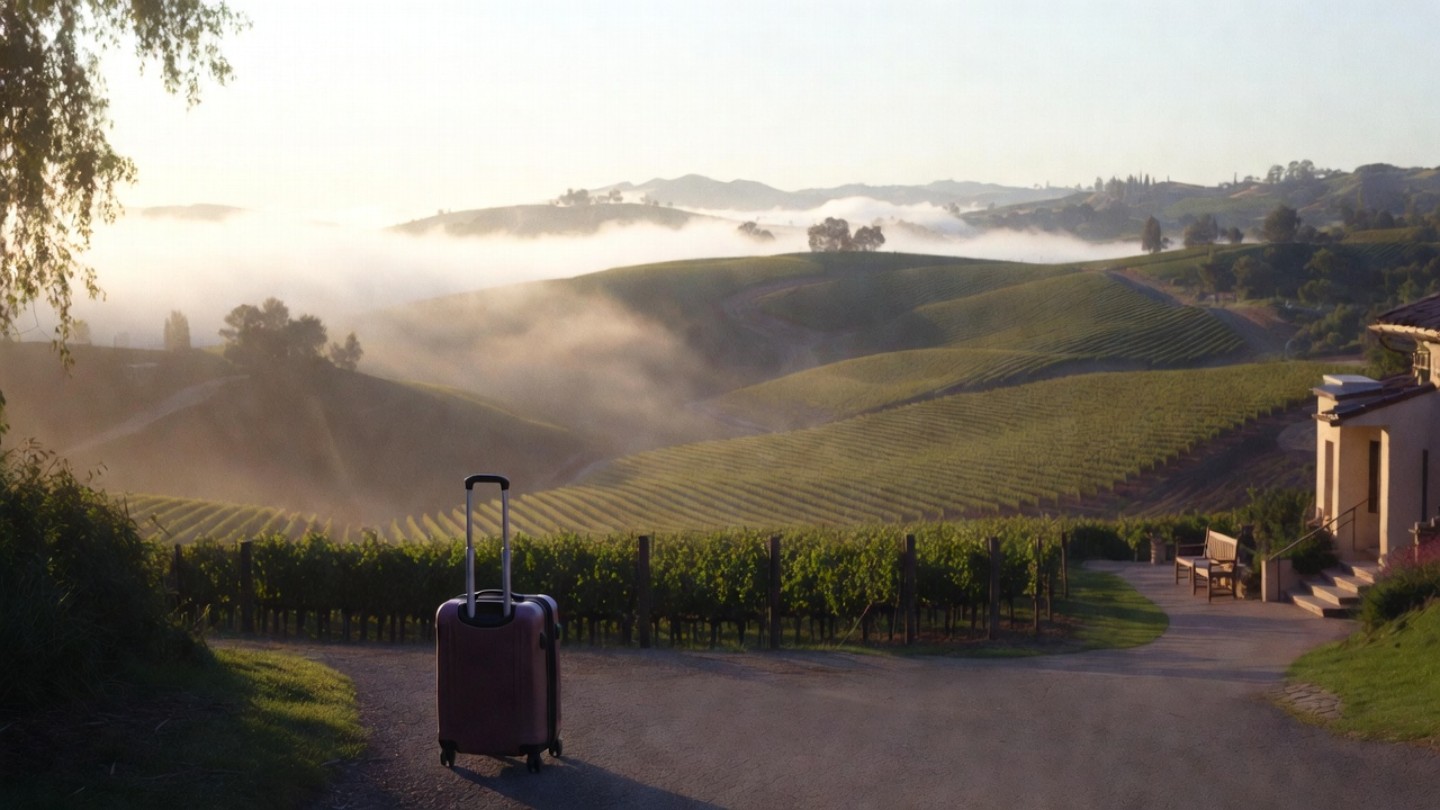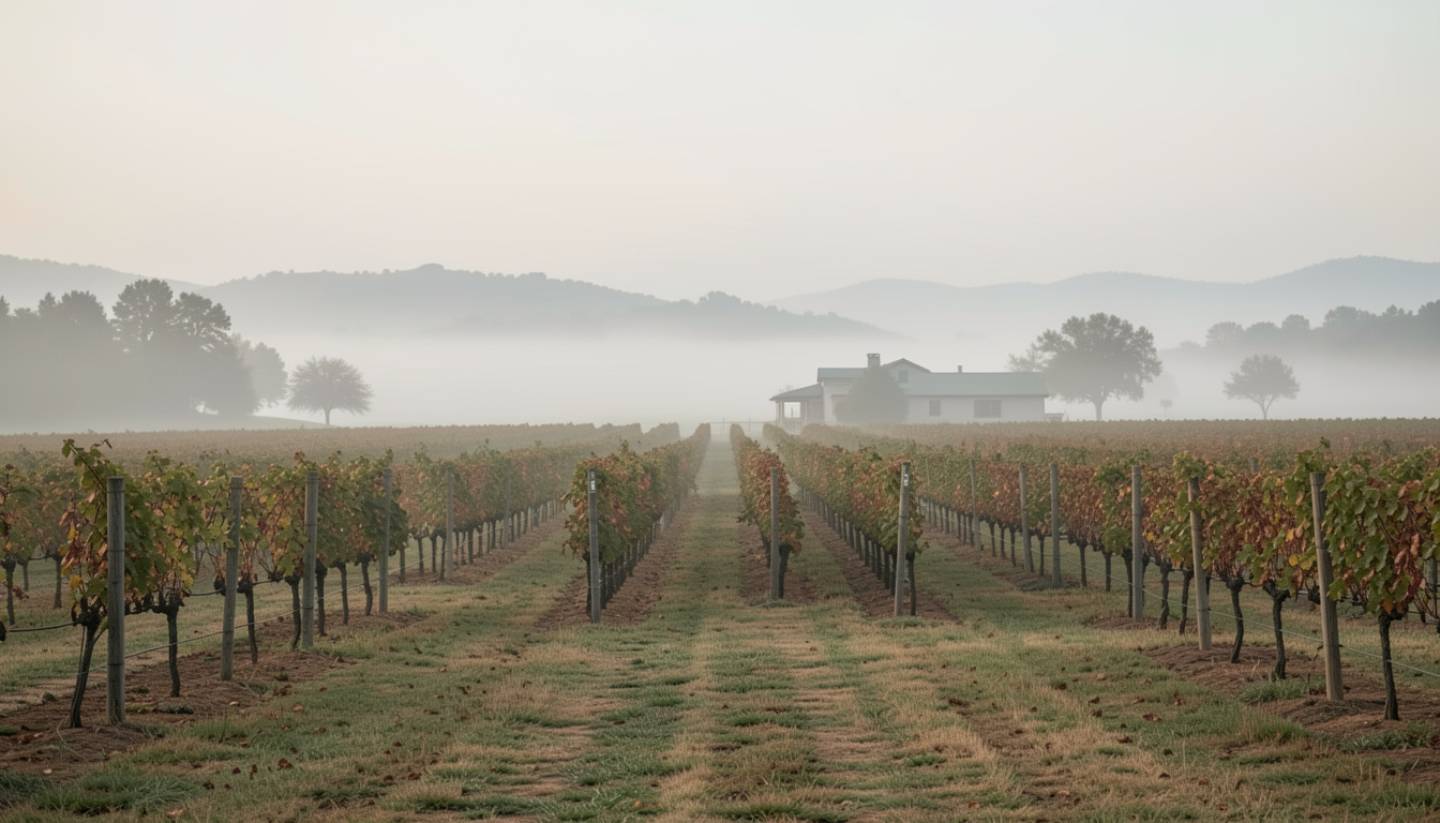
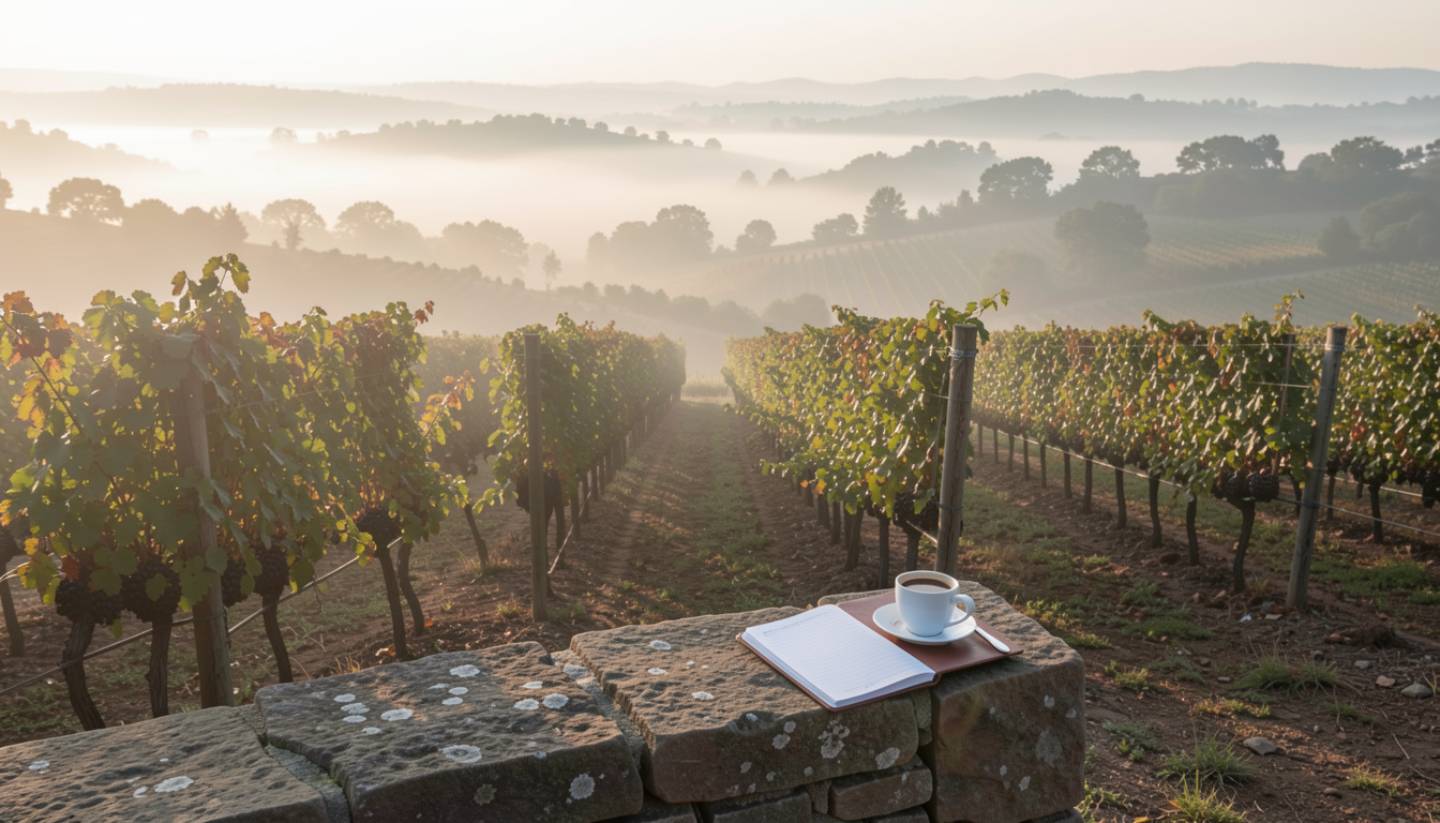
There is a quieter version of Napa Valley that reveals itself when you slow your pace enough to notice the pauses. The lift of the morning fog over the Rutherford benchlands. The way vineyard rows stack neatly, like lines waiting for words. The hush that settles into tasting rooms midweek, when conversations soften and time stretches.
For writers, poets, and journal keepers, Napa offers something rare. Beauty without pressure. You do not have to perform here. You only have to pay attention to the rhythm of the valley.
What This Experience Is Really About
This is not a productivity retreat. It is about receptivity.
Napa works for writers because it offers sensory detail without urban noise. The soundscape is quieter. The visual lines are cleaner. The days unfold at a pace that leaves room for thought. The valley gives you permission to sit, observe, and write what shows up in the spaces between experiences.
Many people come to Napa to consume. Writers come to notice.
When It Is Best
Winter, November through February
Cabernet season is also the valley’s quietest stretch. Tasting rooms slow down, hotel rates soften, and the atmosphere turns inward. It is ideal for reflection.
Mustard Season, January through March
Bright yellow blooms fill the vineyard rows. The contrast between green vines, dark soil, and mustard flowers is a gift for anyone working in description.
Midweek, year round
Tuesday through Thursday remains the truer Napa. Cafes linger longer, hosts have time to talk, and you are rarely rushed.

Where Writers Tend to Stay
Writers do best in places that feel restorative rather than buzzy.
St. Helena and Yountville inns
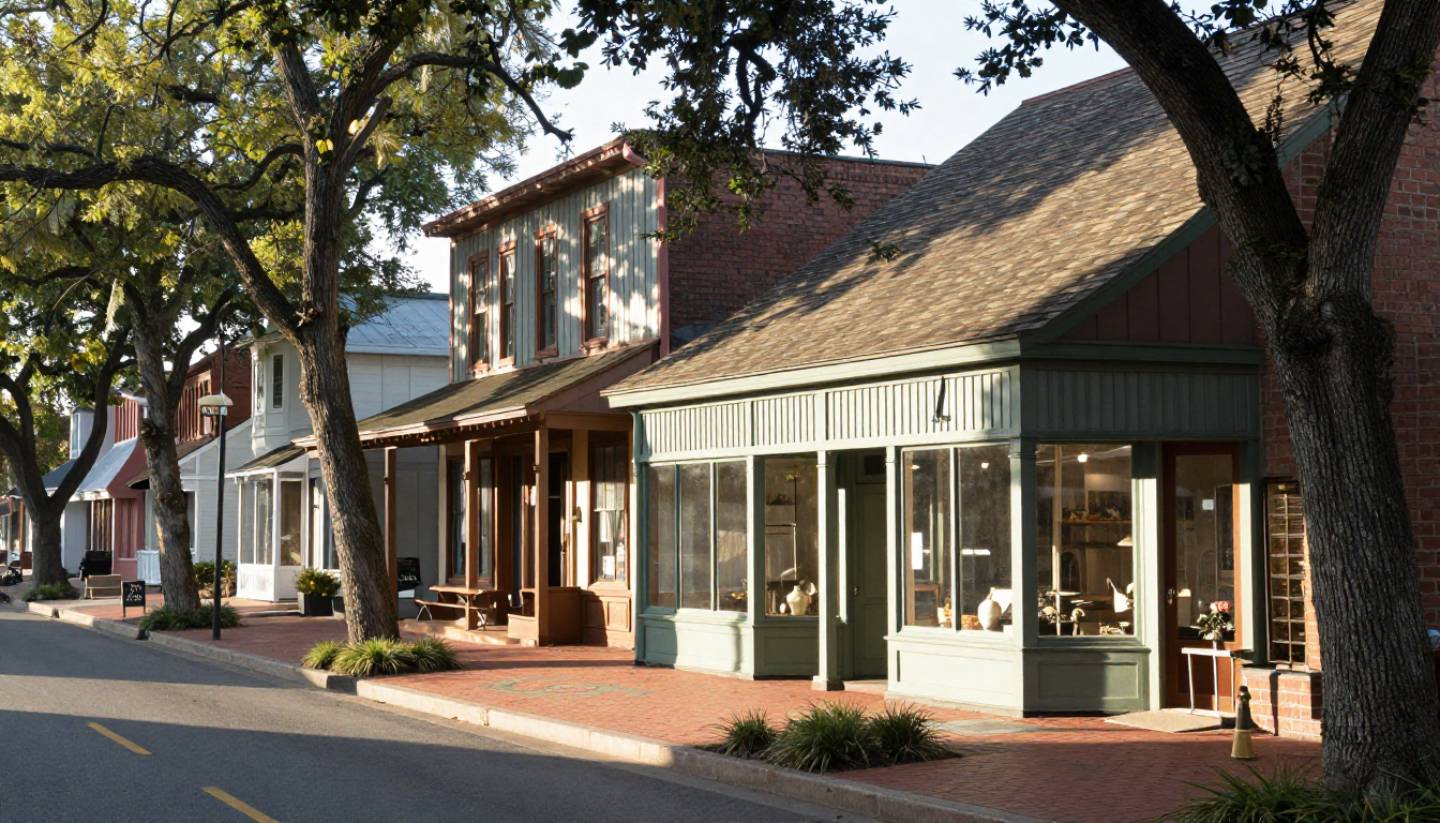
These towns offer quiet side streets, morning walkability, and enough life to observe without distraction.
Calistoga retreats
The northern end of the valley feels more rugged and elemental. It suits writers looking for deeper focus and fewer interruptions.
Look for light, outdoor space, and a chair you want to sit in longer than planned.
What Most Visitors Miss
Most visitors treat Napa like a checklist. Writers benefit from staying put.
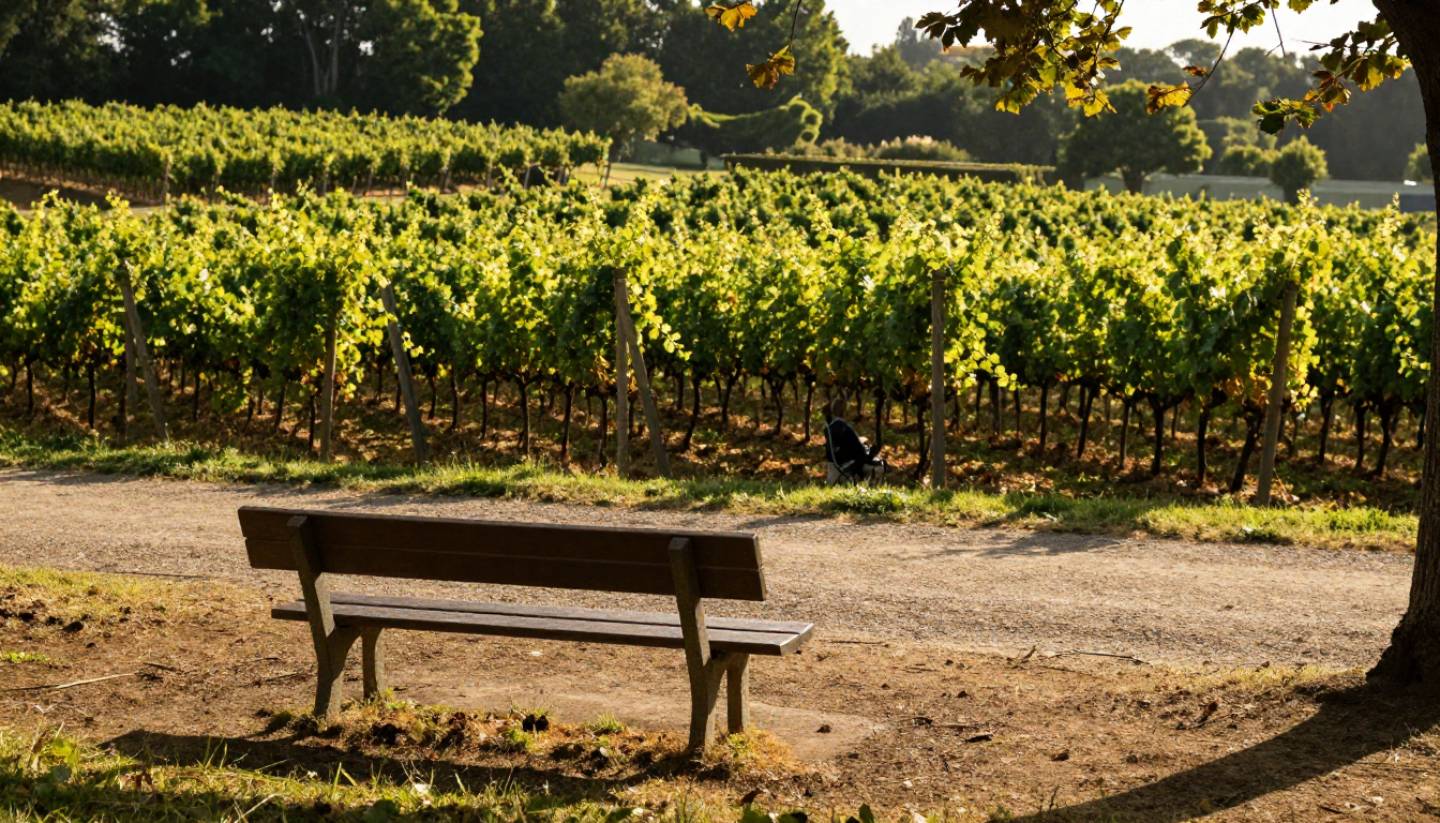
Instead of hopping between appellations, walk the same trail twice. Notice how the light shifts. Return to the same cafe. Sit on the same bench at a different hour. Repetition sharpens observation, and observation sharpens language.
My Local Notes
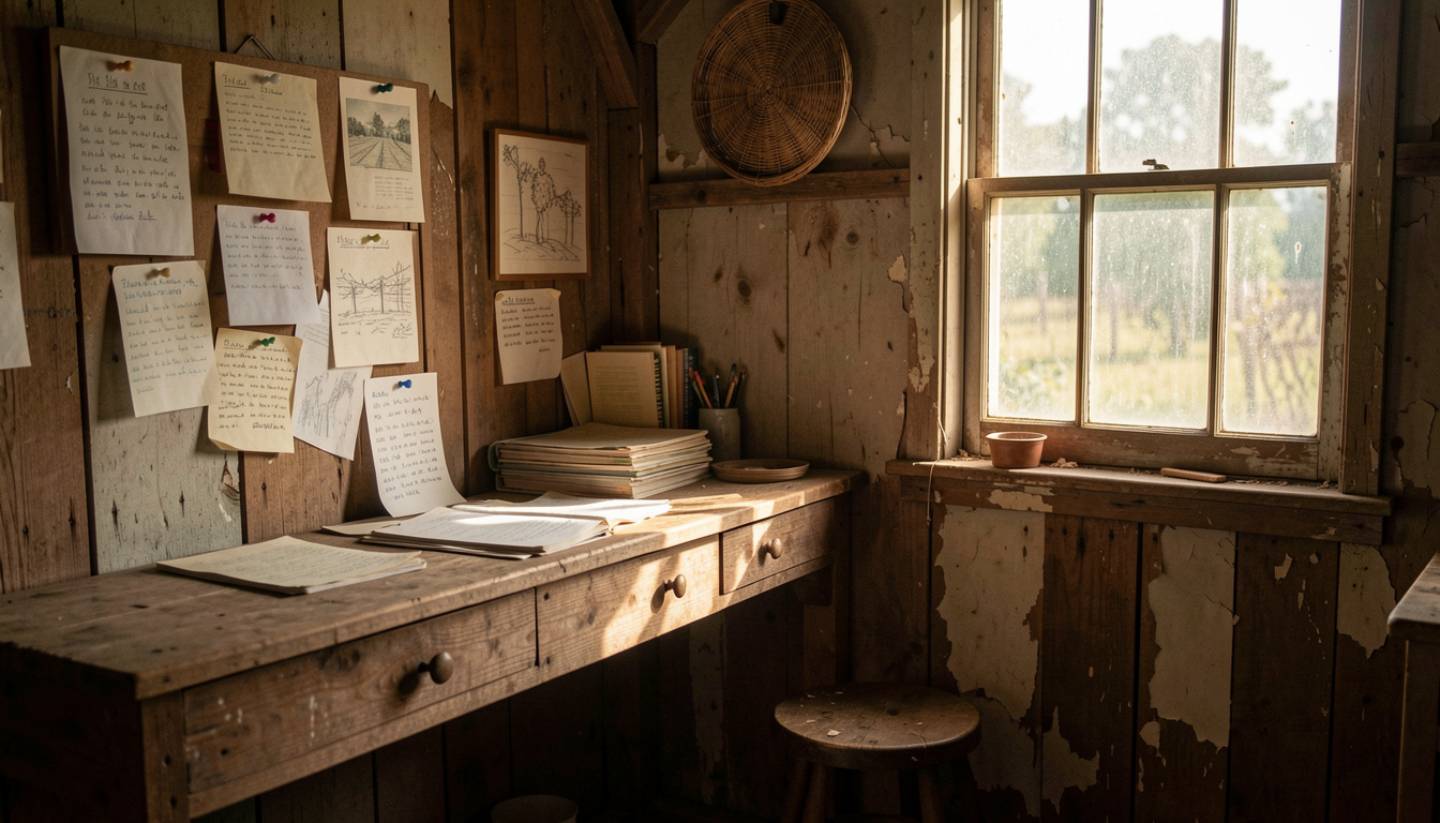
Some of my favorite writing happens before Napa feels awake. Early mornings, coffee cooling beside a notebook, vineyard rows still holding the night air.
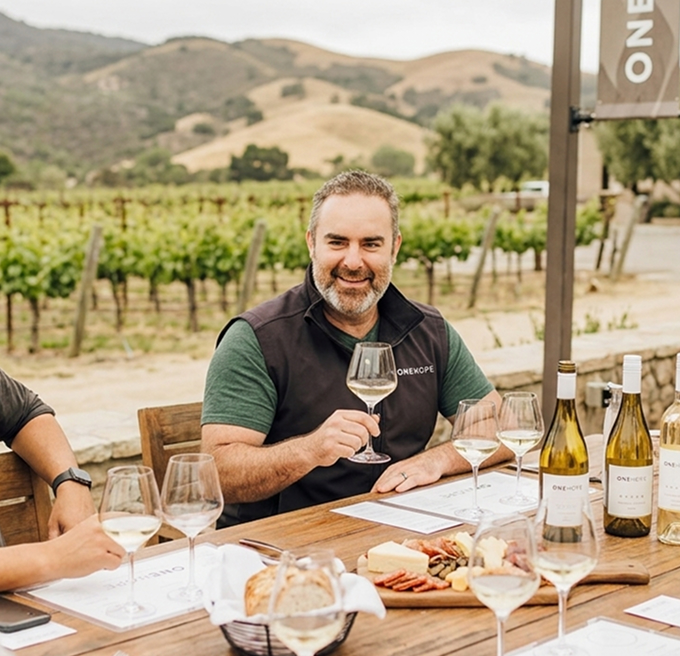
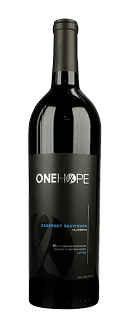
When we built Estate 8, long sightlines and intentional stillness were not design accidents. Those conditions invite reflection. ONEHOPE grew from the same instinct, using wine as a way to gather people and stories. I will admit the bias. Estate 8 is my purpose driven baby. But there is something grounding about watching the first light hit the Mayacamas that makes sentences come easier and edits feel less urgent.
A Gentle Creative Writing Itinerary
Day One, Arrival and Orientation
Arrive by mid afternoon. Take a slow walk through Oxbow Public Market. Notice the scents, the cadence of conversation, the way locals move through the space. Write a page before dinner. No editing.
Day Two, Write, Taste, Reflect
Write in the morning at a quiet cafe like Model Bakery or Southside in Yountville. Schedule one historic tasting in the afternoon, places with stories baked into the walls rather than flash. Spend the evening journaling impressions instead of revising.
Day Three, Leave Inspired
Walk Alston Park early. Watch the hot air balloons lift over the valley. It is one of Napa’s simplest metaphors for a story finding its altitude. Leave before the feeling wears off.
Where to Eat and Write
- The Model Bakery in St. Helena or Yountville for people watching and unforced energy
- Market in St. Helena for a long, generous lunch that never feels performative
- Charter Oak for its hearth, restraint, and connection to the land
Choose places that let you linger without needing to explain why.
How to Make It Memorable
Bring a notebook even if you plan to type.
Write before you taste.
Let wine be punctuation, not the headline.
Leave space in the day on purpose.
Napa does not rush creativity. It waits.