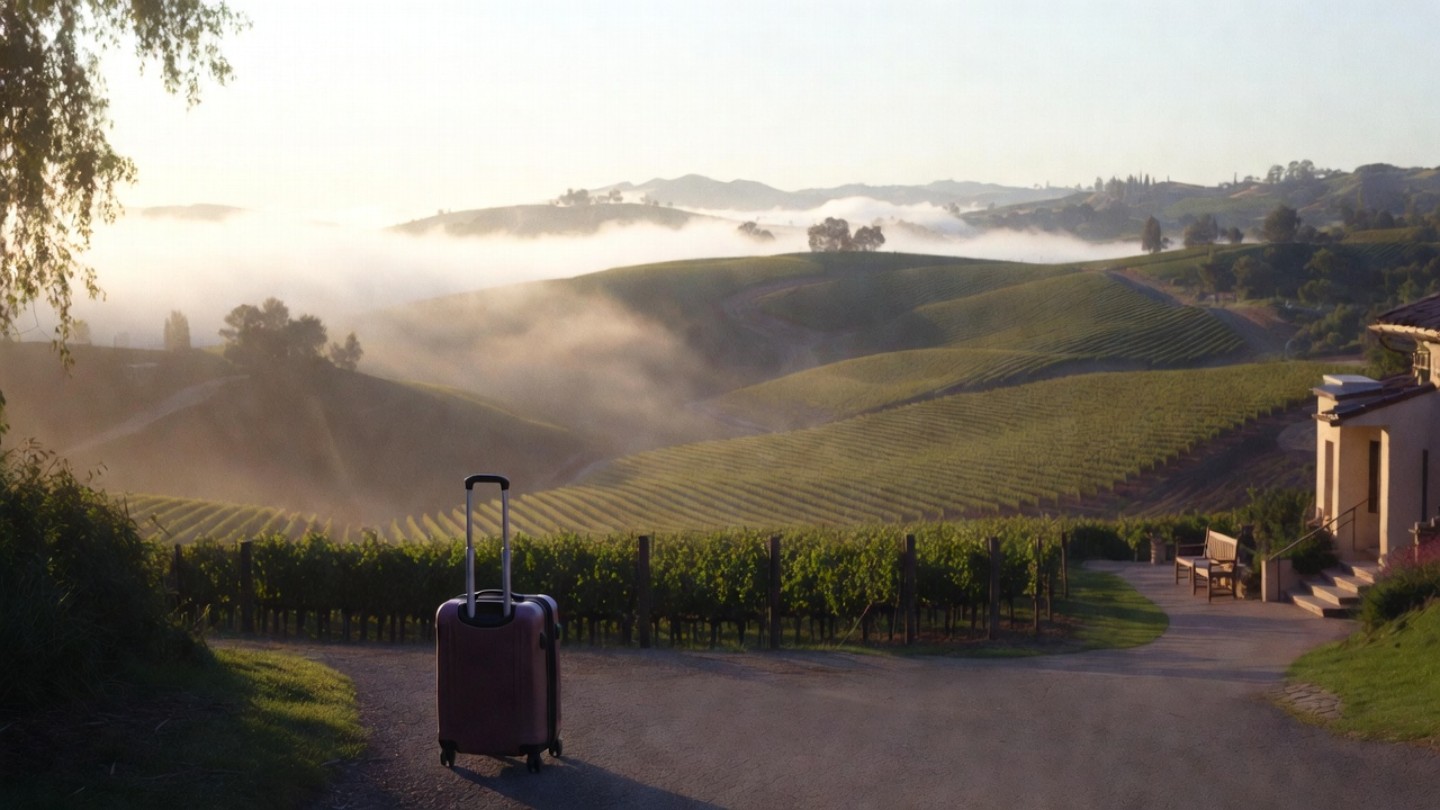
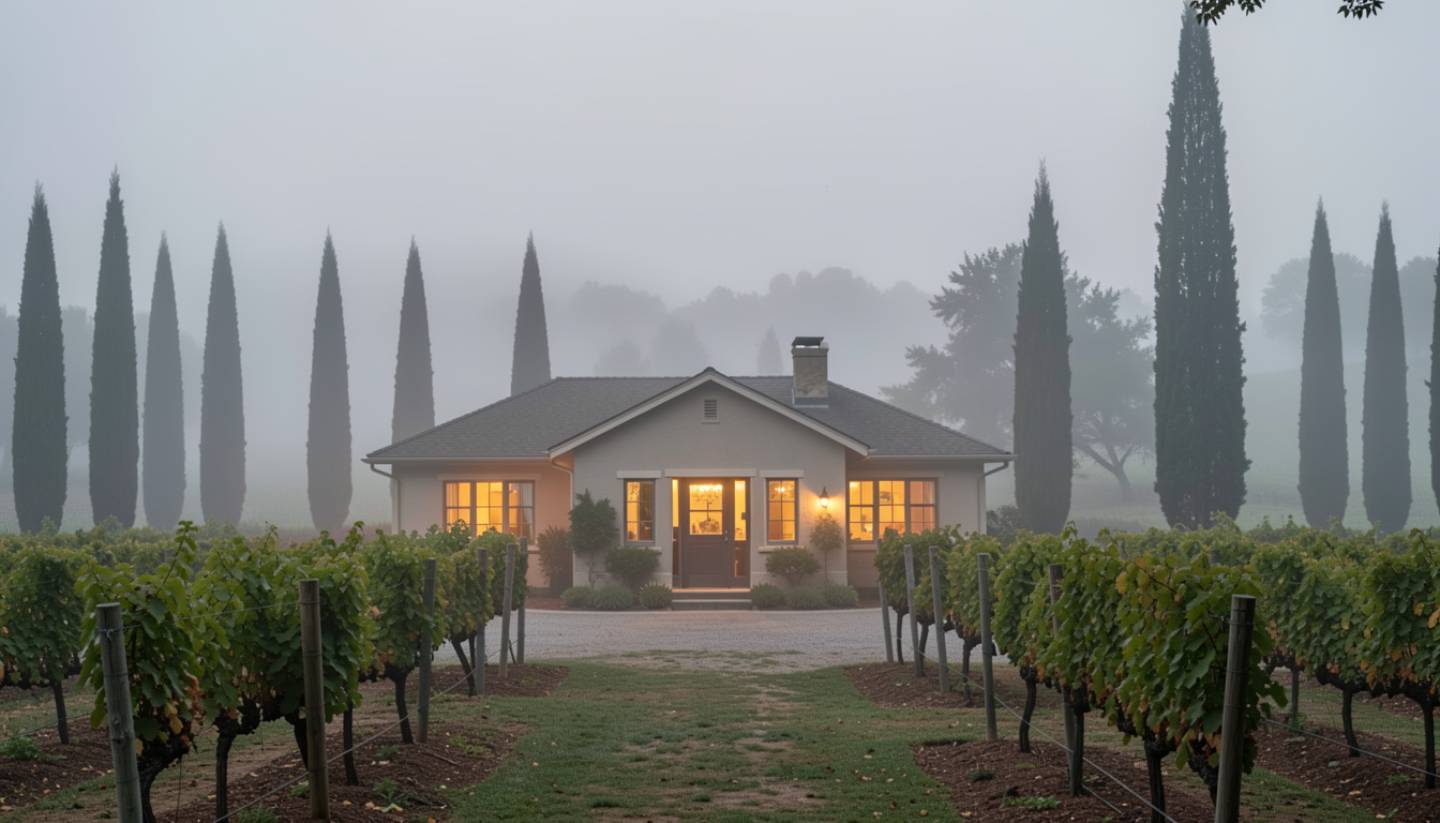
There is a certain kind of traveler who never looks for the biggest pool or the longest spa menu. They look for places that feel intentional. Places where someone remembers your name, where mornings are quiet, and where the property feels connected to the land. Napa Valley has always been well suited to this kind of stay. Long before large resorts arrived, Napa was built on small inns, family run lodgings, and places designed for rest rather than spectacle.
What This Experience Is Really About
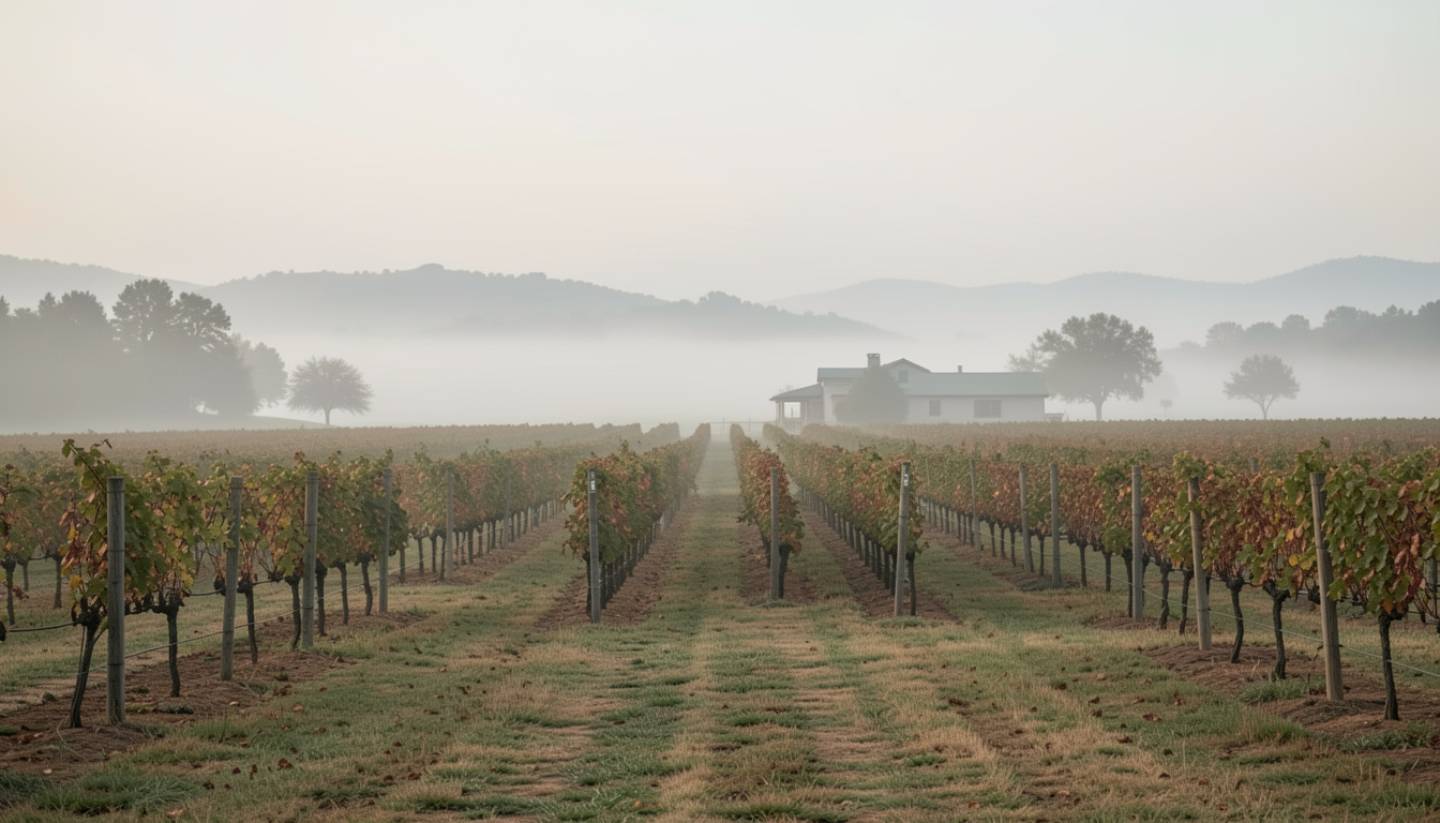
Choosing a boutique hotel in Napa is about scale and intention. It is about waking up to the fog lifting off the Rutherford benchlands without background noise, lingering over coffee, and feeling oriented to the valley instead of insulated from it. These places invite you into the local rhythm rather than pulling you inward with amenities.
For those of us who grew up here, this is how hospitality has always looked. Personal. Calm. Rooted in place.
When It Is Best
Midweek stays
from Tuesday through Thursday allow small properties to offer their best rooms and the most attentive hosting.
Spring and fall
balance comfortable weather with a relaxed, lived in energy.
Winter
brings fireplaces, quiet mornings, and an almost residential feel to small inns.
Early mornings
matter more than late nights when your stay is designed around rest and light.
What Most Visitors Miss
Large resorts tend to pull travelers inward. Boutique hotels push you outward. You walk to dinner in Yountville. You notice how the light shifts across the Mayacamas. You step outside and immediately feel the valley.
Because many boutique properties sit near vineyards or historic town centers, you spend less time driving and more time wandering.
My Local Notes
When friends ask me where to stay, I usually ask one question first. Do you want to be entertained, or do you want to feel like you are actually here. If the answer is the second one, I point them toward smaller properties.
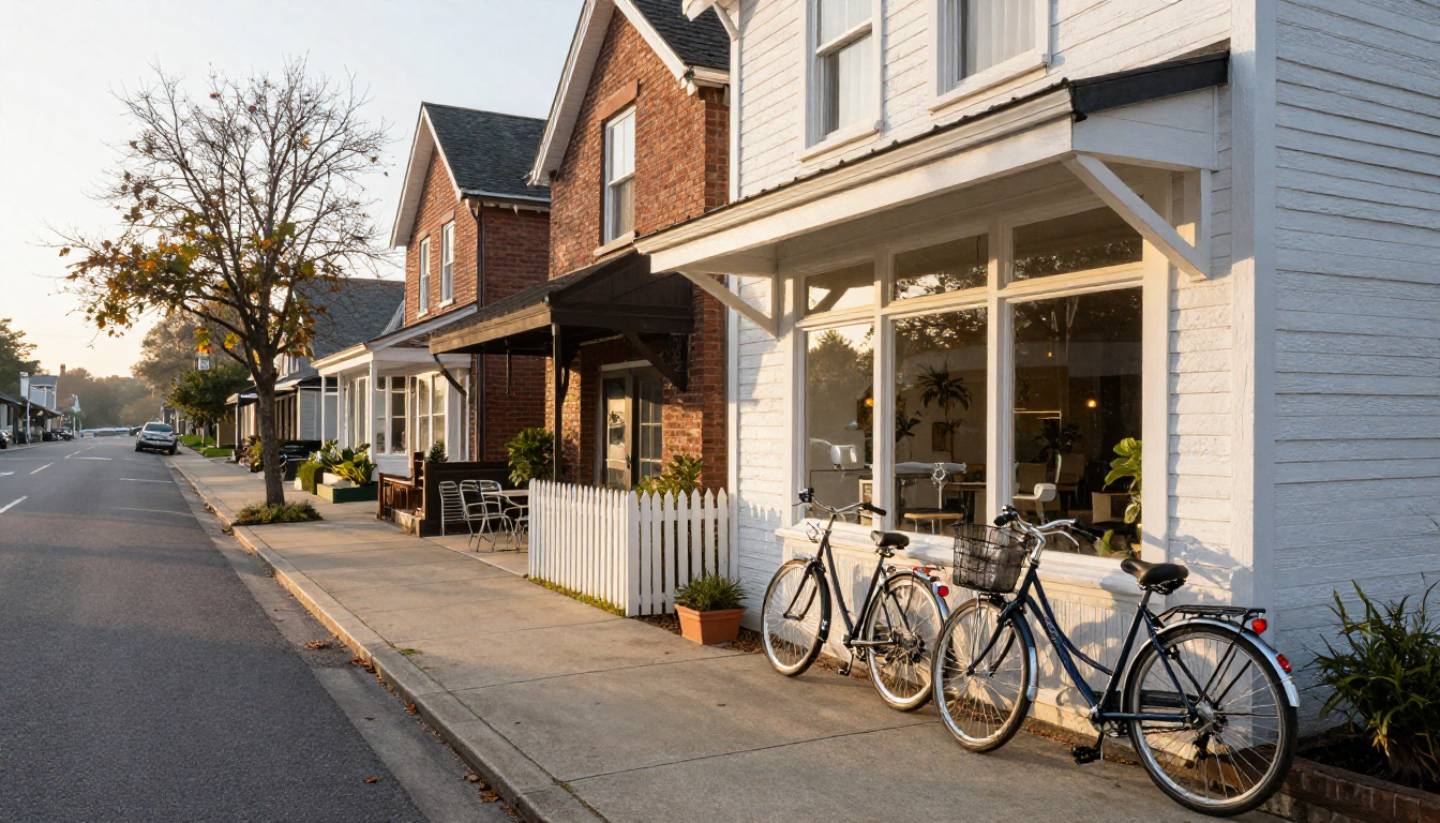
Some of my favorite Napa mornings started in places where breakfast was served quietly, bikes leaned against wooden fences, and the only decision was which direction to walk. That is when the valley opens up.
Where Boutique Hotels Shine in Napa
St. Helena
offers walkable streets, early commercial wine history, and easy access to Rutherford and Calistoga.
Yountville
is refined but human scale, ideal for walking to dinner and sleeping somewhere calm.
Calistoga
feels laid back and restorative, with small inns that emphasize space and quiet.
The Silverado Trail corridor
delivers vineyard adjacency, softer mornings, and less traffic than Highway 29.
What to Look For in a Boutique Stay
Low room counts that preserve quiet.
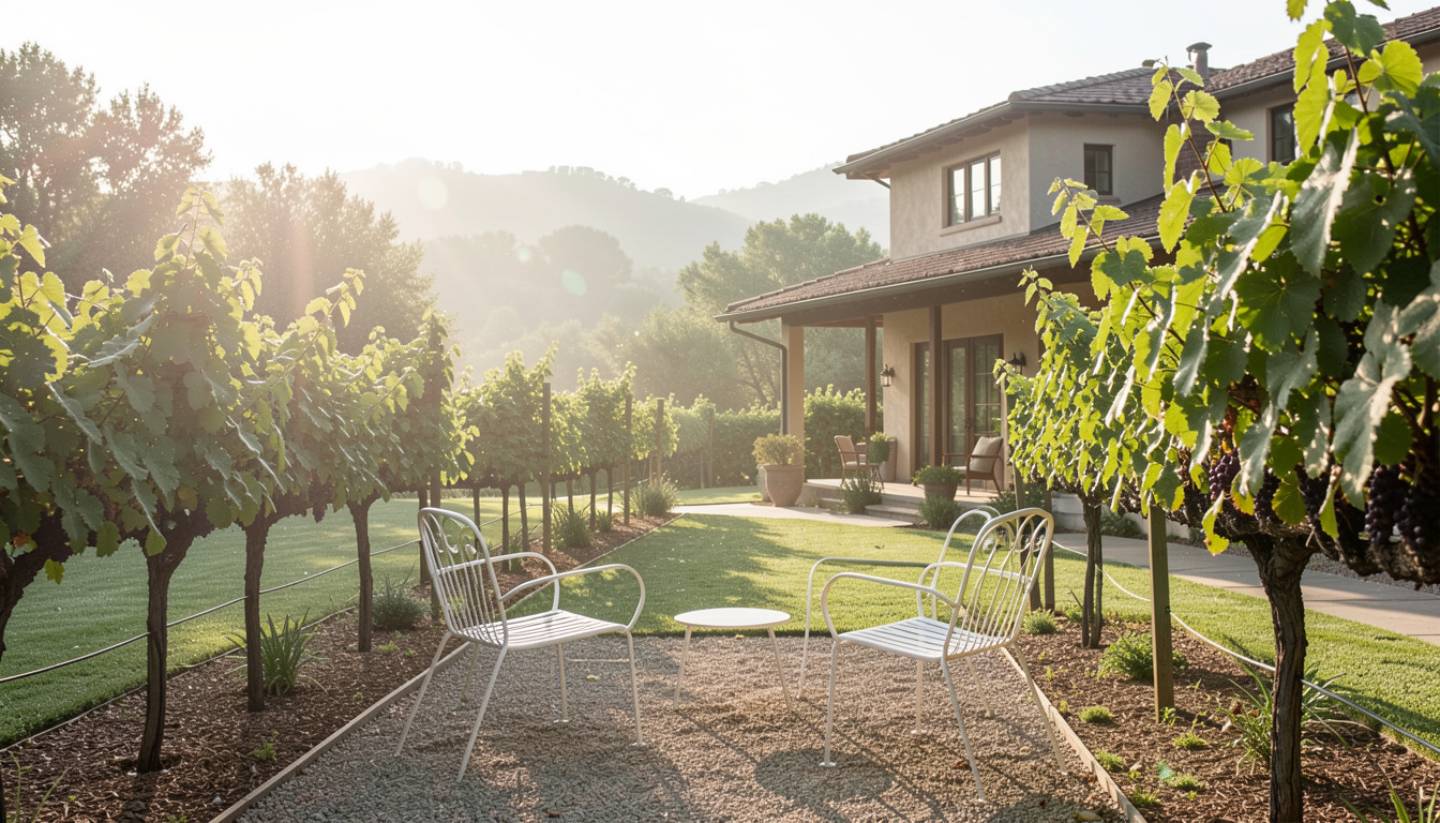
Outdoor spaces that are usable rather than decorative.
Hosts who give directions like five minutes north on Silverado Trail instead of handing you a brochure.
Materials that reflect Napa itself, wood, stone, and natural light.
Locations that encourage walking or slow driving.
If You Only Have One Night
Choose location over amenities. Stay close to where you plan to spend the morning. A calm night and an easy start often matter more than an extra service.

If You Have a Few Days
Let the hotel set your pace. Wake early to watch the fog lift. Come back midday when the valley warms. Step out again in the evening as the light softens. Boutique properties support this rhythm naturally.
A Gentle Personal Note
I will admit a little bias here. Estate 8 was created with the same philosophy that makes boutique hotels work. Thoughtful scale. Open air. Space to breathe. It is my passion project, shaped by a belief that hospitality should feel personal rather than programmed. Napa has always done its best work at this human scale.
Small Histories
Before Napa became a global destination, travelers stayed where there was room. Farmhouses. Small inns. Converted homes. Hospitality here grew from welcoming people into existing spaces, not building monuments to tourism. Boutique hotels are simply a continuation of that original approach.