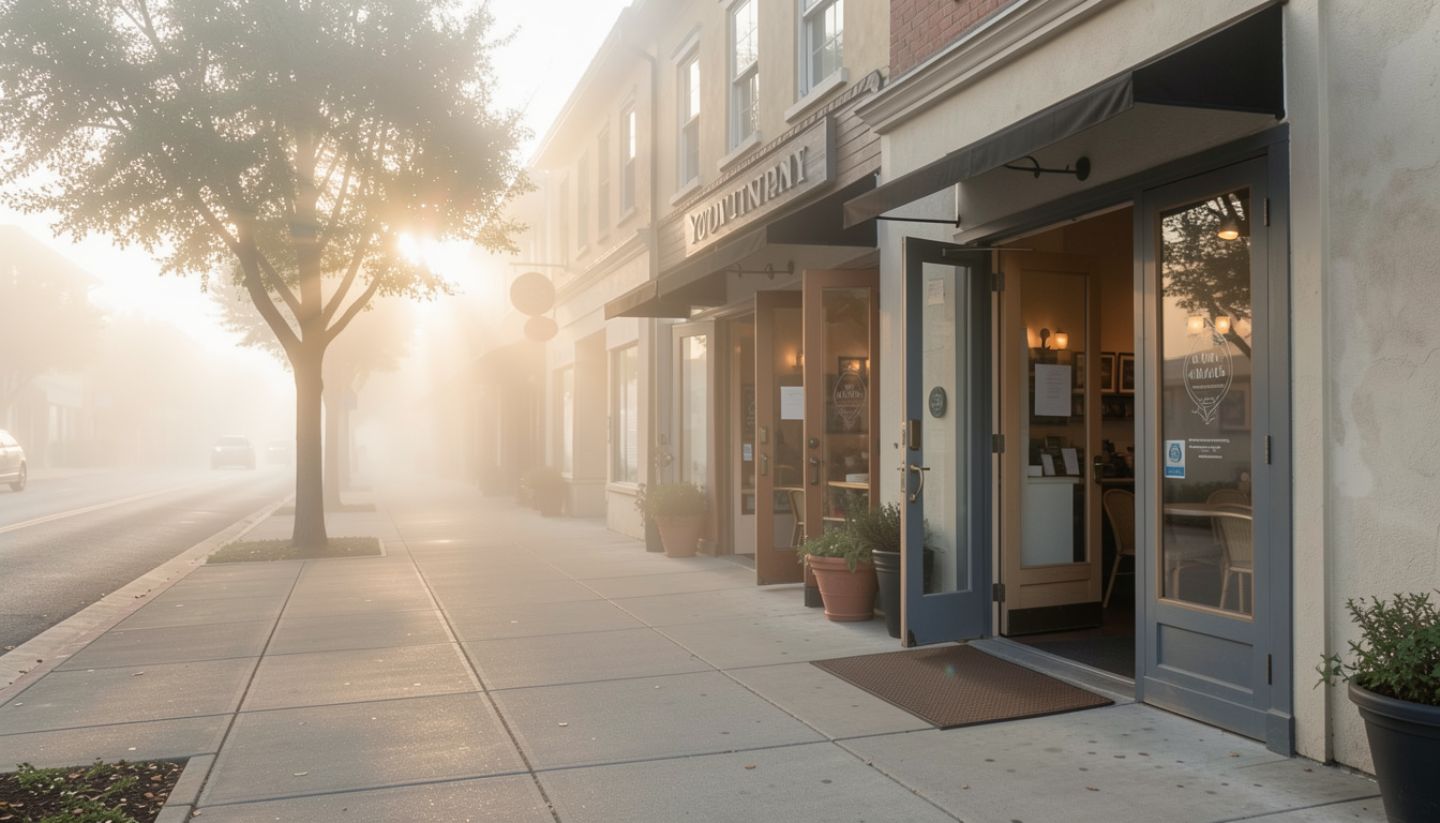
Some of the best moments in Napa Valley happen on foot. Not in tasting rooms. Not behind a windshield. But on quiet sidewalks where mornings start slowly, shop doors open one by one, and the smell of coffee drifts ahead of you before you ever see the café. Napa’s small towns were built to be walked, long before itineraries and reservations took over. If you love wandering without a destination, letting a place reveal itself block by block, this valley meets you at the right pace.
What This Experience Is Really About
Walking Napa’s towns is about proximity. Everything feels close enough to notice. The lift of the morning fog. Snippets of conversation between neighbors. The quiet rhythm of who actually lives here. You start to see that the valley is less about spectacle and more about continuity.
A good walk might include a bakery stop, a shaded bench, a few blocks of shops you did not plan to enter, and a long pause when the early evening light settles in just right. Nothing is rushed. Nothing needs to be optimized.
When It Is Best
Early mornings
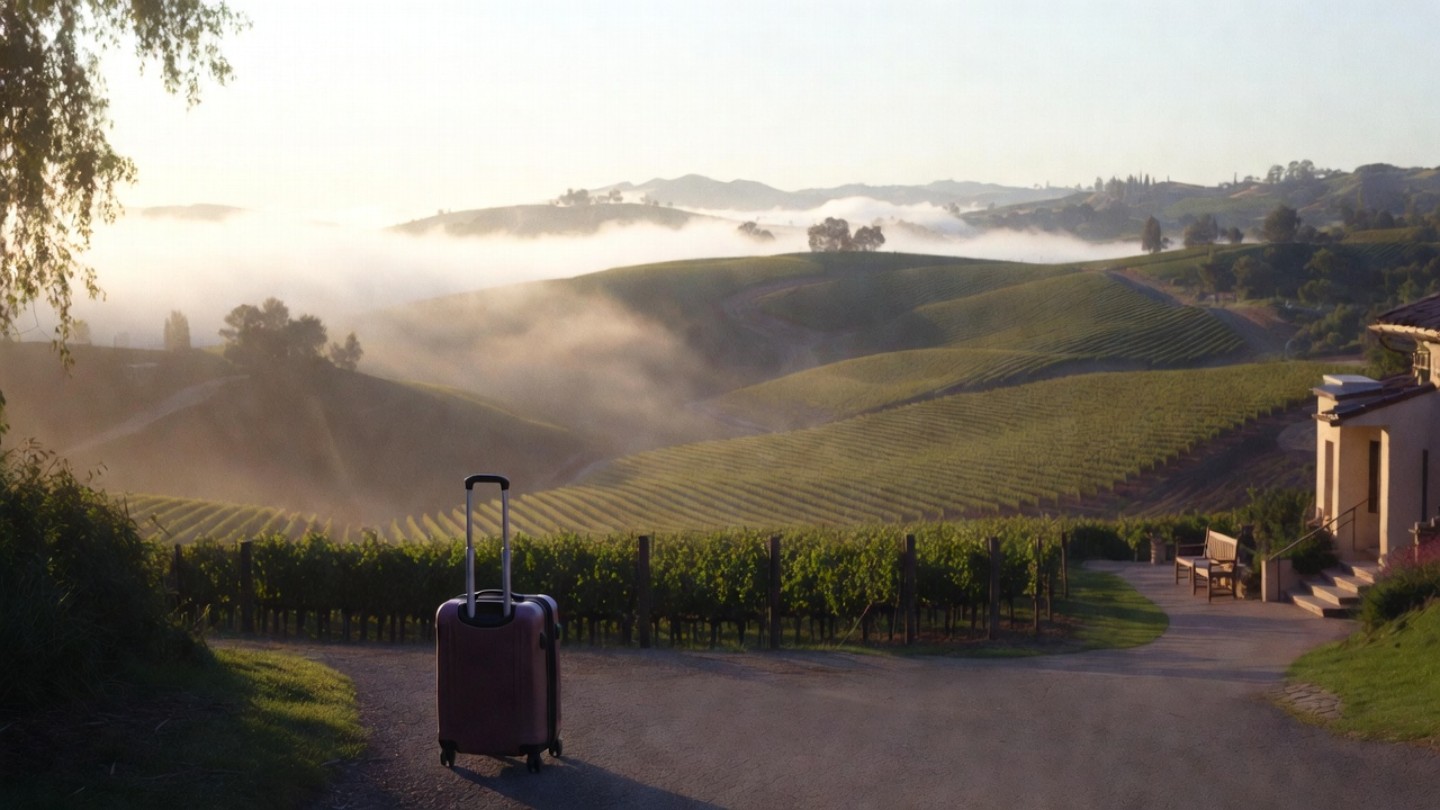
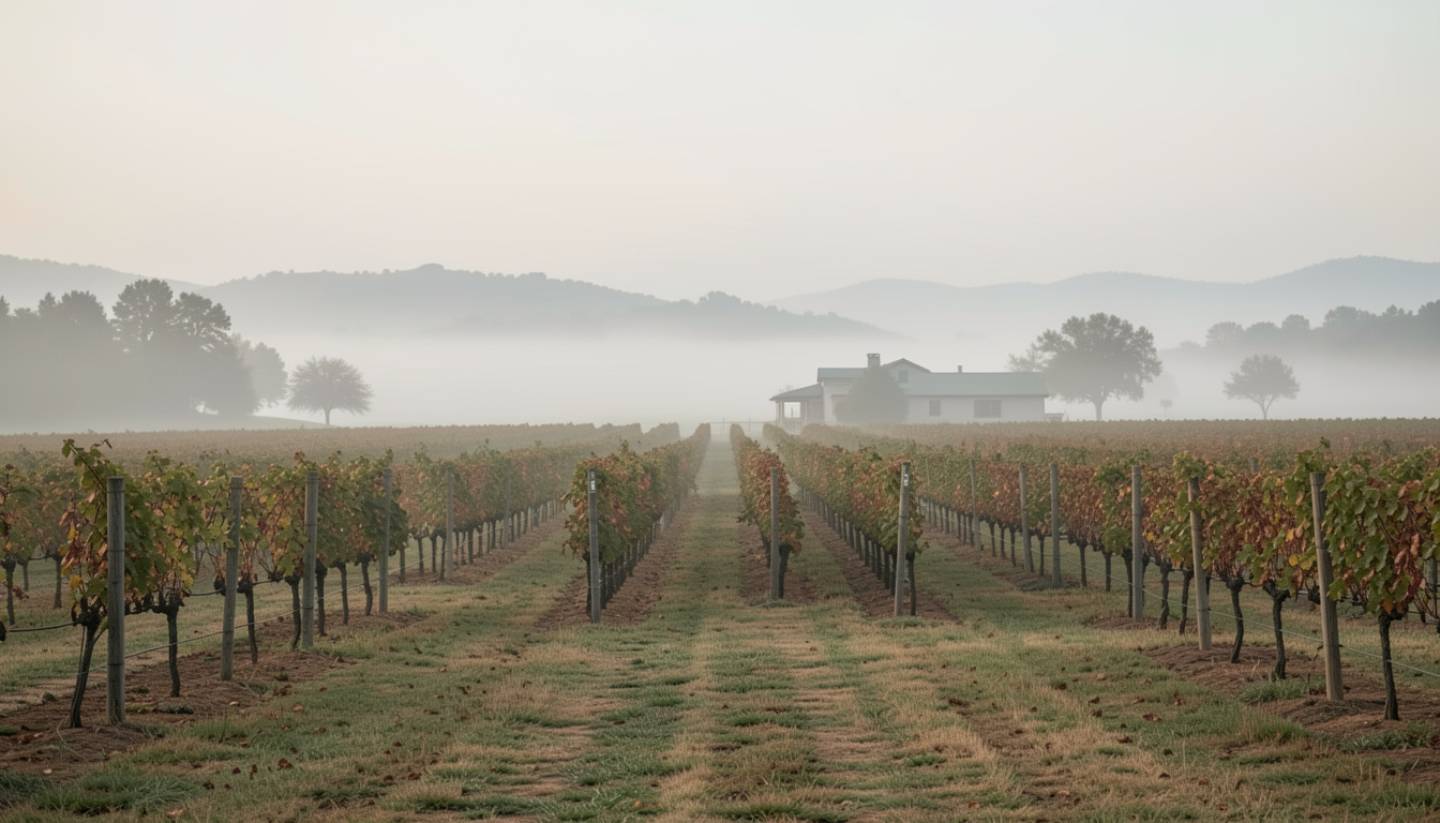
are when towns belong to locals and the fog still drapes the Rutherford benchlands.
Midweek
brings sidewalks that feel lived in rather than crowded.
Spring and fall
offer comfortable temperatures and long walking windows.
Winter
is quiet and cozy, perfect for slow loops and coffee breaks between rain showers.
What Most Visitors Miss
Many visitors drive straight through these towns on the way to wineries. They miss the fact that Napa’s personality lives at street level. Walking reveals rhythm. Who opens early. Who lingers. Which corners catch the afternoon sun. The valley makes more sense when you stop moving fast enough to notice repetition.
My Local Notes
Some of my favorite Napa mornings start with no plan beyond a walk. I grab a coffee, head down a familiar street, and let the town wake up around me. I have had more meaningful conversations leaning against storefronts than sitting at tasting bars. Walking removes the performance. People talk because there is time.
The Best Small Town Walks in Napa Valley
Yountville
Flat, polished, and perfectly scaled. Yountville is ideal for relaxed loops that include bakeries, cafés, and shaded benches. You can walk from breakfast to lunch without ever feeling like you need to hurry. The town invites lingering.
St. Helena
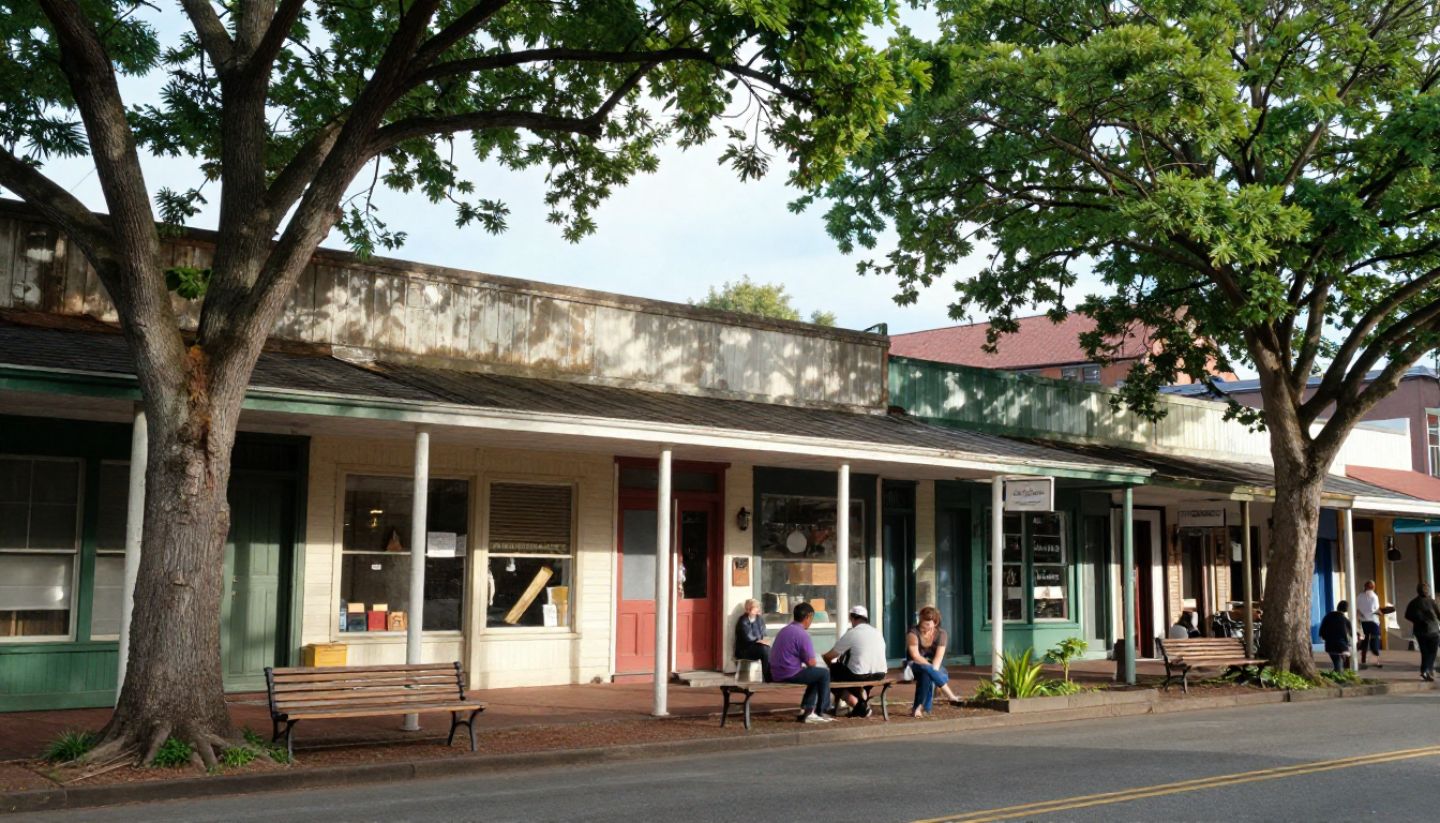
This is Napa’s historic heart. Main Street walks feel authentic and uncurated. Hardware stores sit next to tasting rooms. Locals run real errands here. Walk slowly and notice how agriculture and commerce still share the same block.
Calistoga
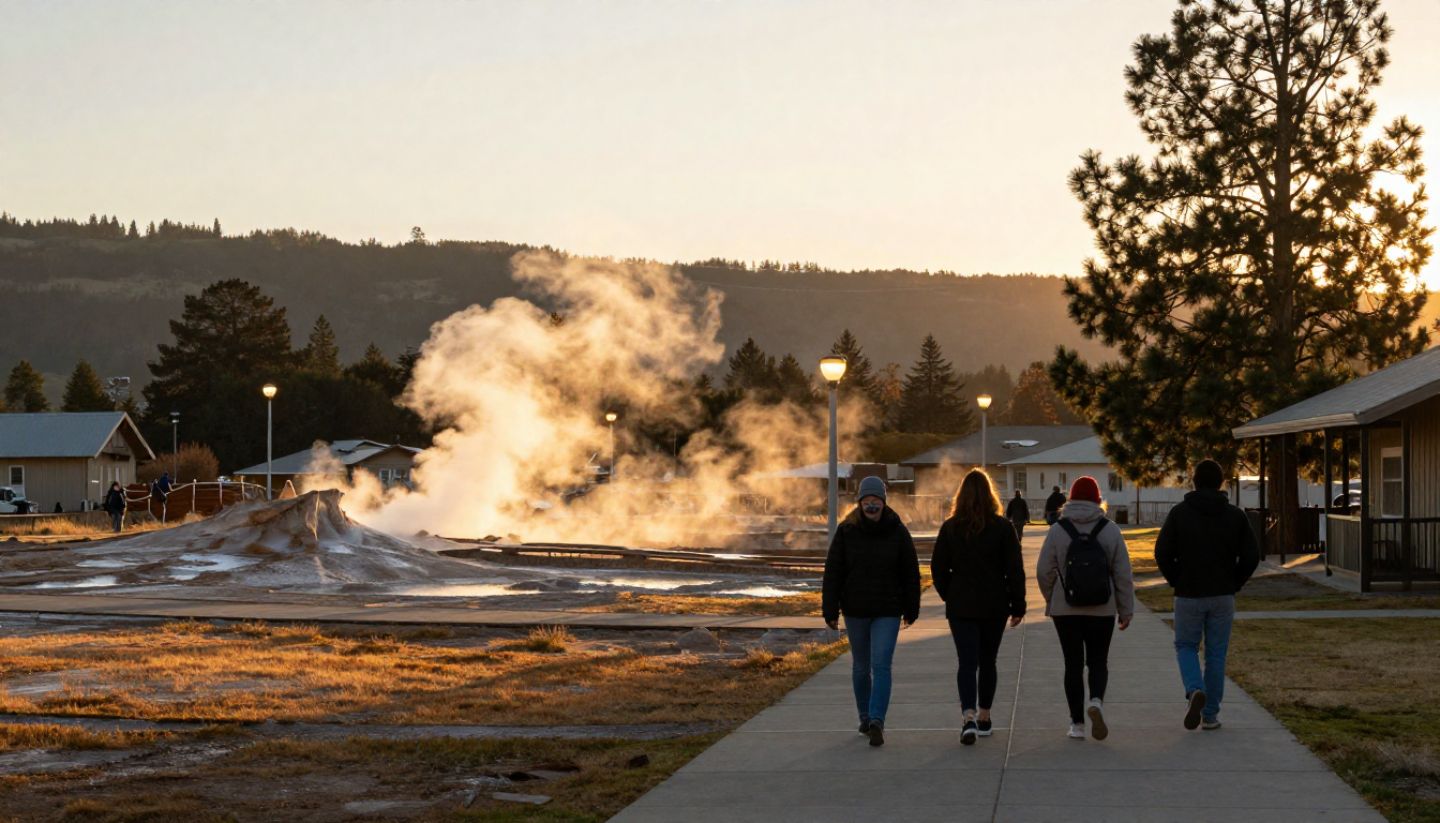
Looser and more casual. Walks here are about geothermal steam rising from the ground, easy conversations, and a sense that no one is trying too hard. Late afternoon strolls toward the base of Mount St. Helena feel especially natural.
Downtown Napa
Best for longer walks. Riverfront paths, markets, and casual food stops create the most variety. Pair town streets with the nearby Vine Trail for a full morning on foot.
How to Plan a Walkable Napa Stay
Choose lodging within a few blocks of town centers.
Start early and let the walk shape the day.
Avoid scheduling tastings until after noon so mornings stay open.
Build in sit down pauses, not just destinations.
Wear shoes meant for wandering, not posing.


Where to Stay If Walking Is the Priority
Boutique inns and small hotels in town centers work best. Being able to step outside and immediately join the rhythm of the street matters more than distant views. Walkability creates spontaneity, and spontaneity is where Napa feels most real.
A Gentle Personal Note
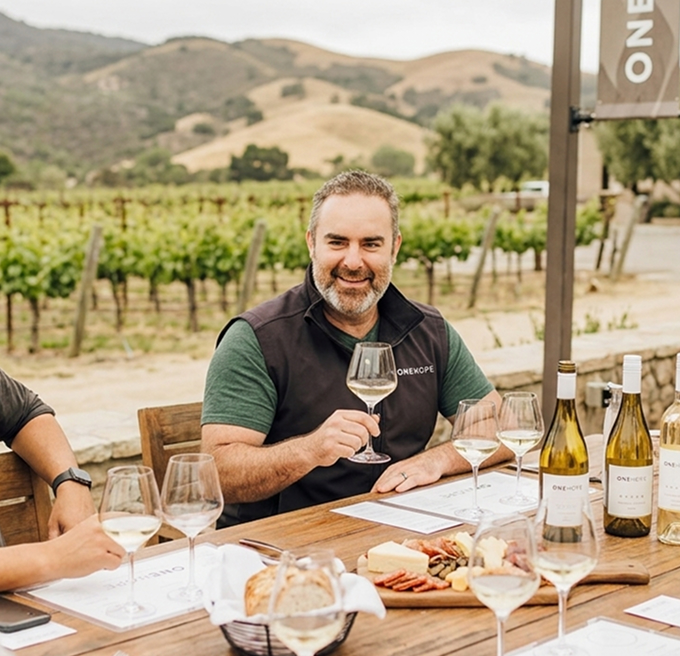
I will admit a little bias here. Estate 8 and ONEHOPE were designed to feel connected rather than removed, with open space that invites movement instead of confinement. It reflects how I believe Napa should be experienced, slowly, on foot when possible, with time to notice the details that disappear when you rush. It is my passion project, rooted in the idea that hospitality should feel like an extension of place, not an interruption.
Small Histories
Before Napa was a destination, these towns were service centers for farmers and families. Walking was the default. You went into town because you needed something, and you stayed because you ran into someone you knew. That spirit is still here if you choose to move at the same speed.