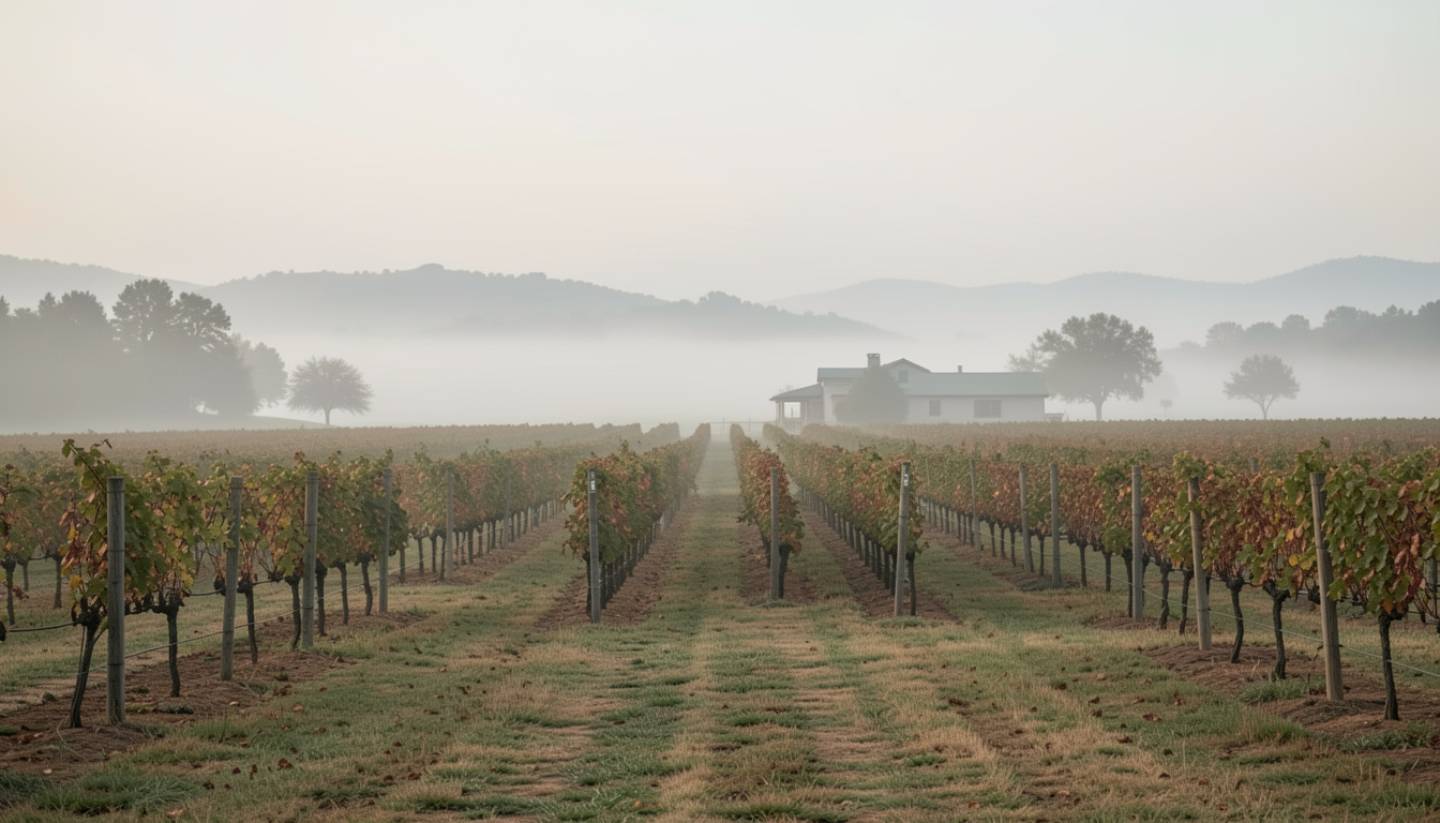
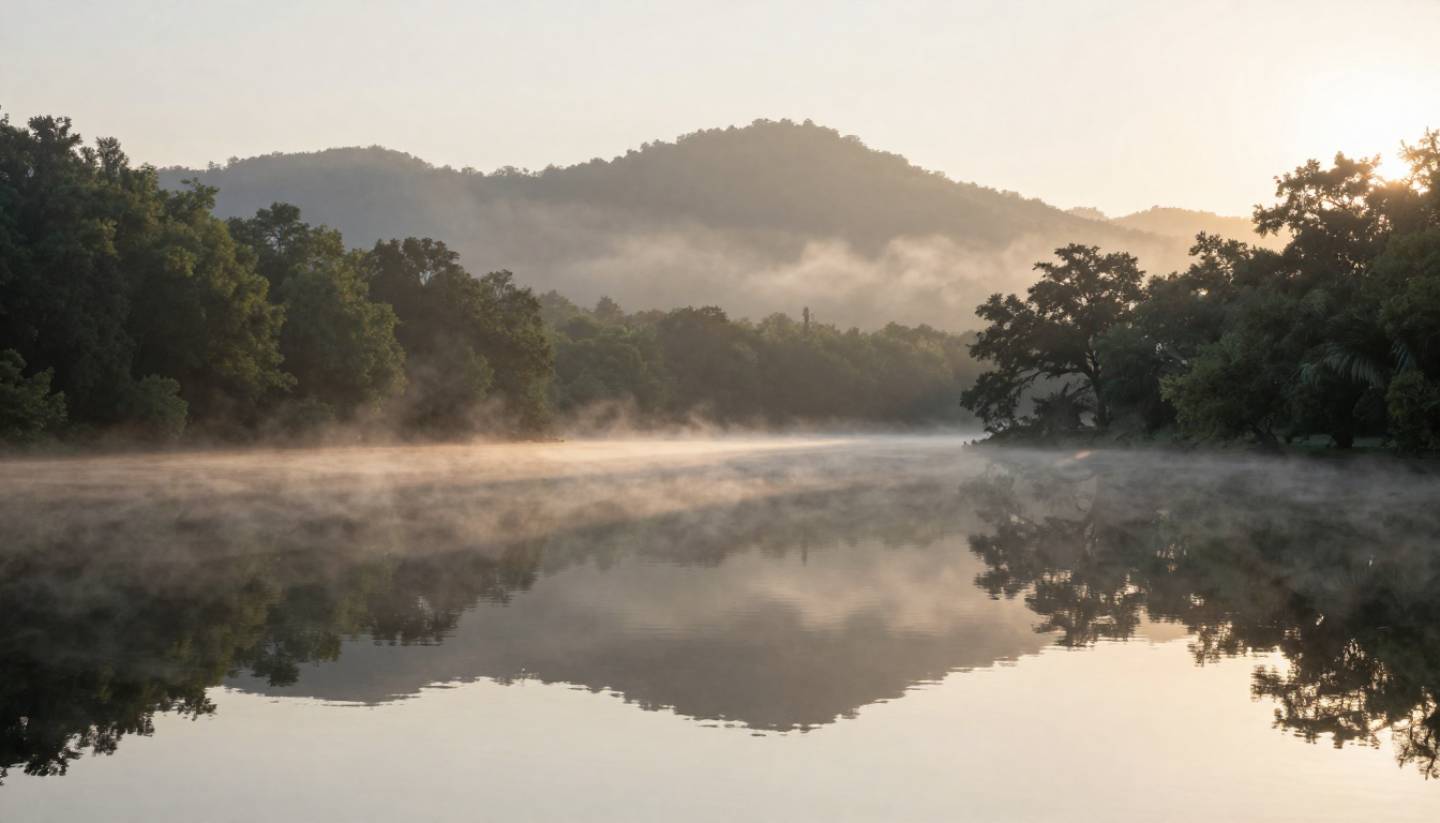
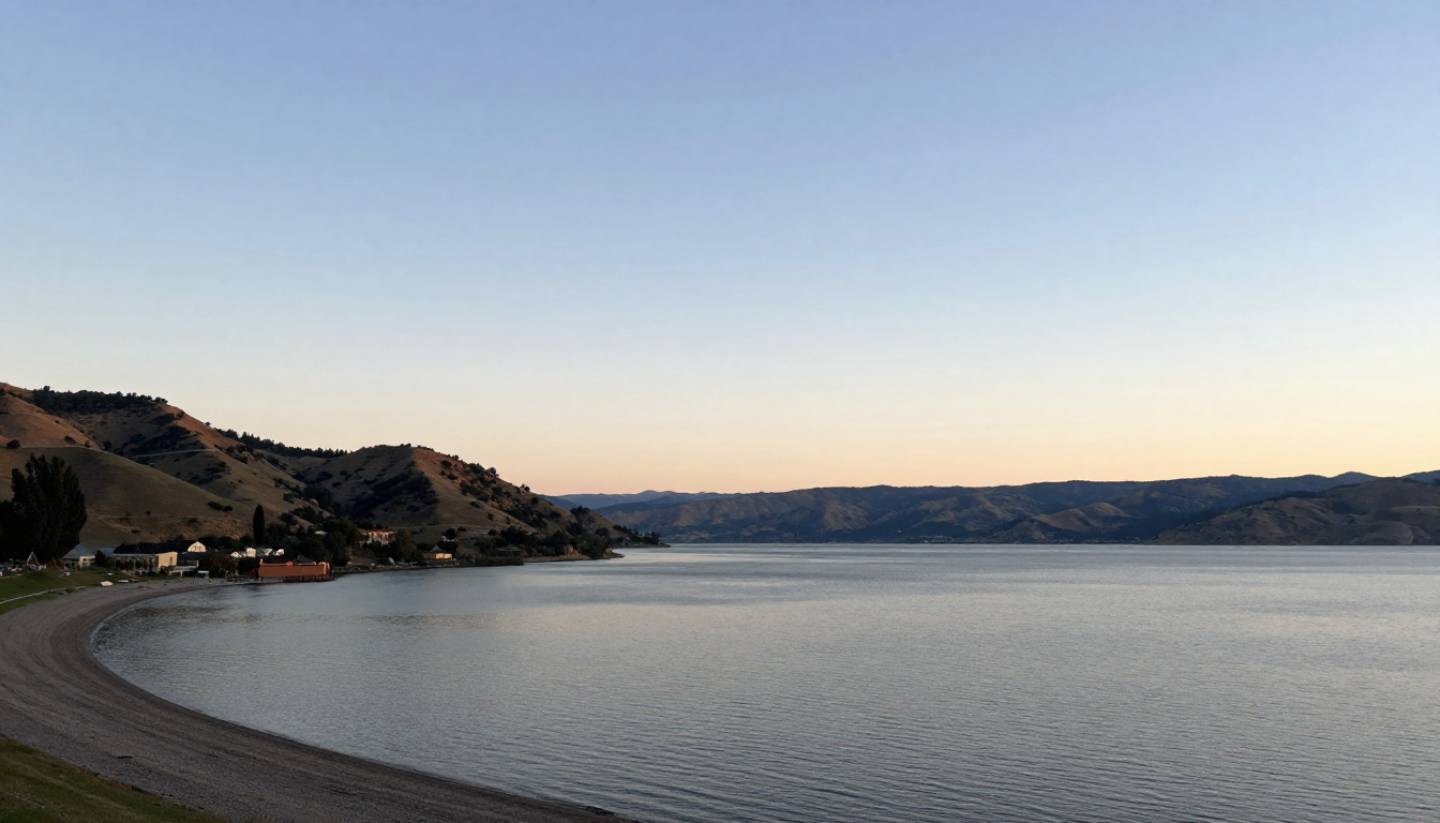
There is a side of Napa Valley that does not announce itself with vineyard gates or tasting notes. It shows up in still water, early light, and the kind of quiet that naturally slows your breathing. Lakes here are not recreation hubs. They are pauses in the landscape. Morning fog lifts without urgency, and the last light of day settles gently on the surface. For travelers drawn to quiet lakes and reflection, Napa offers a counterbalance to the valley’s more celebrated rhythms.
What This Experience Is Really About
Napa’s lakes are part of the valley’s agricultural backbone. They regulate flow, protect water quality, and quietly support the vineyards below. Because of that role, they remain protected, understated, and deeply peaceful.
- Stillness over spectacle: No boardwalks, no noise, no rush.
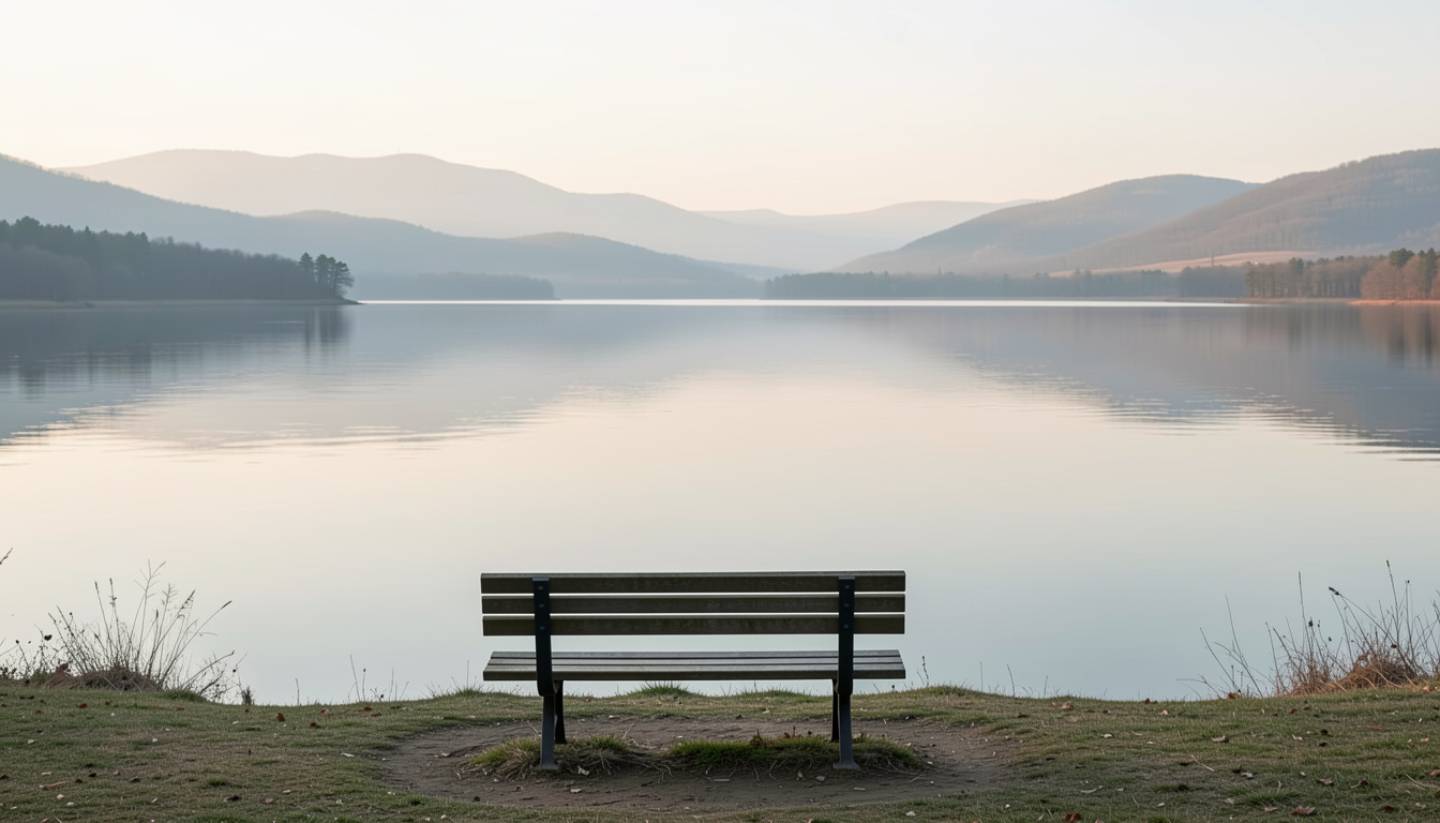
- Natural mirrors: Water reflecting the surrounding hills as light changes.
- A local reset: These places invite observation instead of activity and help you read the land rather than move through it.
When It’s Best
Early morning: Fog on the water, birds active, almost no human presence.
Late winter and early spring: The shoulder season brings dramatic skies and a deeper calm.
Midweek: Always the truest version, free from weekend energy.
Where Quiet Lakes Live in Napa Valley
Lake Hennessey (east of St. Helena)
A narrow, winding reservoir framed by oak woodland. Turning onto Sage Canyon Road off the Silverado Trail slows you down before you even reach the water. Most mornings, the surface is completely undisturbed.
Rector Reservoir (near Yountville)
Tucked behind low hills just past the Yountville Cross Road. Protected, quiet, and deeply local. This is a place to sit rather than explore.
Lake Berryessa (Pope Valley side)
Large in scale, but surprisingly silent if you stay away from marinas. The northern and eastern edges offer long sightlines, open sky, and some of the valley’s best reflections in cooler months.
What Most Visitors Miss
Many visitors assume lakes are for activity. In Napa, they are for perspective. These waters explain why certain vineyards thrive and why stewardship matters here. Sit long enough and the connections appear: climate, soil, water, and patience working together.
My Local Notes
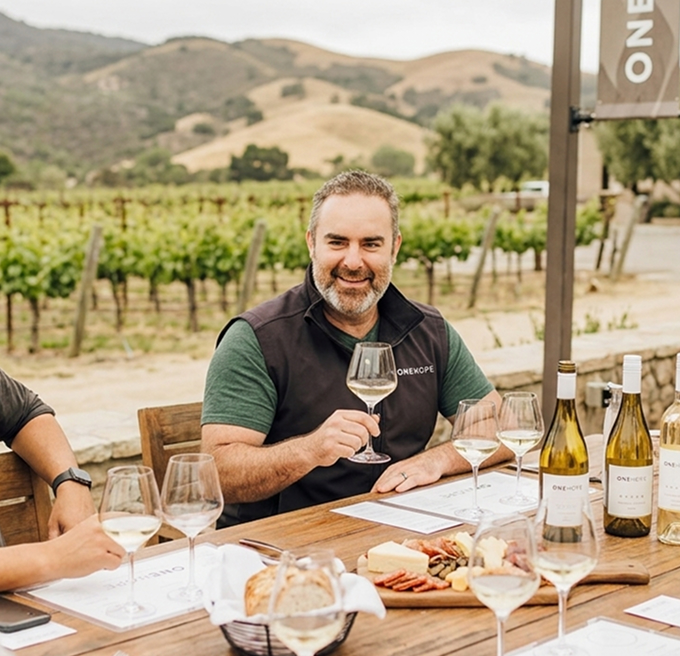
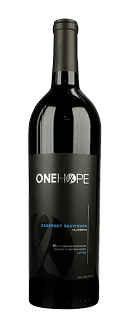
Some of my clearest thinking in Napa has happened near water, watching the surface change as the sun drops behind the western hills. When we were shaping Estate 8, reflection mattered to us. The literal kind you see in water, and the kind that comes from stillness. ONEHOPE grew from that same belief: meaningful experiences do not need noise to be memorable. I’m admittedly biased. Estate 8 is my purpose-driven baby. But living here teaches you quickly that clarity often shows up when nothing else is happening.
A Gentle Lakeside Itinerary
Day One:
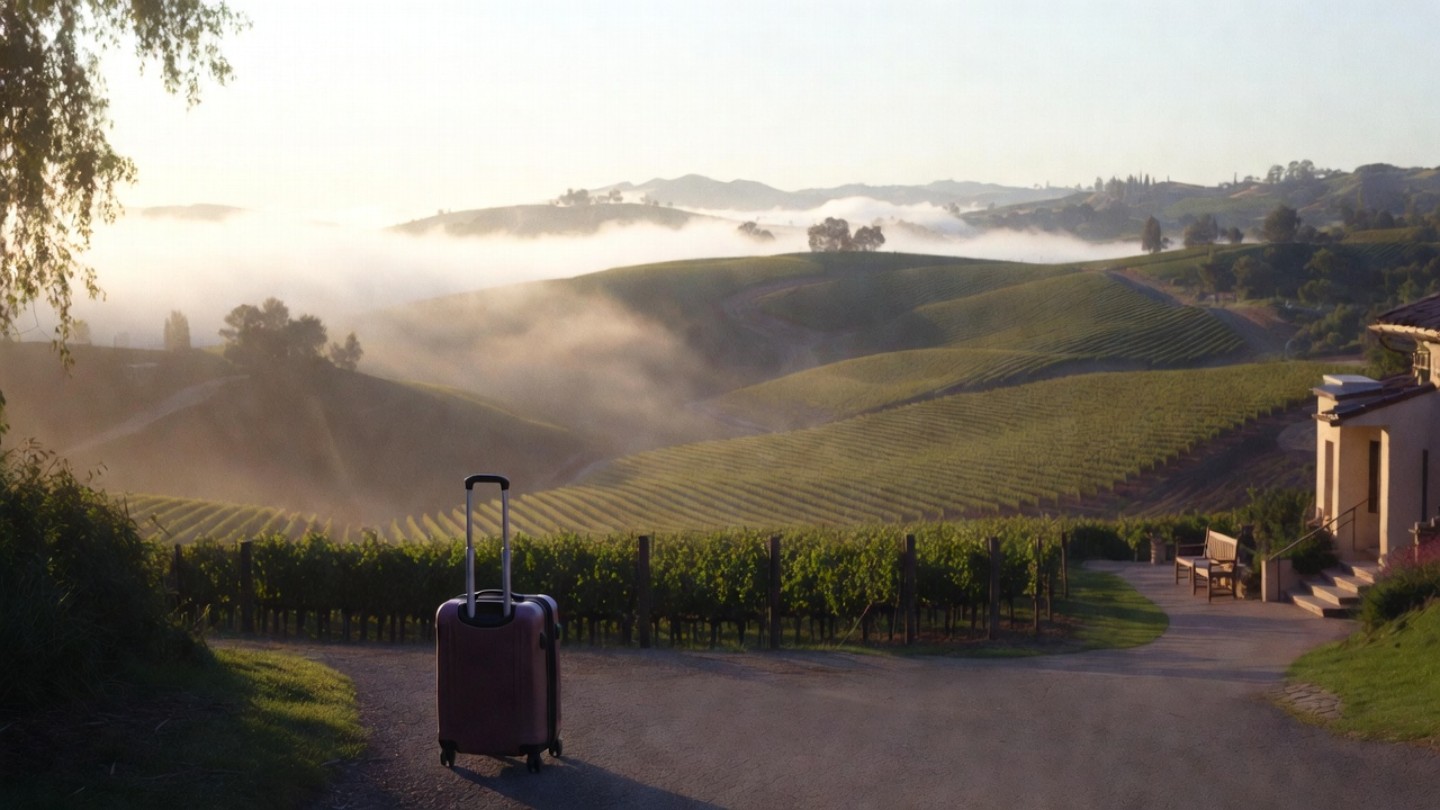
Arrive mid-afternoon. Drive toward Lake Hennessey via the Silverado Trail. Park, walk, and sit as the light turns soft.
Day Two:
Morning coffee in Yountville. Head east toward Rector Reservoir for quiet time. Lunch afterward somewhere simple and familiar.
Day Three:
Early drive to the quieter edges of Lake Berryessa. Leave before midday and carry the stillness with you.
How to Experience Napa Lakes Like a Local
- Bring a notebook instead of a plan.
- Stay longer than feels productive.
- Respect posted signs. These waters matter.