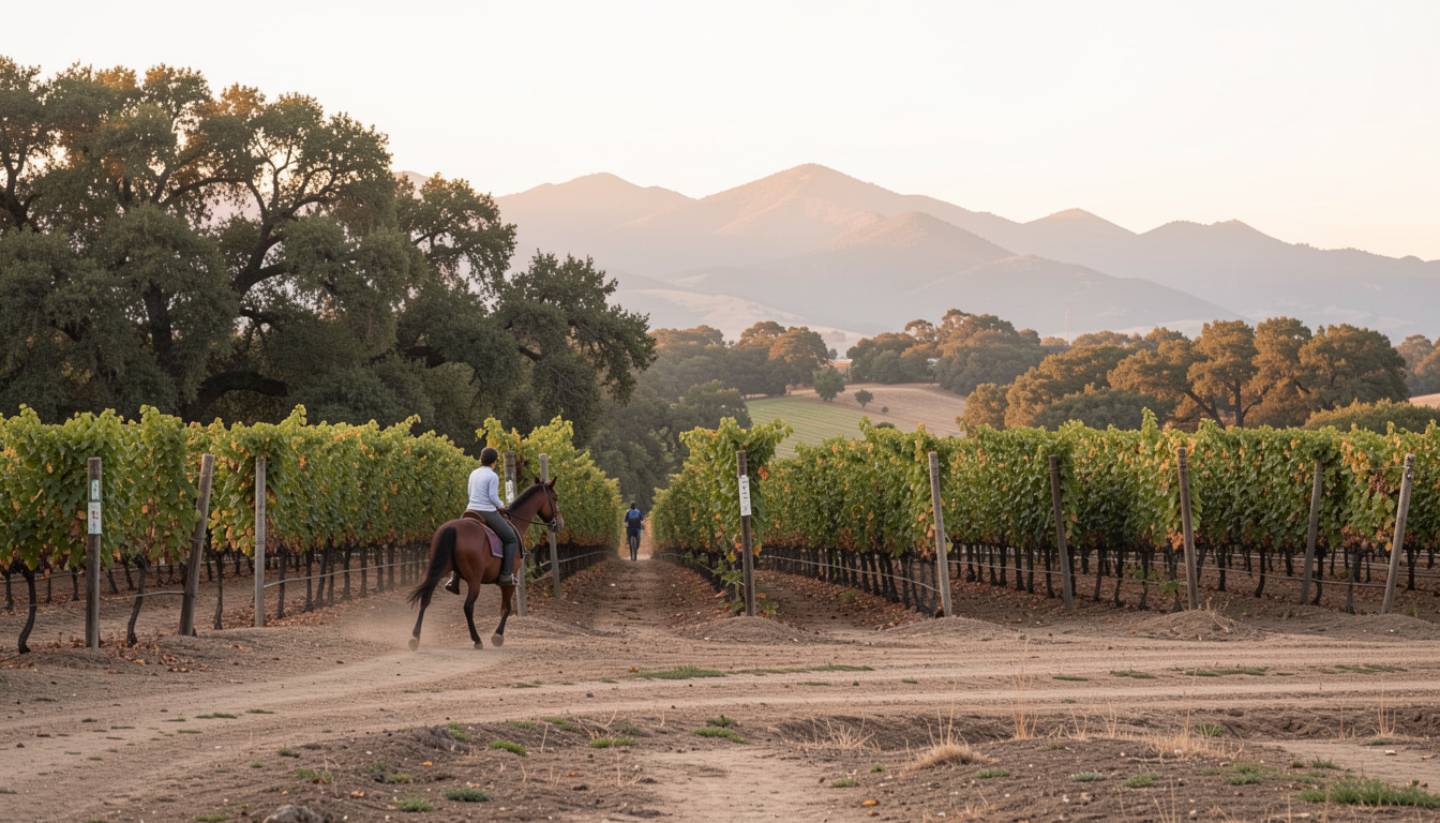
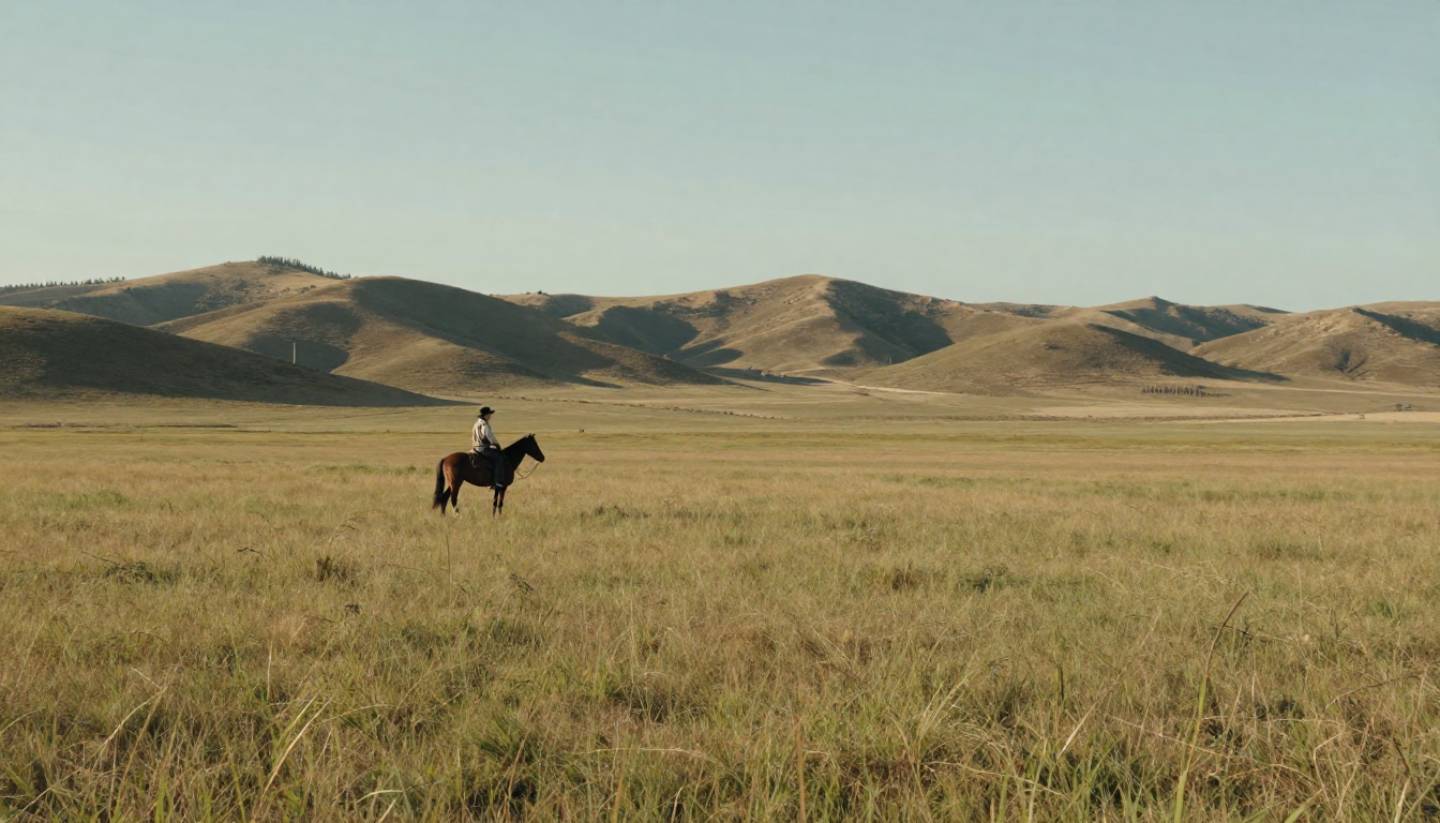
There is a version of Napa Valley you only feel at a walking pace. Hooves on packed earth. The steady rhythm of breath and stride. Vineyard rows slipping past at eye level instead of through a windshield. For travelers who love horseback riding, Napa offers something quietly rare. Trails that move through working agricultural land, oak woodland, and open ridgelines where the valley finally makes sense all at once. This is Napa experienced with patience, balance, and respect for terrain.
What This Experience Is Really About
Horseback riding in Napa is not about speed. It is about perspective. From the saddle, you notice grade changes, soil shifts, and exposure in a way that mirrors how the valley farms and grows.
Riders who connect with Napa this way tend to appreciate:
Continuity
Many trails follow old ranch roads and fire breaks that predate modern tourism.
Quiet Access
Horses move through places cars never reach, turning toward the base of Mount St. Helena or crossing hidden creeks between vineyard blocks.
Shared Rhythm
Riding aligns you with the agricultural tempo of the valley rather than its tasting schedule.
When It Is Best
Spring (March through May)
Green hills, wildflowers, and cool mornings create the most comfortable riding conditions.
Fall (October through November)
Post harvest calm, dry trails, and soft afternoon light make this a favorite season for experienced riders.
The Slower Midweek
Tuesday through Thursday keeps trails peaceful and guides unhurried.
Where to Ride in Napa Valley
Skyline Wilderness Park
Just west of the City of Napa, this local favorite offers oak woodland, open meadows, and ridge views back over the valley floor.
Bothe-Napa Valley State Park
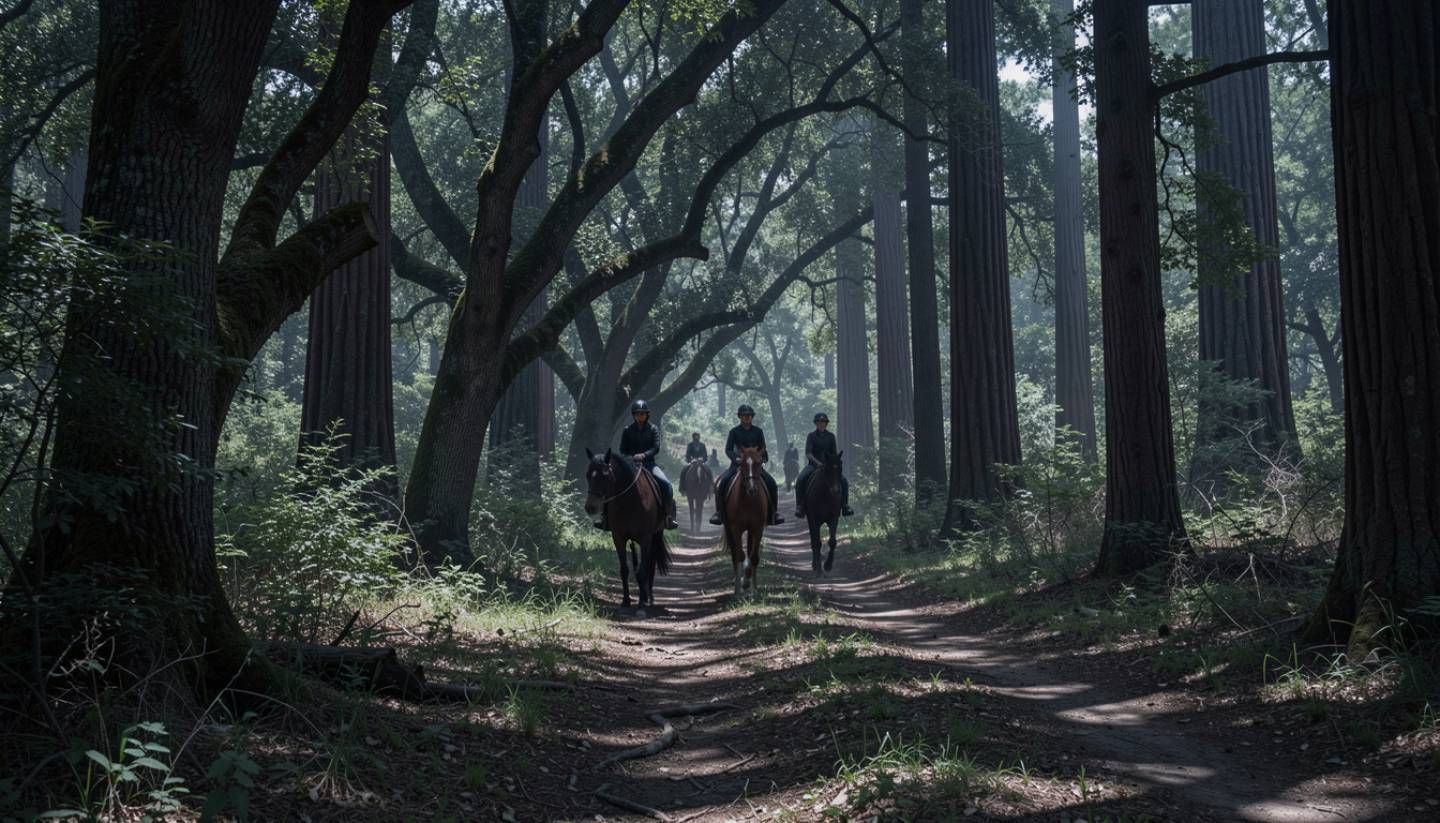
Located north of St. Helena, this park features shaded forest rides and creekside trails, especially welcome during warmer months.
Pope Valley
A quieter, more rural side of Napa. Wide open ranchlands and a sense of old California that feels unchanged by time.
What Most Visitors Miss
Many visitors treat horseback riding as a novelty experience. In Napa, it is a lens. Riders understand why certain vineyards sit where they do, why slopes matter, and why the valley feels narrower or wider depending on where you stand. Horses slow you down just enough to learn the land instead of sampling it.
My Local Notes
Some of the clearest lessons I learned about Napa came without a wine glass in hand. Riding through the western hills taught me how elevation changes temperature, light, and mood. When we were shaping Estate 8, those lessons mattered. Sightlines, slope, and how people arrive all influence how they feel once they stop moving. ONEHOPE grew from that same respect for pace and presence. I am admittedly biased. Estate 8 is my purpose driven baby. But the valley has always revealed its best truths when you move through it slowly.
A Gentle Horseback Focused Itinerary
Day One
Arrive and settle in. Walk the town center in St. Helena or Yountville to loosen travel stiffness.
Day Two
Morning ride at Skyline Wilderness Park or a private ranch. Follow with a long, unhurried lunch at Farmstead or Bistro Jeanty.
Day Three
Slow coffee, a scenic drive along the Silverado Trail, and a final look at the hills you rode through the day before.
What to Know Before You Ride
Experience Levels
Most outfits accommodate beginners, but always share your comfort level with your guide.
Clothing
Closed toe shoes, long pants, and layers are essential. Napa mornings can feel cool even in July.
Hydration
Riding dehydrates faster than walking, especially during the dry summer months.