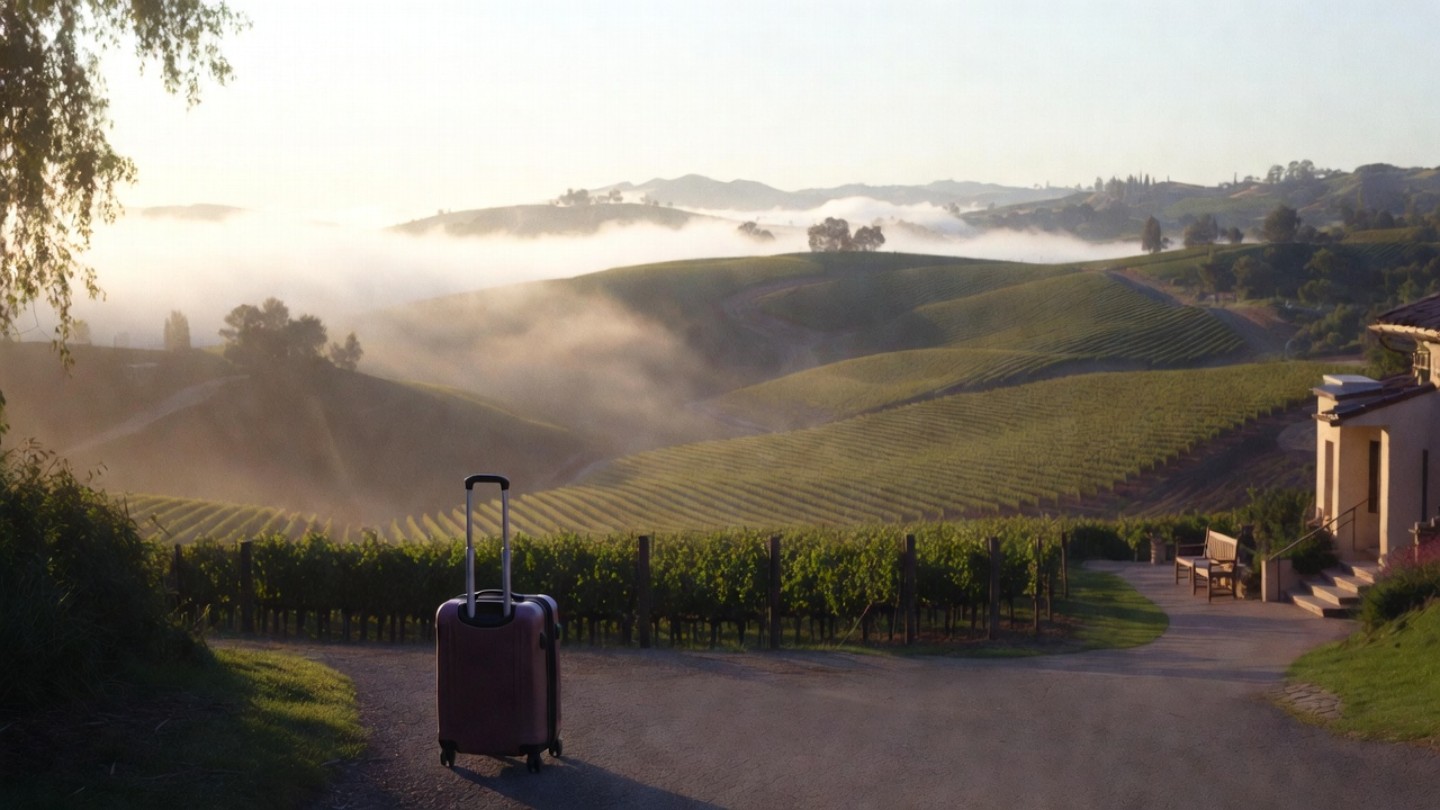
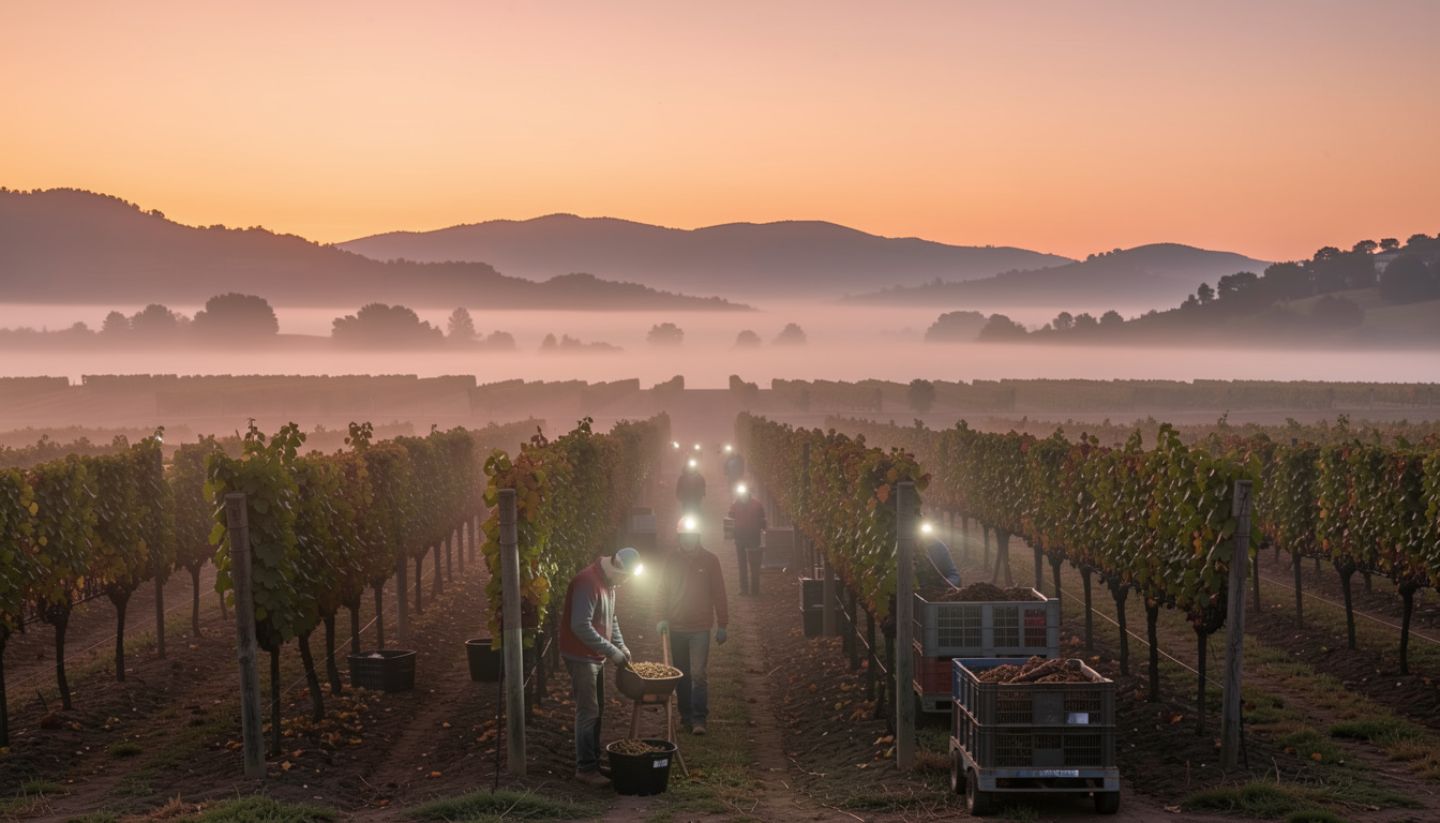
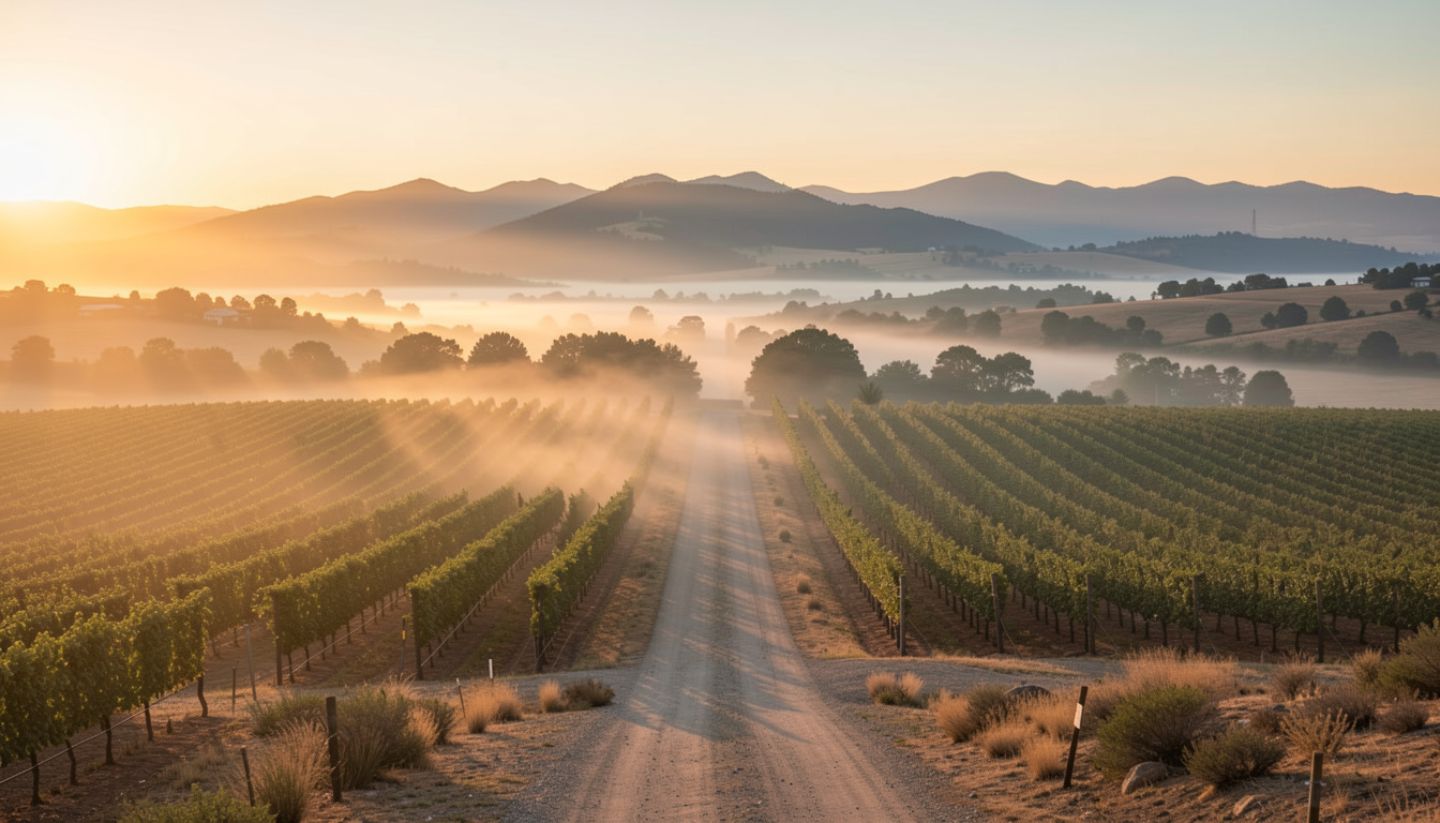
In Napa Valley, the most important work happens early—long before tasting rooms open or the valley floor fills with cars. Headlamps glow between the vines of the Rutherford benchlands. Boots crunch into volcanic dirt. Quiet decisions are made that will shape a wine years before a cork is ever pulled.
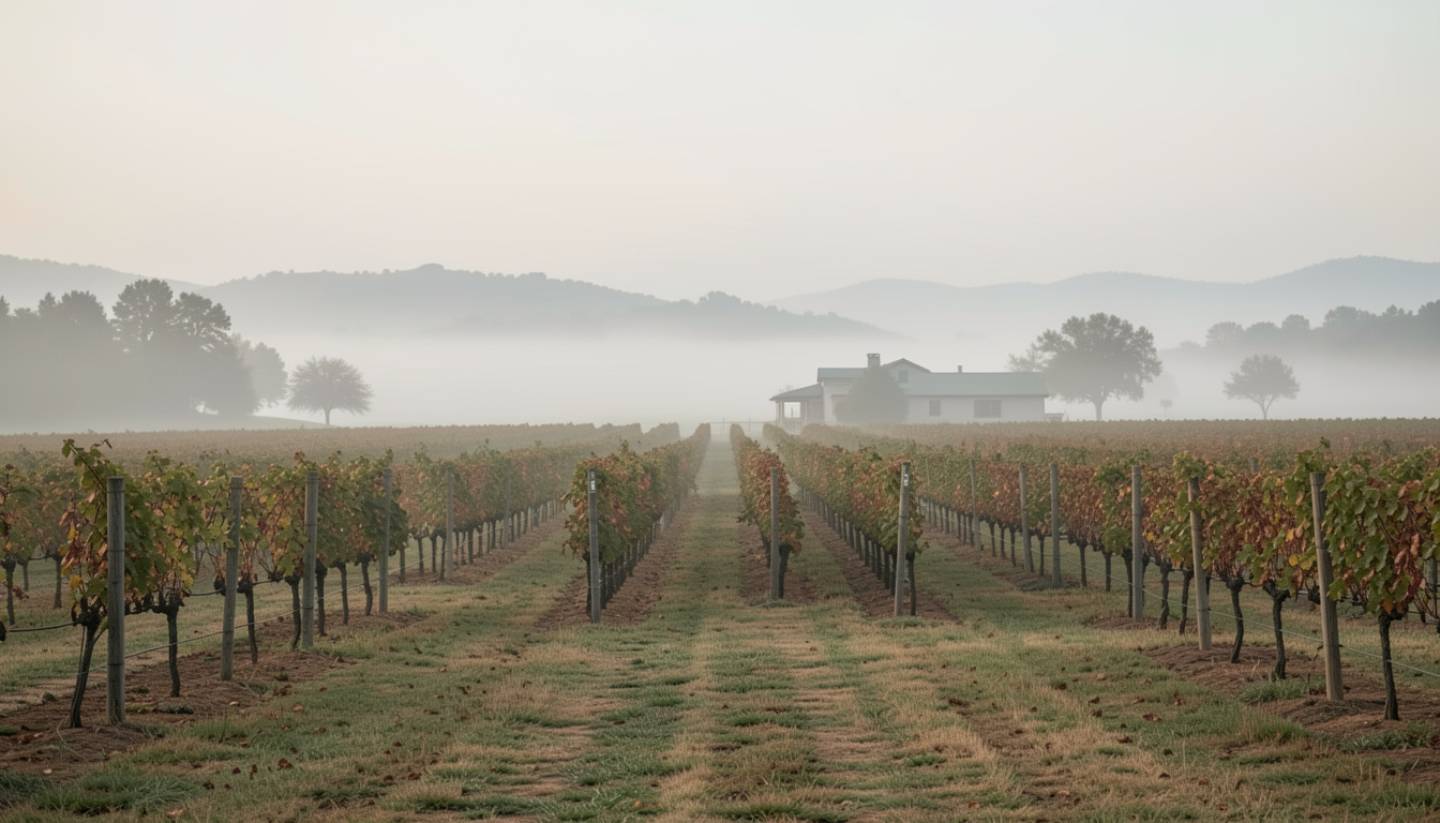
If you are curious about how wine is actually made—not just how it is poured—Napa offers something rare: a working agricultural valley still governed by weather, light, and human judgment. The lift of the morning fog matters here. So does timing. So does restraint.
What This Experience Is Really About
Harvest in Napa is not theatrical. It is physical, precise, and quietly intense. Vineyard work revolves around timing—block by block, row by row. Picking decisions hinge on brix, acid structure, tannin development, and weather windows that can close overnight.
The Mayacamas range shields the valley from coastal extremes, creating microclimates that demand close attention. For travelers interested in this side of Napa, the reward is perspective. Wine becomes an agricultural outcome first and a luxury product second. Once you understand that, everything here reads differently.
When It’s Best
Harvest Season (Late August to October)
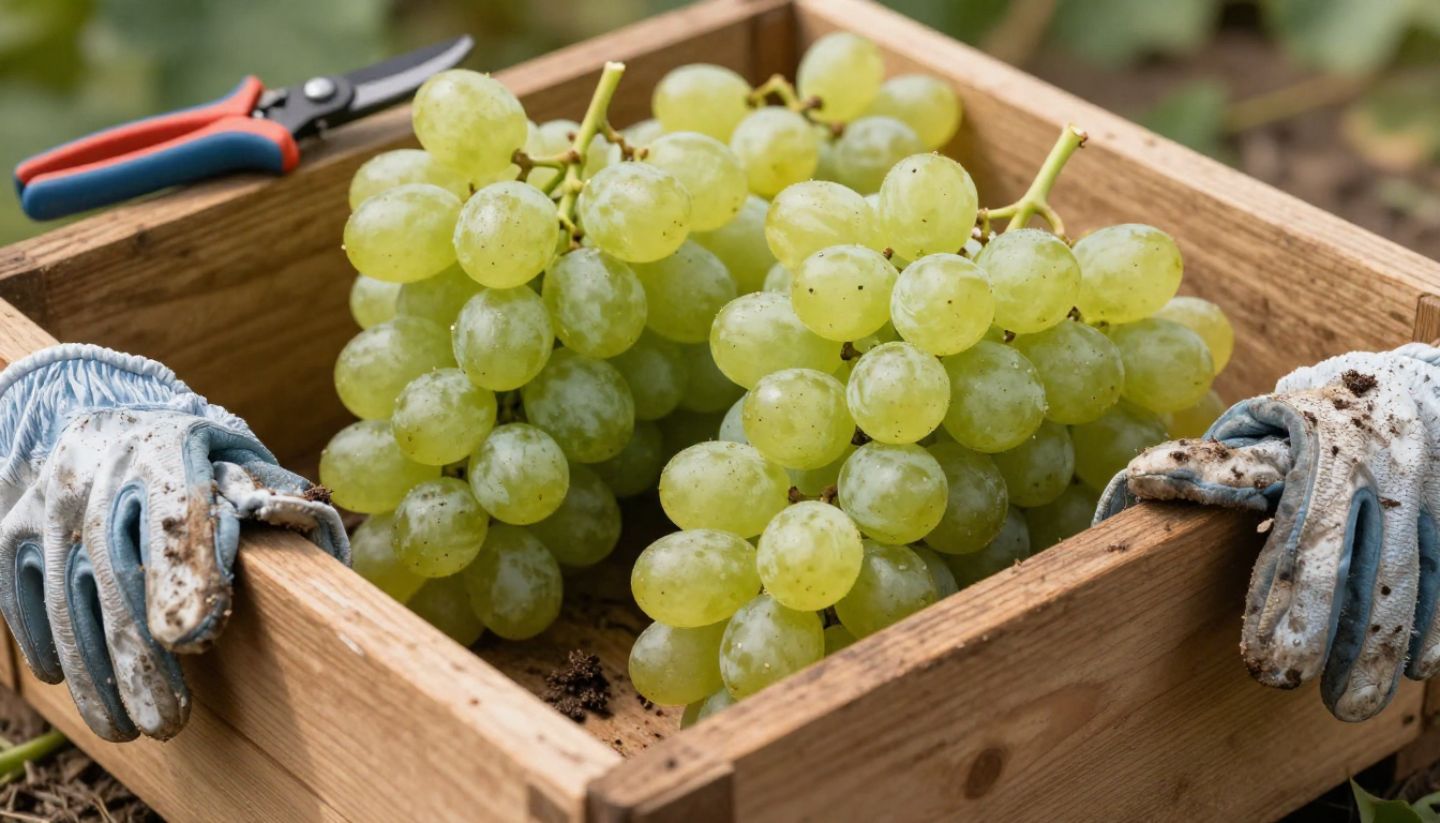
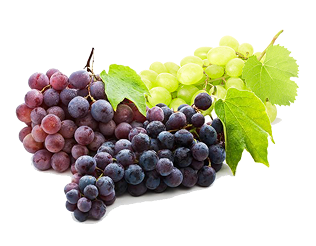
The most active window, beginning with Chardonnay and Pinot Noir in Carneros and building toward Cabernet Sauvignon across the benchlands.
Early Mornings
Before 9:00 AM is when real work happens. By the time visitors arrive, much of the day’s fruit is already moving through the system.
Midweek (Tuesday–Thursday)
The slower, truer Napa—when growers and cellar teams have time to talk instead of perform.
Late Winter (January–March)
Pruning season. The vineyard stripped to its skeleton, revealing how next year’s growth is shaped before it begins.
What Most Visitors Miss
Many people visit Napa during harvest and never actually see it. They sleep through night picks and arrive after crews have wrapped for the morning.
The most meaningful moments often happen before breakfast. Once you’ve watched fruit move quickly from vine to sorting table, or smelled fermentations beginning in the cool morning air, tasting notes start to feel secondary. The effort becomes the story.
My Local Notes
Some of my most formative moments happened before sunrise in the vines. Standing in a cold block, listening to clippers move steadily down the row, watching bins fill just as the fog started to lift.
Harvest teaches humility. The vines do not care about your schedule. They care about soil, exposure, and the exact moment of ripeness. Miss it, and the vintage never quite forgives you.
Where to Experience Vineyard and Harvest Life
Oakville–Rutherford Corridor
The heart of benchland Cabernet. Drive north on the Silverado Trail to see how hillside and valley floor picks unfold differently.
Up-Valley (St. Helena to Calistoga)
Later harvest windows and wider temperature swings near the base of Mt. St. Helena.
Carneros
Early-season picking in August, especially for sparkling wine programs focused on acidity and restraint.
What to Look For in a Vineyard-Focused Experience
- Private or appointment-only formats
- Vineyard walks that enter the rows, not just overlook them
- Language centered on soils, exposure, and farming decisions
- Access to working cellars during harvest
- Educational pacing over scripted presentation
If you hear conversations about blocks, weather calls, or pick timing, you are in the right place.
A Gentle Personal Note
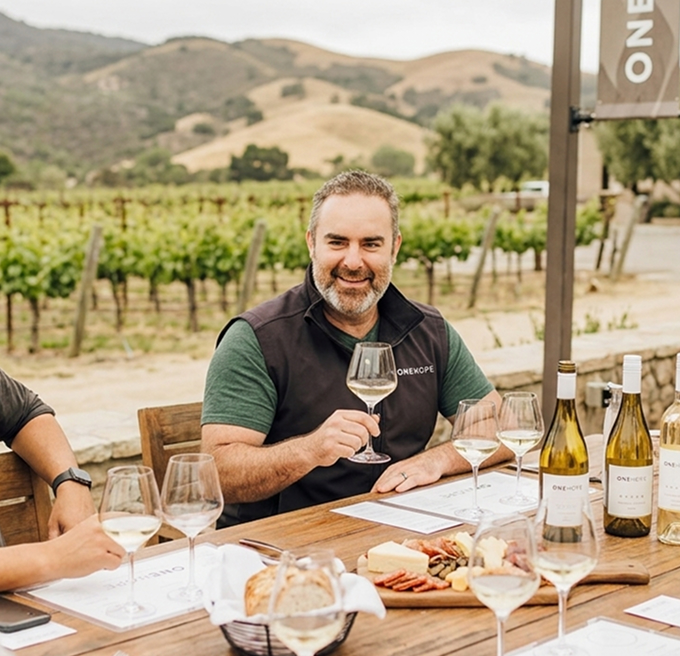
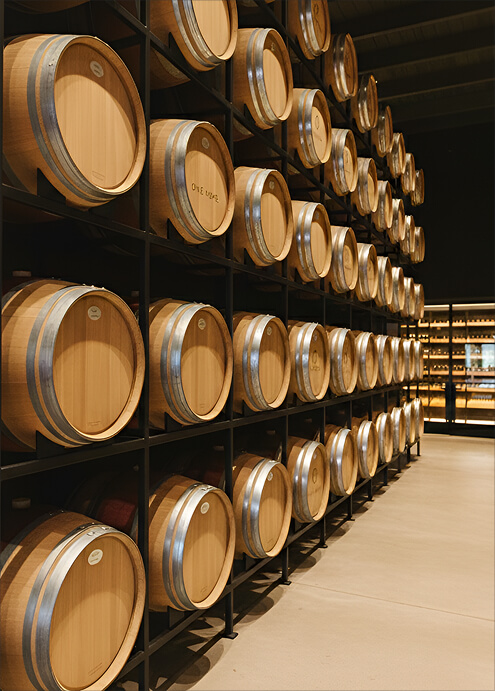
I’ll admit a little bias here. Estate 8 and our home at ONEHOPE were built to honor this agricultural rhythm. The farming decisions are visible if you know how to look. Rows are intentional. Timing matters.
It’s my passion project, shaped by respect for the people who show up before dawn and carry the weight of the vintage. Napa makes the most sense when you see who is working while the rest of the valley is still asleep.
Small Histories
Before Napa was a destination, it was a patchwork of family farms learning by doing. Through frost years, heat spikes, and failed experiments. Harvest has always been the hinge point. Everything before it prepares for that moment. Everything after reflects it.
To witness harvest life is to step into the oldest rhythm Napa has.