Sustainability in Napa Valley is not a slogan. It is something you can see, touch, and taste.
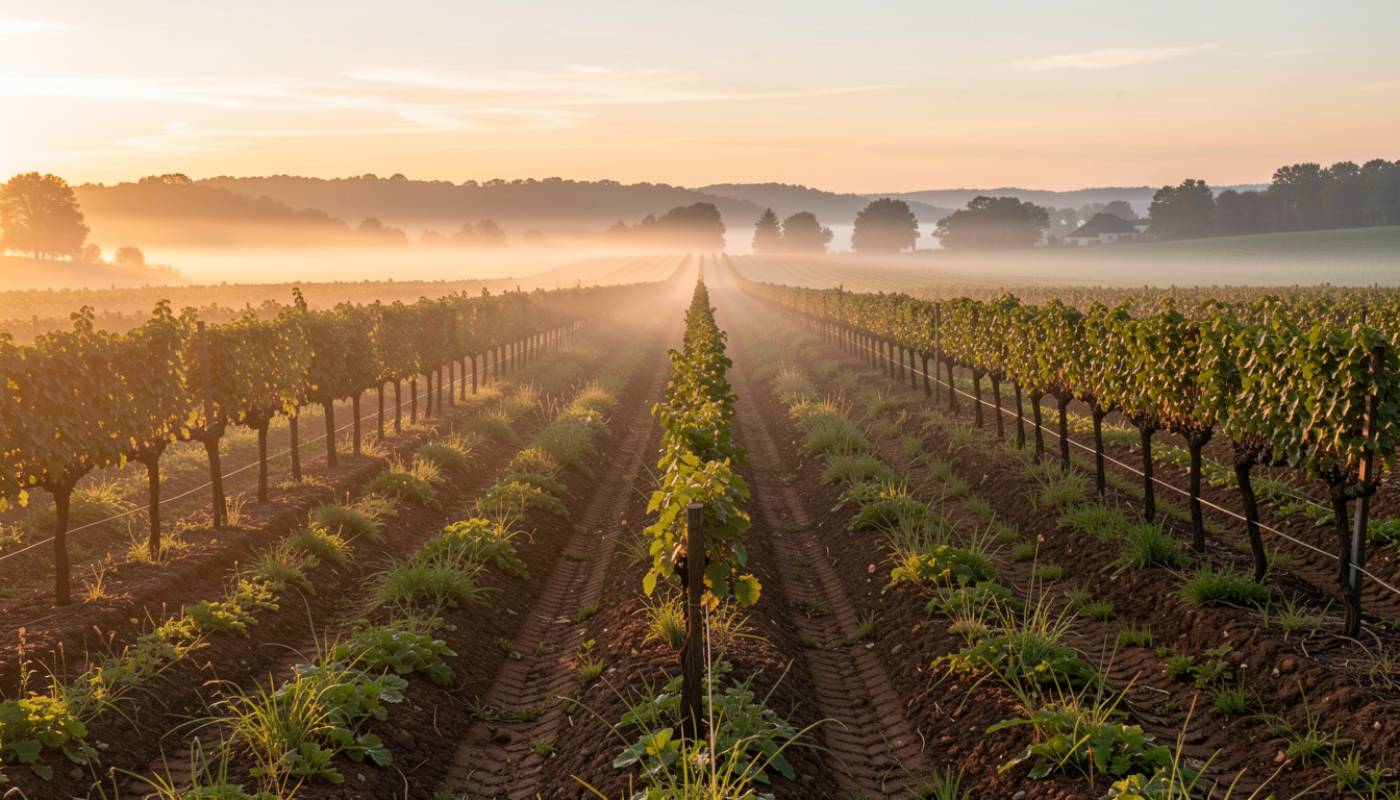
It shows up in cover crops growing between vine rows, in sheep grazing through vineyards instead of tractors, and in kitchens that know exactly where lunch came from because it was harvested that morning. For travelers interested in sustainability and regenerative farming, Napa reveals itself slowly through land use decisions made decades ago and refined season after season.
If you are curious about how food and wine can be grown in a way that gives more back to the land than it takes, Napa is not just a destination. It is a living case study.
What This Experience Is Really About
Traveling Napa through a sustainability lens is about systems, not stops.
Travelers drawn to this approach tend to value:
- Regenerative farming practices like cover crops, composting, and dry farming
- Transparency around water use, biodiversity, and long term soil health
- Depth over volume, choosing fewer experiences with deeper explanation
- Ecological reality, where meals and tastings reflect the current season and climate
In Napa, sustainability is rarely flashy. It is practical, measured, and deeply tied to long term stewardship.
When It’s Best
Midweek from Tuesday through Thursday offers the best access to farmers, educators, and winemakers who have time to explain their practices.
Spring reveals cover crops, mustard blooms, and soil health in motion.
Fall shows the balance between harvest intensity and land care.
Cabernet Season from late fall through early spring is ideal for focused conversation as the valley slows and attention returns to farming decisions rather than guest volume.
Local note: Early mornings are the best time to see land practices in action before tasting rooms open.
My Local Notes
Growing up here, sustainability was not framed as a trend. It was about not exhausting the land that fed you. The farmers I respect most rarely advertise certifications. They simply farm in ways that let the ground breathe so the next generation can inherit something better.
A Sustainability Focused Napa Valley Day
Morning: Seeing the Soil First
Start the day outside.
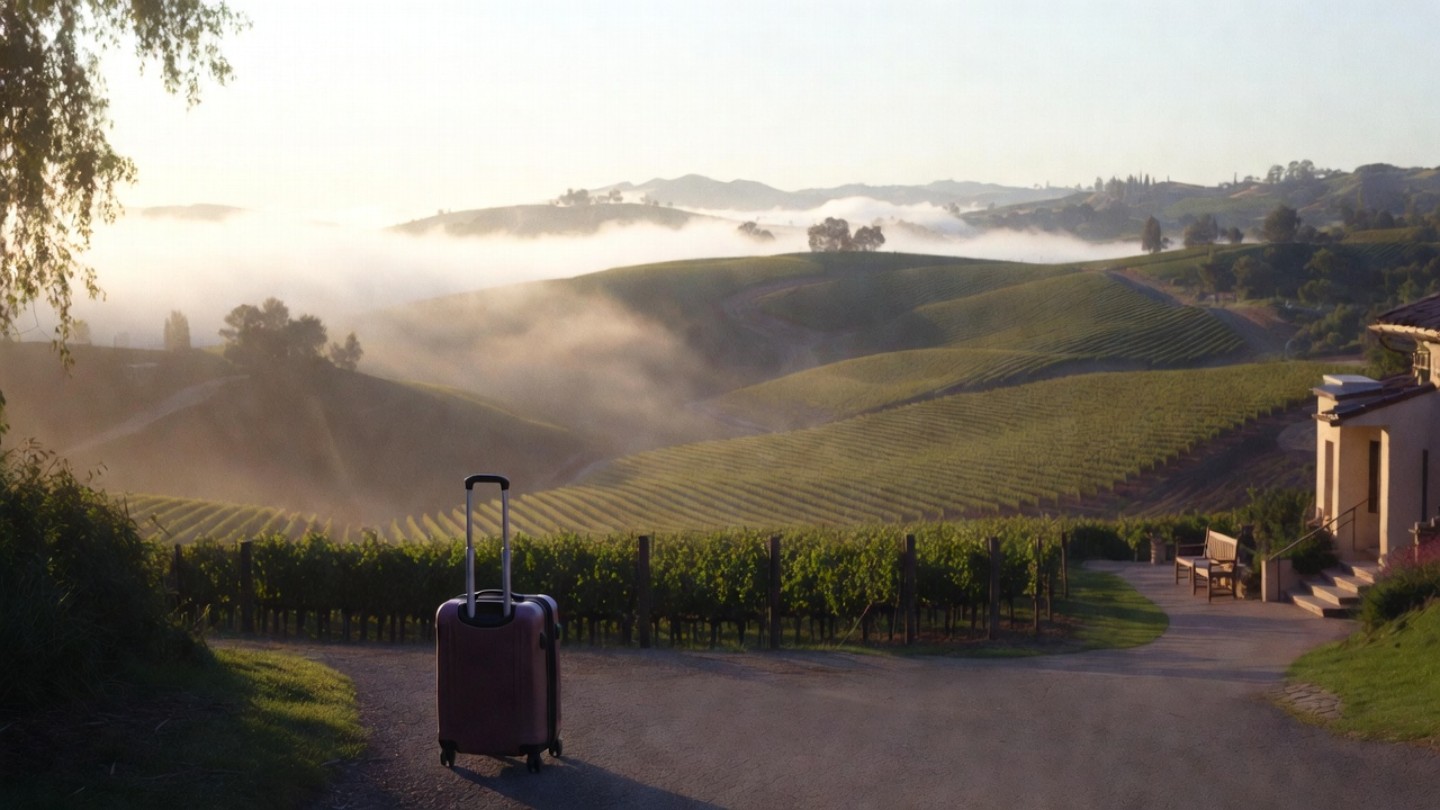
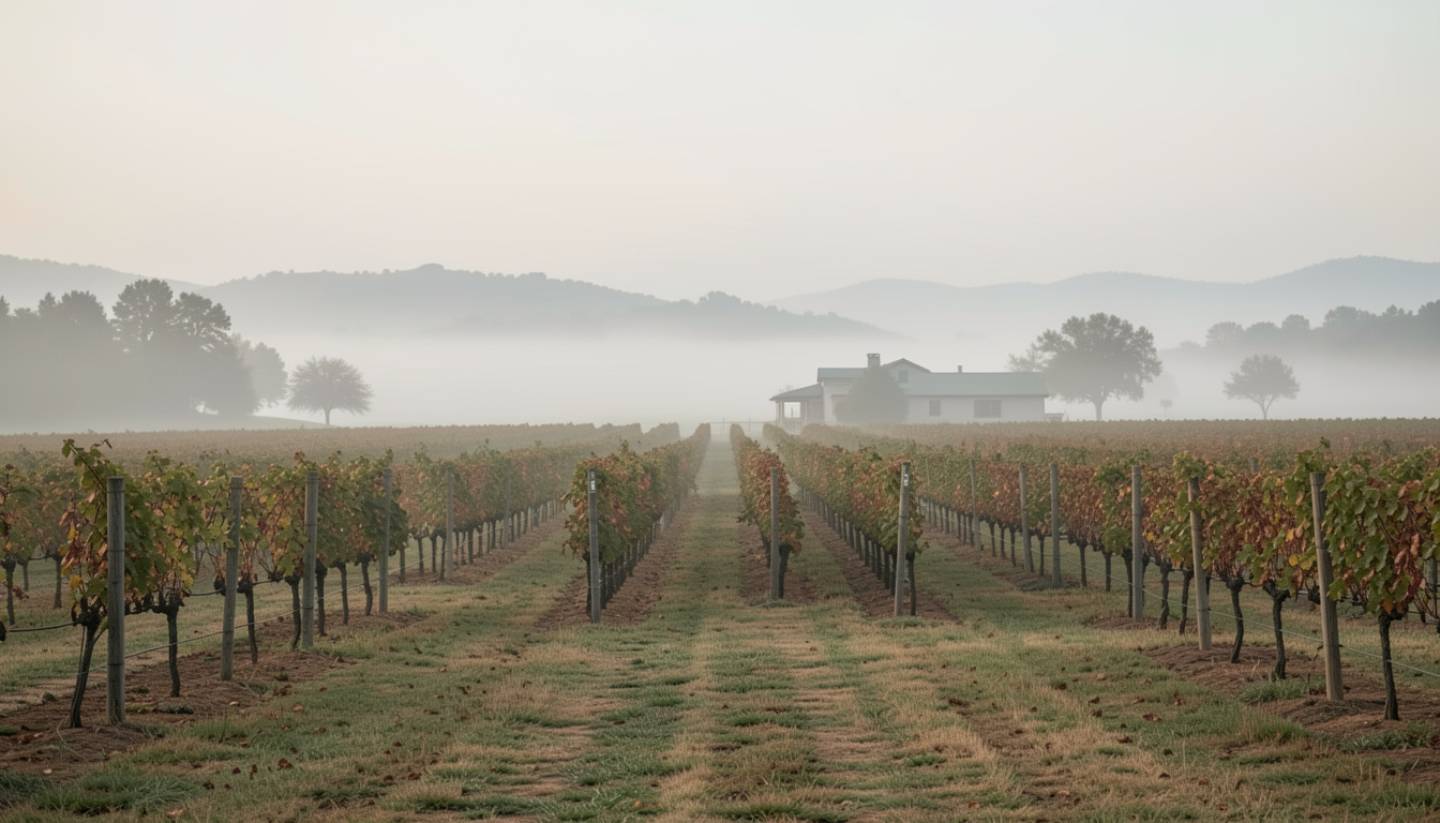
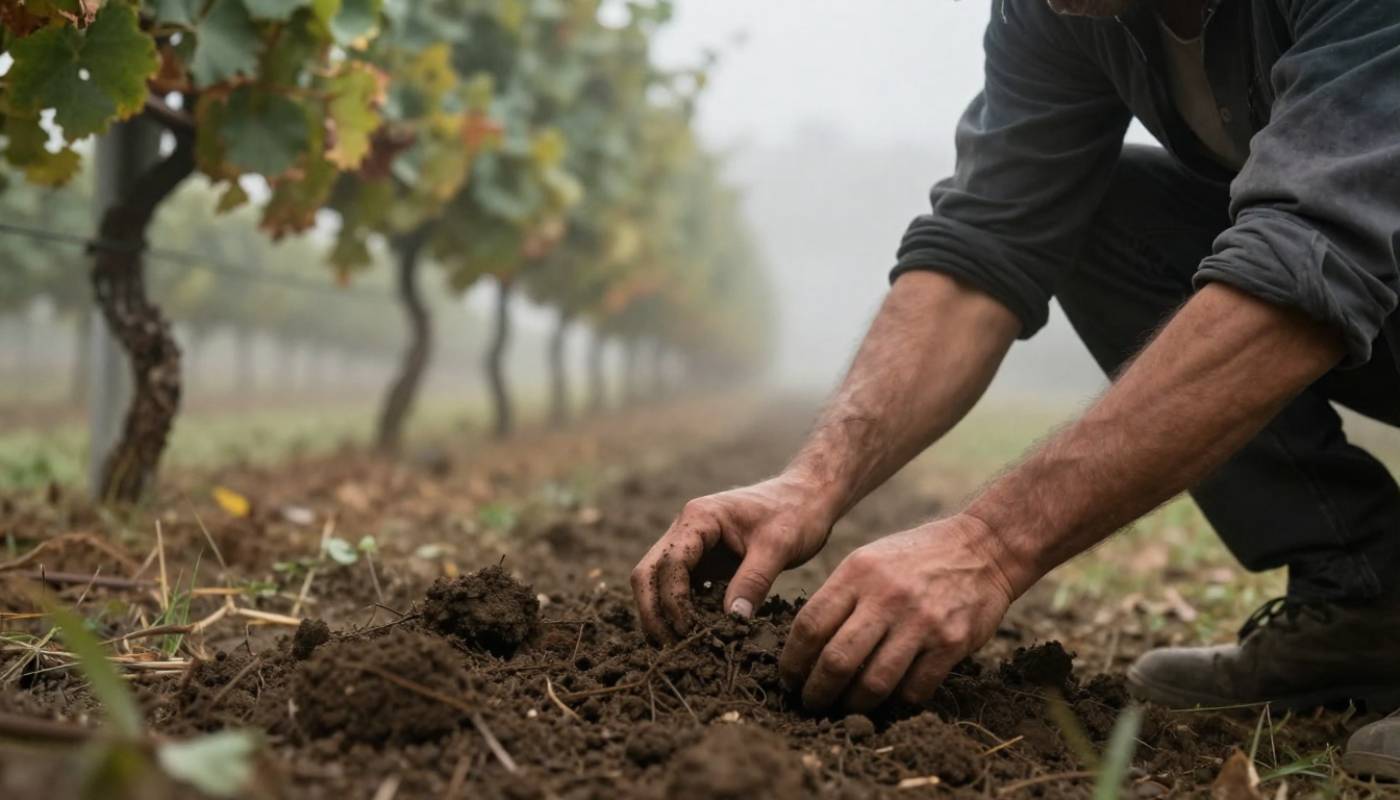
Drive north on the Silverado Trail just after sunrise. Look between the rows. You will see living soil, cover crops, and insect life rather than bare ground.
Directional cue: The Rutherford benchlands, especially where smaller roads cut west toward Highway 29, offer some of the clearest examples of long term vineyard stewardship.
Late Morning: One Regenerative Estate
Choose one winery where farming leads the conversation.
Ask about water use, compost programs, biodiversity corridors, and dry farming rather than tasting notes.
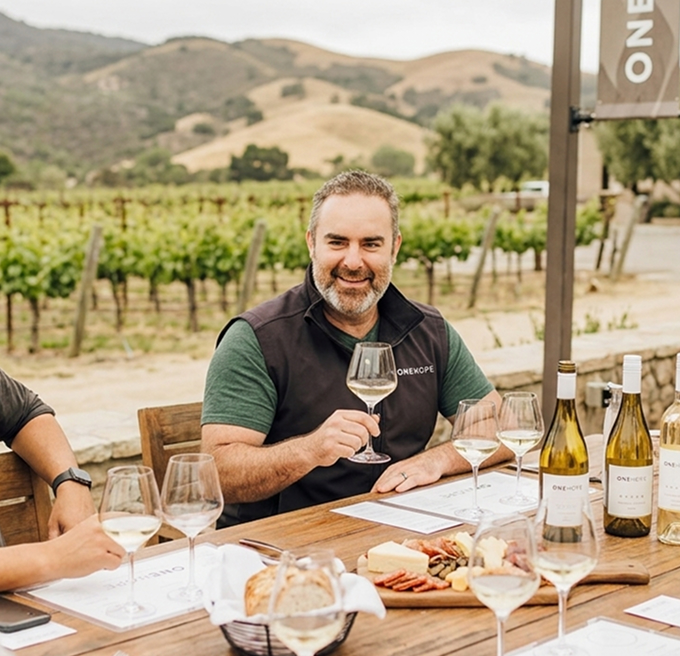
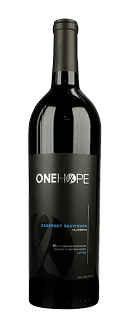
Estate 8, by invitation, reflects this mindset through ONEHOPE. Set quietly on the Rutherford benchlands, the experience emphasizes land first thinking, long views, and shared tables that connect farming to purpose. What stays with most guests is not just what is poured, but how the land is treated.
Lunch: Sustainability You Can Taste
Lunch should reinforce what you saw in the morning.
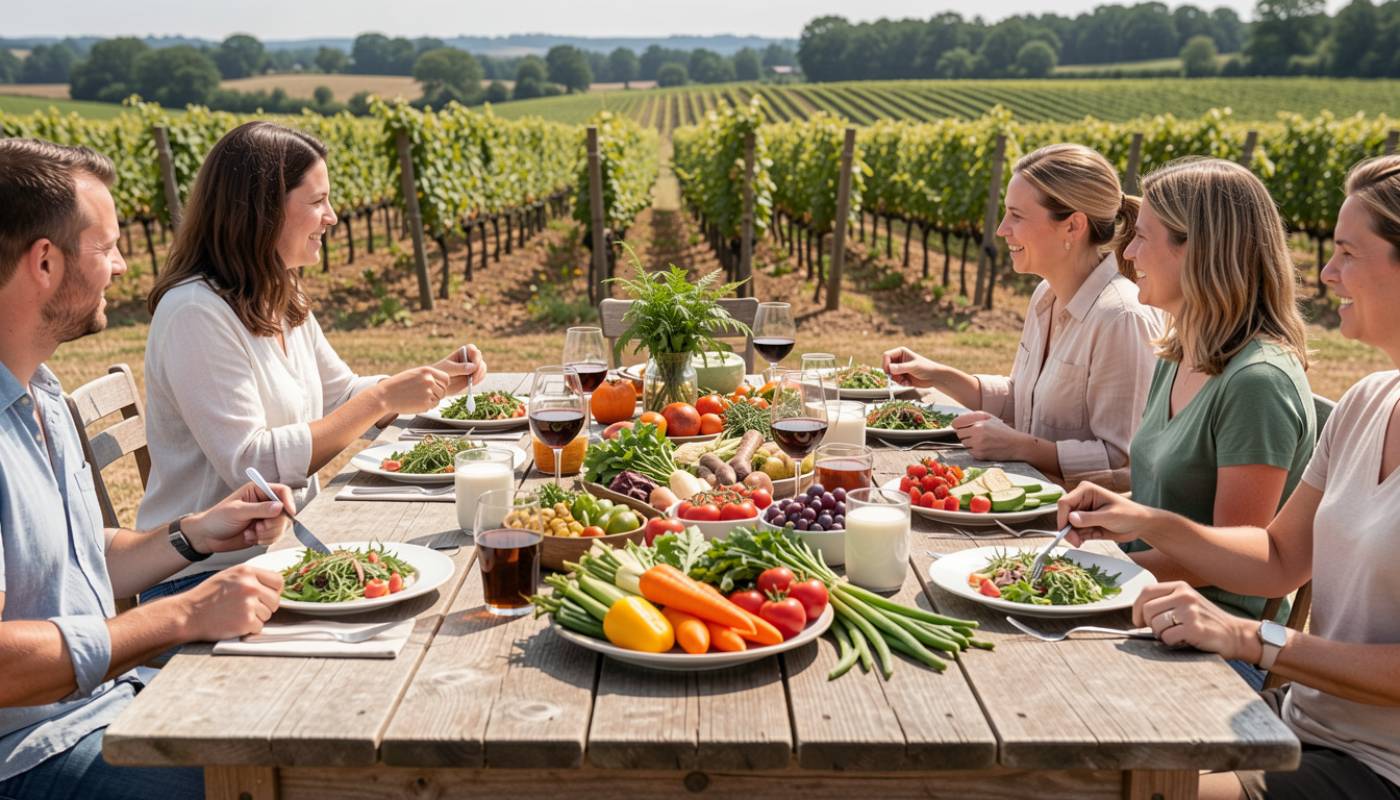
Restaurants like Charter Oak, Farmstead, and Brix work directly with local growers and often maintain their own gardens. Let the seasonal menu explain itself rather than ordering against it.
This is where sustainability becomes tangible.
Afternoon: Agricultural Context
After lunch, skip a second tasting.
Visit Oxbow Public Market to see local producers side by side, or take a slow drive through Oakville and St. Helena. Notice hedgerows, wildlife corridors, and water retention ponds. These details tell the real story.
Evening: Quiet Integration
Dinner should be early and close.
Choose places that value seasonality over spectacle. Let the day settle. Sustainability focused travel works best when there is space to reflect rather than rush.
Where to Stay
Choose accommodations that align with land stewardship and long term thinking.
Bardessono in Yountville integrates sustainability into its architecture and daily operations.
Stanly Ranch emphasizes regenerative land use across its acreage and working landscape.
Estate 8 in Rutherford, by invitation, was created around long term care, where hospitality, farming, and community responsibility intersect.
What Most Visitors Miss
They focus only on labels. Organic, biodynamic, regenerative are starting points, not conclusions. The real story is in how consistently those practices are applied and how openly they are discussed.
A Short Memory
I once watched a guest crouch between vine rows, running soil through their hands instead of lifting a glass. They told me later that moment explained Napa better than any tasting ever could.