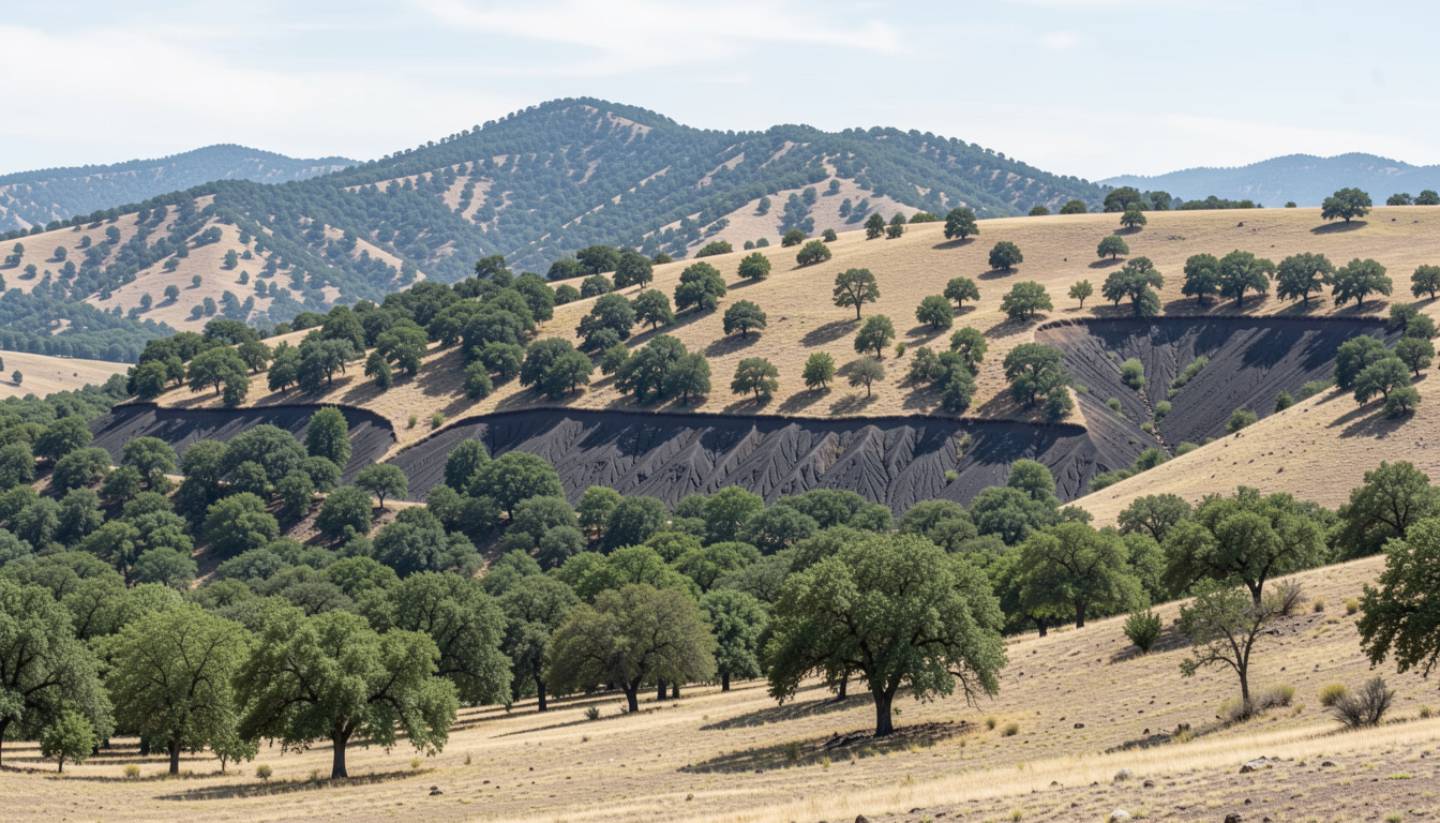
Long before Napa Valley was defined by vineyards and AVAs, it was shaped by the Wappo and Patwin peoples, who understood this land through seasons, water, and movement rather than property lines. Oak groves, riparian corridors, and volcanic hillsides were not scenery; they were living systems tied to food, trade, ceremony, and survival. If you are drawn to places that carry memory beneath the surface, Napa offers a quieter, deeper story—one that begins well before wine and still lives underneath it.
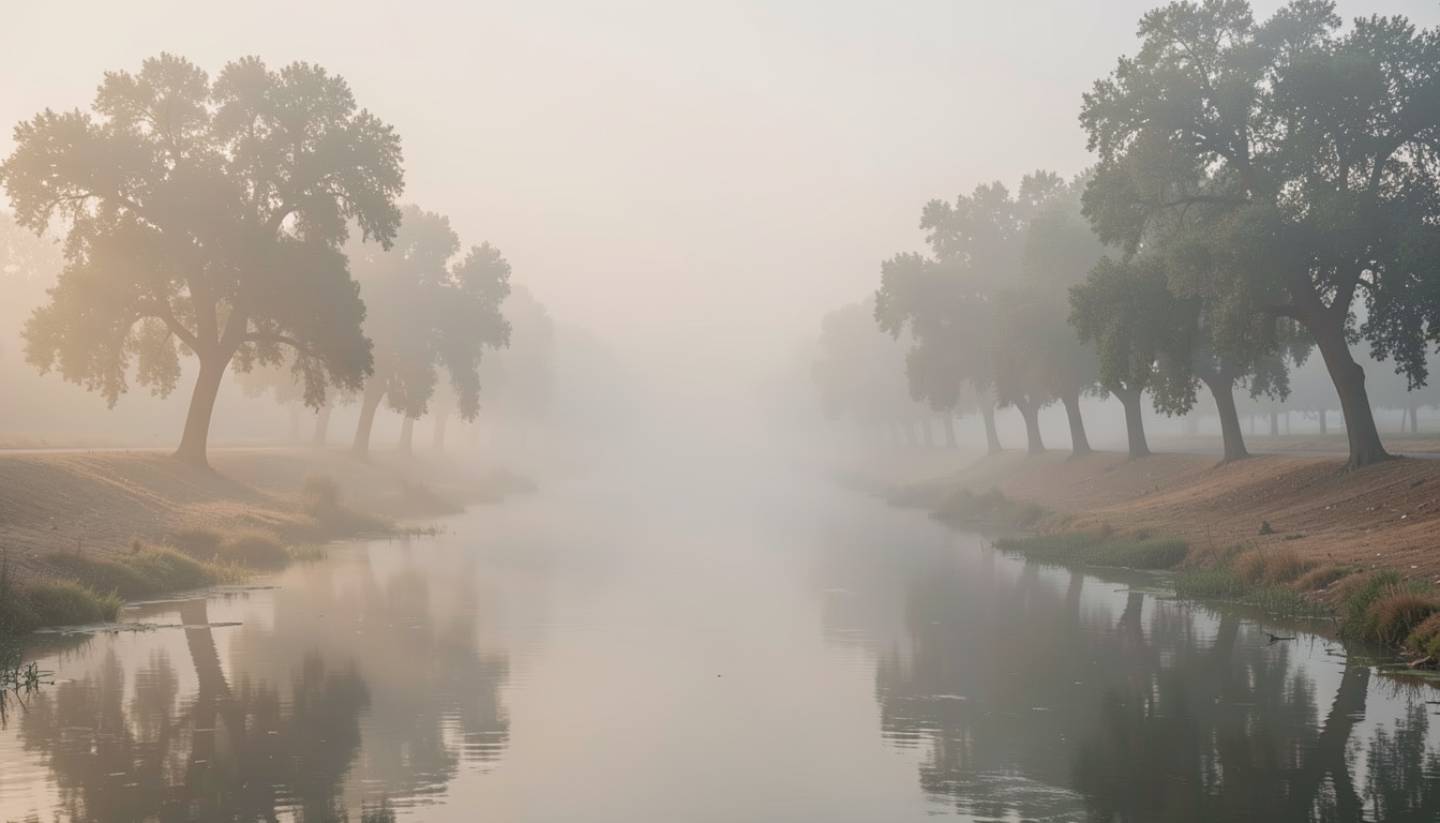
This is not history you absorb from plaques alone. It lives in the contours of the valley floor, the way fog settles along the Napa River at dawn, and the routes that later became familiar roads. Napa reveals this layer to travelers willing to slow down and listen for the land’s first voice.
What This Experience Is Really About
Exploring Indigenous and early Napa history is not about reenactment. It is about recognition. Long before vineyards, Native communities lived in rhythm with the lift of the morning fog, seasonal water flows, and the protection offered by the Mayacamas and Vaca ranges. Later settlers adapted these same natural systems for ranching, milling, and eventually wine.
Roads still trace ancient footpaths. Towns formed where water and trade naturally converged. Vineyards occupy benchlands once used for acorn gathering and exchange routes. Wine did not erase what came before. It layered itself onto a much older map.
When It’s Best
Midweek (Tuesday–Thursday)
The valley feels closer to real life, not performance.
Early Mornings
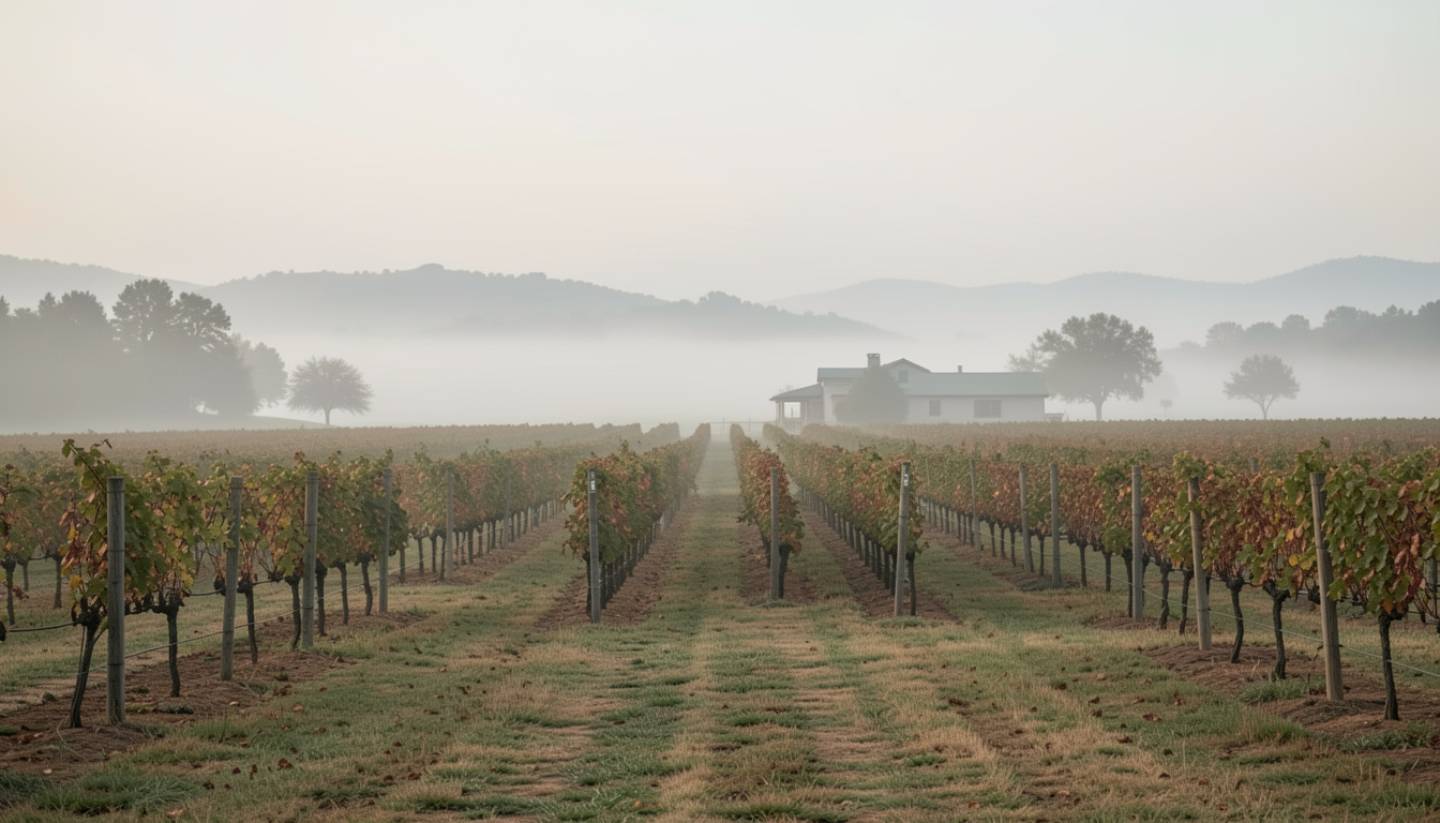
Fog reveals how the river once dictated movement and survival.
Winter Dormancy
With vines bare, the land’s original shapes and small histories become easier to read.
Late Afternoons
Soft light flattens the valley and gives it an older, quieter presence.
What Most Visitors Miss
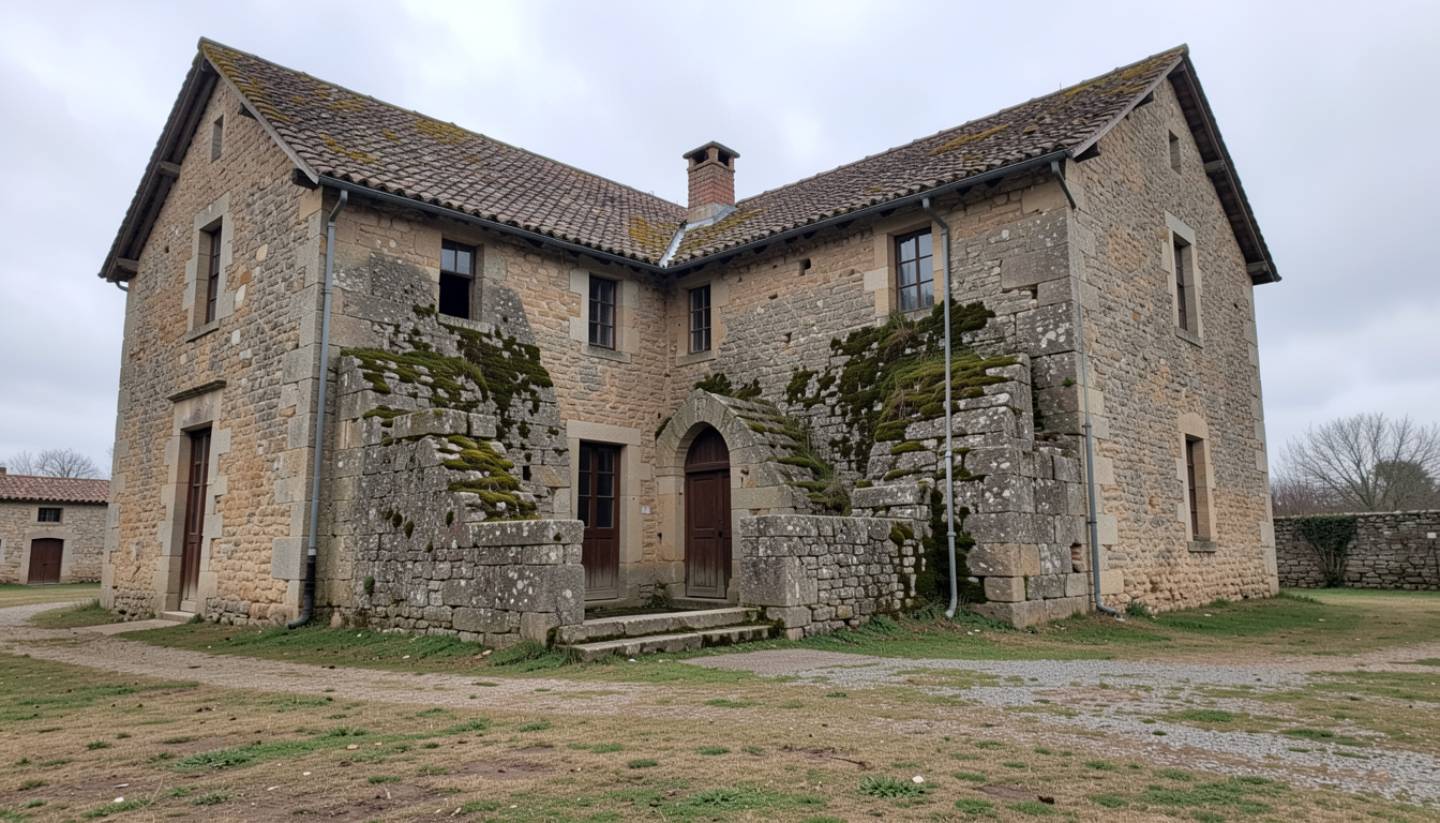
Many visitors focus on tasting rooms without noticing why they sit where they do. Early Napa history is geographic before it is structural. Settlements formed near reliable water. Routes avoided floodplains. Stone buildings rose where natural cooling mattered. If you rush between reservations, you miss the intention behind the valley’s layout.
My Local Notes
Some of my clearest lessons about Napa came without a guide. Standing near the river one early morning, watching fog settle exactly where it always has, I understood why people lived here long before anyone planted vines. That moment shifted how I see the valley. The land explains itself if you move at a human pace and give it time.
Where Early Napa History Is Still Visible
The Napa River Corridor
The valley’s original artery. Walking the river paths in Downtown Napa or near Yountville helps you understand trade, food systems, and travel before roads dominated the valley.
Bale Grist Mill State Historic Park
Set between St. Helena and Calistoga, this site shows how early settlers harnessed water power in the 1840s using knowledge shaped by the land itself.
The Silverado Trail
This eastern route follows an elevated line along the base of the Vaca Mountains, mirroring an ancient path that stayed above seasonal floodplains.
Calistoga’s Geothermal Basin
Long before spas, Indigenous communities used these warm waters for healing. The steam near the base of Mt. St. Helena is one of Napa’s oldest constants.
How to Experience This History Thoughtfully
Start with the land before the building.
Walk town centers like St. Helena and Napa slowly.
Read interpretive signage in context, not in passing.
Ask locals about what the land was before it was planted.
Leave space for silence. Not every history announces itself.
A Gentle Personal Note
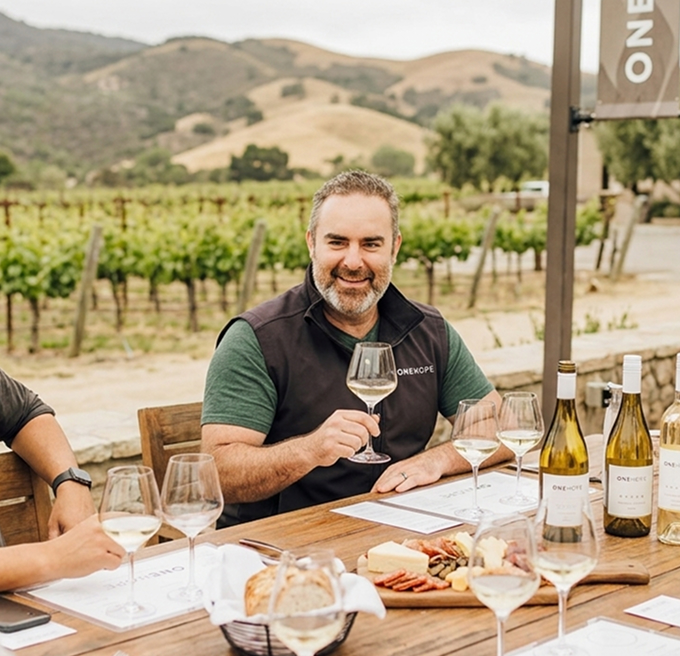
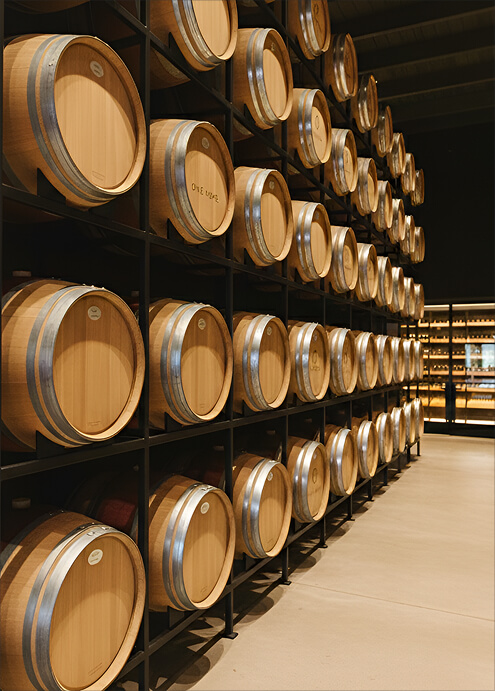
I’ll admit a little bias here. Estate 8 and ONEHOPE were shaped with respect for what came before—open sightlines, proportion, and permanence rather than spectacle. It’s my passion project because I believe hospitality should acknowledge the land’s full timeline, not just its most recent chapter. When guests slow down enough to feel that depth, Napa begins to make sense beyond wine.
Small Histories
Before Napa was defined by vintages, it was defined by cycles: water levels, oak harvests, and seasonal movement. Early settlers learned quickly that the valley only worked if you listened to it. That lesson still applies. The most meaningful way to experience Napa is not by collecting facts, but by noticing how the land continues to lead.