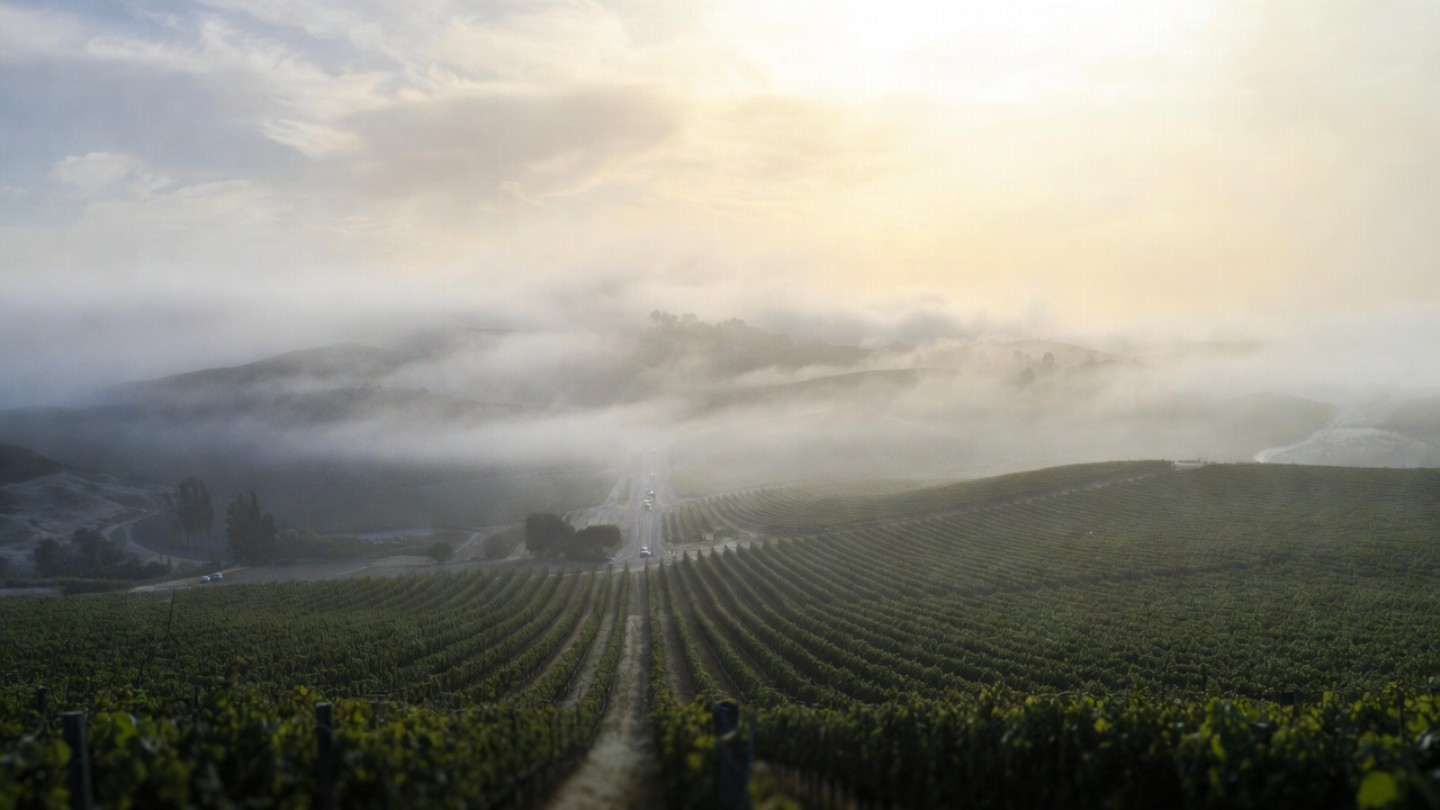
From San Mateo County, Napa does not feel like an escape you rush toward. It feels like something you ease into. You leave the Peninsula, cross the bay as the light softens, and somewhere near Highway 37 the edges start to blur. The inbox noise drops. Your shoulders loosen. Vineyards replace office parks, and the day stops asking anything of you.
This itinerary is built for wellness travelers who want Napa to support restoration rather than stimulation. It favors fewer decisions, longer pauses, and experiences that help the nervous system settle. In Napa, wellness works best when it is layered gently into the day, not stacked on a schedule.
Why Napa Works for Wellness Travelers from San Mateo County
Napa supports wellness because it is organized around land, not distraction. The valley is narrow and linear, roughly thirty miles long, which removes the constant need to decide where to go next. You enter once, settle in, and let the rhythm carry you.
For Peninsula travelers, the mid to upper valley offers the clearest sense of calm. Yountville allows you to park once and walk. St. Helena brings residential quiet and heritage estates. Calistoga remains the valley’s original wellness anchor, shaped by geothermal water, volcanic soil, and a slower, unpolished pace that still feels grounded rather than curated.
When to Go
Spring (March to May)
Green hills, wildflowers, and ideal temperatures for walking paths and outdoor pools.
Summer (June to August)
Early mornings and afternoon spa appointments work best as valley heat builds.
Fall (September to October)
Harvest energy is palpable. Choose appointment-only estates and quieter corners of the valley to maintain a wellness pace.
Winter (January to February)
The local favorite. Mustard blooms, fireplaces, fewer visitors, and the deepest sense of restoration.
Day One: Peninsula to Napa, Settle the Nervous System
Late Morning Arrival (11:00 am)
Leave San Mateo County mid-morning and enter Napa via Highway 37. The open wetlands and long sightlines act as a decompression chamber before the first vines appear.
Movement First
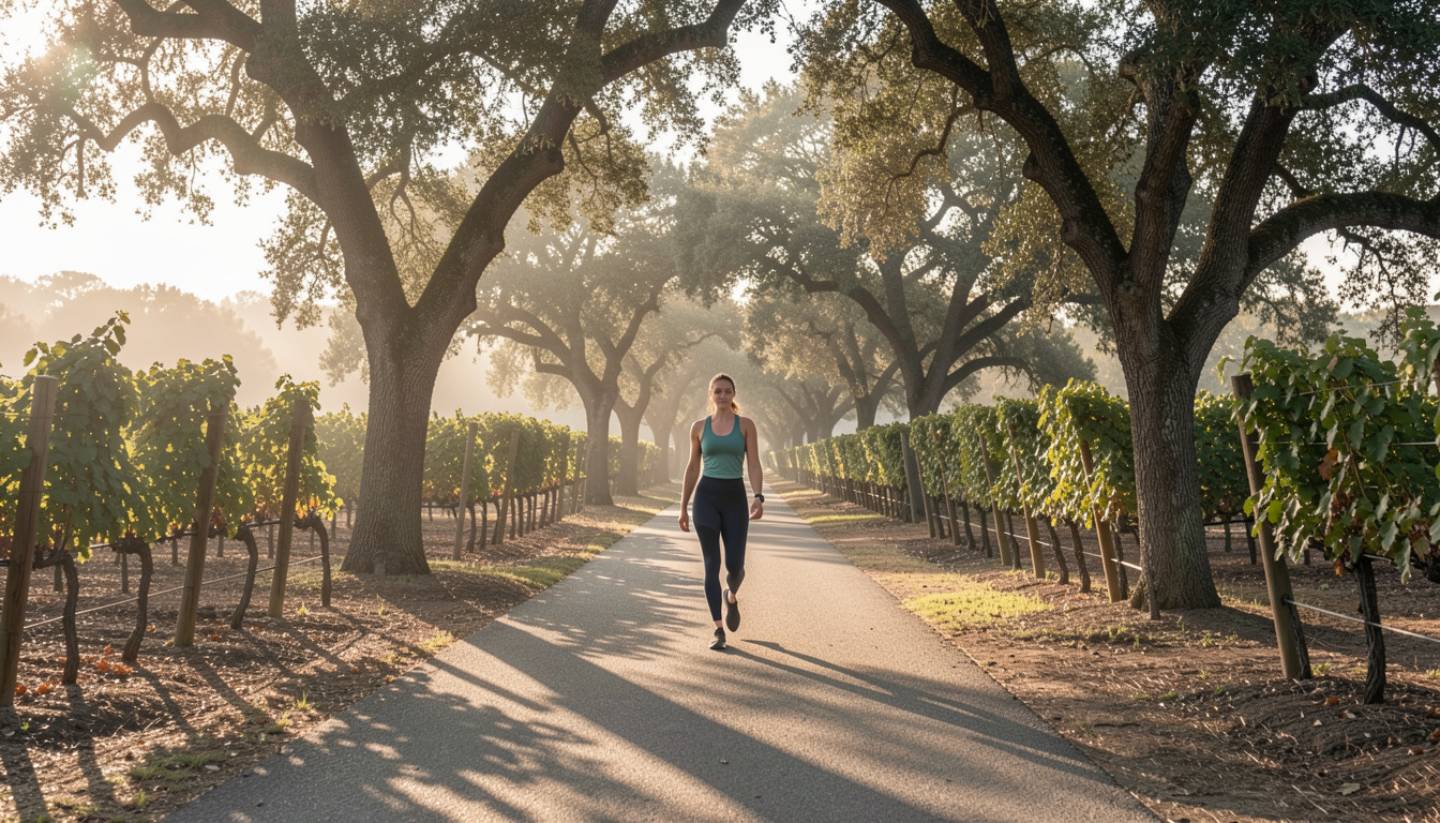
Start with gentle movement to signal the body that the trip has begun.
Yountville Walking Path runs parallel to Washington Street and offers open views toward the Stags Leap District.
Downtown Napa Riverfront provides a shaded, flat loop that grounds you after the drive.
Lunch: Clean and Grounded
Farmstead at Long Meadow Ranch sets the tone with produce-driven cooking tied directly to the land. For something simpler, Oakville Grocery allows you to build a picnic that feels intentional without being heavy.
Afternoon: The Body Experience
Choose one core treatment rather than stacking services.
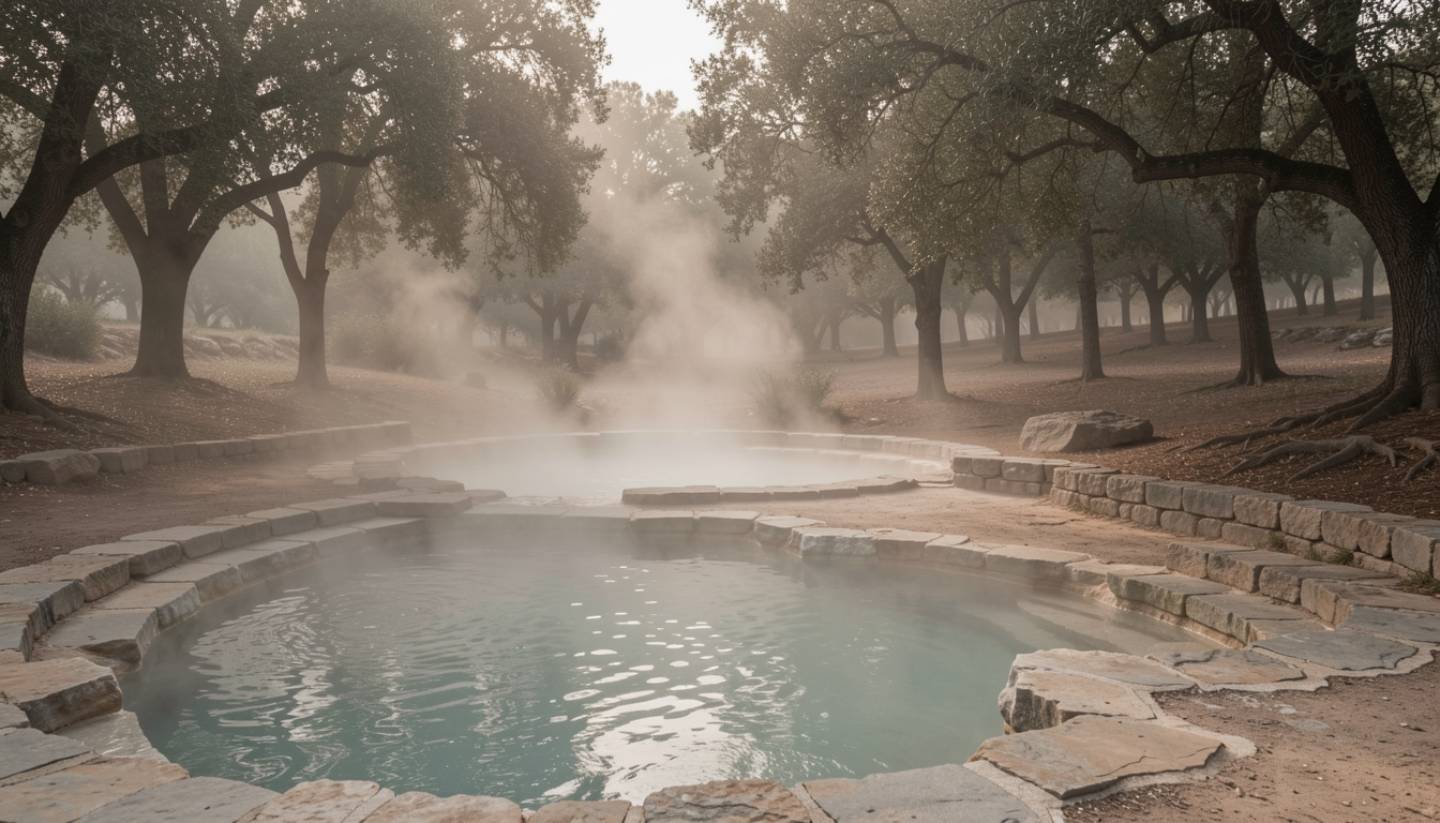
In Calistoga, traditional mud baths and mineral pools offer physical release and deep warmth.
In Yountville or St. Helena, boutique spas focus on aromatherapy, breath, and long-form bodywork.
Jake’s Note
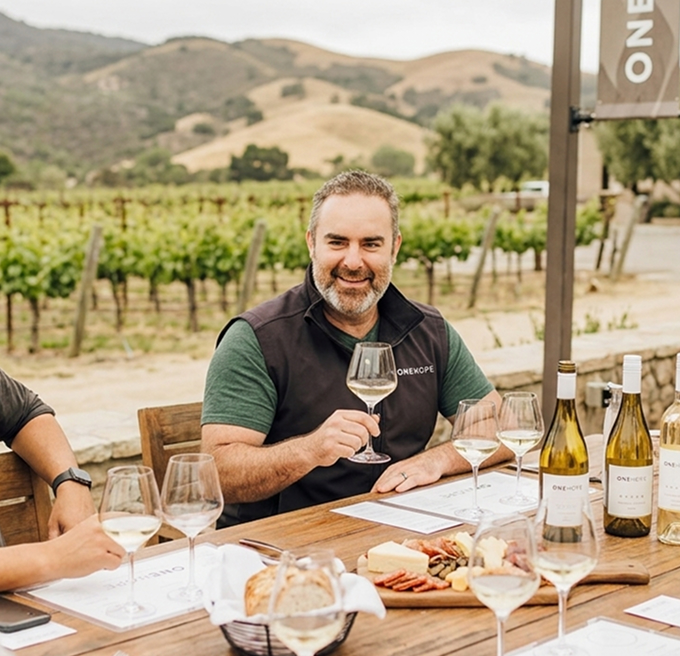
When I need to reset, I plan the day so it ends quietly. I often finish the afternoon at ONEHOPE Winery at Estate 8. I’m obviously biased since it’s my life’s work, but the space was shaped around this exact moment. Late light over the Mayacamas, open air, and no pressure to perform. For wellness travelers, that sense of spaciousness matters more than another appointment.

Day Two: Slow Morning, Nourish, Return Gently
Morning Without Urgency
Wake without an alarm. Coffee and an English muffin from Model Bakery in St. Helena is enough structure for the morning. Walk the side streets before the shops open. This is when Napa feels most honest.
One Thoughtful Experience (11:00 am)
Choose a quiet, seated tasting focused on vineyard expression rather than volume. Estates along the Rutherford Bench or Spring Mountain tend to offer calmer, more contemplative experiences.
Return to the Peninsula
Leave Napa by early afternoon or linger for an early dinner and drive home later. Ending the trip without traffic stress is part of the wellness work.