If you live in San Mateo County, you already understand the pleasure of doing things your own way. Coastal backroads instead of freeways. Midweek escapes instead of crowded weekends. Choosing places that feel right rather than checking boxes.
A self-guided wine tour in Napa works the same way.
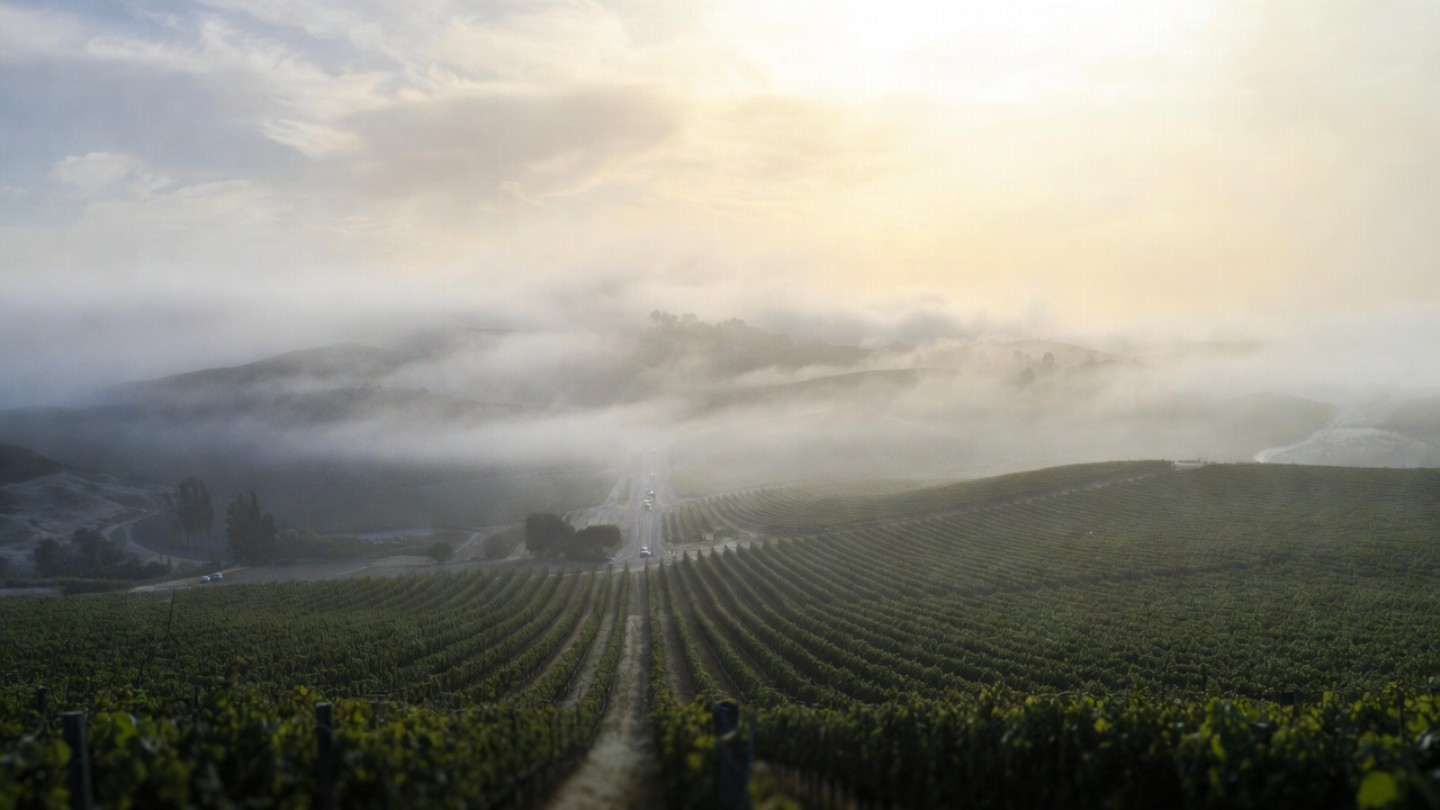
Done thoughtfully, Napa is not a list of wineries. It is a rhythm. Fog lifting off the valley floor. A quiet tasting room before noon. Lunch that stretches longer than planned. When you design your own day, Napa stops feeling busy and starts feeling personal.
What This Experience Is Really About
A self-guided Napa day is about control and restraint. You choose when to start. You decide where to linger. You skip anything that does not match your mood.
For Peninsula visitors used to curating their own weekends, Napa rewards that instinct. The valley is organized by geography, not attractions. When you cluster your stops within one area and move with the day instead of fighting it, everything feels easier and more grounded.
Step One: Choose a Zone, Not a List
The most common mistake I see is crisscrossing the valley. That turns a relaxed getaway into a long commute. Instead, anchor your day to one zone.
South Napa and Carneros
Cooler climate, rolling vineyards, and a softer pace. Chardonnay and sparkling wine thrive here. Best for earlier starts while fog still lingers.
Yountville and Oak Knoll
Central, walkable, and ideal for pairing one tasting with a long, unrushed lunch. This is where food and wine intersect most naturally.
Rutherford and St. Helena
Classic benchland Cabernet country. Plan fewer stops here and give them time. This part of the valley rewards patience.
Local note: Pick your lunch first. The rest of the day will organize itself around that decision.
Step Two: Pick the Right Roads
Understanding Napa’s two main arteries changes your entire experience.
Highway 29
Runs through the heart of the towns. Convenient for dining and strolling, but busier during midday.
Silverado Trail
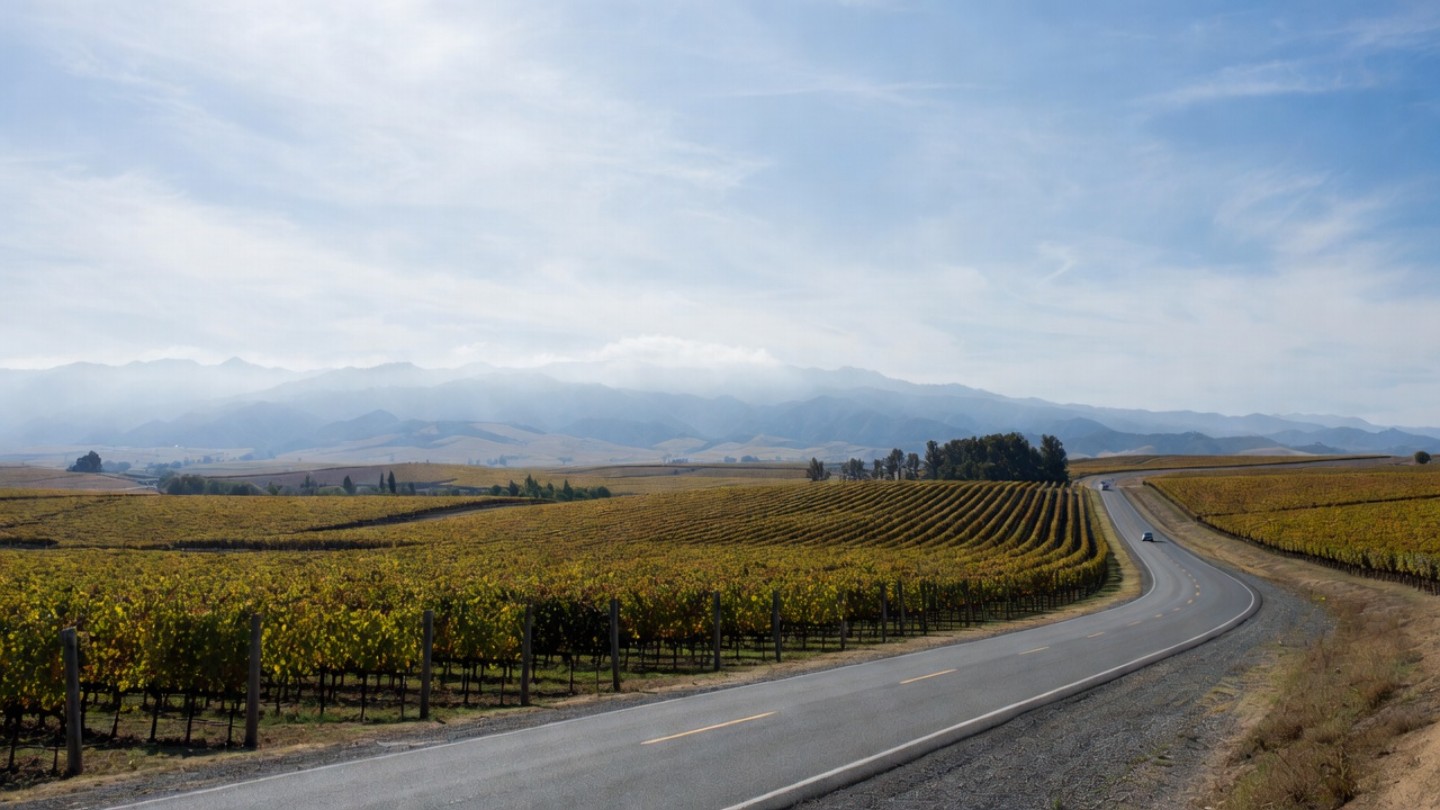
Runs along the eastern side of the valley at the base of the Vaca Range. Quieter, more agricultural, and the route many locals use to move north and south without traffic stress.
Local directional cue: Use cross roads like Yountville Cross Road or Zinfandel Lane to move between the two without backtracking.
Step Three: Appointments Matter More Than You Think
Even on a self-guided day, Napa is appointment driven.
Book your first tasting between 10:00 and 11:00 in the morning, when energy is high and rooms are calm. Space tastings at least 90 minutes apart. Build in one long pause for lunch.
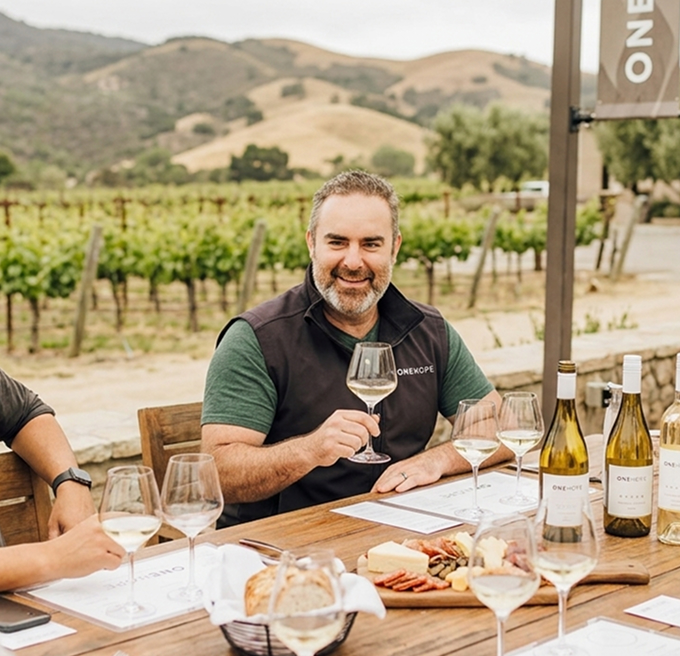
Many of the best experiences here happen at small, family run estates where tastings are designed around conversation, not volume. Those quiet appointments are often what people remember most.
A Small Personal Story
I learned this early on, driving up from the south end of the valley before most visitors were awake. One midweek morning, I pulled off the Silverado Trail just to watch the fog move across the vines. No schedule. No destination. Just space.
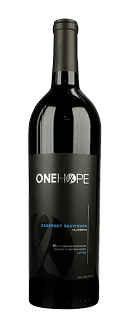
That feeling is something I still try to protect, especially around places close to home like Estate 8. I am a little biased, of course. ONEHOPE and Estate 8 are very much my passion projects. But the lesson stuck with me. Napa works best when you leave room for the land to lead.
A Sample Self-Guided Route from the Peninsula
Morning
Arrive late morning. One appointment in Oak Knoll or Yountville.
Lunch
A sit-down meal in Yountville at places like Bouchon or RH. Let it run long.
Afternoon
One private or boutique tasting north of lunch in Rutherford or St. Helena.
Late Afternoon
Drive a stretch of Silverado Trail afterward, even if you are done tasting. The light on the vines is usually at its best then.
What Most DIY Visitors Miss
They overbook.
Napa is not about volume. Two meaningful tastings will teach you more about the valley than five rushed stops. Some of the most memorable moments happen between appointments, not inside them.