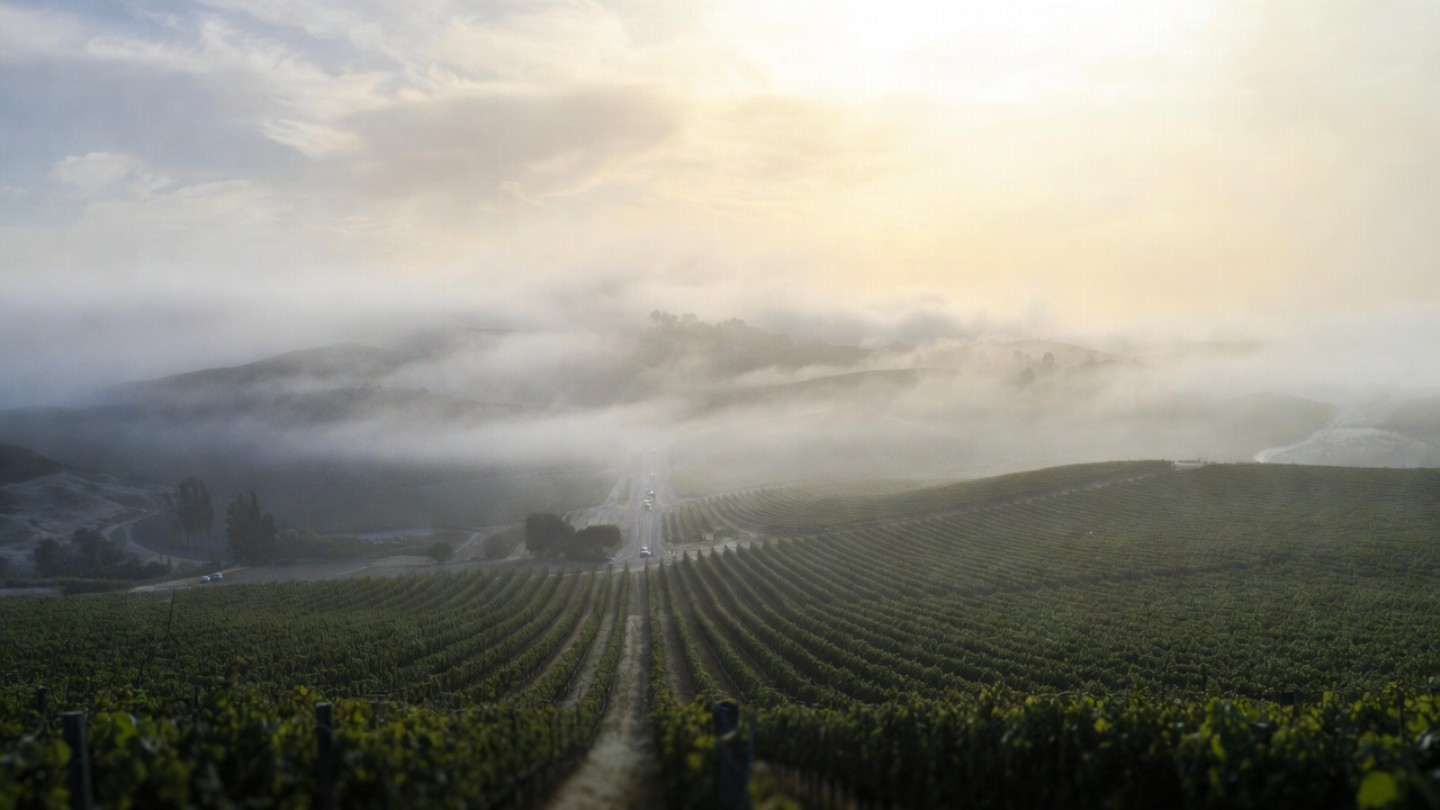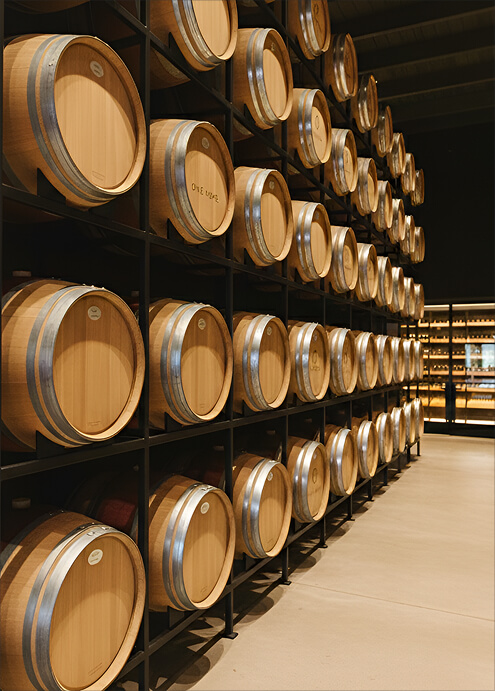
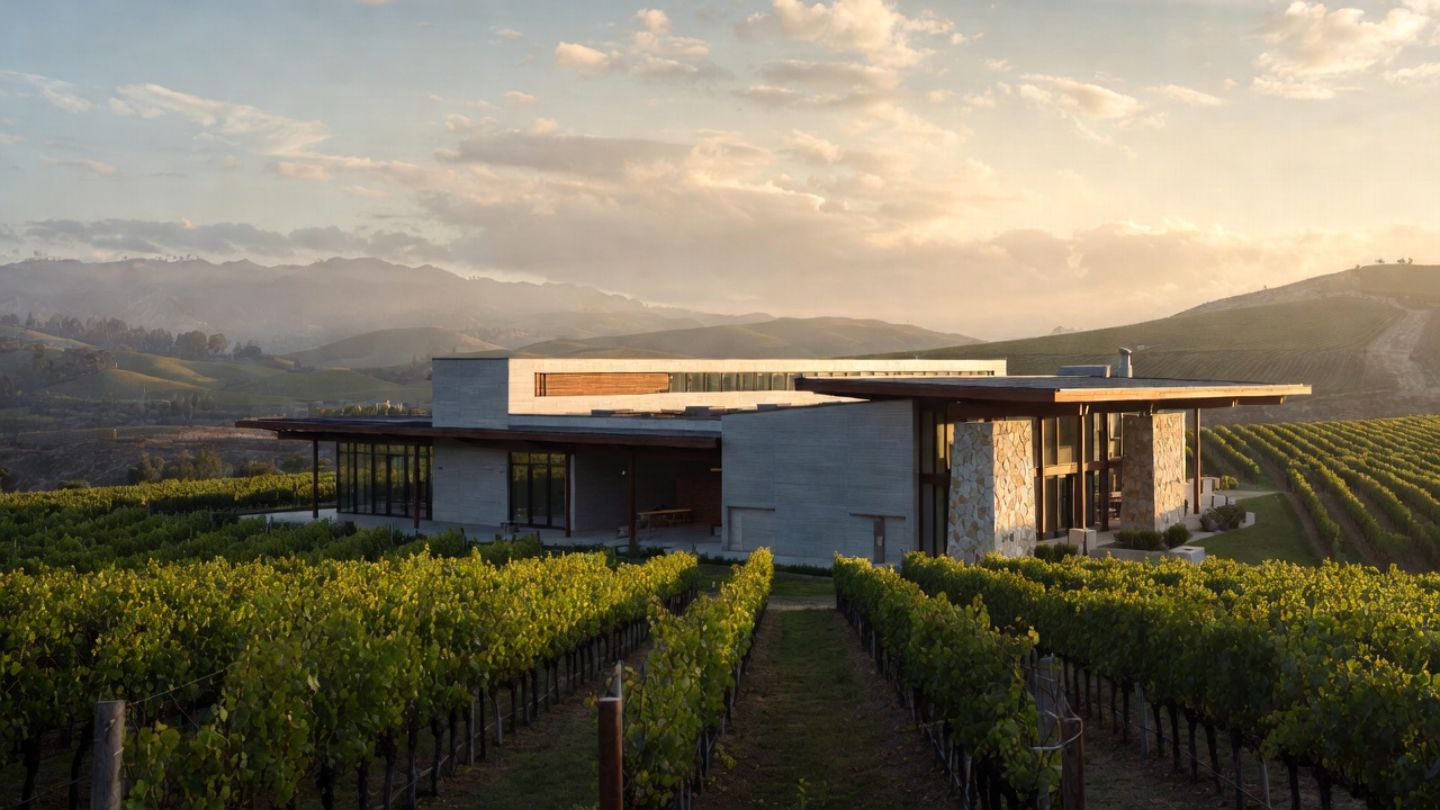
For couples coming up from San Mateo County, Napa often feels less like an escape and more like a shift in perspective. You leave the Peninsula’s coastal light and clean lines behind, cross the Bay, and arrive somewhere slower and more tactile. Stone walls warming in the sun. Wood worn smooth by hands over time. Vineyard rows shaped by land rather than geometry.
This side of Napa draws people who notice how a room is built, how light moves through a space, and how silence can be just as intentional as sound. Wine and art exist side by side here without competing for attention. Nothing needs to announce itself.
This guide is for creative couples who want to experience Napa through architecture, art, and design, with enough space in the day to talk, observe, and let the Valley work quietly in the background.
What This Experience Is Really About
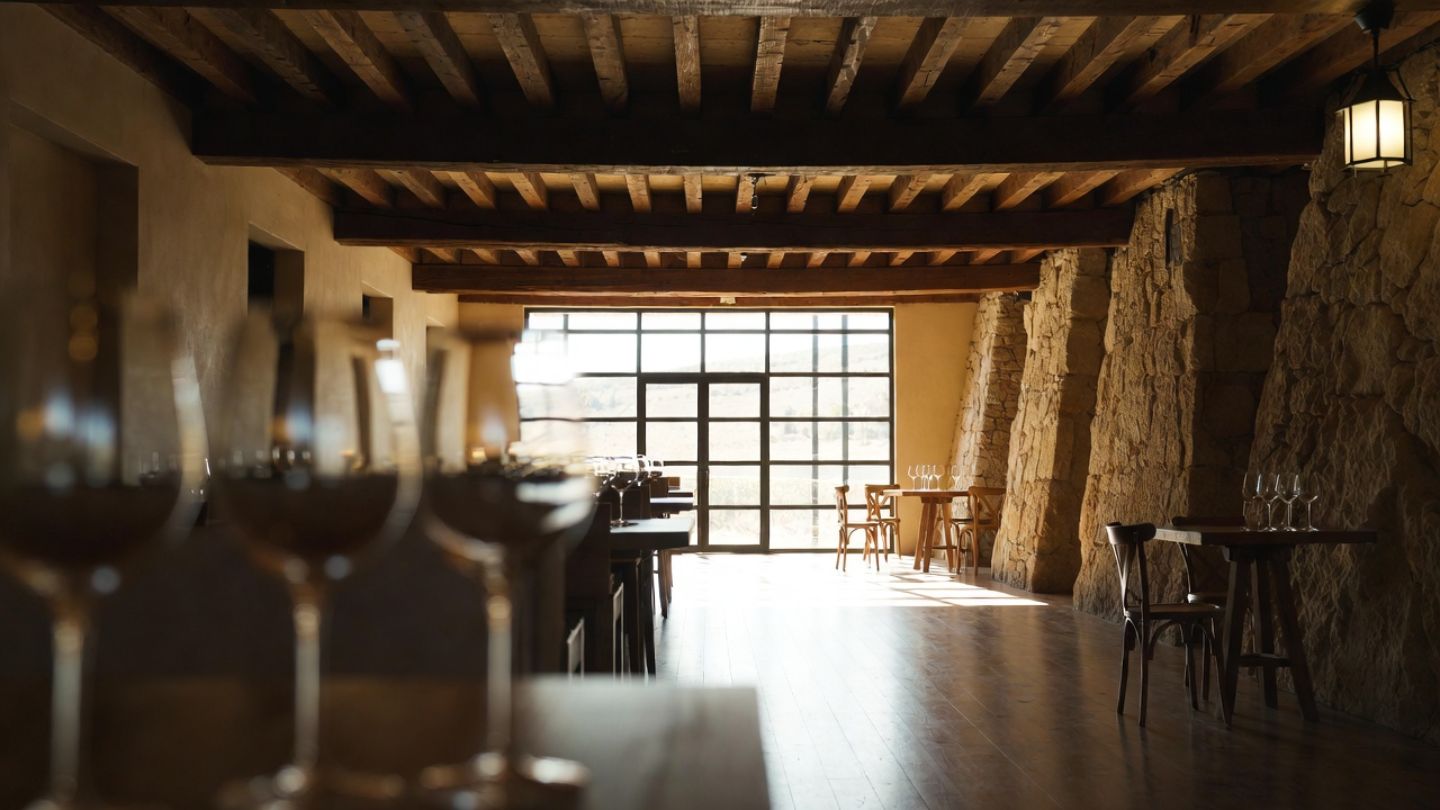
This is Napa experienced through form, texture, and atmosphere. It is about how a room feels when you step inside. How the tasting bar sits in relation to the view. How vineyards frame architecture instead of overpowering it.
Creative couples are often drawn to:
- Wineries where architecture and landscape feel in conversation
- Art spaces that reward quiet attention rather than crowds
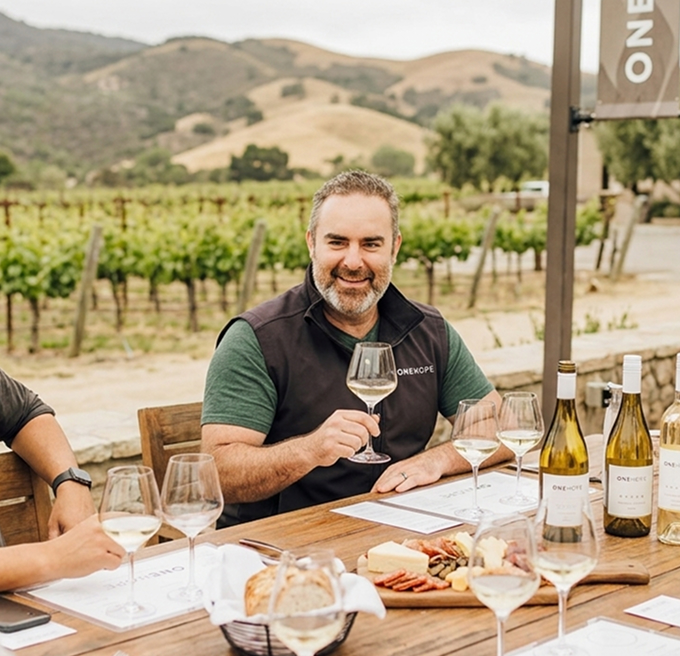
- Seated tastings designed to slow the pace
- Days built around flow instead of back to back appointments
Napa does this exceptionally well when you seek out places built with restraint and intention.
When It Is Best
Late spring and early fall offer the most balanced light and comfortable temperatures, when colors feel richer and spaces invite lingering. Summer afternoons are beautiful but benefit from indoor design focused rooms or shaded outdoor seating.
Midweek visits tend to feel more personal. Conversations are easier. Spaces reveal themselves when they are not full.
What Most Visitors Miss
Many visitors move too quickly through Napa’s most thoughtfully designed places. They taste, take photos, and leave.
The real reward comes from staying a little longer. Sitting quietly. Letting architecture, landscape, and wine interact. Napa’s design led spaces were never meant to be rushed.
My Local Notes
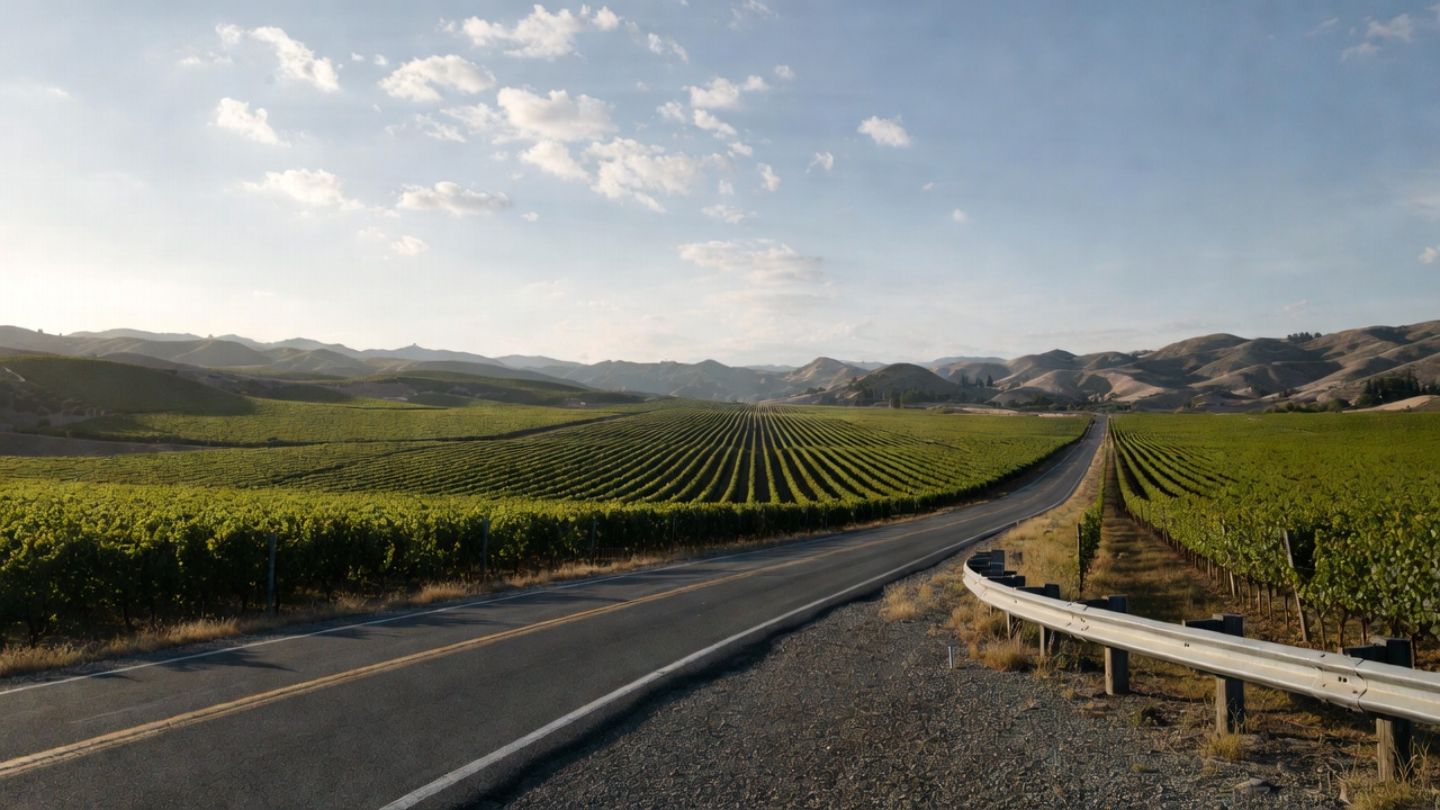
Silverado Trail usually feels calmer and more visually cohesive than Highway 29. South Napa quietly holds some of the Valley’s strongest intersections of art, design, and hospitality. And some of the best creative resets happen between stops, windows down, letting the drive do part of the work.
This is the Napa many locals choose when we want to think clearly again.
A Short Personal Memory
I remember visiting a small tasting space years ago where the room itself changed how the wine felt. The light was soft. The materials were honest. Nothing tried to impress. We talked about the space before we talked about the wine, and that felt right. It reminded me that wine, like design, works best when it supports connection rather than demanding attention.
How to Make It Memorable
- Choose fewer stops and stay longer at each
- Look for places where architecture feels grounded in the land
- Include at least one experience that is not wine related
- Leave room in the schedule for something unplanned
Napa becomes more inspiring when you allow it to unfold.

A Simple Creative Napa Day From the Peninsula
If You Only Have One Hour
Visit one design led winery with a seated tasting, then take a slow drive along the Silverado Trail to let the experience settle.
If You Have a Full Afternoon
Begin with an art focused winery or gallery space in south Napa. Enjoy a long lunch nearby. Finish with a tasting where architecture and landscape share equal weight.
The goal is not coverage. It is connection.
Art Spaces and Design Led Wineries to Look For
Seek out places that emphasize:
- Architecture integrated into hillsides or vineyards
- Minimalist interiors that let materials speak
- Outdoor installations or sculpture gardens
- Hospitality that feels curated but genuinely warm
South Napa, Yountville, and stretches of the Silverado Trail consistently offer the strongest concentration of design forward experiences.
A Note on Wine, Design, and Purpose
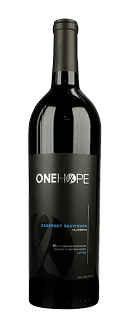
I will admit a little bias. ONEHOPE and Estate 8 grew out of my belief that wine spaces should feel grounded and intentional, not performative. Design matters when it supports calm and connection. Some of the most meaningful moments happen in rooms built to help people slow down and be present with each other.