If you live in San Mateo County, you already know how to spot the difference between scale and craft. You choose neighborhood bistros over chains, small galleries over museums, and places where someone remembers your name without checking a reservation list. Napa Valley still offers that same intimacy if you know where to look.
Beyond the grand estates and tour buses, the valley is stitched together by small producers, family vineyards, and appointment only tastings where the person pouring the wine is often the person who grew the grapes or walked the rows that morning. This is Napa for boutique winery hunters coming up from the Peninsula. Fewer signs, deeper conversations, and wines you will not find on a shelf back home.
What This Experience Is Really About
Boutique Napa is about access. Access to stories, to vineyards that do not advertise themselves, and to wines made in quantities small enough that each vintage feels personal. Coming from San Mateo, where design, food, and craftsmanship are part of daily life, this version of Napa feels familiar. It is less spectacle and more substance.
Wine tastes different when you are not rushed. You notice details. Farming decisions. The way a slope drains after winter rain. Boutique tastings give you space to understand not just what is in the glass, but why it exists.
Where Boutique Napa Still Lives
Coombsville
Just east of the city of Napa, Coombsville remains one of the valley’s most quietly respected AVAs.
Why It Works: Cooler temperatures, volcanic soils, and producers focused on balance and longevity rather than power.
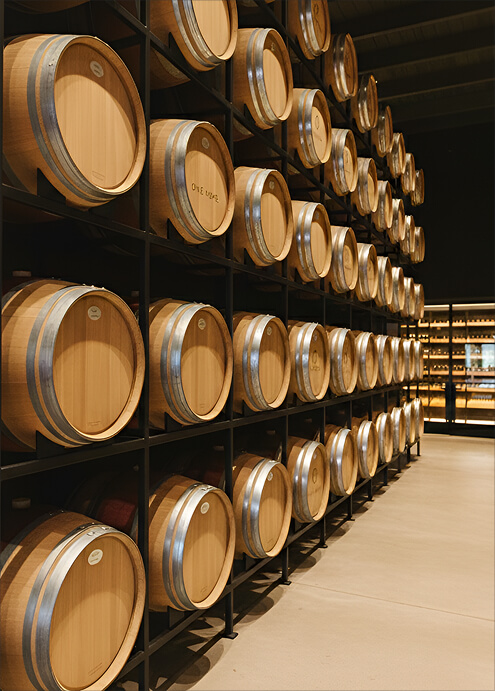
Local Note: Expect crush pad tastings, front porch conversations, and wines poured directly from small production barrels.
Spring Mountain District
Perched above St. Helena, Spring Mountain feels worlds away from the valley floor.
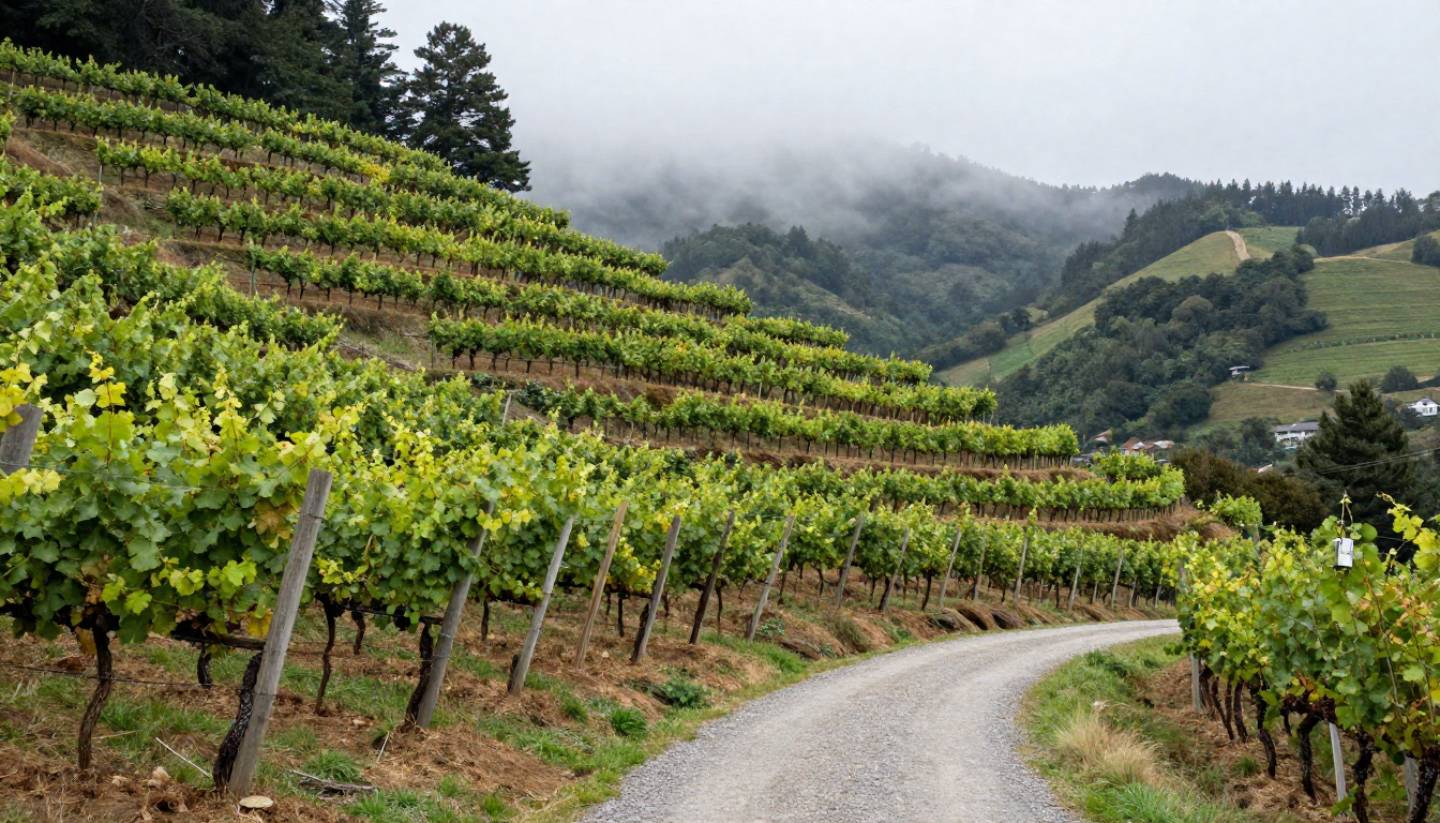
Why It Works: Steep hillsides, forested roads, and extremely limited acreage mean yields stay small and personal.
Directional Cue: Take Spring Mountain Road west out of St. Helena and give yourself extra time. The drive is part of the experience, not a delay.
Howell Mountain
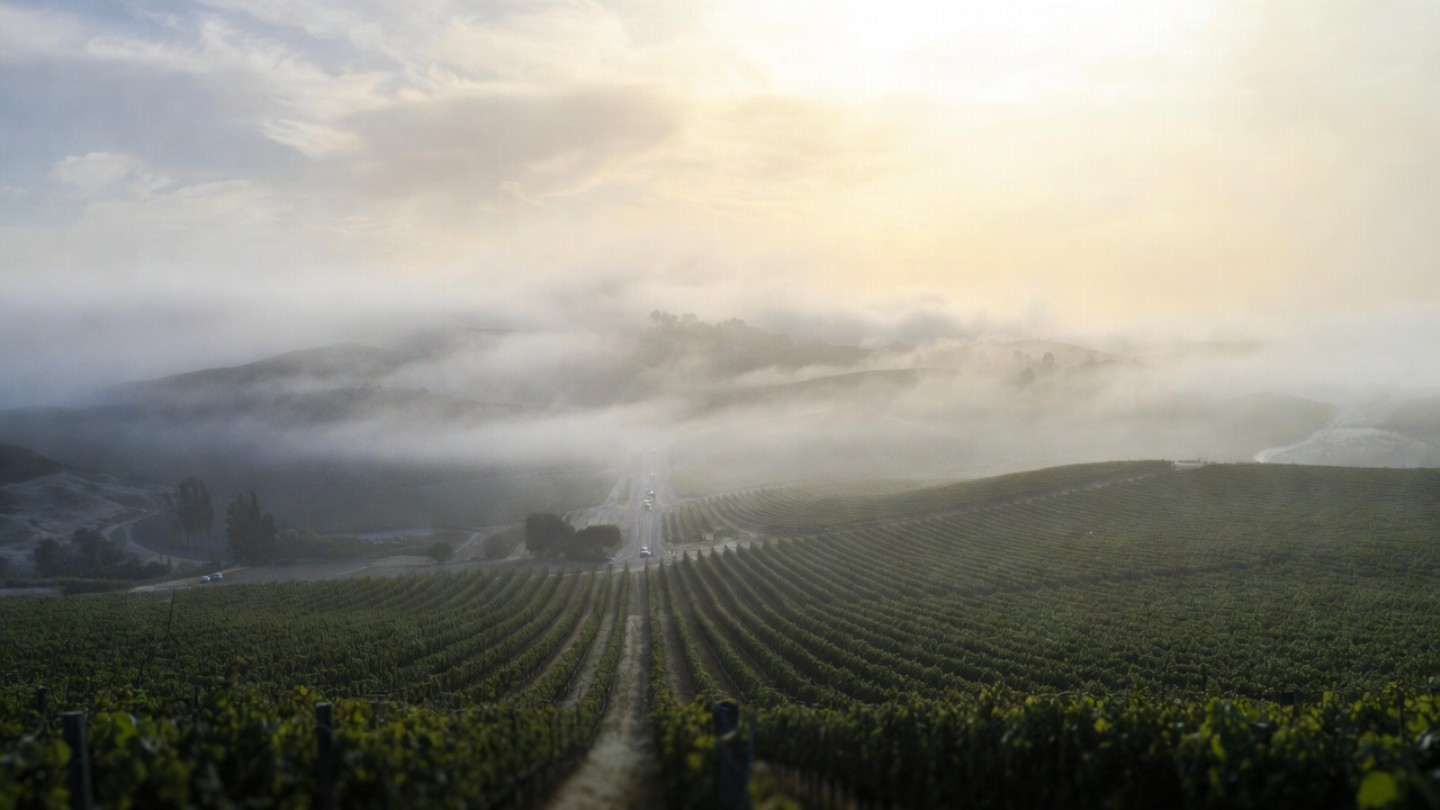
High above the fog line on the eastern side of the valley, Howell Mountain produces some of Napa’s most distinctive wines.
Local Vocabulary: Ask about the red volcanic soils. They create structure and depth that Peninsula collectors often cellar for decades.
Local Note: Tastings here are quiet, focused, and usually led by owners or longtime vineyard managers.
Rutherford Back Roads
Move away from the Highway 29 frontage and toward the western hills.
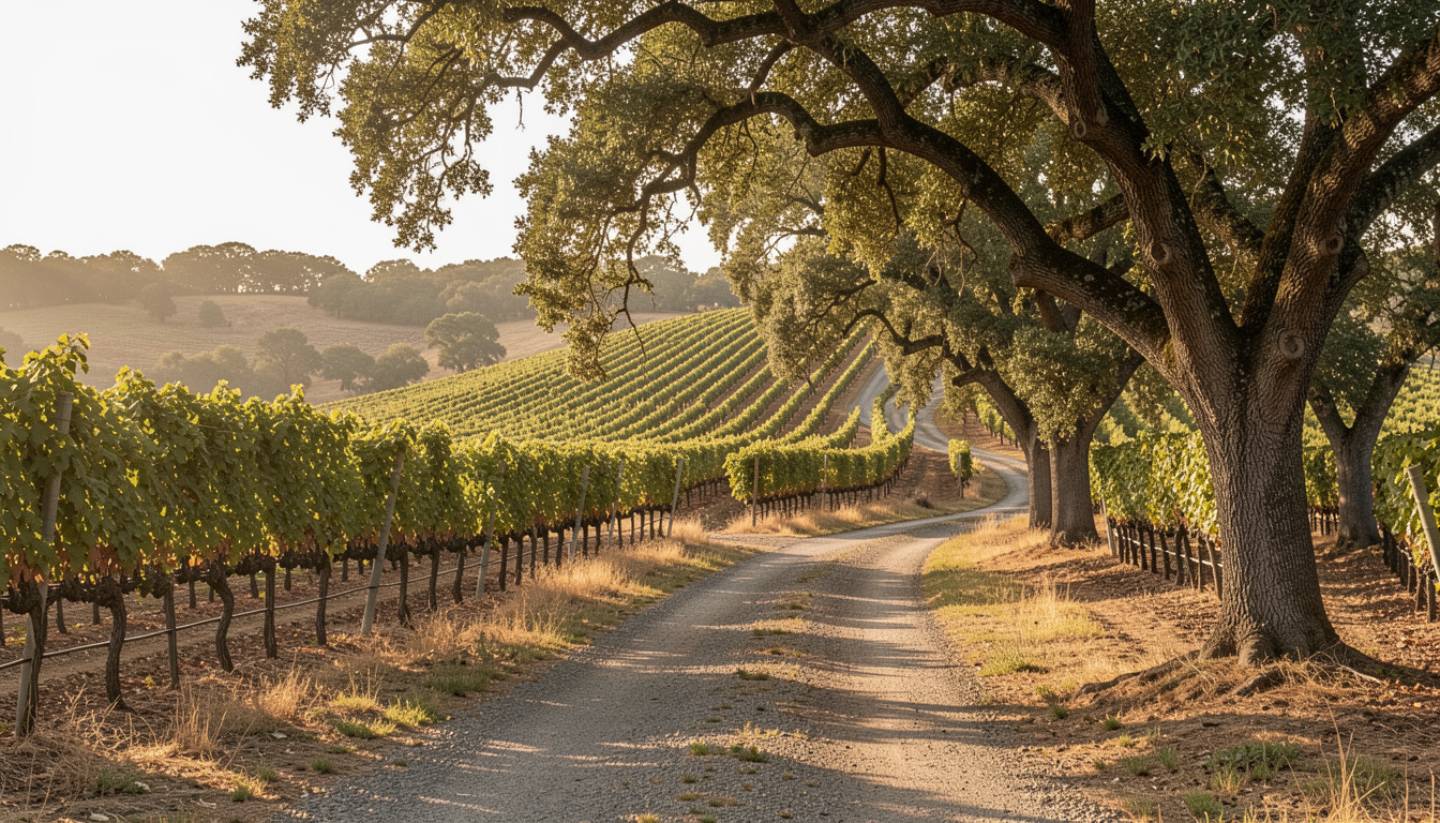
The Benchlands: This stretch of well drained gravelly soil is classic Napa, but many of the best producers remain tucked behind oak trees along roads like West Zinfandel Lane or Niebaum Lane.
How to Plan a Boutique Focused Day
11:00 AM – The Anchor Tasting: Start with your most anticipated visit while your palate and attention are fresh.
1:00 PM – The Unscheduled Lunch: Leave space for a long, unhurried lunch in St. Helena or Yountville. This is where conversations settle and decisions make sense.
3:00 PM – The Afternoon Deep Dive: Choose a second tasting nearby. Staying within one AVA allows you to understand how site and elevation shape the wines.
A Short Personal Micro Story
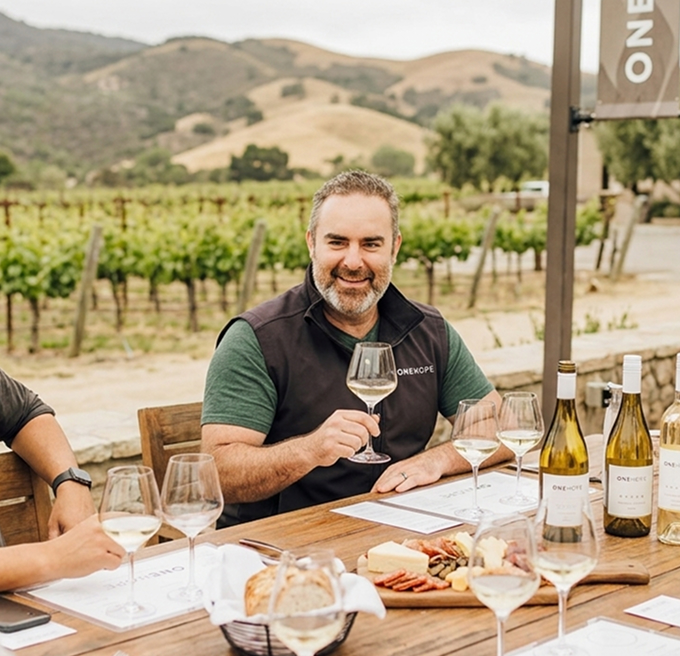
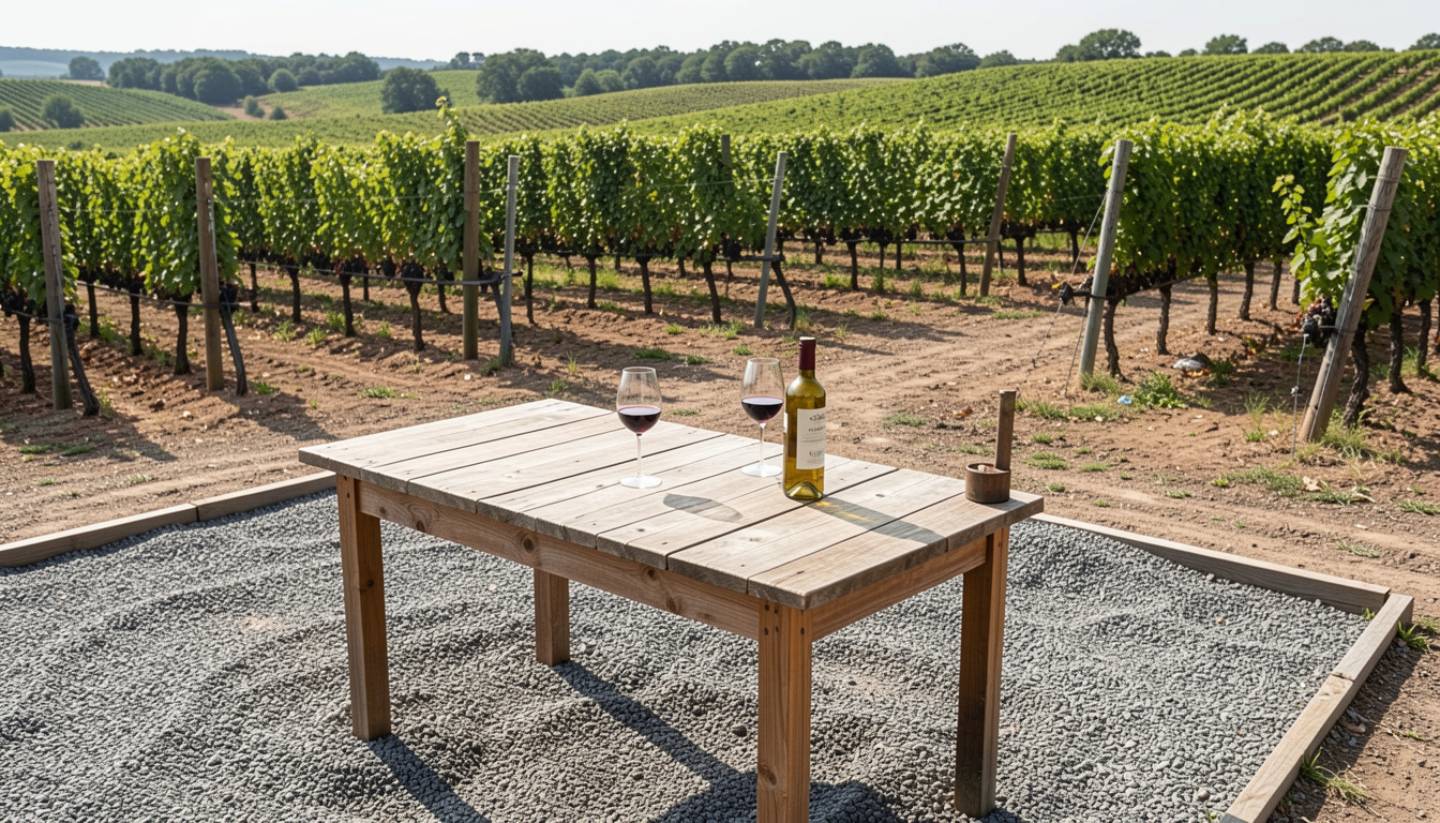
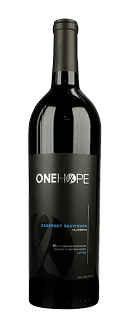
Some of my most meaningful Napa conversations happened at small folding tables, not marble tasting bars. I remember a quiet afternoon when a winemaker poured a single barrel sample and spent more time talking about winter pruning than accolades. When guests visit Estate 8, I encourage that same presence and curiosity. ONEHOPE was built through relationships like these, slow and intentional. I am biased, of course. This valley is my home and my purpose. But boutique Napa is where the human side of wine still speaks the loudest.
What Most Visitors Miss
Many travelers equate visibility with quality. Locals know the opposite is often true. Some of Napa’s most expressive wines come from producers without roadside signs or prominent listings online. Finding them requires intention, respect for appointment culture, and sometimes a simple, thoughtful introduction.