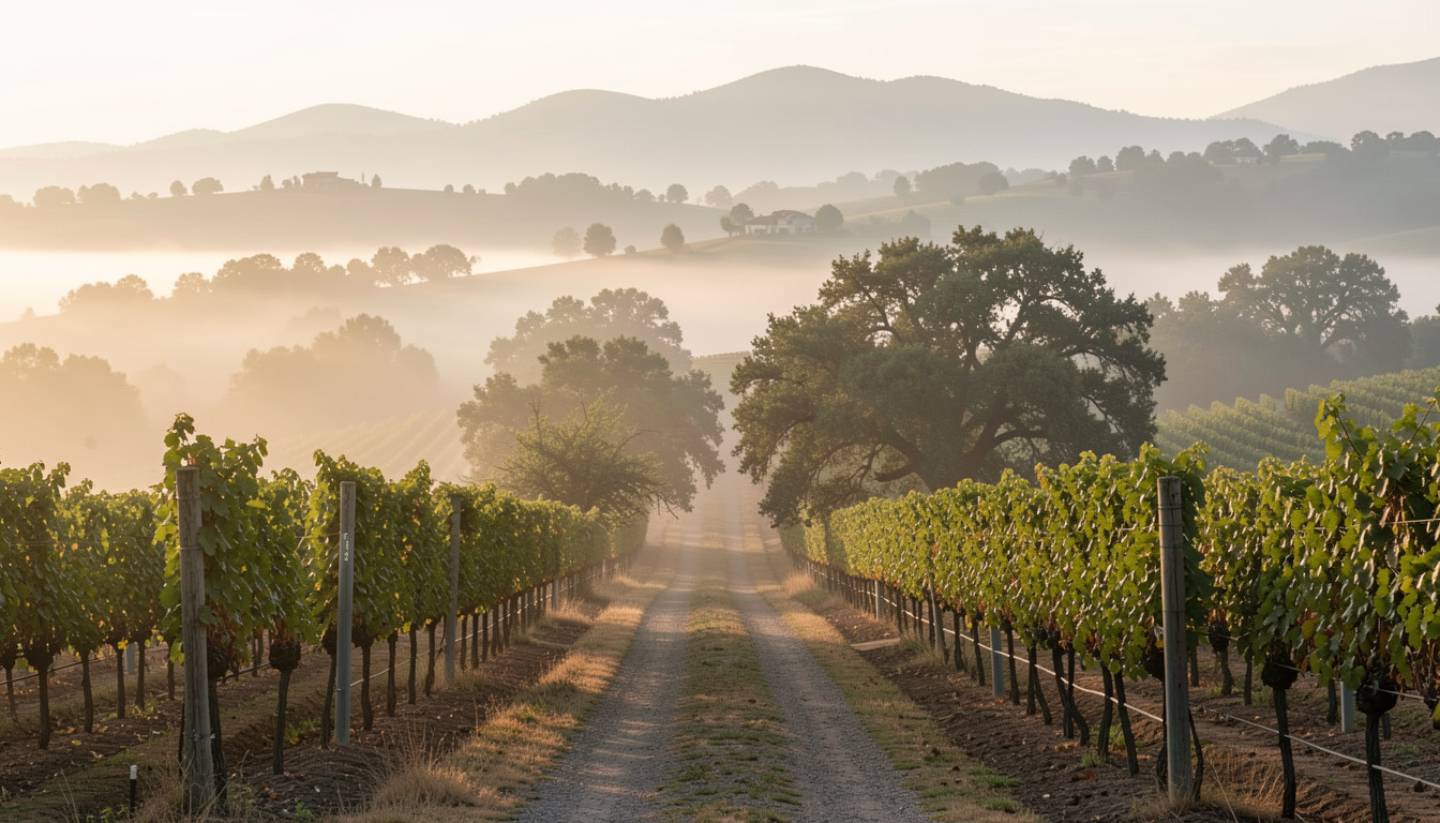
From San Jose, Napa feels less like a vacation and more like a reset you forgot was possible. You leave early, before the South Bay tightens up, climb out of the sprawl, and somewhere past the Carquinez Strait the signal starts to weaken. Messages stall. Slack goes quiet. The valley takes over.
This itinerary is built for tech workers who are tired of optimizing their downtime. It is intentionally light. Fewer stops. Fewer decisions. Fewer inputs. Napa works for a digital detox not because it sells wellness, but because the land itself creates distance. Hills interrupt reception. Roads slow you down. Quiet here is not a feature. It is structural.
Why Napa Works for a Digital Detox
Napa quietly enforces disconnection through geography. The valley floor is narrow and orderly, but as soon as you move into the benchlands and hills, reception fades. Volcanic soil, steep ridgelines, and long distances between towers do the work for you.
For San Jose travelers used to constant bandwidth, this matters. You are not asked to power down or set boundaries. The environment removes the option. When the phone stops being useful, attention shifts outward. You notice wind, temperature, light. Time feels less compressed.
Locals know the quietest Napa is not downtown and not Highway 29. It lives above the valley floor, up winding roads where the drive itself is part of the reset.
When to Go
Winter (January to February)
The true detox season. Mustard blooms, fireplaces, early sunsets, and long stretches of silence.
Spring (March to May)
Green hills and soft light. Ideal for slow walks and unstructured mornings.
Summer (June to August)
Stay above the valley floor. Angwin, Howell Mountain, and Spring Mountain stay cooler and quieter.
Fall (September to October)
Harvest energy is real. For detox, avoid Highway 29 entirely and stick to the eastern hills.
The Itinerary: Silicon Valley to Silence
Day One: The Transition
Late Morning Departure (10:30 to 11:00 AM)
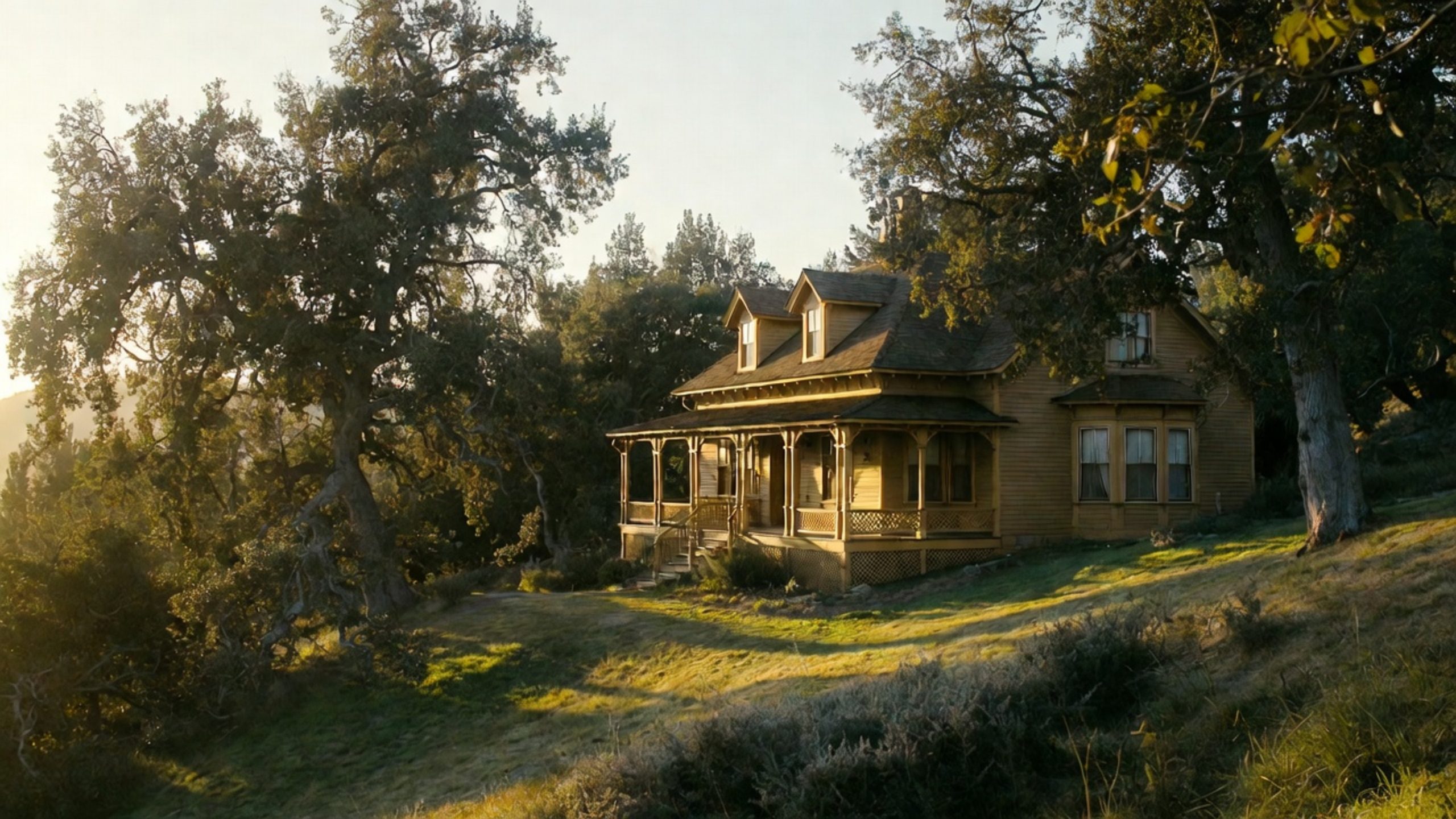
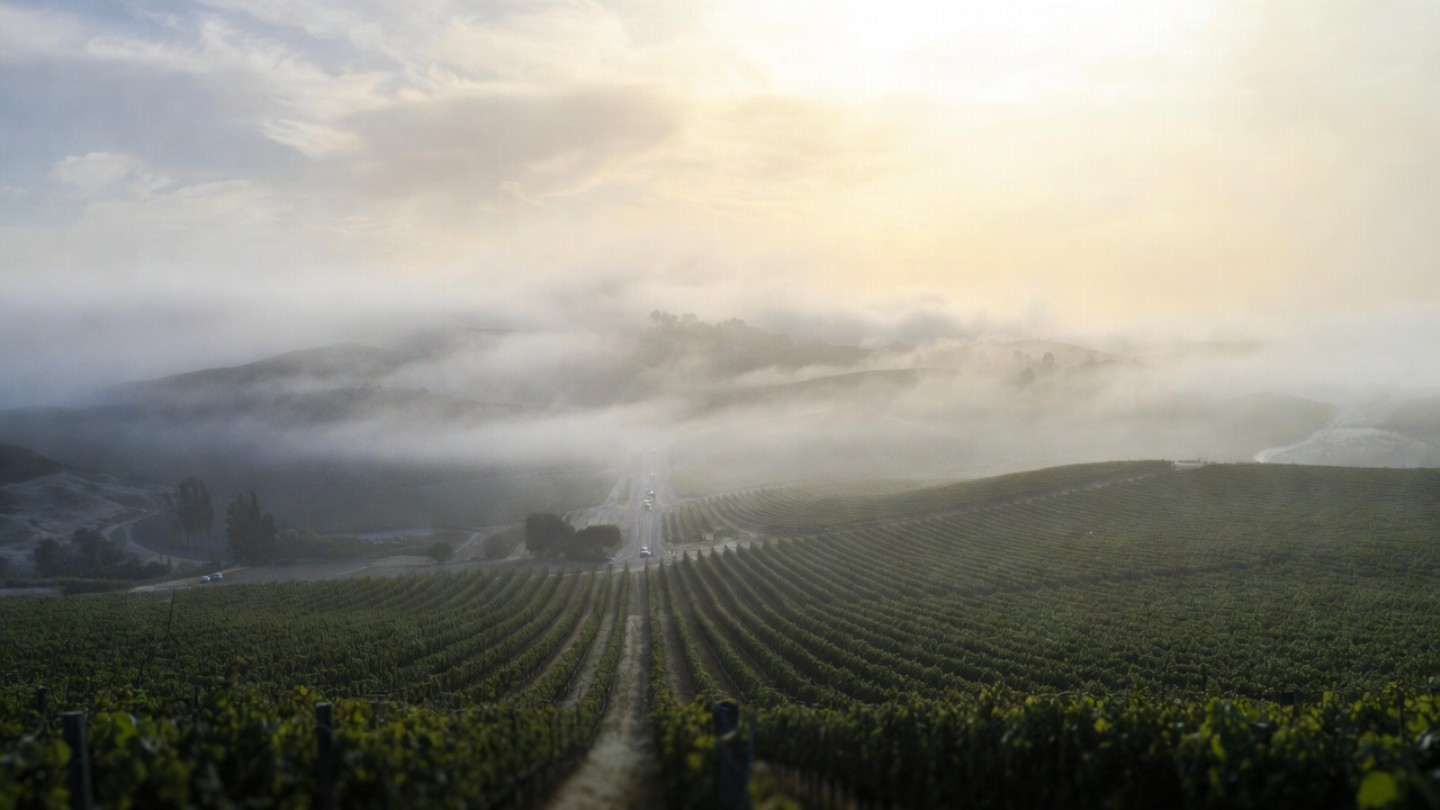
Leave San Jose after the commute window. Enter Napa via Highway 12. Jameson Canyon works like a decompression chamber. The road narrows, radio stations fade, and vineyards appear without fanfare.
Check In Early or Drop Bags
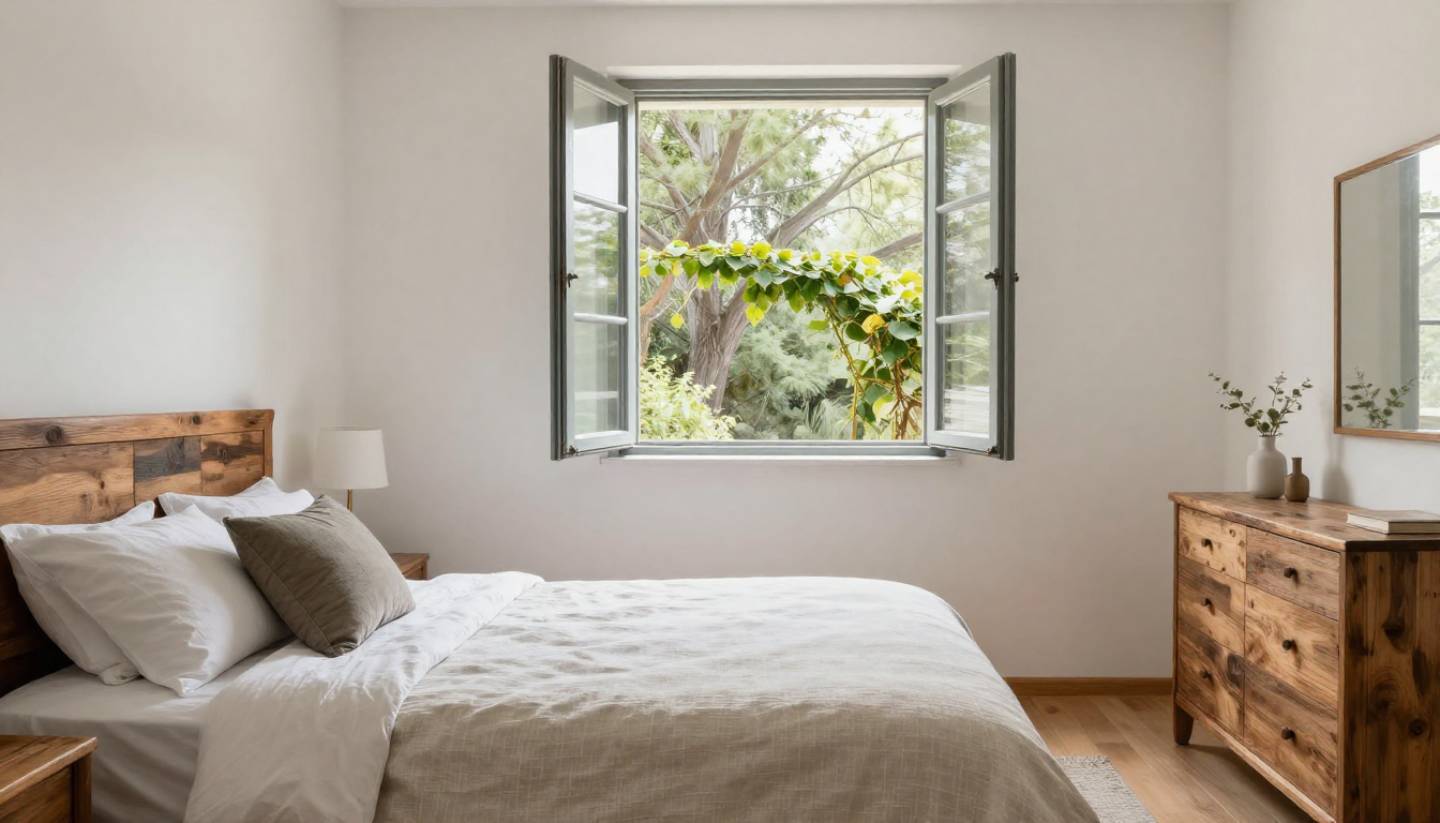
Choose lodging where quiet is built in.
- Calistoga: Geothermal inns and small resorts where evenings end early.
- Spring Mountain: Properties where the climb up guarantees fewer notifications.
- Upper Silverado Trail: Set back from traffic, framed by oak and vine.
Local cue: Ask where service drops. In Napa, dead zones are an amenity.
Lunch Without Screens
Eat somewhere that encourages lingering. Farmstead at Long Meadow Ranch sets the tone with open air and seasonal food. For something simpler, stock up at Oakville Grocery and eat at a roadside pullout facing the vines. Sit. Do nothing else.
Afternoon: One Anchoring Experience
Choose a single, seated winery visit or skip tasting entirely and sit with the landscape.
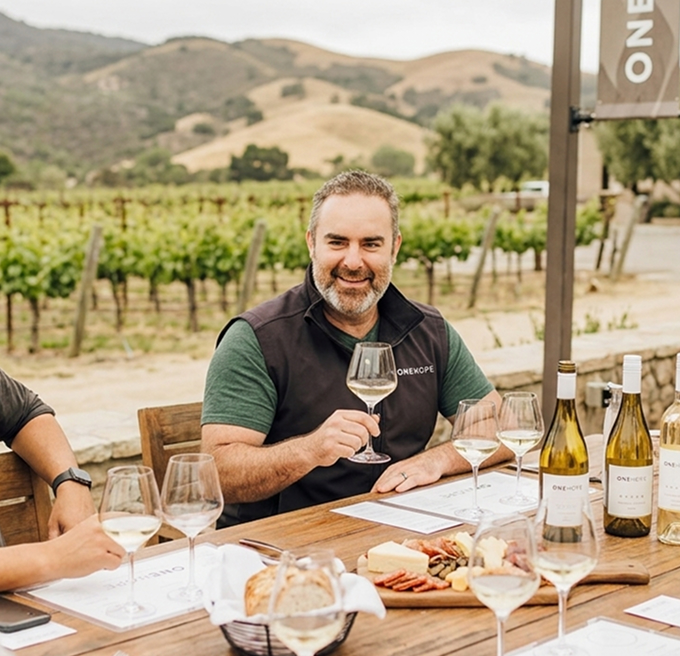
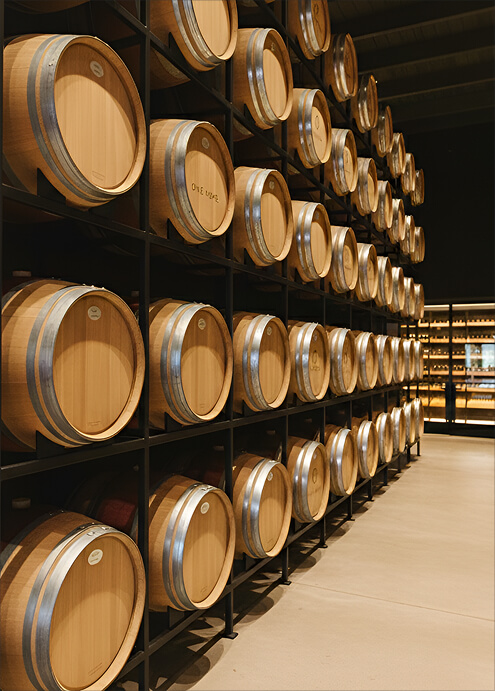
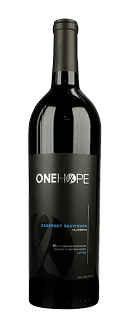
Jake’s note: When I need to reset after weeks of building, I often end the day at ONEHOPE Winery at Estate 8. I am biased. It is my life’s work. But the property was designed with space and quiet in mind. Open air, long sightlines, and no pressure to perform. For digital detox travelers, that spaciousness matters more than what is in the glass.
Evening: Early Dinner, Earlier Bed
Calistoga and St. Helena quiet down quickly. Eat early. Walk once. Let the dark arrive.


Day Two: Low Input, High Awareness
Morning Without an Agenda
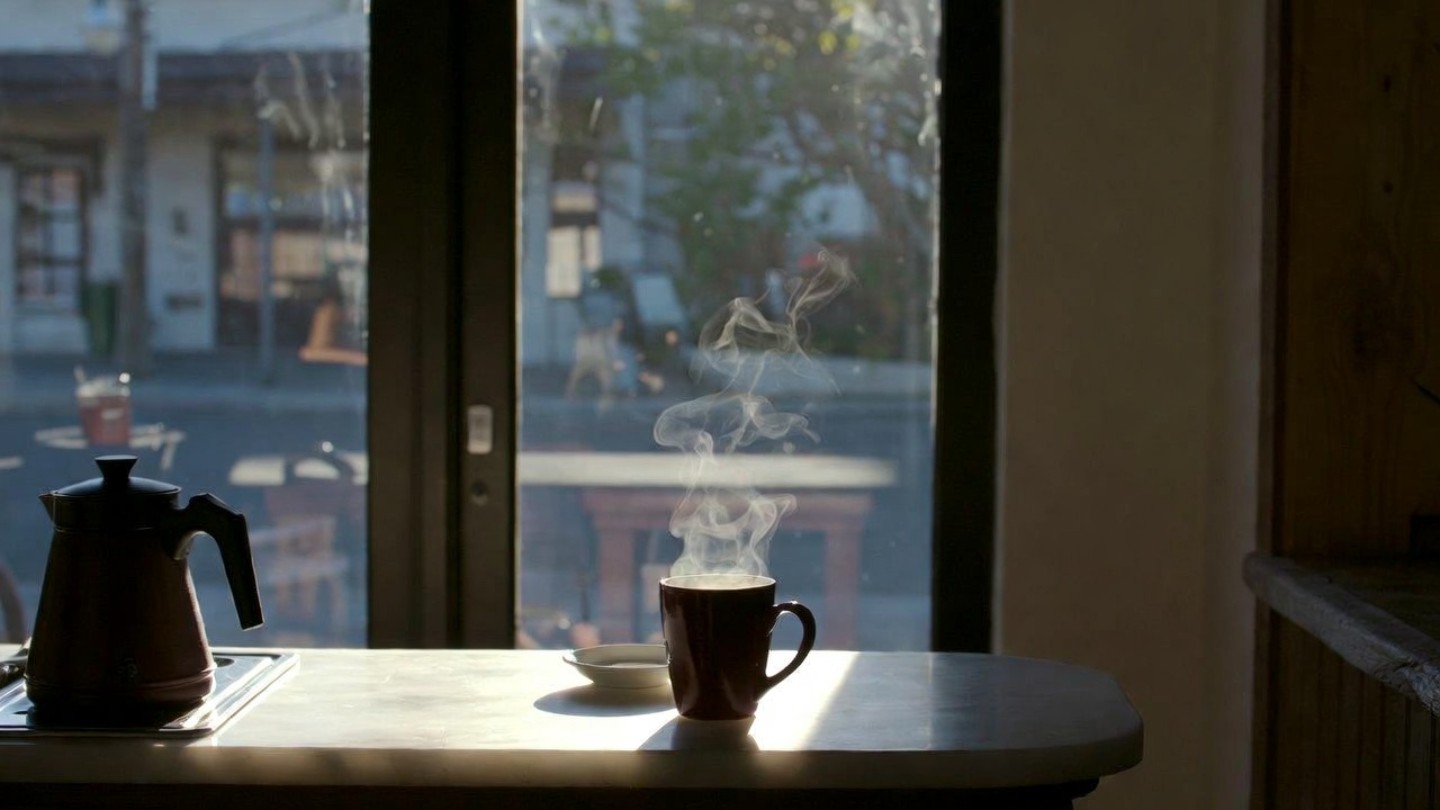
Do not set an alarm. Coffee tastes different when there is nothing to check. Walk your property or the nearest quiet road before breakfast.
Optional Movement
- Bothe-Napa Valley State Park: Dense forest canopy and reliably weak reception.
- Skyline Wilderness Park: Wide views, minimal noise, simple trails.
Midday: The Gentle Return
Have one nourishing lunch and leave Napa before 3:00 PM. Ending the trip without traffic is the final step of the detox.