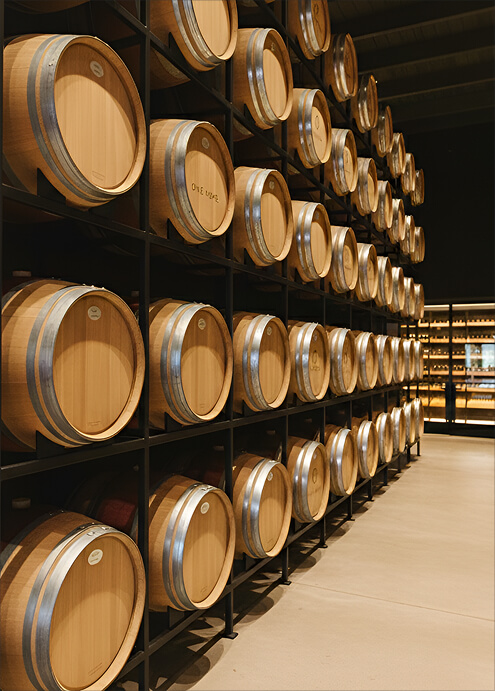
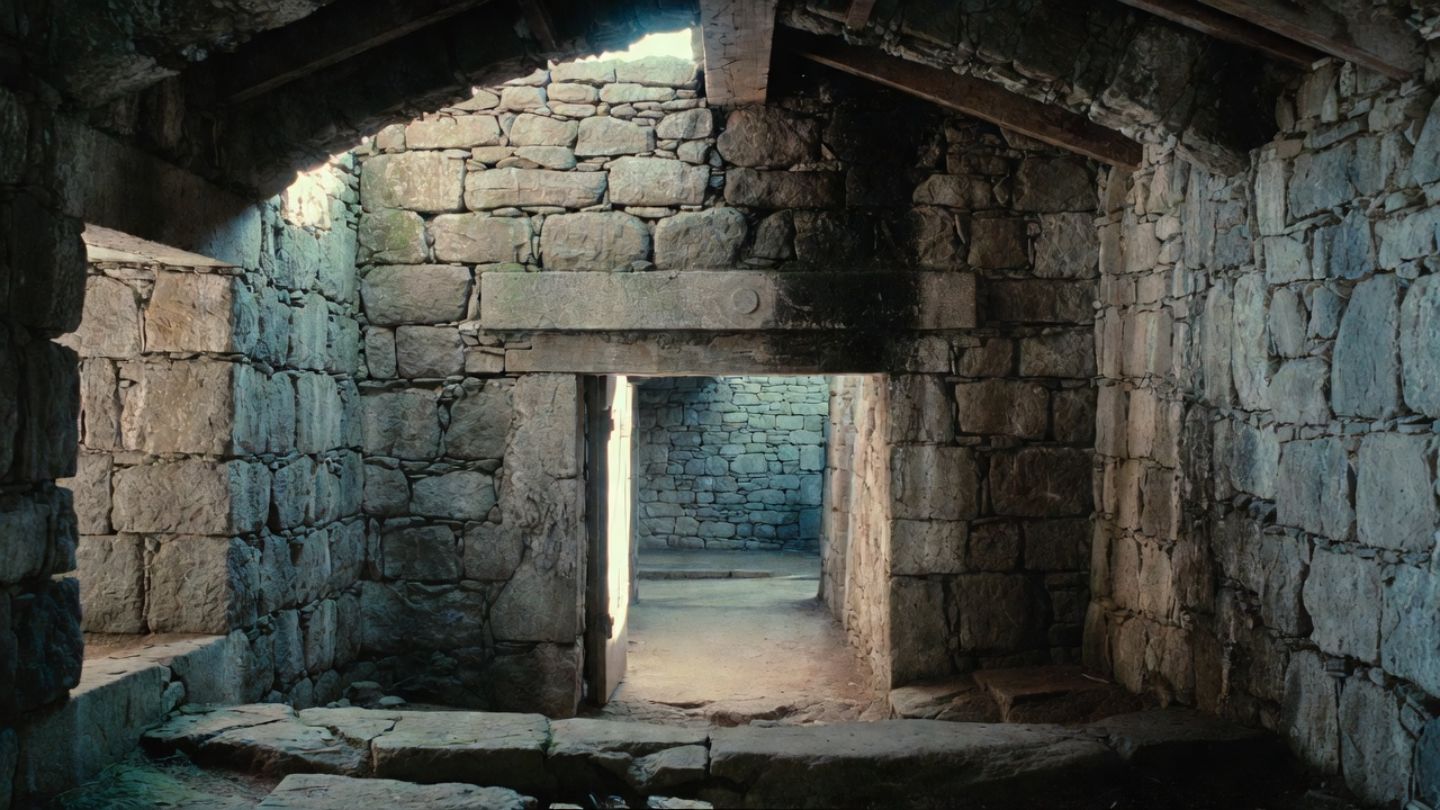
If you live in San Jose, you are used to living on top of history. Adobe foundations beneath glass offices. Orchard roads remembered only by street names. Napa Valley works the same way, just more quietly. Its past is not curated behind velvet ropes. It lives under your feet in stone cellars, hand dug caves, and vineyard rows planted long before tasting rooms were part of everyday language.
For South Bay visitors, Napa is less about novelty and more about continuity. This is a valley shaped by farmers, immigrants, and families who stayed when it would have been easier to leave. The best way to experience it is to slow down, walk underground, and let the past surface at its own pace.
What This Experience Is Really About
This is not a greatest hits tour. It is about understanding how Napa became Napa.
Coming from the South Bay, it is natural to want to optimize the day. History does not reward efficiency. It reveals itself when you give it room. Choose places that still reference their founding families, their original stonework, and their agricultural intent. Listen more than you taste. Walk slowly when you are underground.
Napa history lives in texture. Cool cellar air. Uneven stone walls. The faint smell of earth and old wood that never quite leaves.
When It Is Best
Late fall and winter
Cooler temperatures make cellar visits comfortable and the valley quieter. Conversations go deeper when groups are small.
Early spring
Before summer traffic arrives, mustard blooms among dormant vines and vineyard work is visible and unhurried.
Midweek year round
The slower, truer Napa midweek is ideal for history focused visitors. Guides have time and stories expand beyond rehearsed talking points.
What Most Visitors Miss
Most visitors collect dates and names. History buffs look for patterns.
They notice why vineyards sit where they do. Why cellars face certain directions. Why some families endured Prohibition while others disappeared. A historic winery is not just old. It still feels lived in.
My Local Notes
Downtown Napa stone buildings
Many date back to the 1800s and formed the valley’s original commercial center.
Rutherford and Oakville origins
These areas hold some of Napa’s earliest vineyard plantings and continue to shape Cabernet today.
Calistoga foundations
Rail lines, hot springs, and early tourism defined the northern valley long before modern resort culture.
A Short Personal Memory
I still remember my first walk through an old Napa cellar where the walls were cool and uneven from hand tools. The guide lowered his voice without being asked. It was not a rule. It was respect. Standing there, I could feel the weight of everyone who had worked that space before us. That moment changed how I think about wine. It is not a product. It is a continuation.
Heritage Wineries and Historic Stops Worth Prioritizing
Charles Krug Winery
Founded in 1861 and often considered Napa’s oldest commercial winery, with original buildings still in use.
Beringer Vineyards
A landmark estate with historic tunnels and deep ties to Napa’s immigrant winemaking families.
Inglenook
A cornerstone of Napa’s cultural and architectural history with roots that shaped the modern valley.

Schramsberg Vineyards
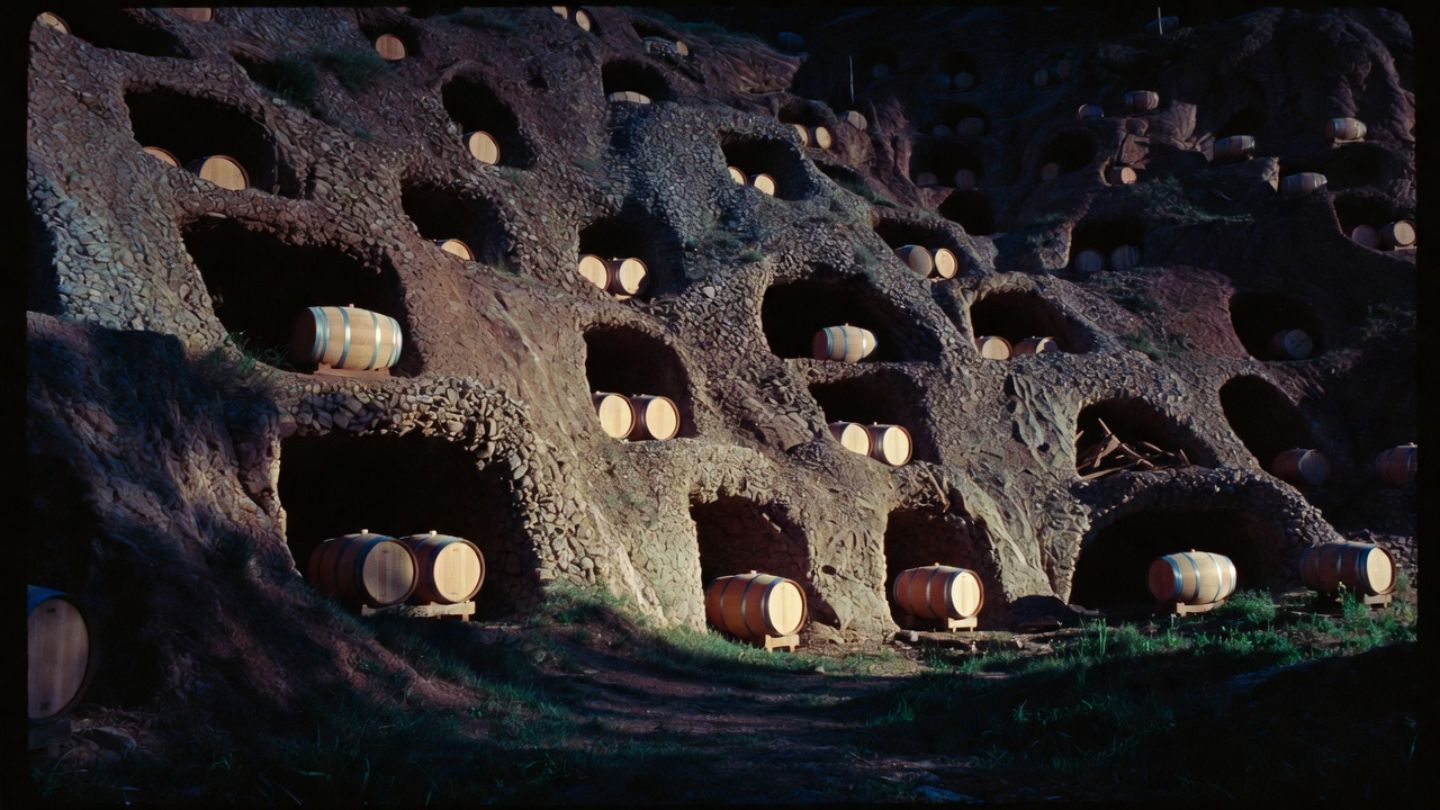
Nineteenth century caves hand carved into volcanic hillsides that tell the story of early Napa ingenuity.
I will acknowledge a gentle bias here. Estate 8 exists because of my respect for these places. It is my baby, shaped by time spent in old cellars and conversations with people who treat land as a responsibility, not a trend. That sense of stewardship carries forward there in a quiet way.
If You Only Have One Afternoon
Begin in downtown Napa near the original nineteenth century commercial core. Drive north on Silverado Trail, one of the valley’s earliest travel routes, toward Rutherford or Oakville for a heritage winery visit with a guided cellar tour. End above ground, letting the modern valley sit beside what you have just learned.
Where to Eat and Stay When History Is the Focus
Where to eat
Look for dining rooms that value consistency over reinvention. Bistro Jeanty in Yountville or historic estate dining rooms often mirror the rhythm of the past.
Where to stay
Historic inns and lodges, especially in the northern valley near Calistoga’s early geothermal resort sites, offer a deeper sense of place than newer builds.