If you live in San Francisco and keep a travel journal, you already know the pursuit of quiet. Not silence exactly, but a steady background calm where thoughts can land. A corner table. A bench with a view. A place that gives you just enough to observe without asking anything in return.
Napa Valley offers that kind of space, especially if you come with intention. Beyond busy tasting rooms and tightly packed itineraries, there is a slower Napa made up of vineyard edges, garden paths, pull-offs along back roads, and cafes where time stretches naturally. For writers and journal keepers, Napa becomes less about where you go and more about where you stop.
What This Experience Is Really About
This is not a productivity retreat. It is about observation. The way fog pulls back from the valley floor. The sound of gravel under tires on a vineyard road. A conversation overheard and left unfinished.
For San Francisco writers used to cafes and coastal walks, Napa offers a different texture. Agricultural rather than urban. Seasonal rather than scheduled. You are not competing with noise here. You are moving alongside the valley’s natural rhythm.
Quiet Writing Spots Locals Gravitate Toward
Rather than famous landmarks, these are the types of places that consistently offer space for journaling.
Vineyard Edges and Backroads
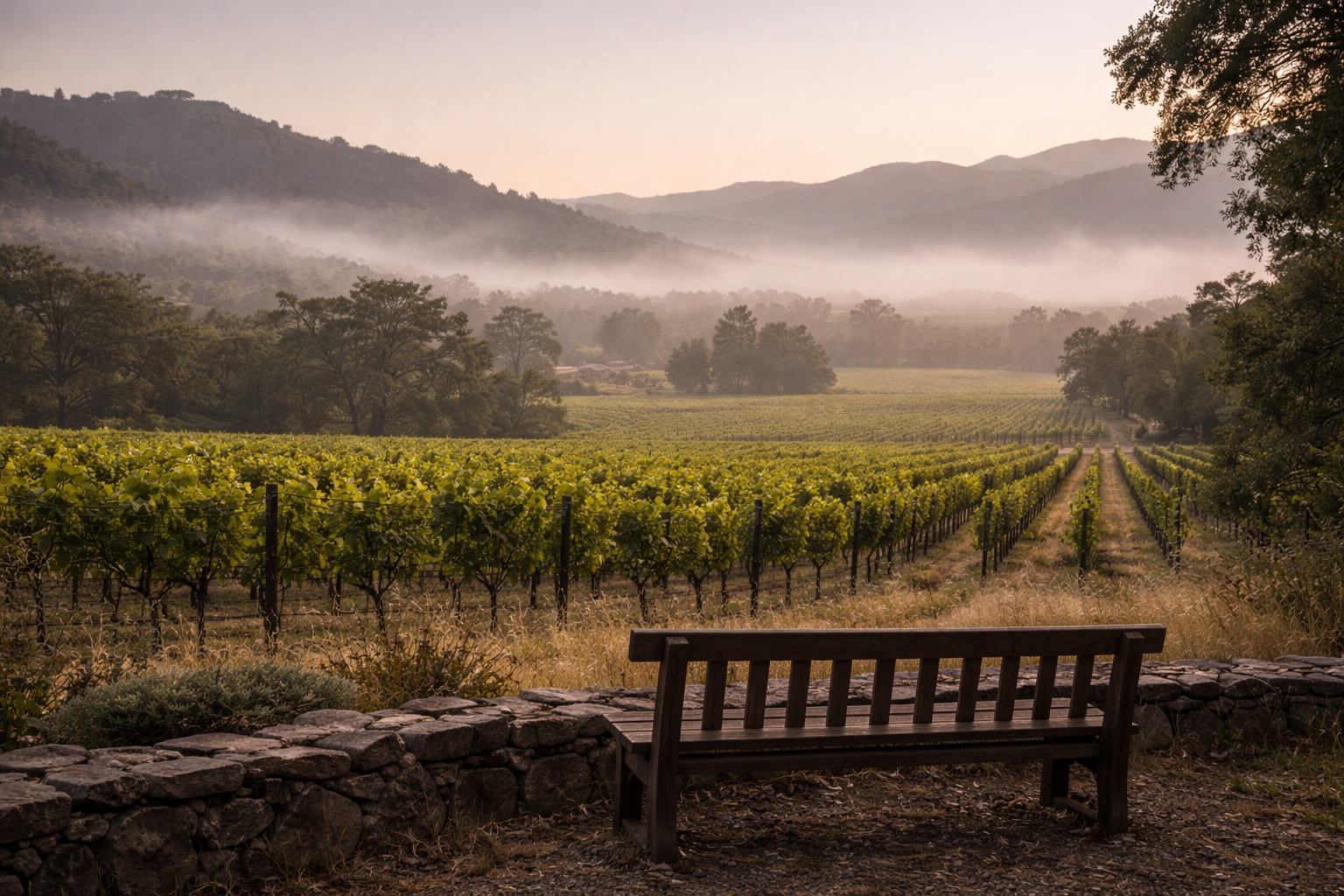
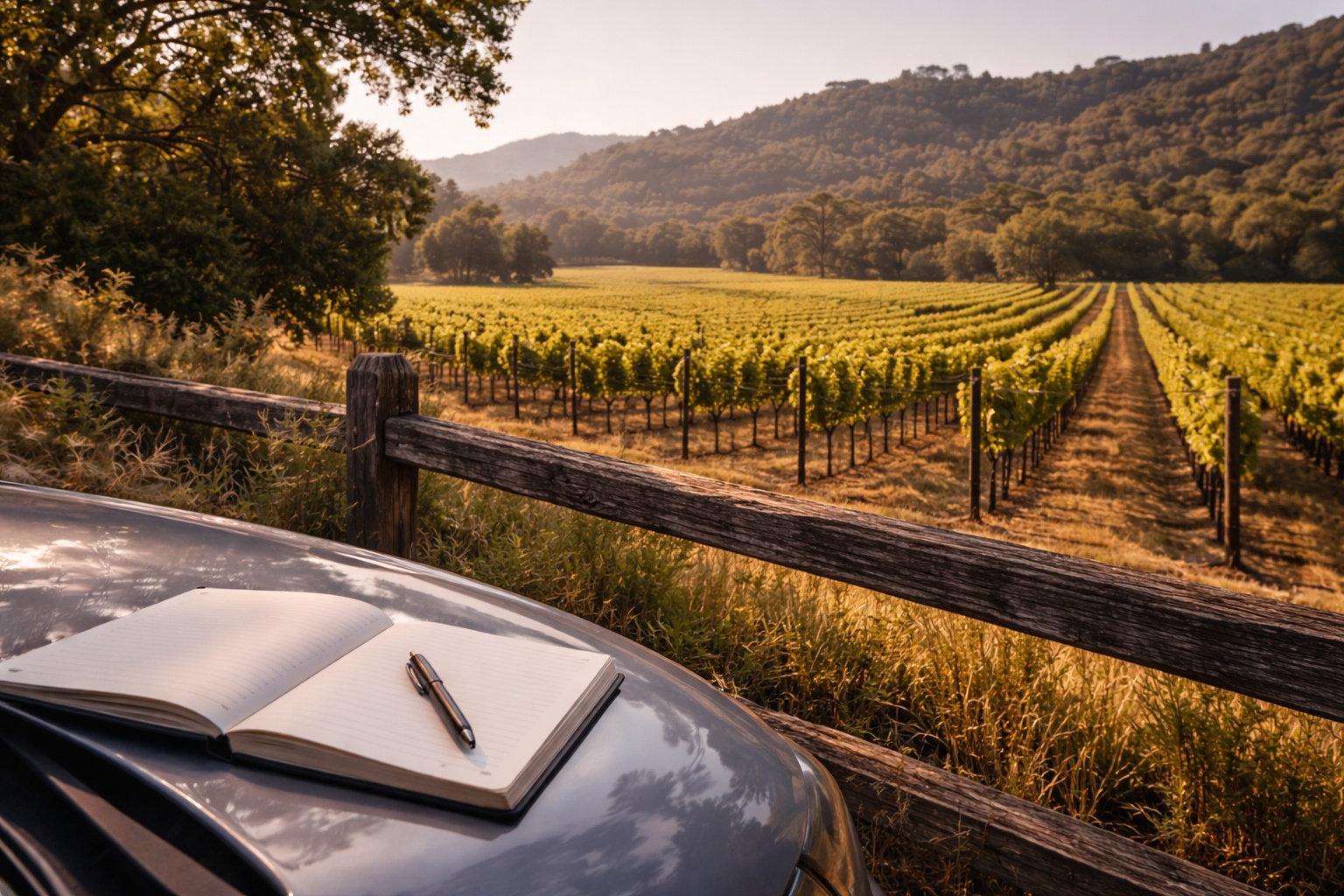
Pull-offs along the Silverado Trail or quieter roads like Dry Creek Road offer wide views with little interruption. Sit in the car with the window down or bring a notebook to a fence line where vines meet open sky.
Town Gardens and Walking Paths
Yountville’s walking paths and garden pockets are especially calm in the early morning before tasting rooms open. Benches here invite lingering without pressure.
River and Water Views
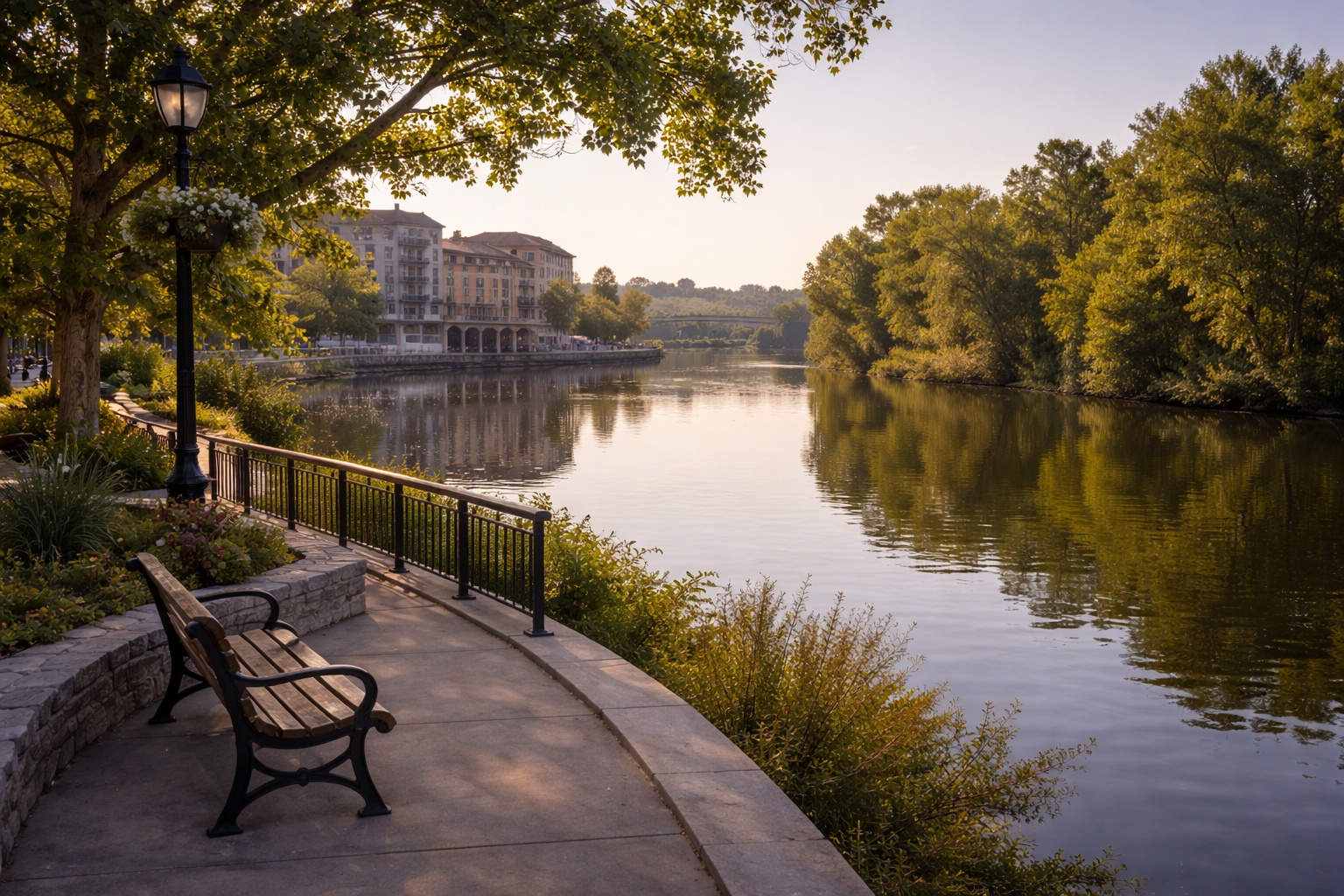
Downtown Napa’s riverfront is peaceful midweek. The steady movement of water slows your writing pace in a way that feels grounding.
Hill Overlooks
The lower sections of Mount Veeder Road or the edges of Skyline Wilderness Park provide elevation and perspective without demanding a long hike.
Local note: The best writing spots in Napa are rarely marked. They reveal themselves when you are not rushing to the next appointment.
When Napa Feels Most Writeable
Early Morning
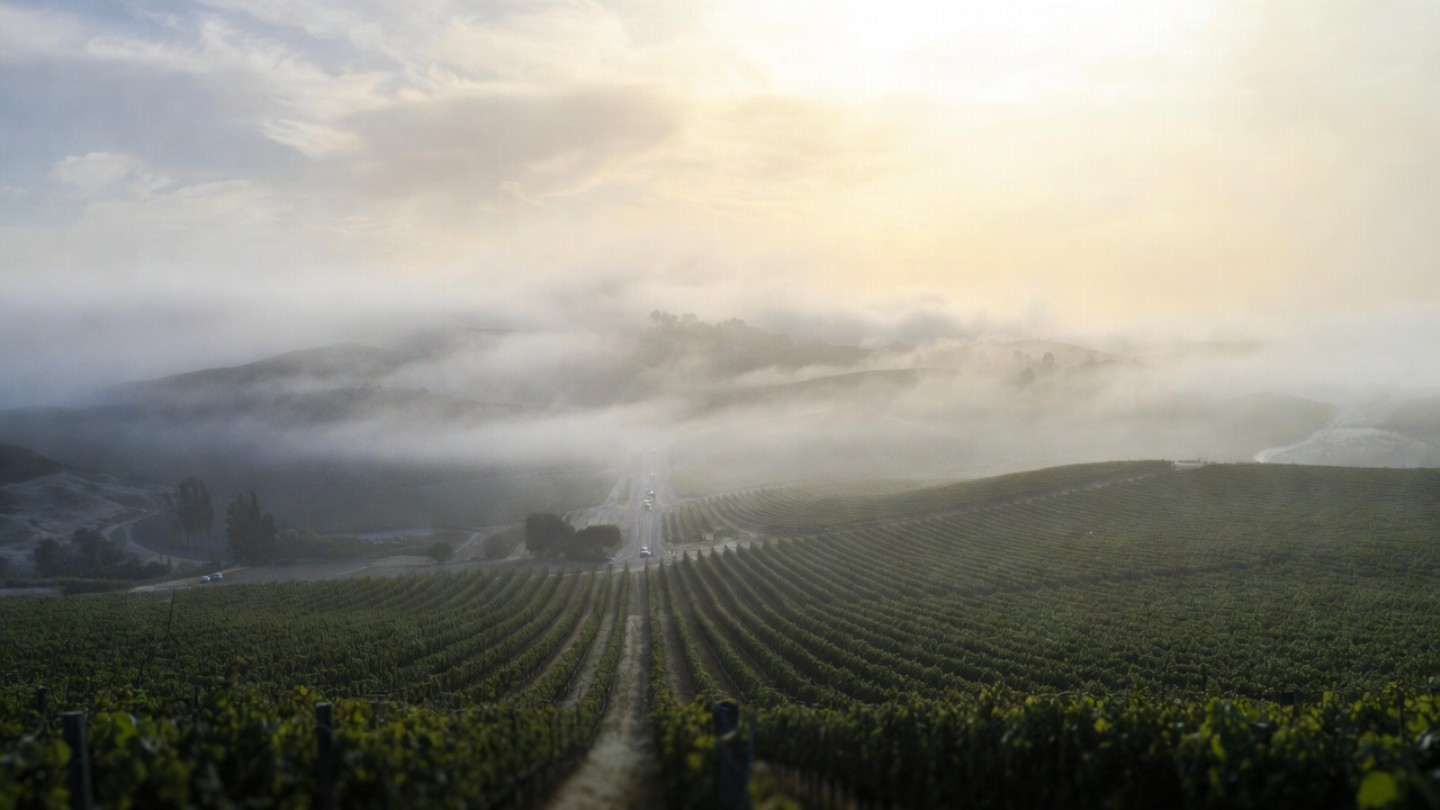
Fog softens the benchlands. Vineyard crews move quietly. Cafes are just waking up. This is when the valley feels most open.
Late Afternoon
As golden hour approaches, long shadows stretch across the vines and the pace naturally slows. It is an easy time to write without forcing it.
Seasonal Shifts
Late winter brings mustard blooms and sharp contrast. Post-harvest fall carries a sense of earned stillness. Both lend themselves to reflection.
A Small Personal Story
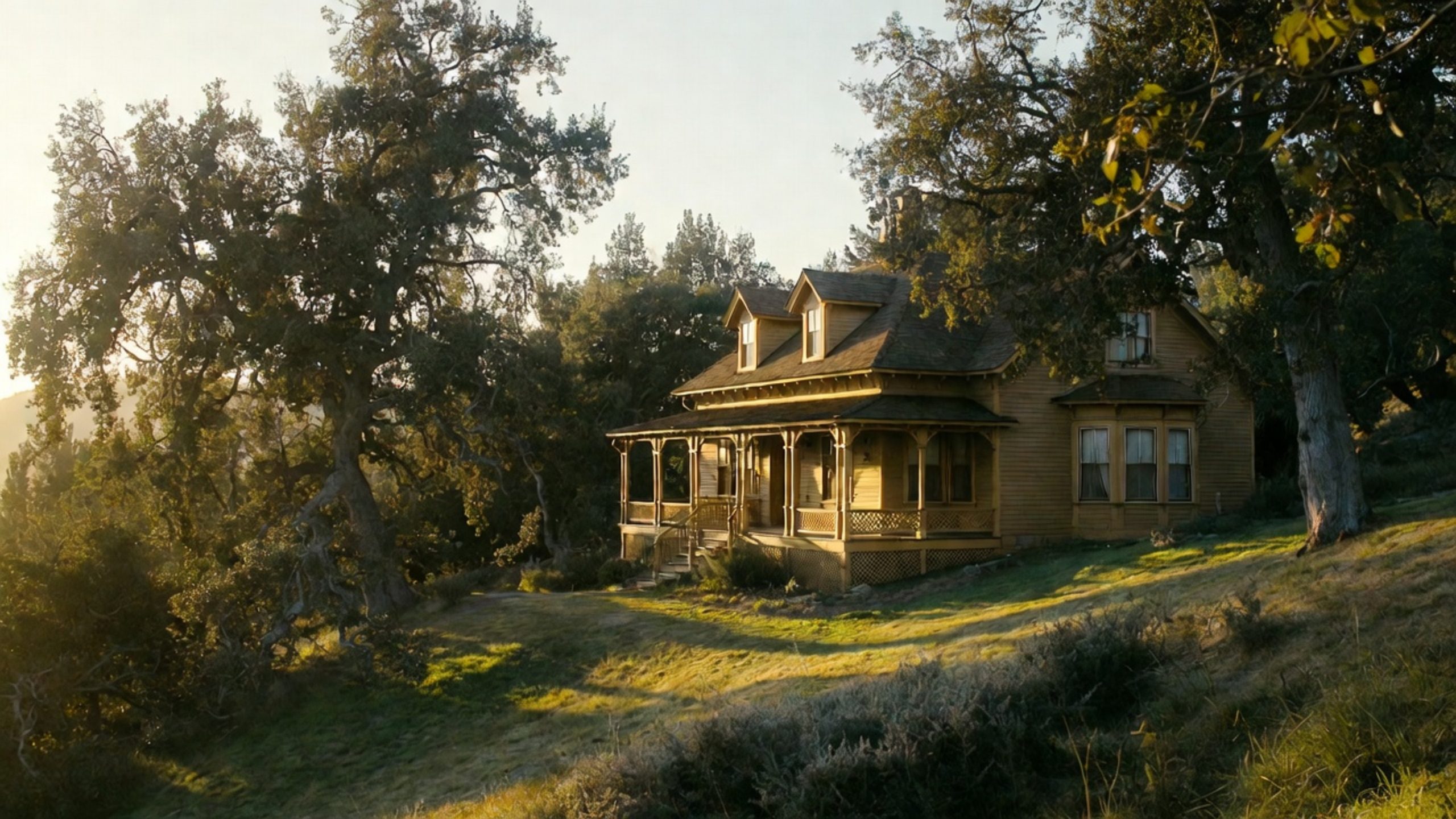
Some of my clearest thinking has happened in Napa without a plan. Sitting on a low stone wall. Walking a vineyard road with no destination. I remember one afternoon near Estate 8, notebook in hand, realizing I had written more about the way light moved across the valley than about wine. That felt honest.
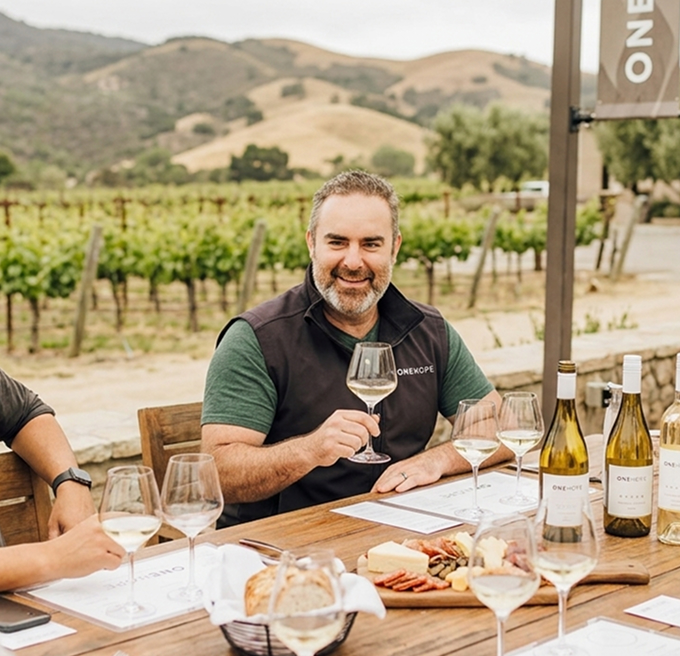
I am a little biased. ONEHOPE and Estate 8 are very much my passion projects. But long before they existed, Napa gave me space to notice things first. The words always came later. That is what continues to ground me here.
How to Structure a Writing-Friendly Day from San Francisco
Morning Arrival
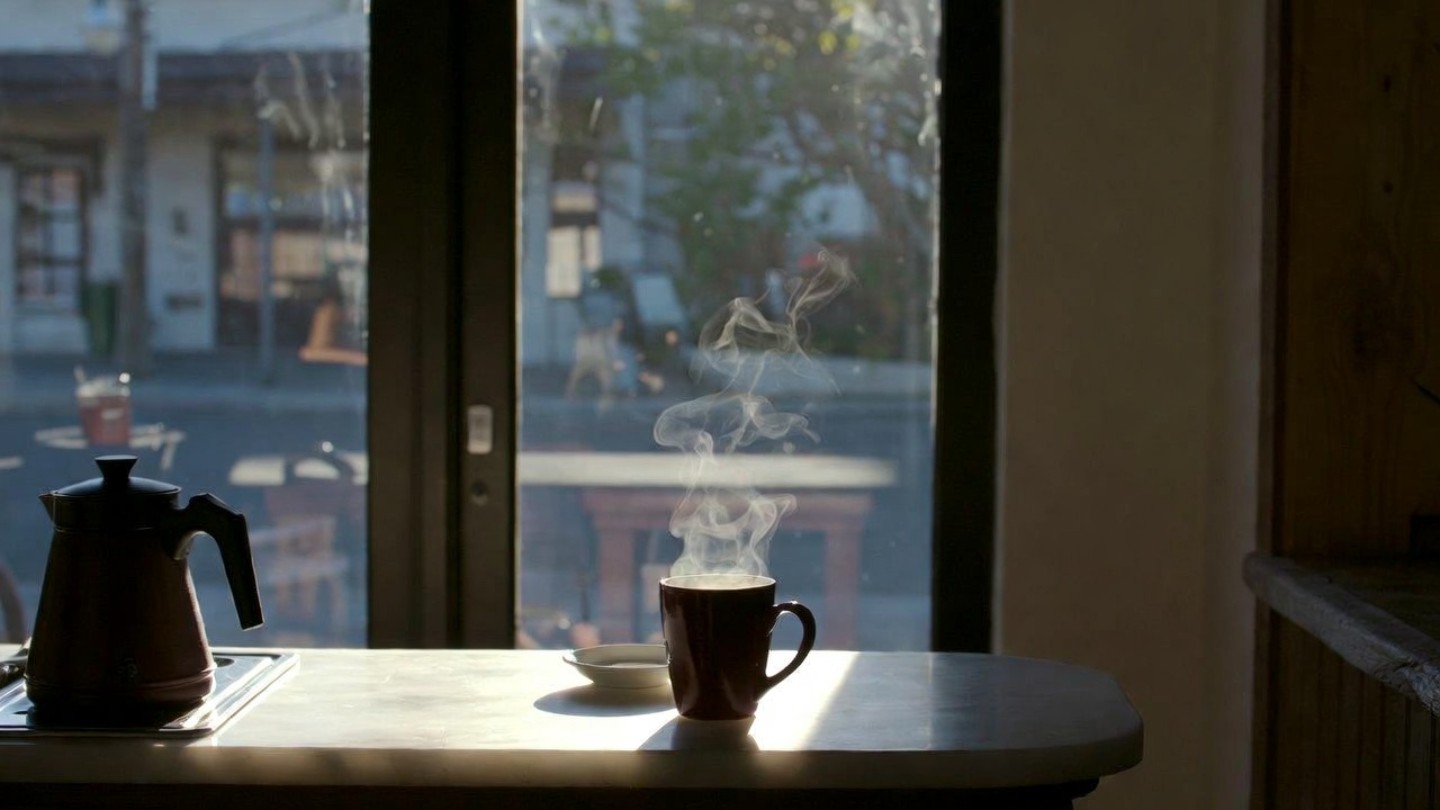
Arrive by mid-morning. Coffee in town. Walk without headphones and let the valley wake up around you.
Midday Pause
Choose one quiet experience only. A garden walk or a slow drive along the Silverado Trail. Write in short bursts.
Afternoon Reflection
Find elevation or water. Let the light shift before you leave.
Evening
Head back before traffic builds or stay overnight somewhere walkable so you do not need to move again.
What Most Travel Journalers Miss
They overschedule. Napa rewards empty space. The notes that matter most usually come between planned moments, not during them.