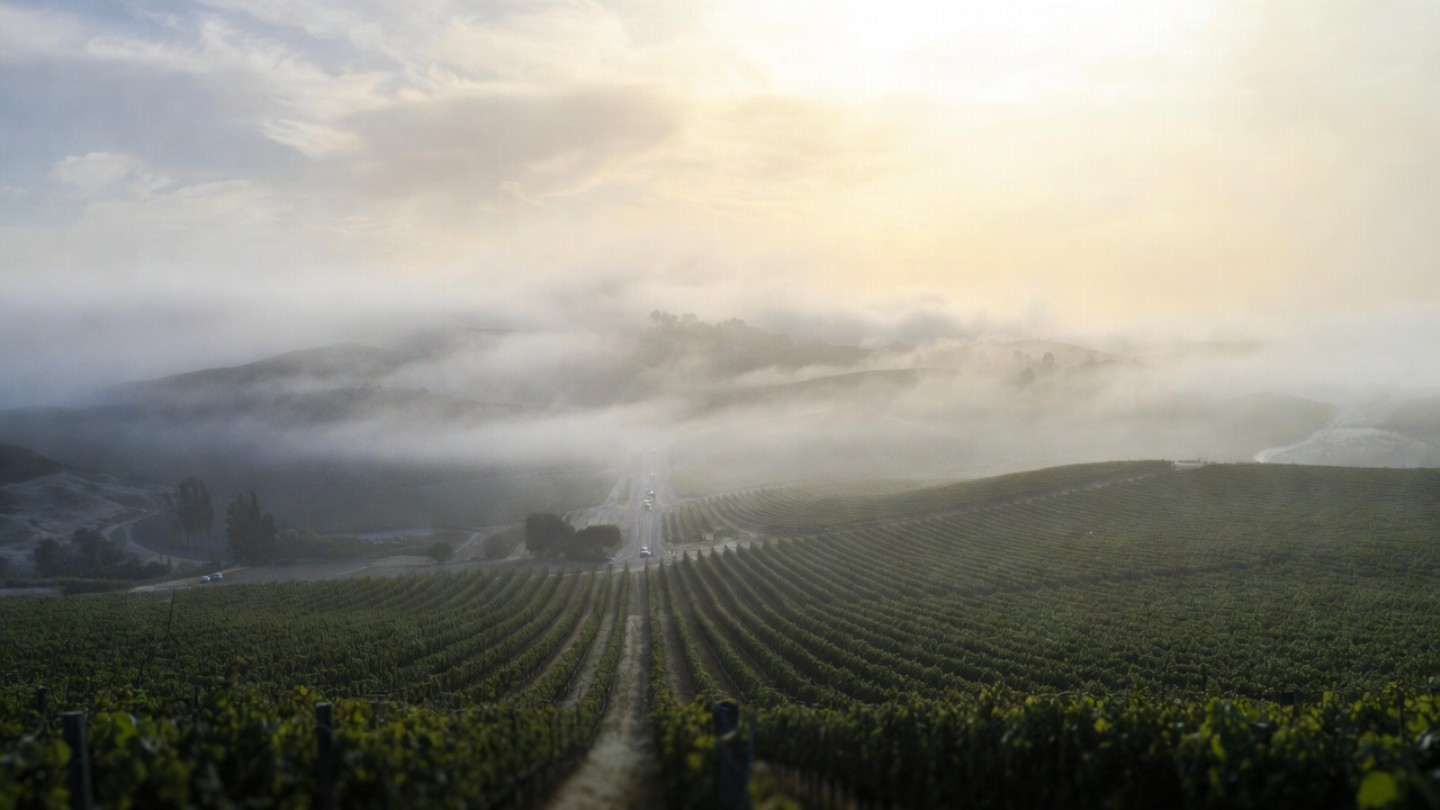
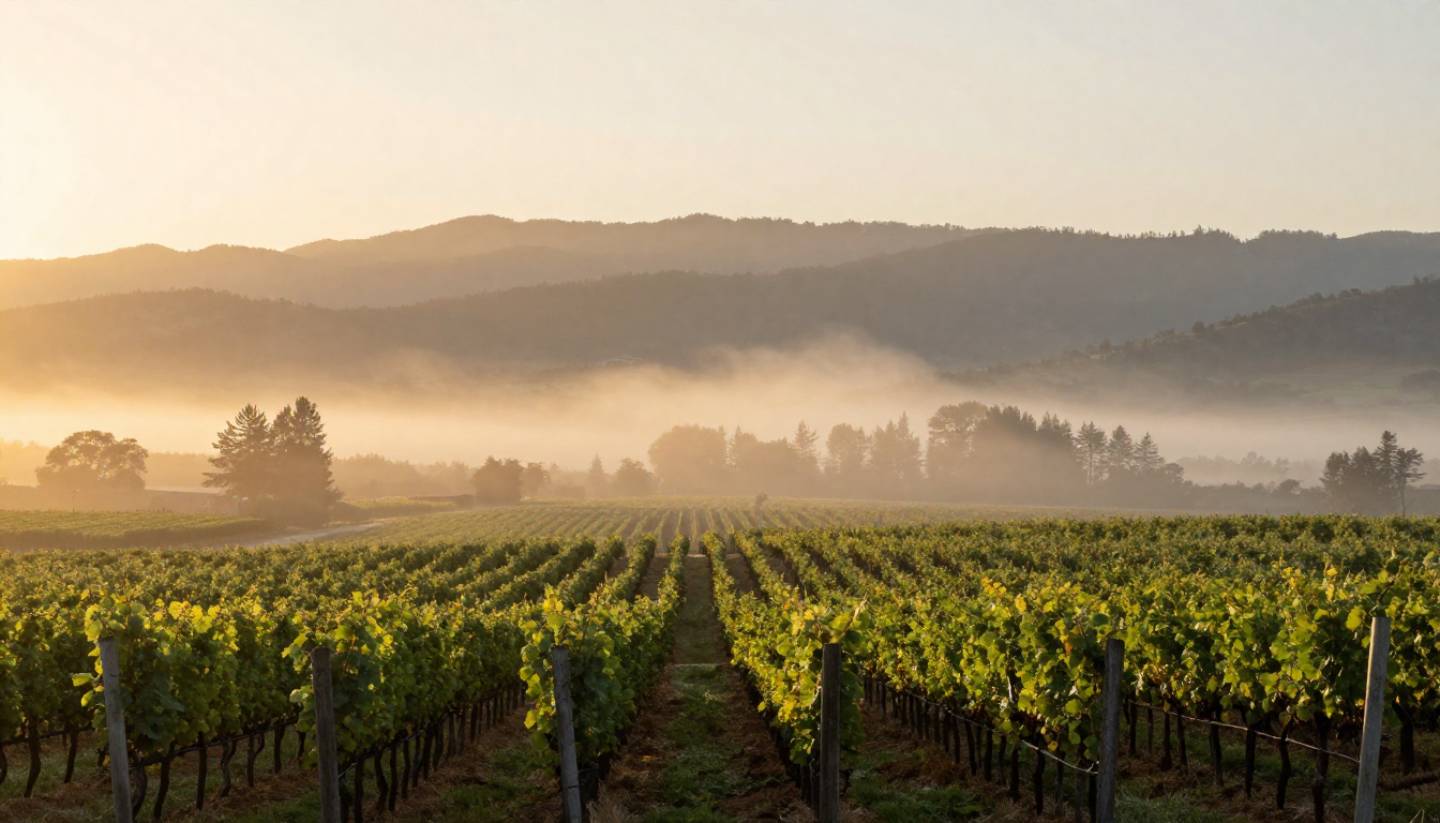
From San Francisco, Napa belongs to the early riser. You leave while the city is still dim and half-awake, cross the bridge as fog drifts low over the bay, and arrive in the valley just as the first light stretches across the vines. No traffic. No lines. No noise.
This is the working side of Napa. Bakers are unlocking doors. Vineyard crews are already moving down the rows. Pickup trucks outnumber rental cars. Coffee tastes better when there is nowhere else you are supposed to be.
This itinerary is built for travelers who like to start early and finish grounded. It favors sunrise coffee, quiet roads, and tasting rooms that still feel like places of work rather than stages. If you want to experience Napa at its most honest, this is how locals recognize it.
Why Early Mornings Are Napa’s Sweet Spot
Napa runs on agricultural time. Long before tasting rooms open, the valley is already awake. During harvest, work continues around the clock, and even outside of crush, mornings are when the land feels most present.
For San Francisco travelers, arriving early flips the entire experience. You bypass the Highway 29 bottleneck, secure the first and calmest tasting appointments of the day, and experience the valley before heat, traffic, and crowds compress it. Light is softer. Air is cooler. Conversations are quieter and more direct.
This is when Napa feels like a place, not a destination.
When to Go
Spring (March to May):
Mustard blooms and low morning fog settle between the vines. One of the best seasons for early light and photography.
Summer (June to August):
Morning is essential. By early afternoon, valley-floor temperatures often exceed 90°F.
Fall (September to October):
Harvest season. You will see mechanical harvesters finishing night shifts and smell fermentation drifting through the valley.
Winter (January to February):
The quietest roads of the year. Frost on dormant vines and long, reflective mornings.
The Itinerary: Sunrise to Stillness
1. Early Departure from San Francisco (5:30–6:30 AM)
Leave before the city wakes up. Highway 37 at sunrise is one of Napa’s most overlooked approaches. As you pass the San Pablo Bay wetlands, the sky opens wide and the mental shift happens naturally. This drive is the transition point between urban urgency and agricultural rhythm.
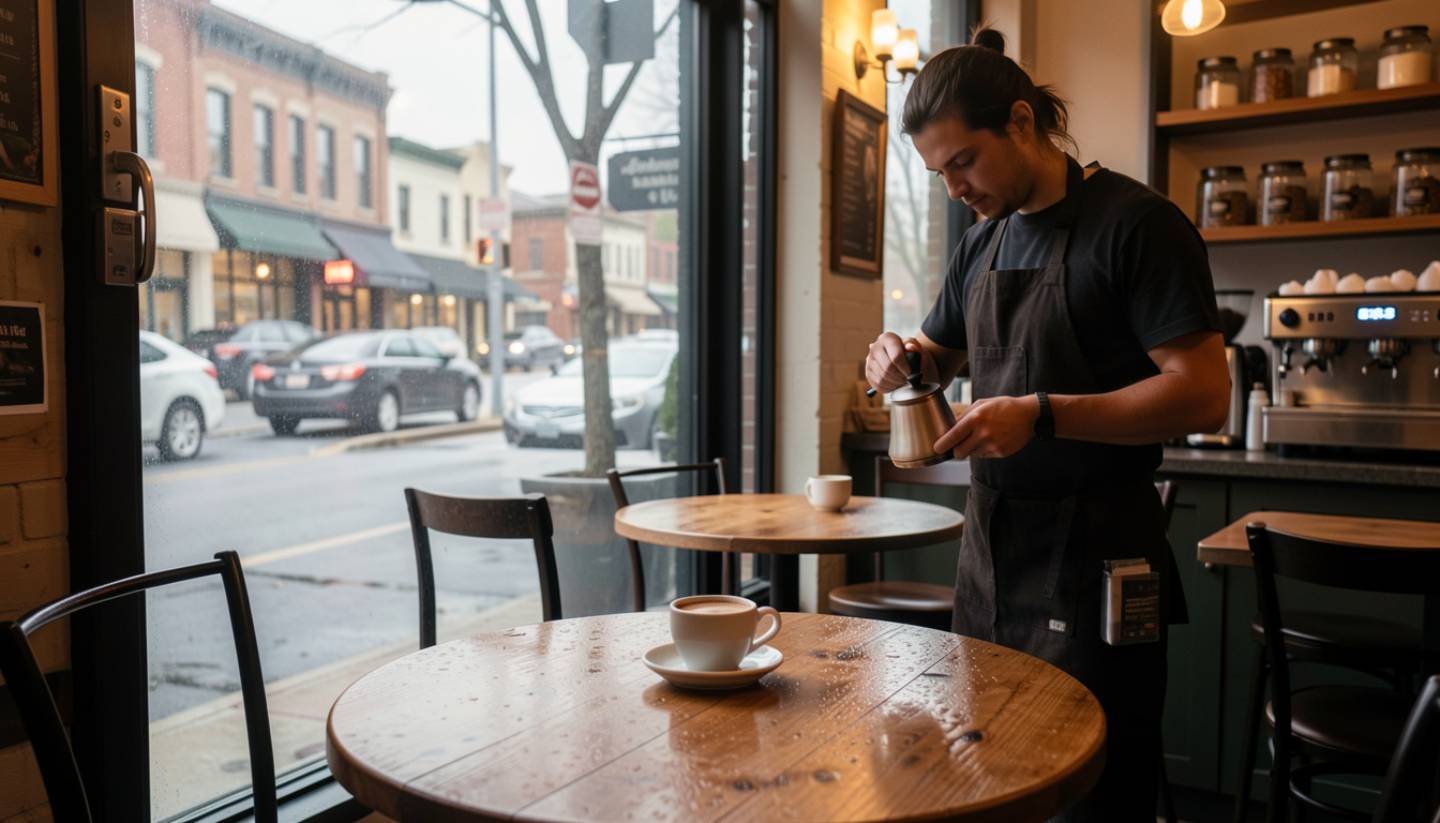
2. Sunrise Coffee and Pastries (7:15–8:30 AM)
This is when Napa feels local.
Downtown Napa:
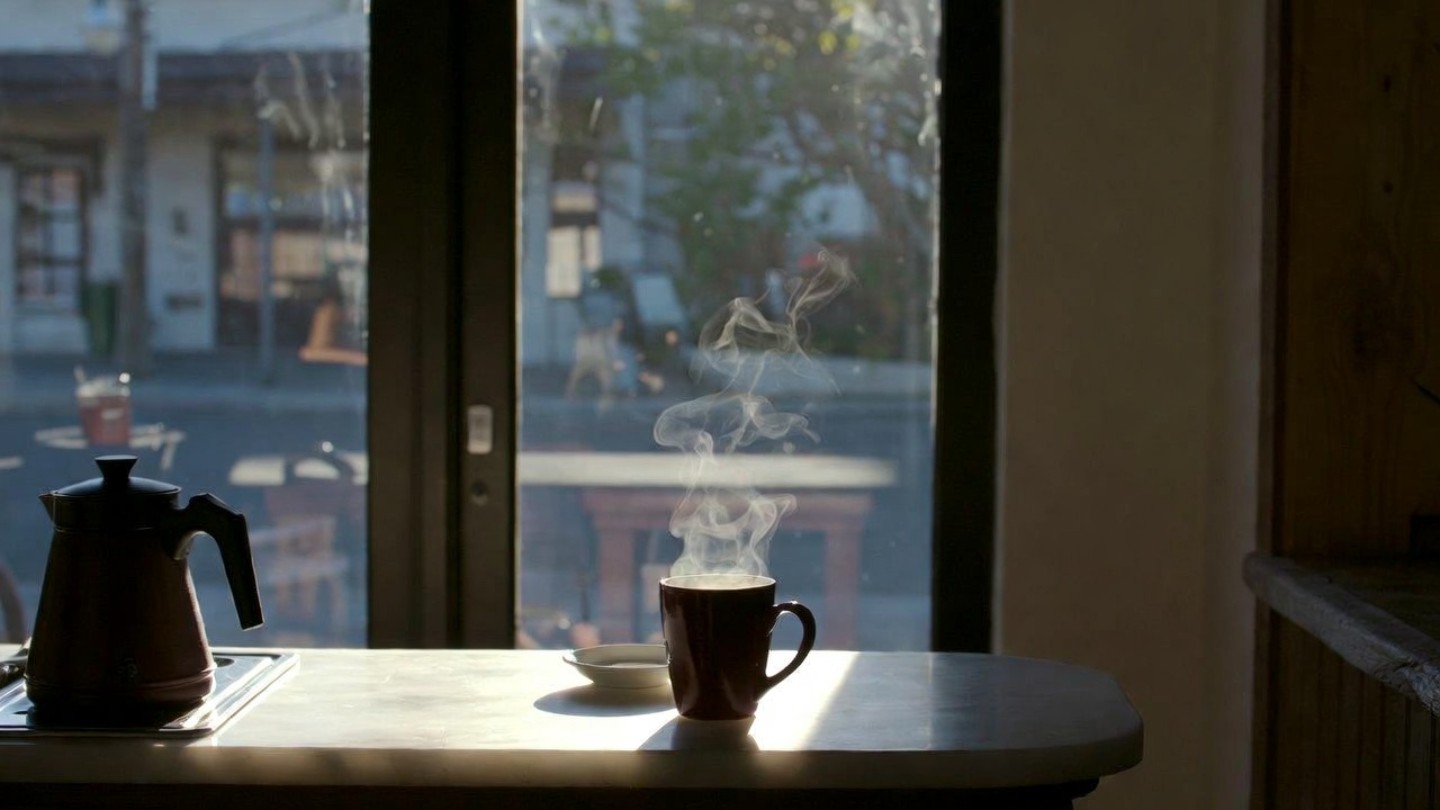
Coffee counters open early for workers. The Oxbow area is quiet, functional, and unhurried.
Yountville:
Bouchon Bakery before 8:30 AM is a different experience entirely. Short lines, fresh trays, and the park across the street still empty.
St. Helena:
Model Bakery’s English muffins are best eaten while the town is still half-asleep.
Local cue: If you see more mud-caked boots and delivery vans than luxury SUVs, you arrived at the right time.
3. Morning Movement (8:30–9:30 AM)
Before wine, walk.
- Napa Riverfront Path: Flat, reflective, and quiet in the early hours.
- Yountville Walking Path: Two miles of vines, valley oaks, and mountain light.
This short movement grounds the day and makes everything after feel slower.
4. First Tasting of the Day (10:00–11:00 AM)
Book the 10:00 AM appointment. This is the industry hour. Hosts are fresh, tasting rooms are calm, and your palate is clean.
Focus on Oak Knoll, Yountville, or Silverado Trail estates where hospitality leans educational rather than theatrical.
Jake’s Note:
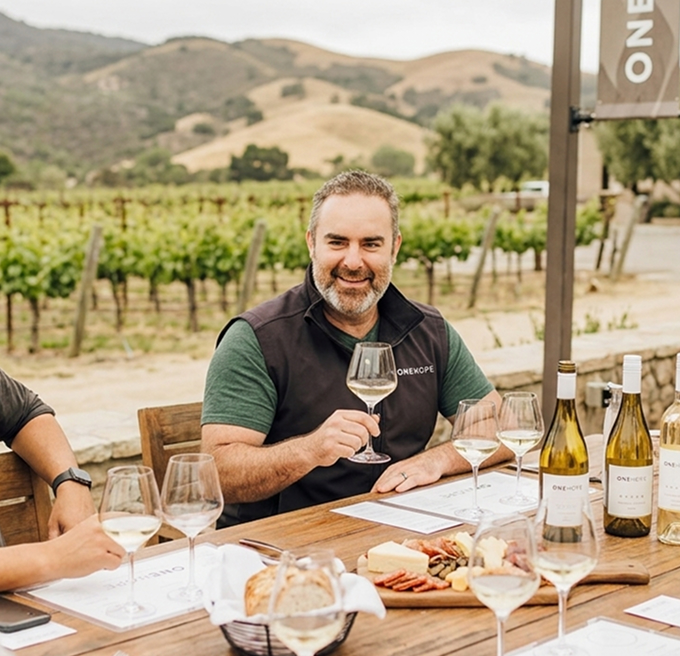
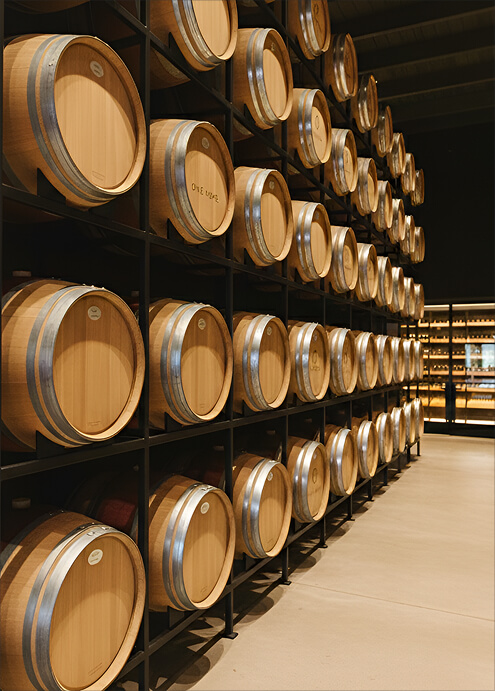
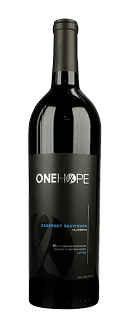
When I’m moving through the valley early, I often finish the morning at ONEHOPE Winery at Estate 8. I’m obviously biased since it’s my life’s work, but timing matters here. Late-morning light on the Mayacamas, quiet energy, and space to sit without watching the clock. Early travelers tend to feel that difference immediately.
5. Early Lunch and Clean Exit (12:30–1:30 PM)
Eating early avoids the midday surge.
- Bistro Jeanty: Calm before peak service.
- Oakville Grocery: Build a picnic and eat facing the vines.
- Farmstead at Long Meadow Ranch: Best before the lunch rush.
From here, either head home before traffic builds or take a slow drive south on the Silverado Trail to close the loop.