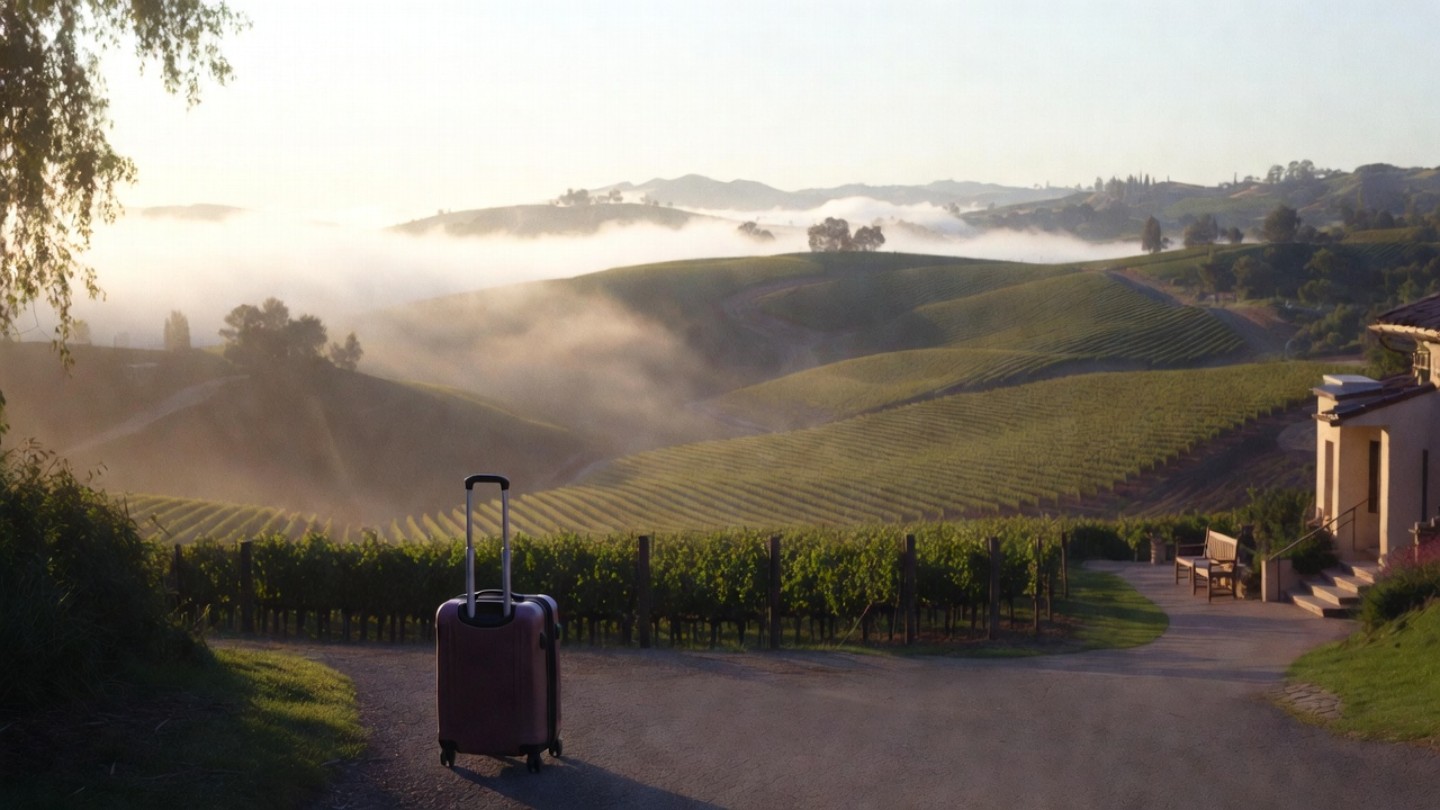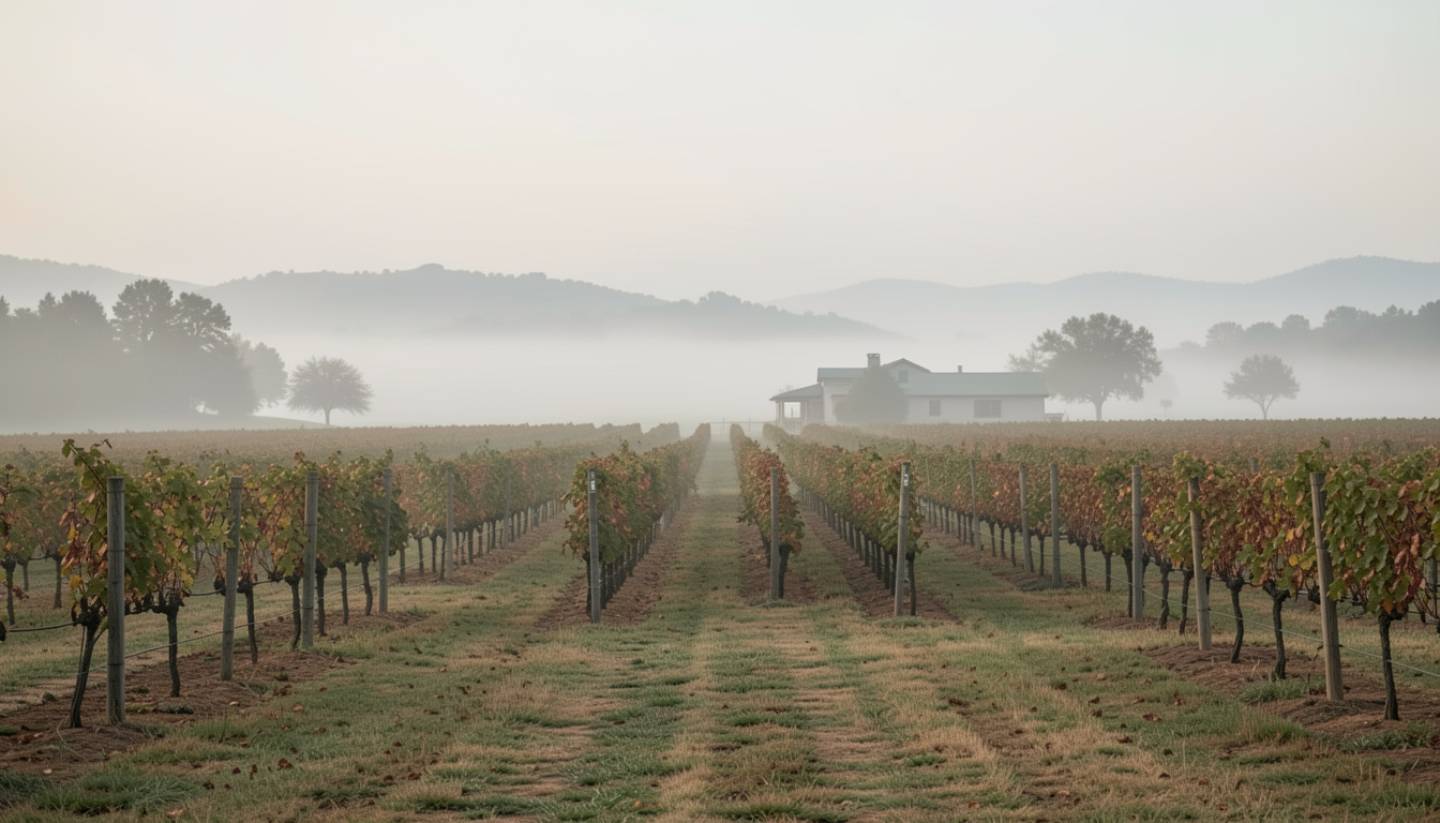
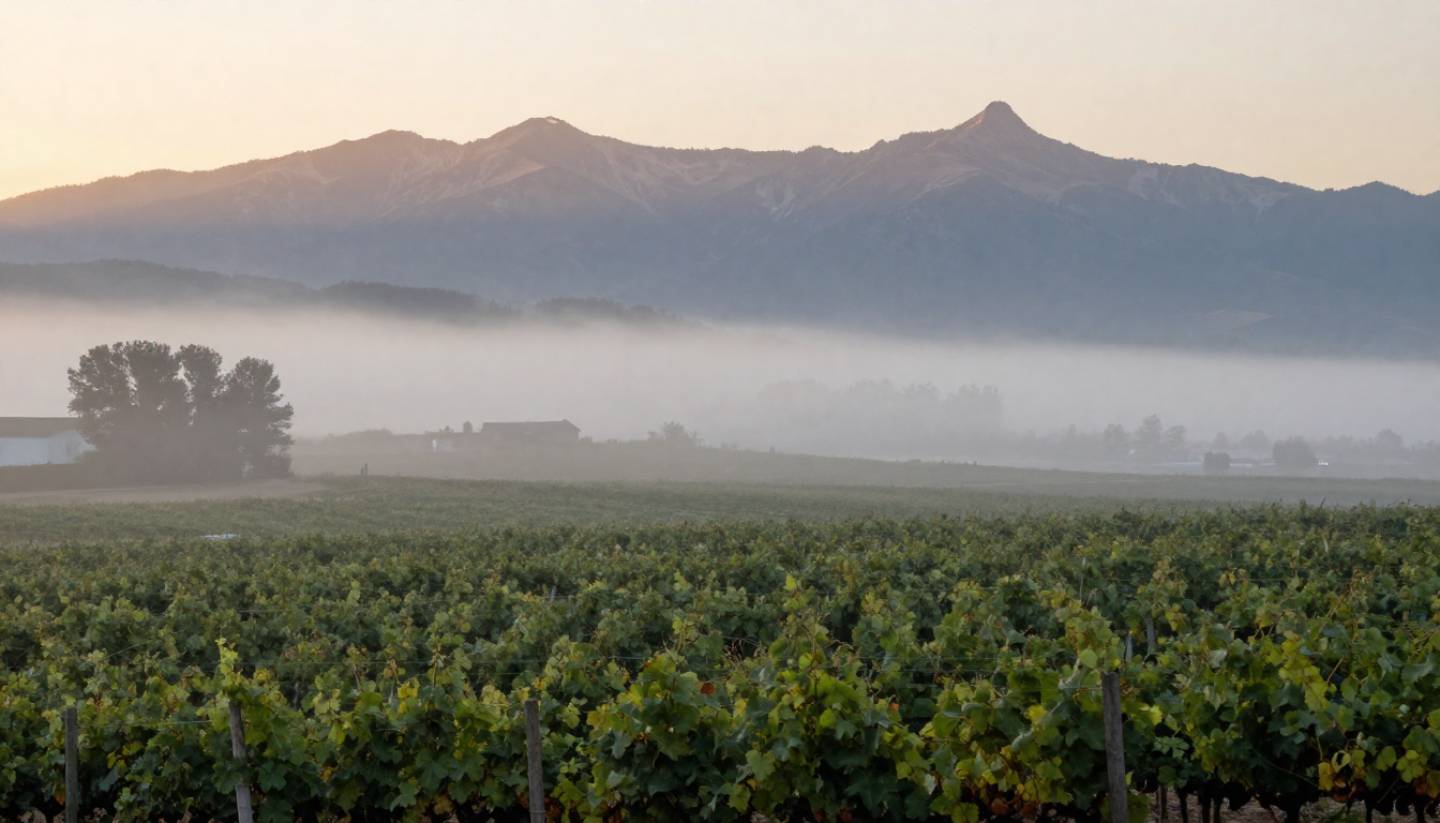
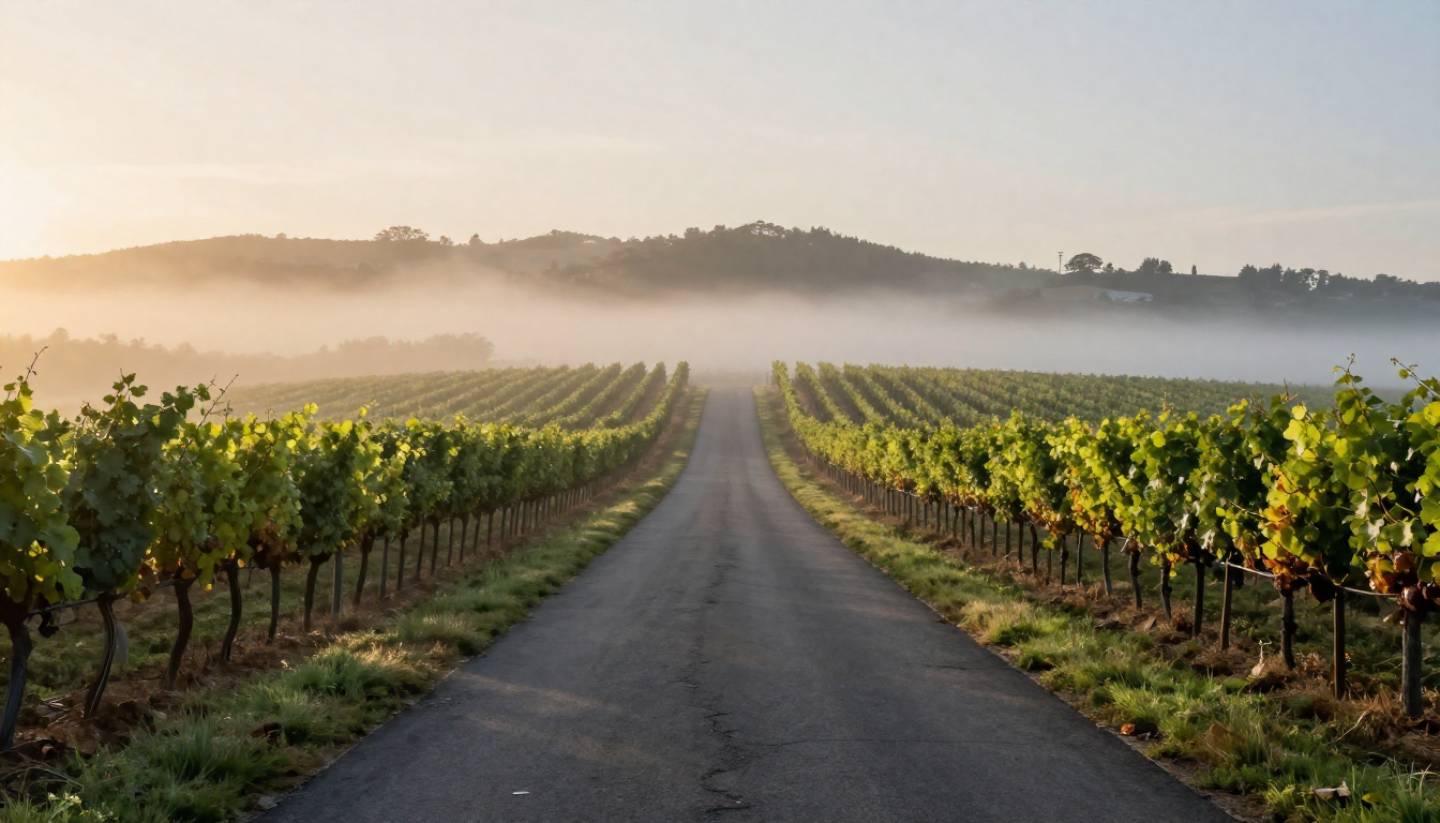
The best photographs in Napa Valley rarely happen at noon. They happen when the fog is still lifting off the Rutherford benchlands, when the valley feels half awake, and when the only sound is gravel under tires on a quiet backroad. Napa is a place of light and restraint. If you are a photographer who prefers quiet over chaos, this valley rewards patience in ways few destinations do.
What This Experience Is Really About
Photographing Napa is not about chasing famous estate gates or iconic signs. It is about waiting for the valley to reveal its timing. The way the Mayacamas range warms at first light. The clean geometry of dormant winter vines. The stone walls and oak trees that have been holding their place for generations.
This is landscape photography, quietly shaped by agriculture and patience.
When It Is Best
Early morning
delivers Napa’s most fleeting and expressive light, especially during the fog lift.
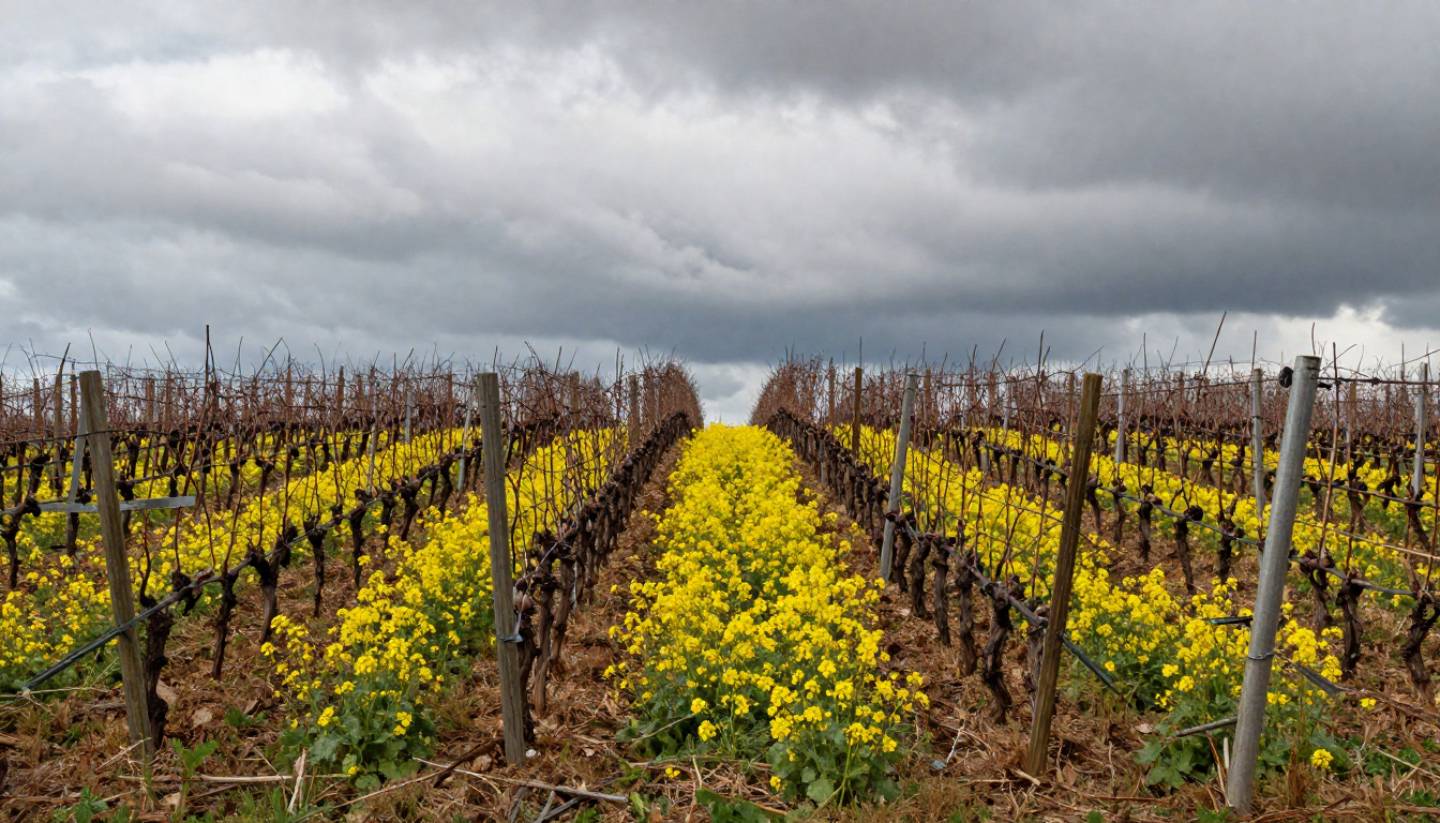
Winter from January through March
brings mustard season, bare vines, dramatic skies, and empty roads.
Midweek
reveals the slower, truer Napa once the weekend traffic fades.
Late fall
offers post harvest calm, amber tones, and what locals call Cabernet light in the early evening.
Summer works if you are finished shooting before most tasting rooms open.
What Most Visitors Miss
Most visitors go where the tour buses point. The strongest images live in the in between spaces.
Vineyard edges where wild oaks meet planted rows.
Secondary roads like Silverado Trail or Larkmead Lane instead of the Highway 29 corridor.
The blue hour just before sunrise, when the valley floor holds a cool, quiet mist.
Napa rewards those who slow down and look sideways.
My Local Notes
When I am shooting for myself, I head north on Silverado Trail just after sunrise. Passing the Yountville Cross Road, the valley opens into the Stags Leap District. The palisades catch first light while the vines stay in shadow, and the whole place feels suspended for a few minutes.
Years ago, before we ever broke ground, I pulled over along that stretch and watched the fog peel back toward the Mayacamas. That moment stayed with me. It is part of why Estate 8 ended up where it did. I will admit the bias. It is my baby. But the light in that pocket of the valley still makes me stop the car.
Best Places for Crowd Free Photography
Silverado Trail north of Yountville
for elevated views and lighter traffic.
Rutherford and Oakville backroads
like Conn Creek Road or Skellenger Lane for barns and benchland fog.
Carneros at sunrise
for rolling hills, long sightlines, and maritime fog.
Winter vineyards anywhere
when the vineyard skeleton reveals the land’s true rhythm.
Mount Veeder pullouts
for those willing to climb, offering layered views back across the valley floor.
If you see tour buses, keep driving.
If You Only Have One Hour
Choose a single stretch of road between St. Helena and Calistoga. Drive slowly, pull over safely, and let the light come to you. One frame that captures the soul of the soil is worth more than ten rushed shots.
If You Have a Full Morning
Start forty five minutes before sunrise. Shoot through the fog lift. Pause for a late breakfast at Boon Fly Cafe or Oakville Grocery only after the light flattens around midmorning. By the time tasting rooms open, you will already have the images most visitors never see.
Where to Stay for Quiet Mornings
Photographers do best on the edges of town or along quieter corridors. Small inns, vineyard adjacent lodging, and places that encourage early starts make a real difference when the light matters.
Small Histories
Before Napa became a destination, it was a working agricultural valley. Farmers rose early because the heat demanded it. Roads were empty because the work was in the dirt. Photographing Napa in the quiet hours is not nostalgia. It is simply meeting the valley on its original terms.
Gentle Note from Me
I will own a little bias here. Estate 8 sits in a part of the valley with open sightlines toward Mount St. John, and when the fog lifts just right, the Mayacamas start to glow in a way that still pulls me out of meetings and into the field. It is a passion project, so take that for what it is. The light, though, really does speak for itself.