There is a moment in Napa Valley when the vocabulary finally clicks.
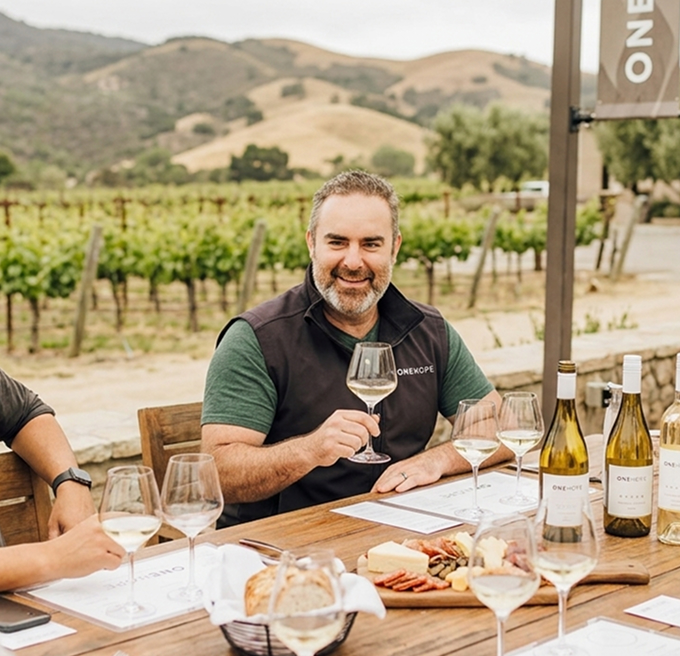
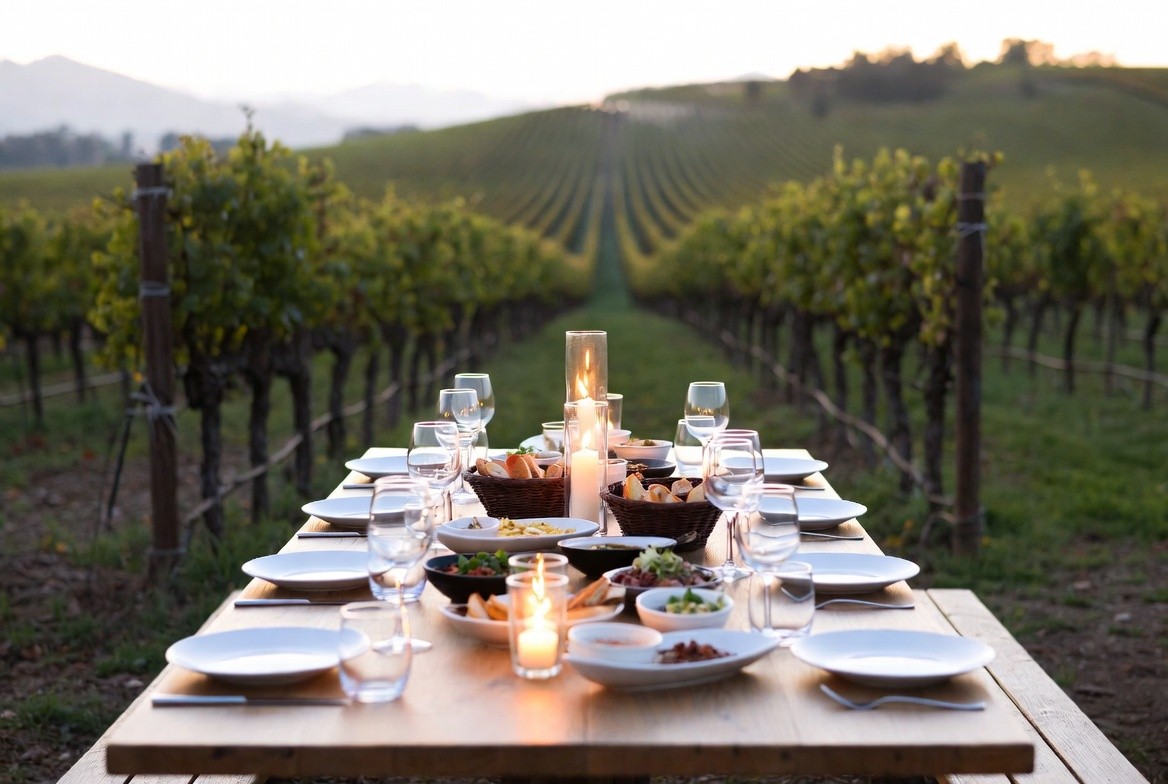
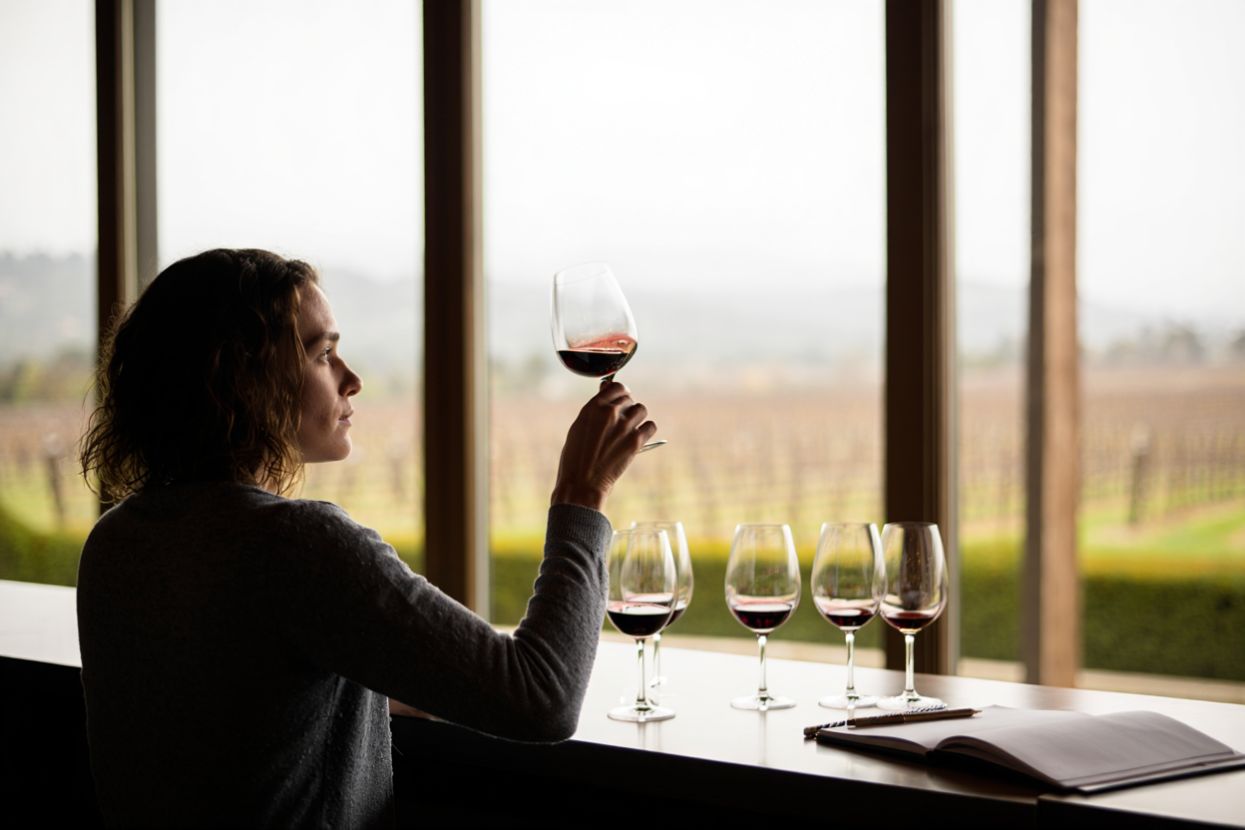
It usually happens mid-morning. You are seated at a long wooden table in Rutherford or Oakville. Light filters across the glass. A Cabernet sits in front of you, and instead of saying you like it, you begin describing its architecture. Structure. Tannin placement. Mid-palate weight. The way the finish holds.
That shift is fluency beginning.
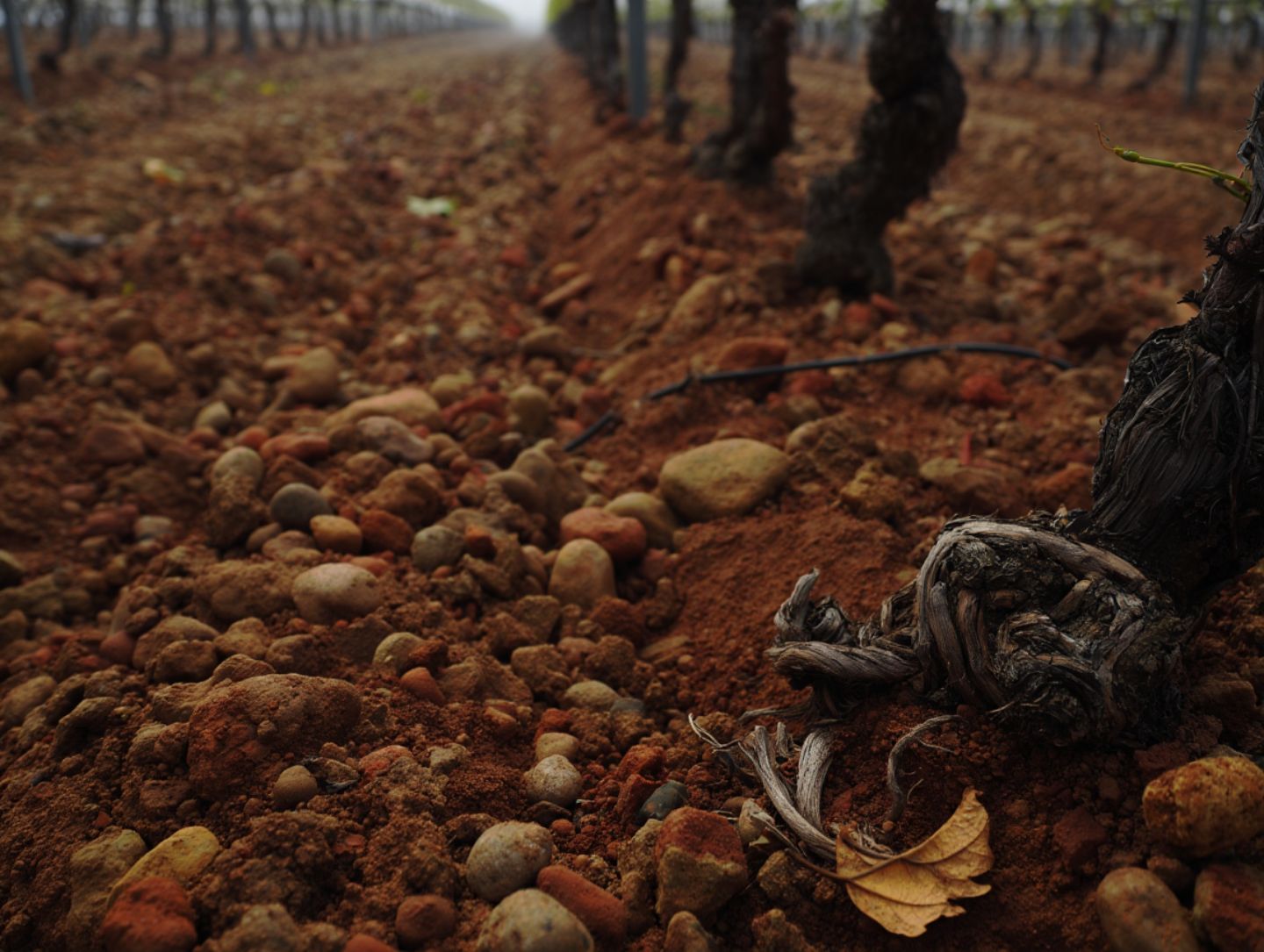
If you want to learn wine like a language, Napa Valley is not just a destination. It is immersion. Here, terroir is not a romantic word. It is farming decisions made in fog, drought, and harvest pressure. Wine is a dialect shaped by volcanic soils, marine influence from San Pablo Bay, and decades of repetition across the valley floor and mountain ridgelines.
This is a place where you can move from consumer to student if you slow down enough to listen.
What Learning Wine Really Means
Learning wine is not memorizing blackberry versus cassis. It is building a framework.
In Napa, that framework starts with geography.
- Rutherford Benchlands for structured Cabernet and fine, persistent Rutherford Dust tannins
- Oakville for density, polish, and balanced power
- Howell Mountain and Spring Mountain for elevation-driven tension and firmer tannin
- Carneros for cooler climate acidity influenced by bay fog
When you taste intentionally in Napa, you are reading landscape through liquid.
Ask about:
- Soil composition and drainage
- Harvest timing and phenolic ripeness
- Fermentation vessels
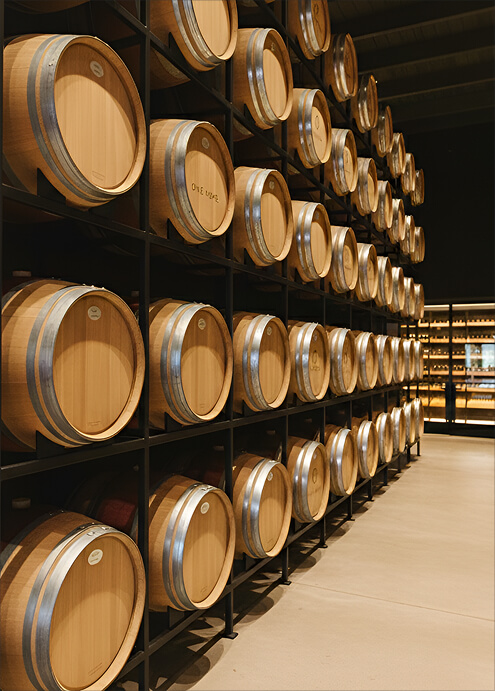
- Oak aging regimen
- Elevation and temperature shifts
The more specific your questions, the deeper the conversation becomes. Napa hospitality teams respect curiosity. If you show up as a student, you will be treated like one.
The 10 a.m. Advantage
There is a reason I consistently recommend 10 a.m. appointments.
Your palate is clear. The rooms are quieter. Educators are focused. The Silverado Trail traffic has not yet built momentum. You can sit with a wine long enough to understand its structure rather than rush through it.
Napa’s seated format creates a classroom without calling it one. One focused comparative tasting teaches more than four rushed stops along Highway 29.
Taste by Structure, Not Just Flavor
If you want fluency, shift your attention.
Instead of asking what fruit you taste, ask:
- Where does the tannin sit on my palate
- Is the acidity lifting the wine or sitting underneath it
- How long does the finish hold
- Does the oak frame the wine or dominate it
Benchland Cabernet often shows fine, layered tannins. Mountain fruit can present firmer grip and darker intensity. Carneros wines often highlight acidity and restraint.
Wine becomes less mysterious when you treat it like grammar instead of poetry.
A Study-Focused Napa Itinerary
The Immersion Day
8:30 a.m.
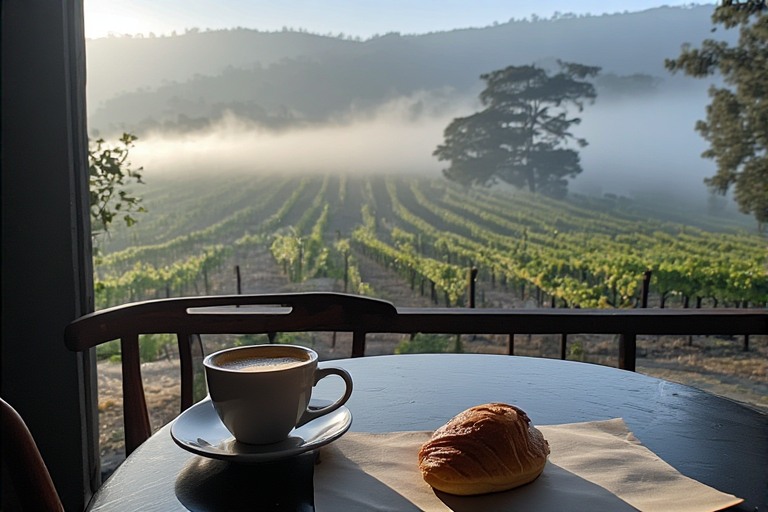
Walk a vineyard edge along Silverado Trail in Rutherford. Notice soil color and vine spacing. Volcanic versus alluvial matters.
10:00 a.m.
Seated Cabernet tasting on the valley floor. Compare current release to a library vintage.
1:00 p.m.
Lunch in St. Helena at The Charter Oak or Farmstead at Long Meadow Ranch. Observe how acidity in food shifts tannin perception.
3:30 p.m.
Second tasting at elevation near Howell Mountain. Compare structure, temperature, and sunlight influence.
Two wineries. Maximum. More than that becomes noise.
My Local Notes
When we were shaping ONEHOPE and developing Estate 8, the most important conversations were never about labels or scores. They were about farming decisions.
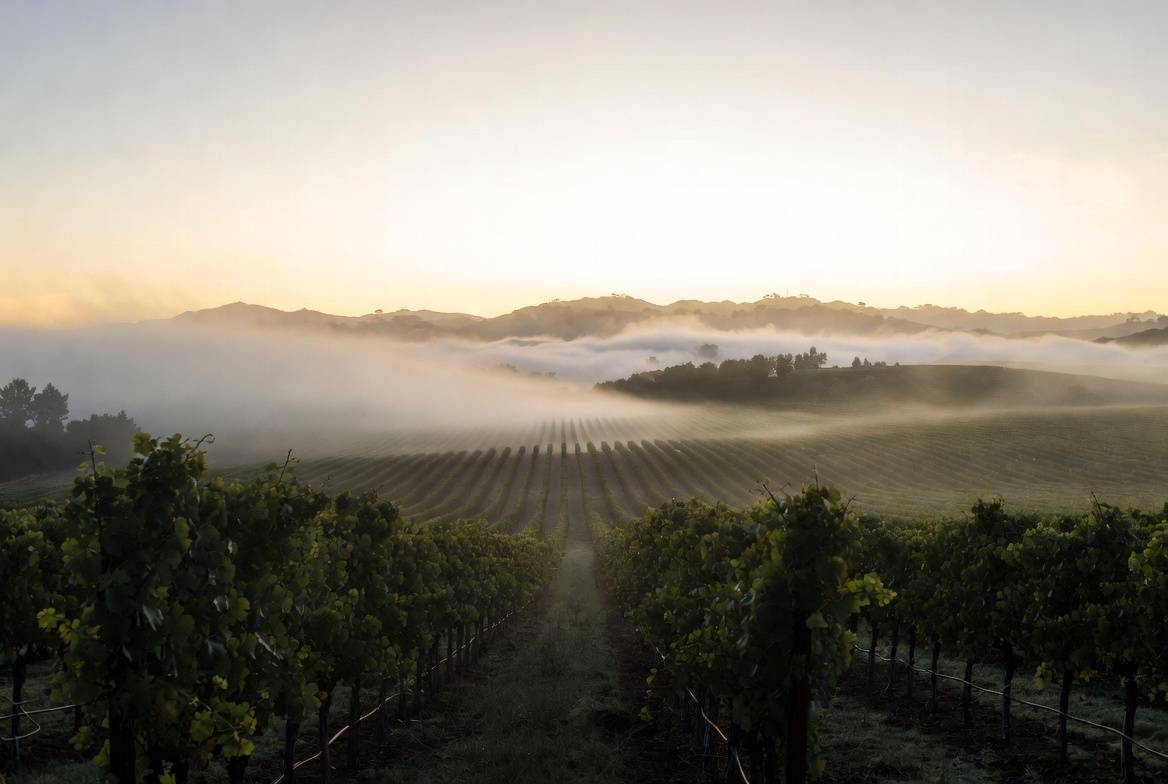
I remember one harvest morning in Rutherford. Fog was still sitting low across the benchlands. We were discussing phenolic ripeness, debating whether to wait another day before picking. Numbers looked ready. The fruit felt close. But there was nuance in the skins that mattered.
That morning shifted something in me.
Wine fluency does not come from tasting more. It comes from understanding why a decision was made in the vineyard.
I will admit I am biased. Estate 8 is my baby. But my philosophy has always been clarity over spectacle. When a guest leaves talking about structure, soil, and canopy management instead of sweetness or points, I know they have begun to think like a vintner.
What Most Visitors Miss
Many visitors chase scores and labels. They ask, “Is this a 95-point wine?” instead of “Why does this taste the way it does?”
They miss:
- The fog influence from San Pablo Bay in Carneros
- The temperature shift moving north toward Calistoga
- The impact of elevation on tannin structure
- The difference between valley floor heat retention and mountain cooling
Napa is not one voice. It is a spectrum of microclimates within a narrow corridor.