There is a moment at a long lunch in St. Helena when someone leans back and says, “Wait, isn’t red wine supposed to go with steak?”
I usually smile.
Because if you want to unlearn rigid pairing rules, Napa Valley is the right classroom.
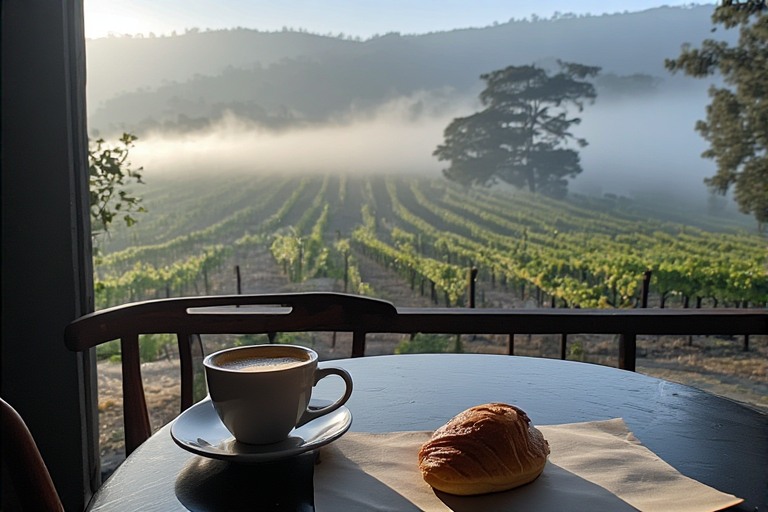
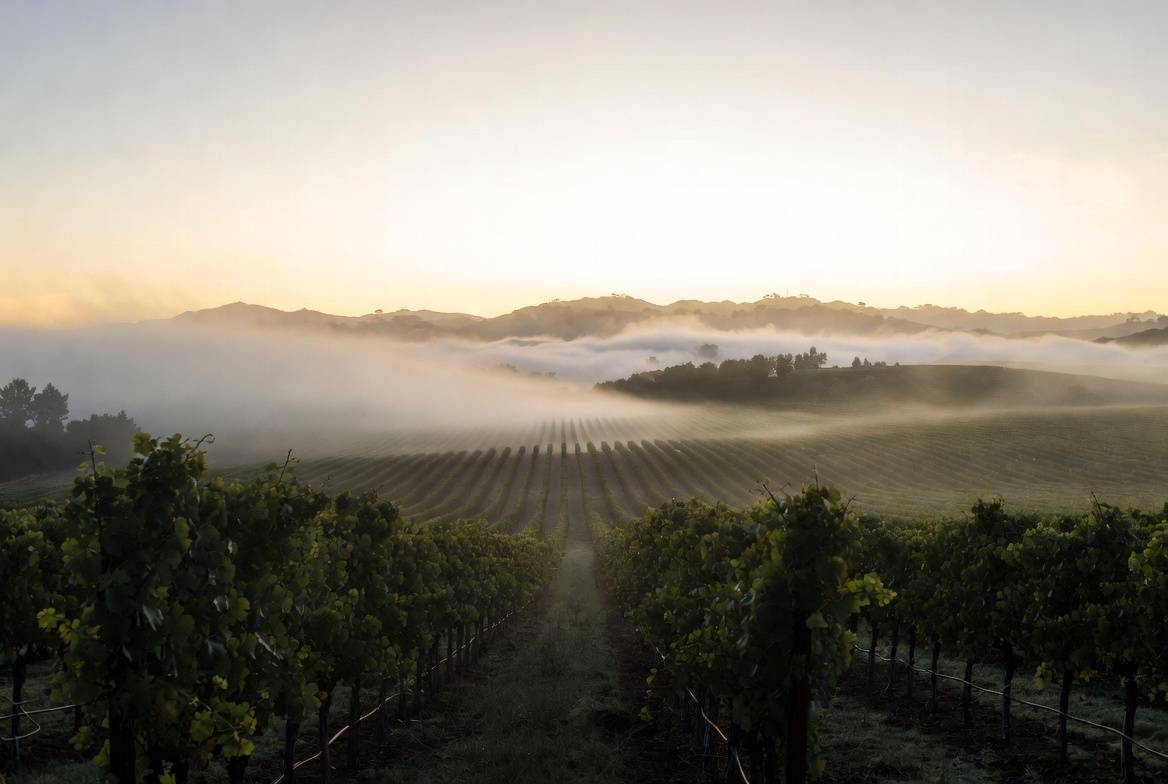
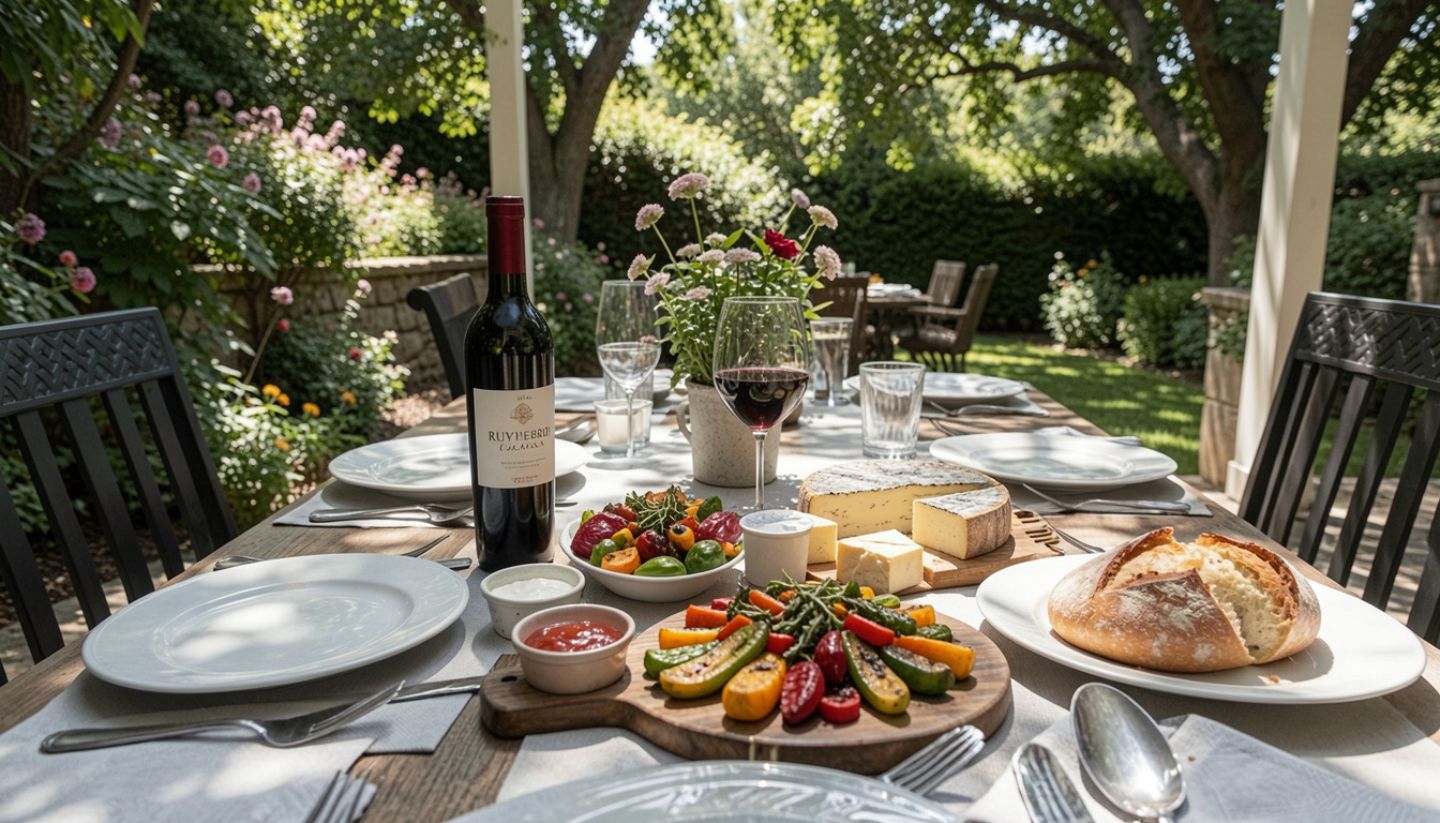
Sit on a shaded patio in Rutherford with Cabernet in your glass and roasted vegetables in front of you. The fog has already lifted off the benchlands. The air smells faintly of olive wood smoke. Take a bite. Take a sip. Notice what happens to the tannin. Notice how the char shifts the fruit.
Pairing is not about compliance. It is about relationship.
Napa, with its appointment driven tastings, farm anchored restaurants, and clearly defined sub AVAs, gives you the structure to experiment intelligently. You are not guessing. You are observing.
Rethinking Pairing in Wine Country
Traditional pairing charts simplify the conversation. Red with meat. White with fish.
But Napa teaches you to think in terms of structure and geography.
A Cabernet Sauvignon from the Rutherford benchlands tends to show fine grained tannin and mid palate depth often described as Rutherford Dust. Instead of defaulting to steak, try it with roasted mushrooms, aged Gouda, or grilled eggplant brushed with olive oil. The fat softens the tannin. The earth echoes the soil.
Drive south toward Carneros and taste a cooler climate Chardonnay shaped by marine influence from San Pablo Bay. That acidity does not need seafood to shine. It can cut through risotto, roasted squash, even fried herbs.
When you remove the rules, you begin to focus on interaction:
- Tannin meets salt and protein
- Acidity meets fat and richness
- Sweetness meets spice
- Texture meets texture
That is the language of pairing.
The 10 a.m. Foundation
If you want clarity, start at 10 a.m. in Oakville or Rutherford.
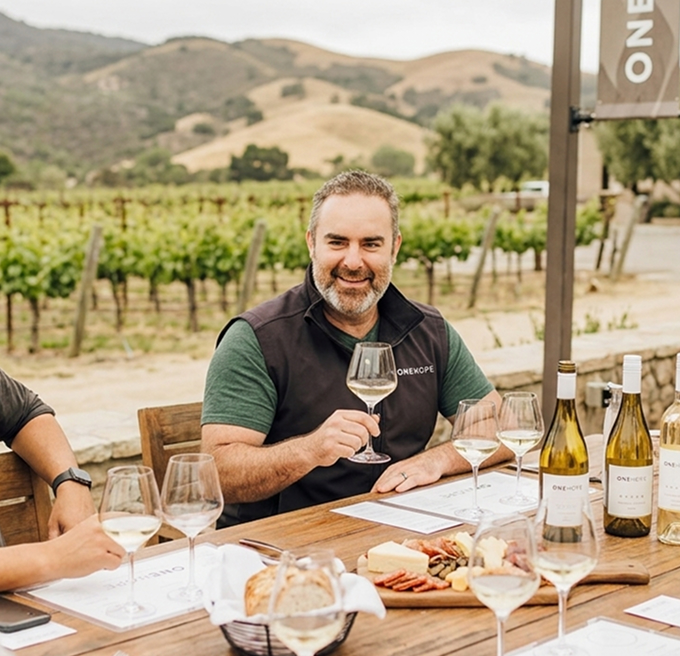
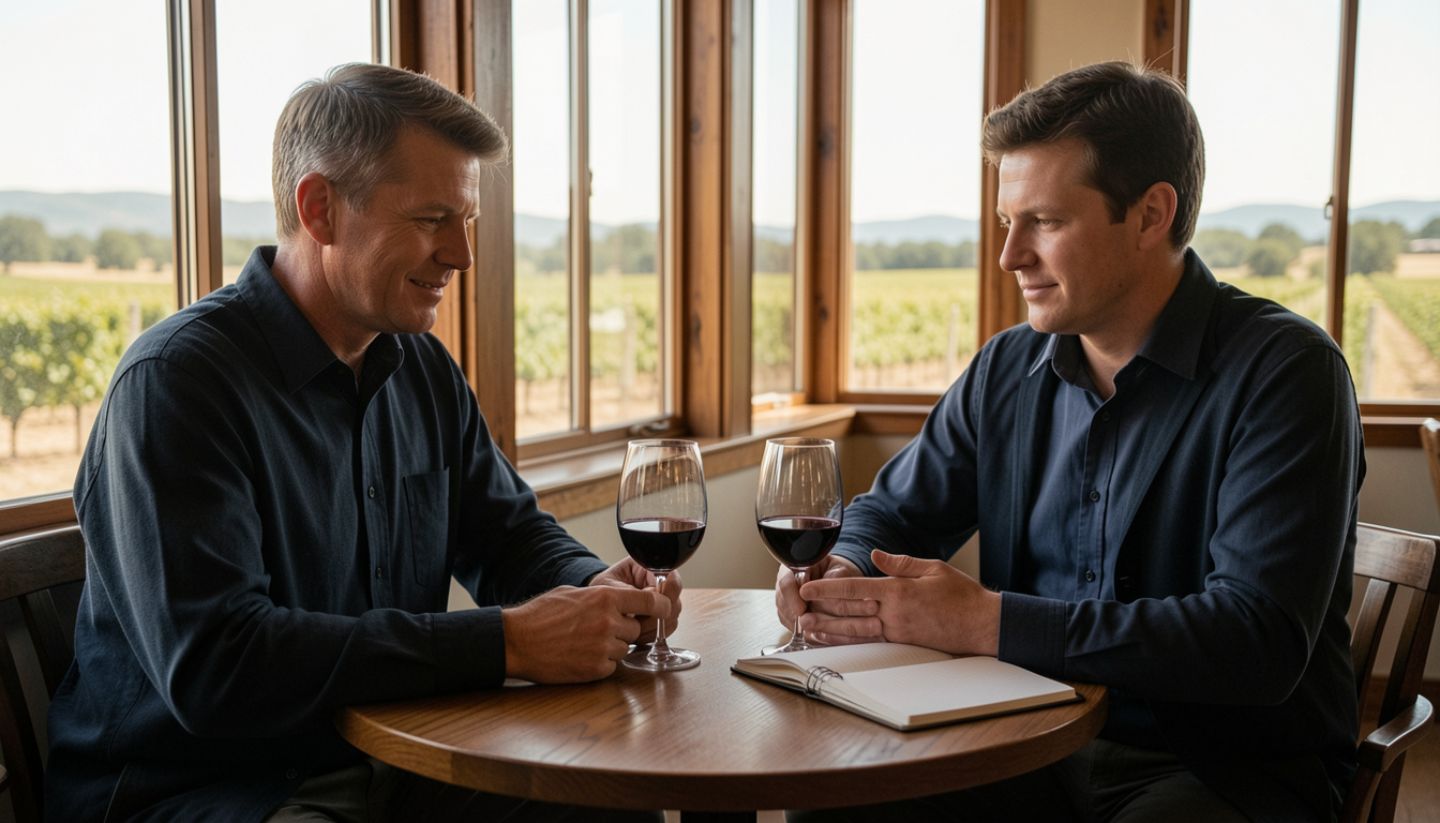
Your palate is fresh. The tasting room is quieter. The host has time to go deeper into farming, oak regimen, and phenolic ripeness.
Ask about tannin placement. Ask how diurnal shift affected the vintage. Ask why the vineyard block drains the way it does.
Understand the wine’s architecture before you introduce food.
Napa’s seated, appointment only model creates space for this kind of study. One focused tasting can teach you more about pairing potential than four rushed stops.
Build a Pairing Focused Day
Morning
10:00 a.m. seated Cabernet tasting in Rutherford. Evaluate structure, alcohol weight, and finish length.
Lunch
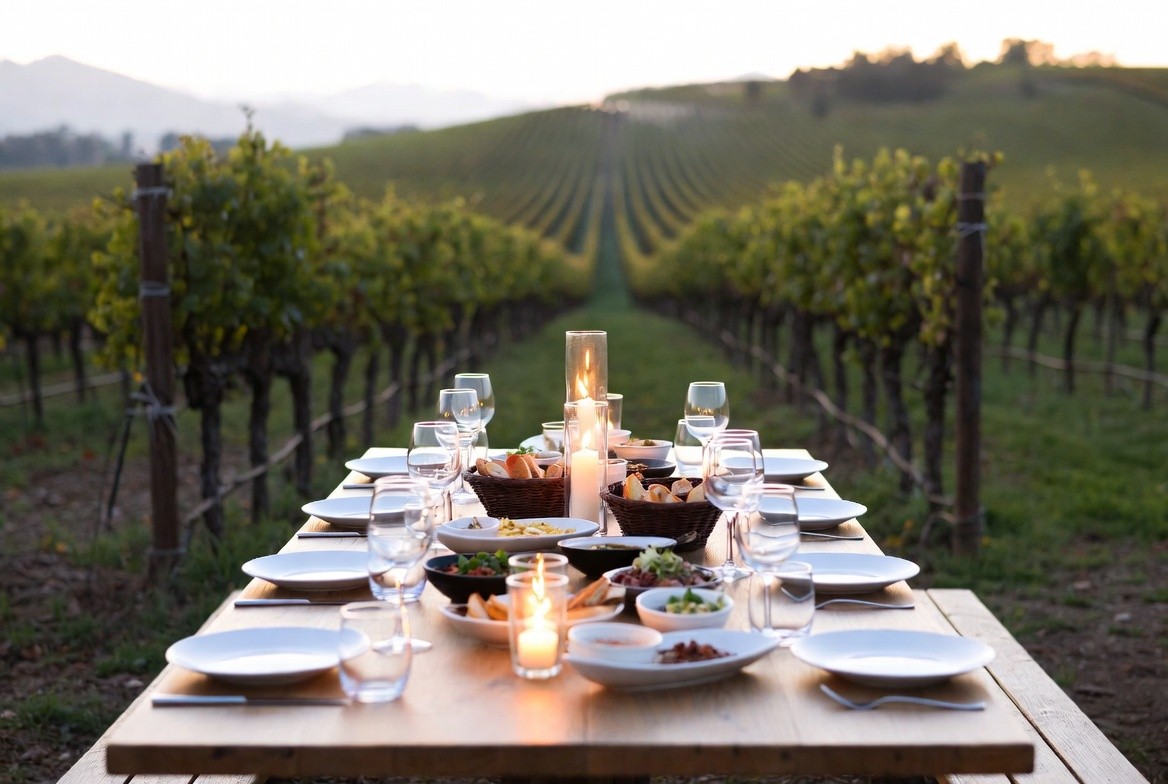
Head to The Charter Oak or Farmstead at Long Meadow Ranch. Order across textures. Roasted vegetables. Grains. Aged cheese. Something bright and acidic.
Pay attention to how olive oil shifts fruit perception. Notice how salt amplifies sweetness. Watch what happens when a warm dish meets a slightly cool wine.
Afternoon
Optional second tasting at elevation near Howell Mountain. Mountain fruit often carries firmer structure and darker concentration. Compare how that structure responds to the same food you had at lunch.
Two wines. Multiple textures. No dogma.
My Local Notes
When we were shaping ONEHOPE and later building Estate 8 in Rutherford, one of the most memorable private lunches involved Cabernet and grilled vegetables instead of red meat.
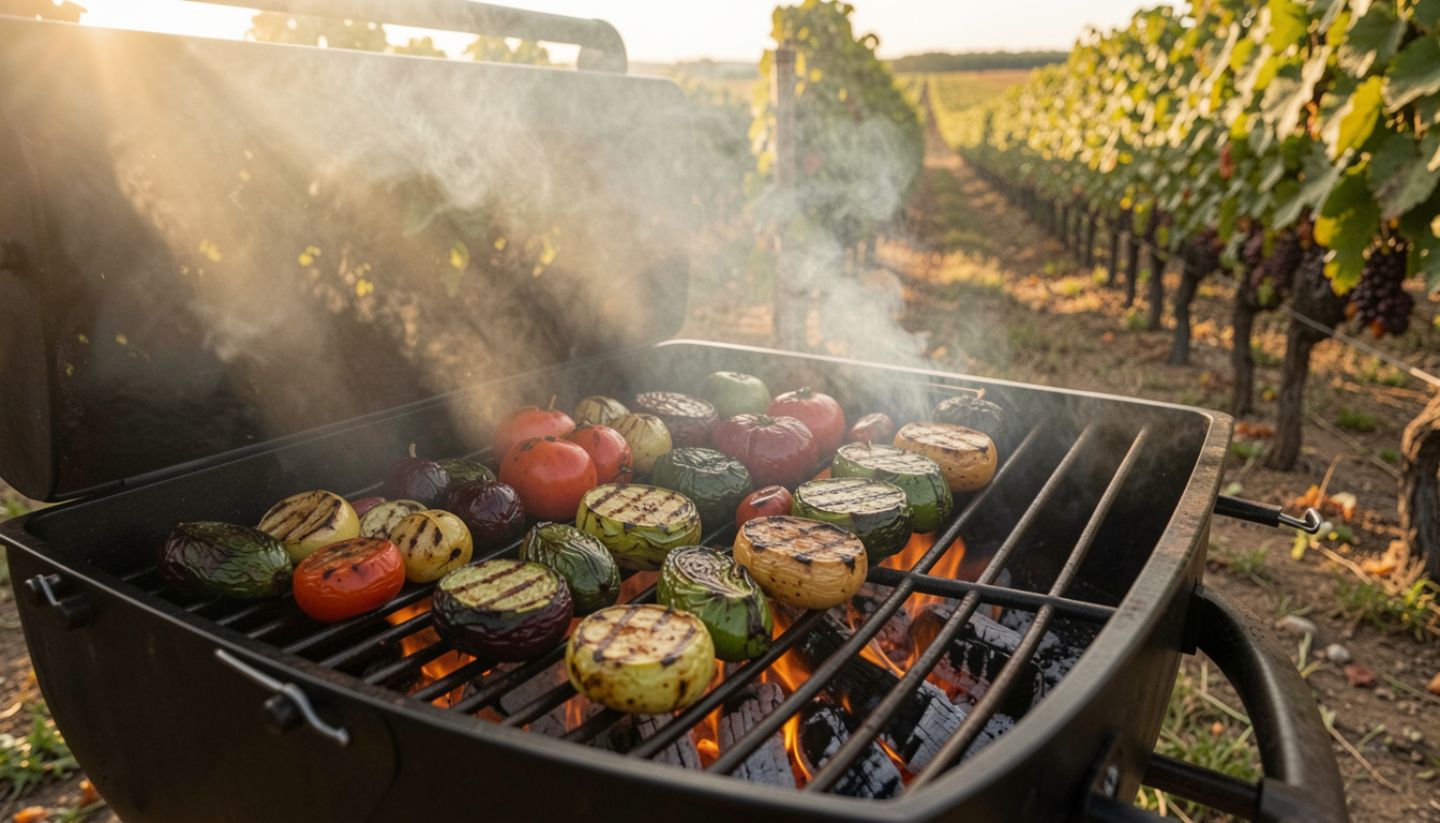
It was harvest season. The air was warm. The vegetables came off a live fire grill set up near the vineyard edge.
The char softened the tannin. The olive oil amplified fruit. The wine felt more complete with eggplant than it had during a formal steak pairing.
I will admit I am biased. Estate 8 is my baby. But moments like that remind me that Napa is agricultural first. The land does not care about pairing charts. It responds to real food grown in the same soil.
When a guest stops asking what they are supposed to pair and starts asking what they are noticing, I know the shift has happened.
Seasonal Pairing Signals in Napa Valley
Napa’s agricultural rhythm gives you natural pairing cues.
Spring
Green herbs and young vegetables pair beautifully with structured whites and lighter reds. Think lift and freshness.
Summer
Grilled stone fruit and vegetables echo the valley heat. Acidity becomes essential.
Fall
Harvest flavors like squash, mushrooms, and aged cheese support mountain Cabernet and structured blends.
Winter
Braised dishes and slow cooked proteins soften tannin and amplify depth. Rain on Silverado Trail makes these meals feel intentional.
What Most Visitors Miss
Many visitors chase perfect pairings instead of noticing dynamic shifts.
They miss:
- How salt can elevate fruit
- How bitterness can clash or harmonize
- How temperature changes perception
- How fatigue dulls nuance
Pairing is not static. It evolves across the meal.