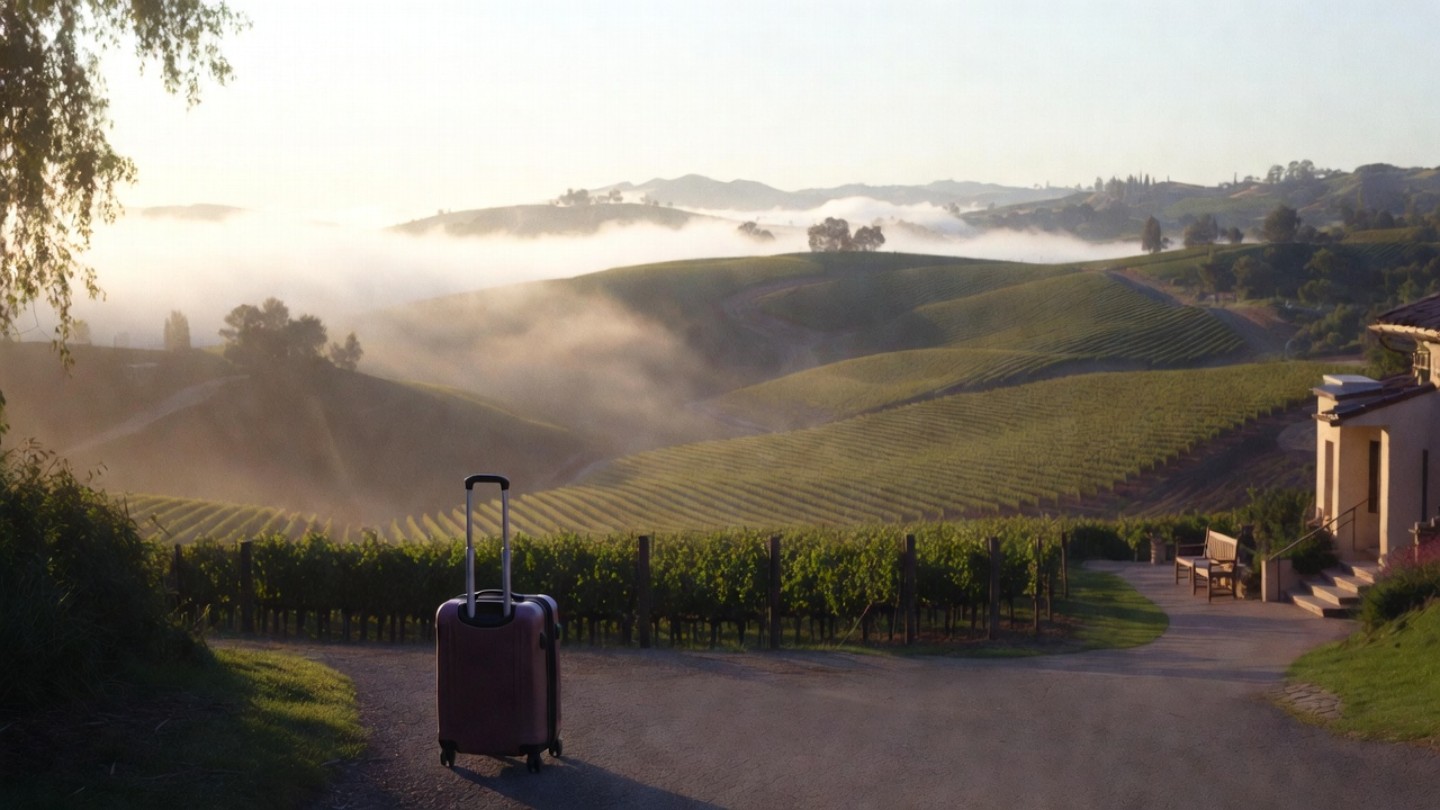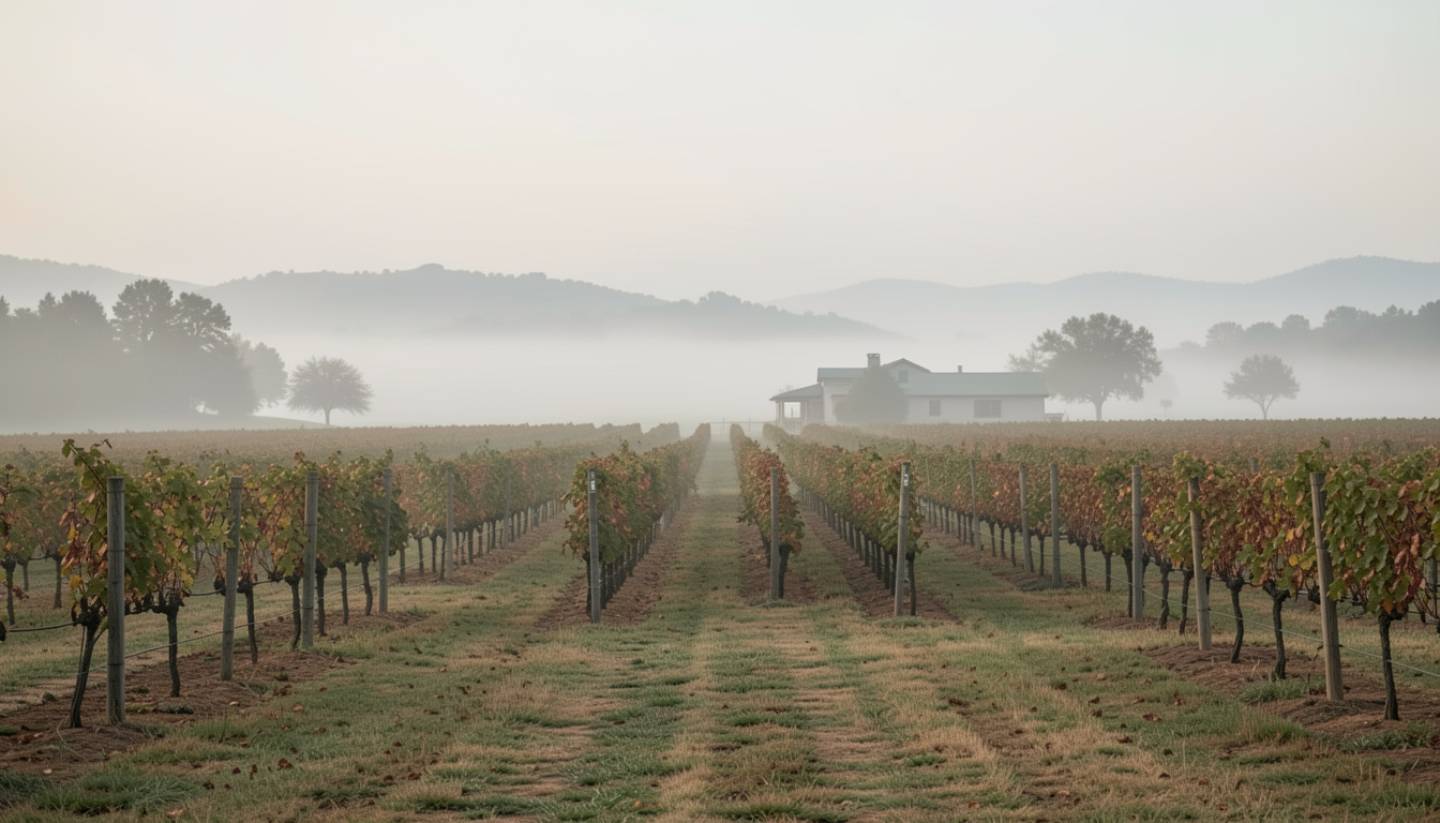
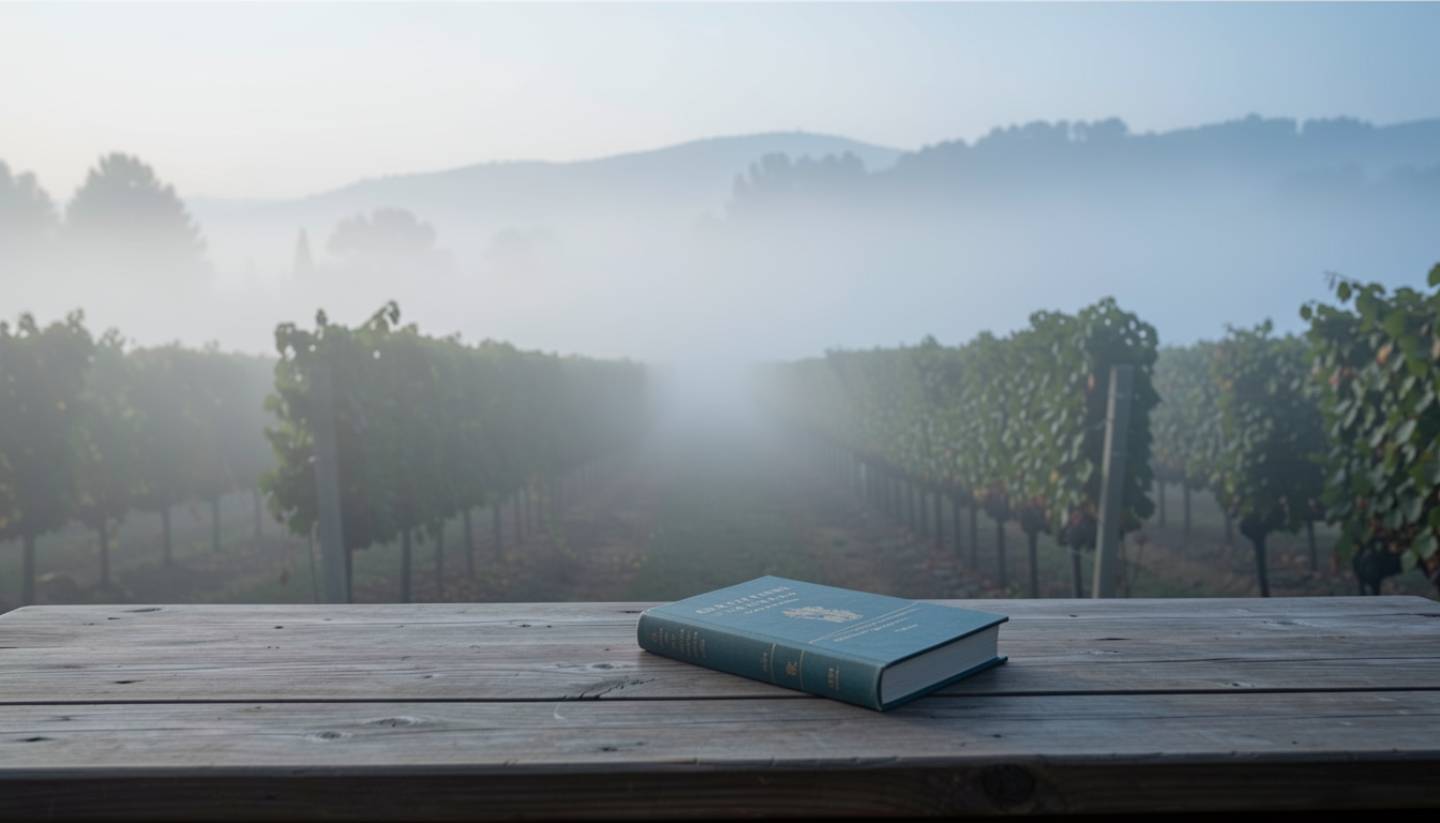
Napa Valley has always rewarded people who read slowly. The morning fog lifts like a first paragraph, and the land reveals itself in chapters, from the open sweep of Carneros to the texture of Rutherford Dust and the lived-in streets of St. Helena. This is not a place that asks to be skimmed. It asks to be sat with. For travelers who love wine and literature, Napa offers something rare: a landscape that behaves like a well-written book. Meaning accumulates when you give it time.
What This Experience Is Really About
Wine and literature share a discipline of attention. Both reward patience, context, and restraint. In Napa, the land edits your pace for you. Fog along the Rutherford benchlands invites reading instead of scrolling. Afternoons ask for one glass, not a flight. Evenings arrive early and quietly, leaving room for thought rather than stimulation. Napa is not a place for noise. It is a place for sentences to land.
When It’s Best
- Midweek (Tuesday–Thursday): Silence is easier to find, and hospitality feels conversational rather than transactional.
- Early mornings: The valley is hushed and focused, ideal for reading while the fog holds.
- Fall and winter: The most literary seasons, with fireplaces, long shadows, and fewer distractions.
- Late afternoons: When the early evening Cabernet light softens the landscape and the mind follows.
What Most Visitors Miss
Many visitors try to consume Napa the way they consume content, quickly and in volume. Wine and literature resist that approach. The best experiences happen when one idea, one vineyard, or one paragraph takes more space than planned. Napa makes sense when you stop trying to fill the day and let it unfold like a chapter you did not rush to finish.
My Local Notes
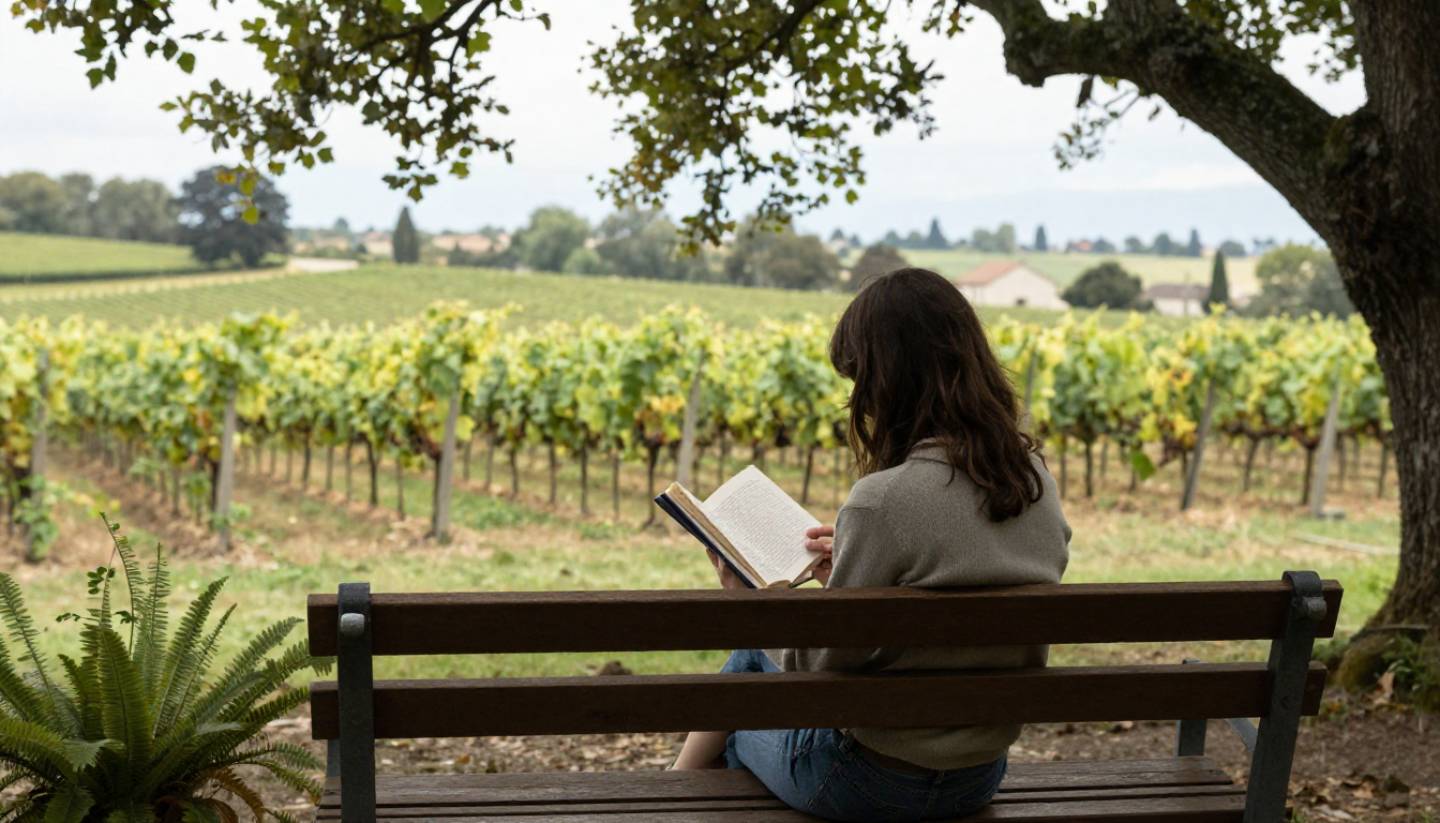
Some of my favorite Napa days include more reading than tasting. I remember a winter afternoon when the fog never fully lifted. I stayed in one place, read longer than intended, and poured a single glass once the light flattened. Quiet words, quiet land, one thoughtful wine. That combination has stayed with me far longer than any checklist ever could.
How Wine and Reading Naturally Pair in Napa
- Morning: Read first. The valley is quiet and your attention is clean.
- Midday: Walk a vineyard edge or a historic town street to let ideas settle.
- Afternoon: Choose one seated tasting where the story of the land matters more than the volume of the pour.
- Evening: Return to the page. Napa evenings end early for a reason.
Where This Experience Works Best
St. Helena and Yountville offer the best balance of walkability and calm. Boutique inns with private patios or gardens create natural reading rooms. Quiet stretches along the Silverado Trail suit travelers who want to sit, observe, and think. You want space, not spectacle.
A Gentle Personal Note
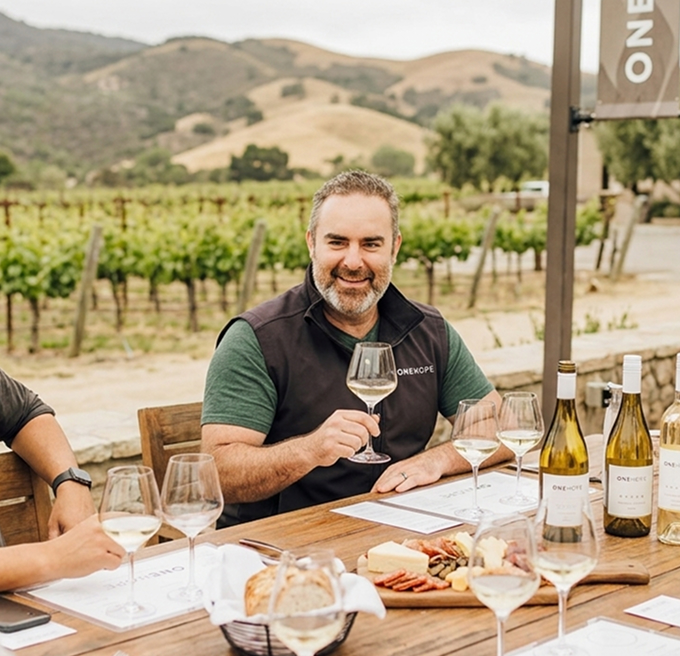
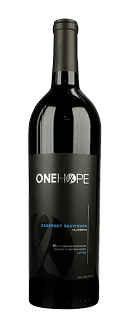
I will admit a little bias. ONEHOPE Winery and our home at Estate 8 were shaped around this rhythm: open air, long sightlines toward Mt. St. Helena, and places to sit without interruption. It is my passion project, built on the belief that hospitality should create mental space rather than fill it. I have watched people arrive scattered and leave more coherent simply because they were given room to read, think, and taste without being rushed.
Small Histories
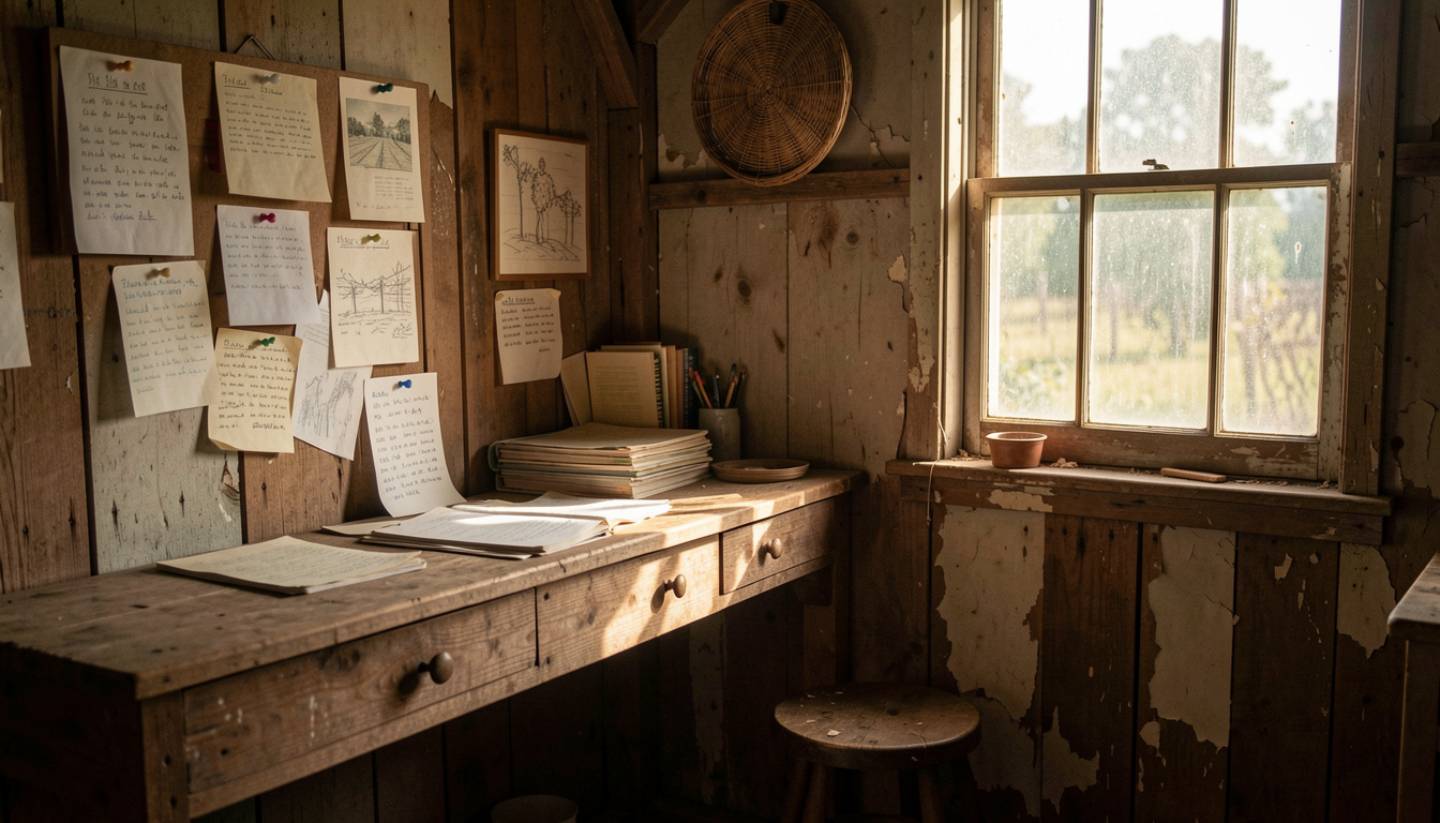
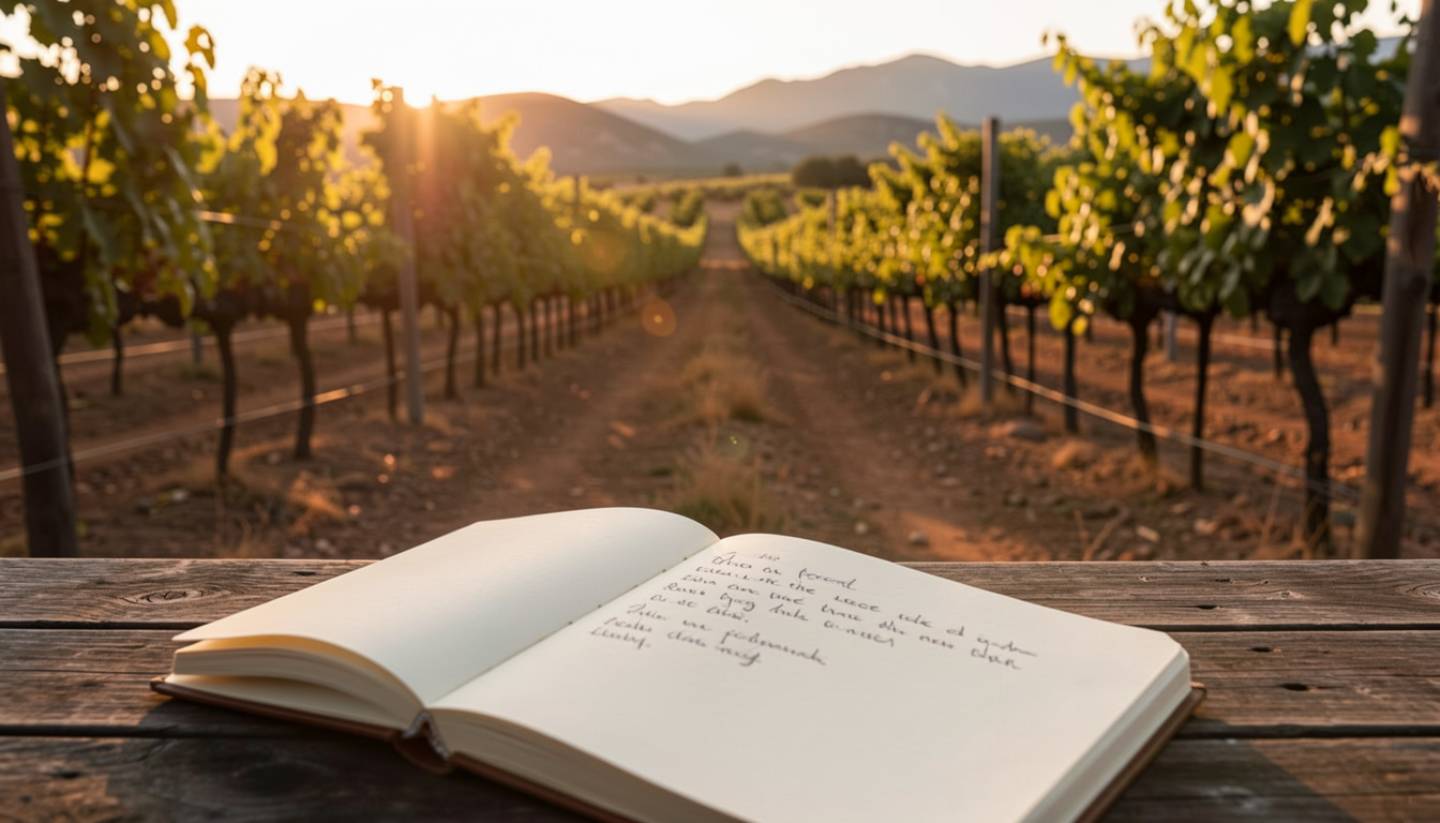
Before Napa was a global destination, it was a valley of letters, ledgers, and handwritten notes. Farmers recorded seasons. Winemakers tracked vintages by hand. Meaning was documented slowly, on paper, with intention. Loving wine and literature in Napa continues that tradition of paying attention.