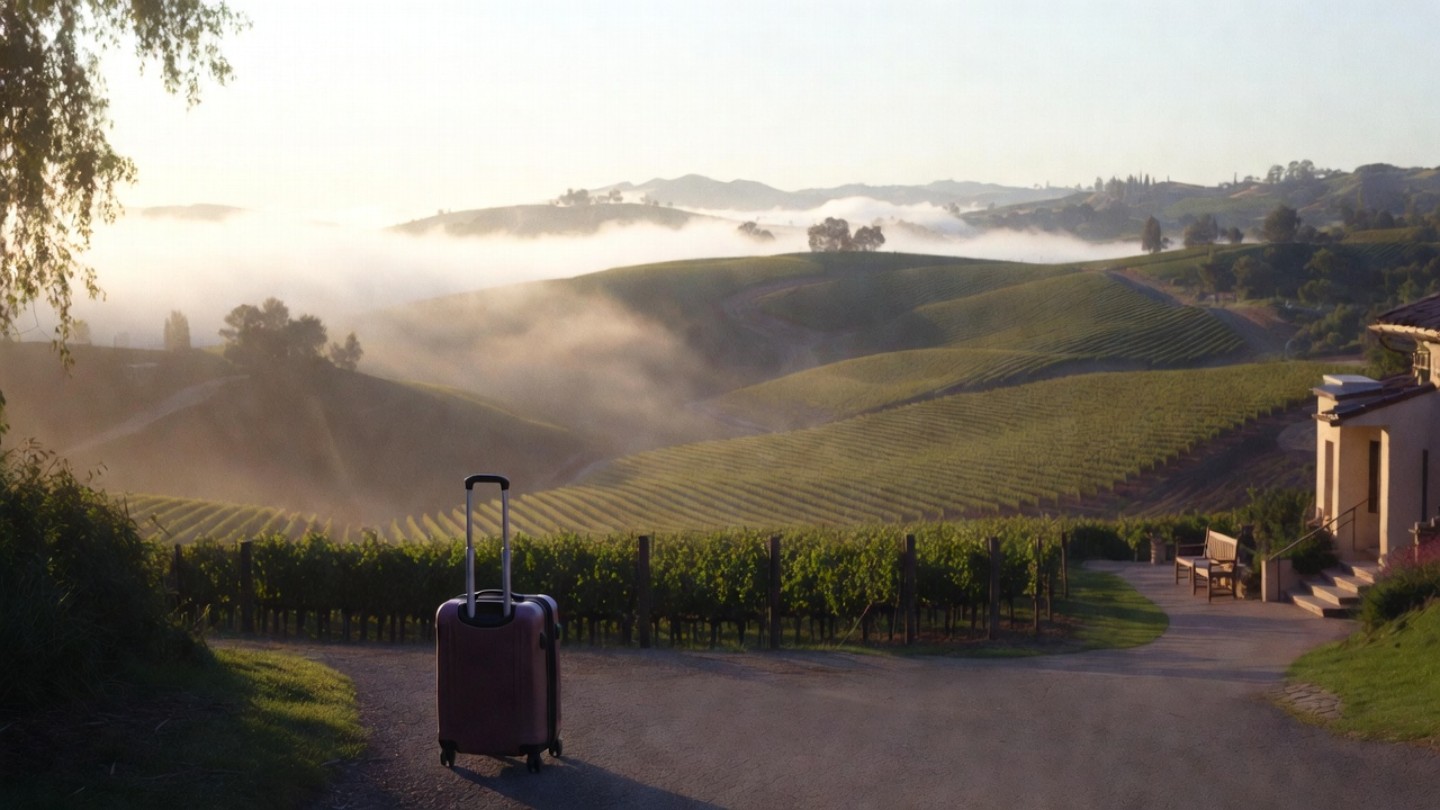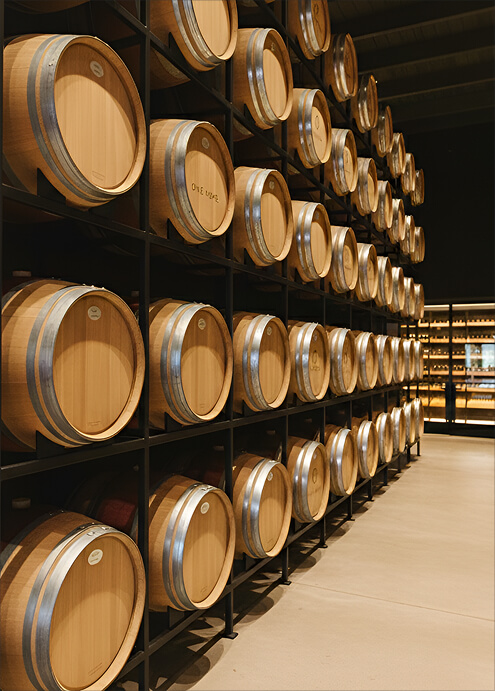
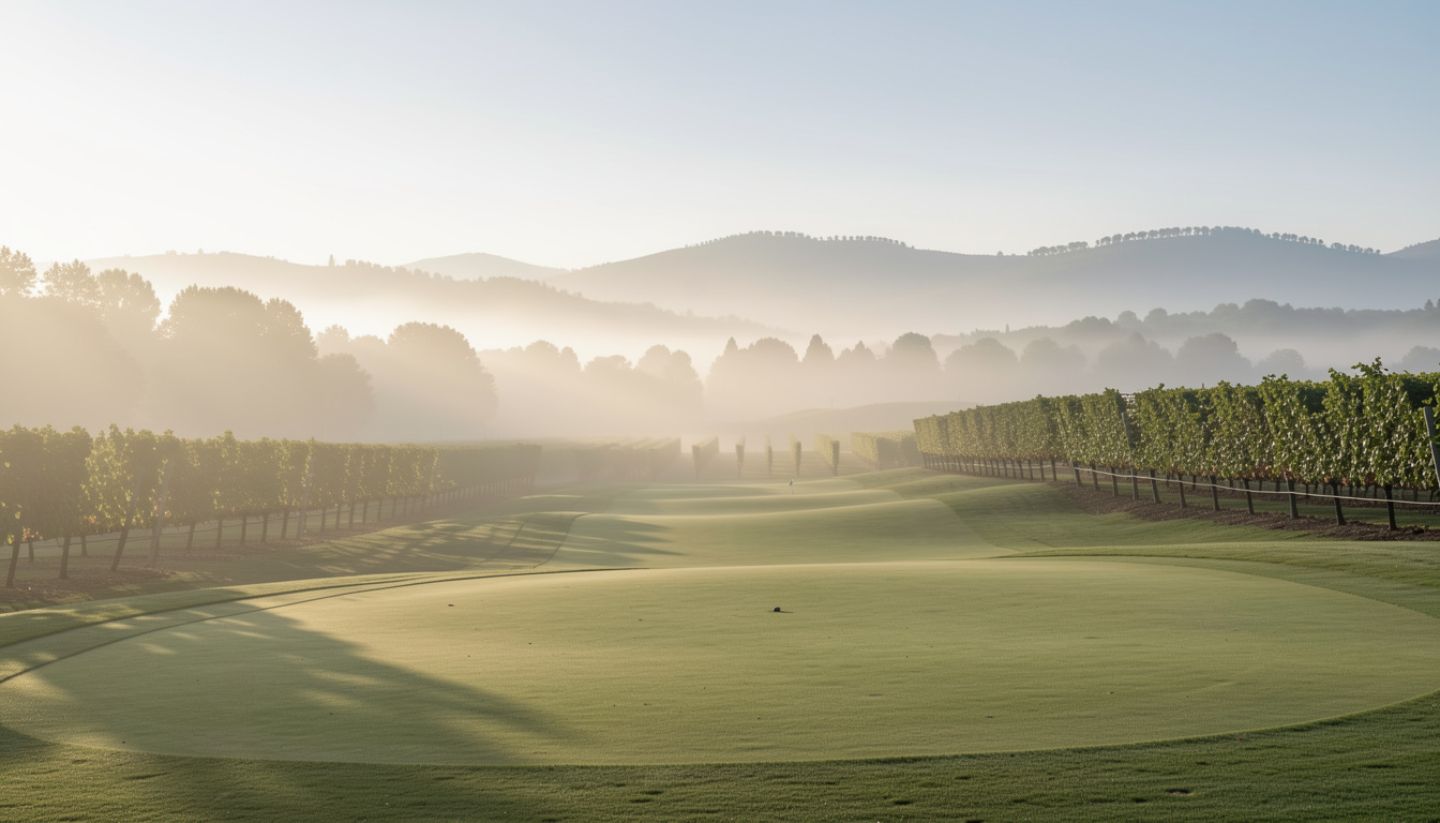
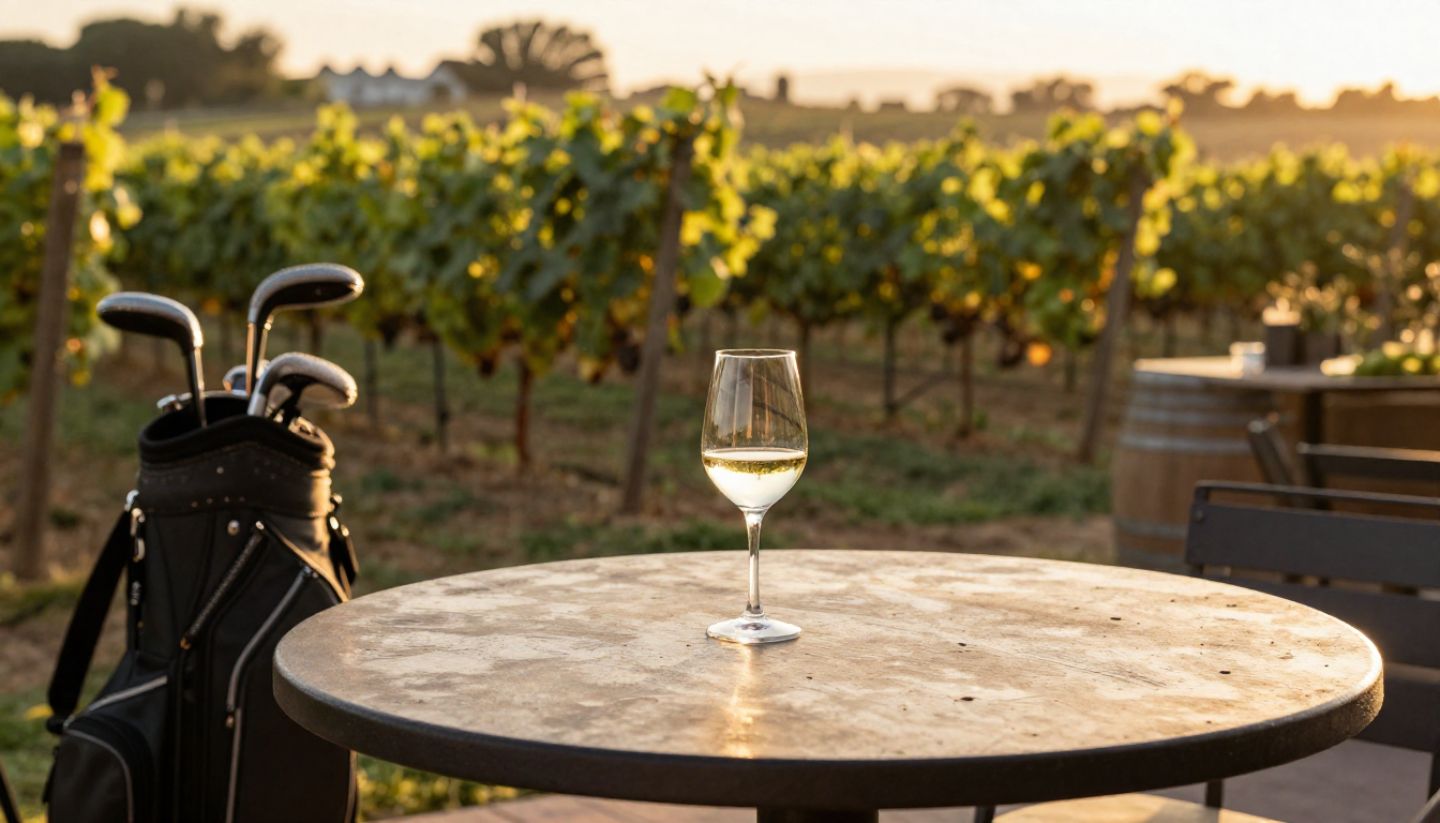
In Napa Valley, wine and golf share the same virtue: restraint. Both reward patience, rhythm, and an awareness of land that goes deeper than scorecards or tasting notes. The best days begin with dew on the fairways, move quietly through the Rutherford benchlands at midday, and end with a glass poured slowly as the light settles into the Mayacamas. If you love wine and golf equally, Napa does not ask you to choose. It asks you to find your cadence.
What This Experience Is Really About
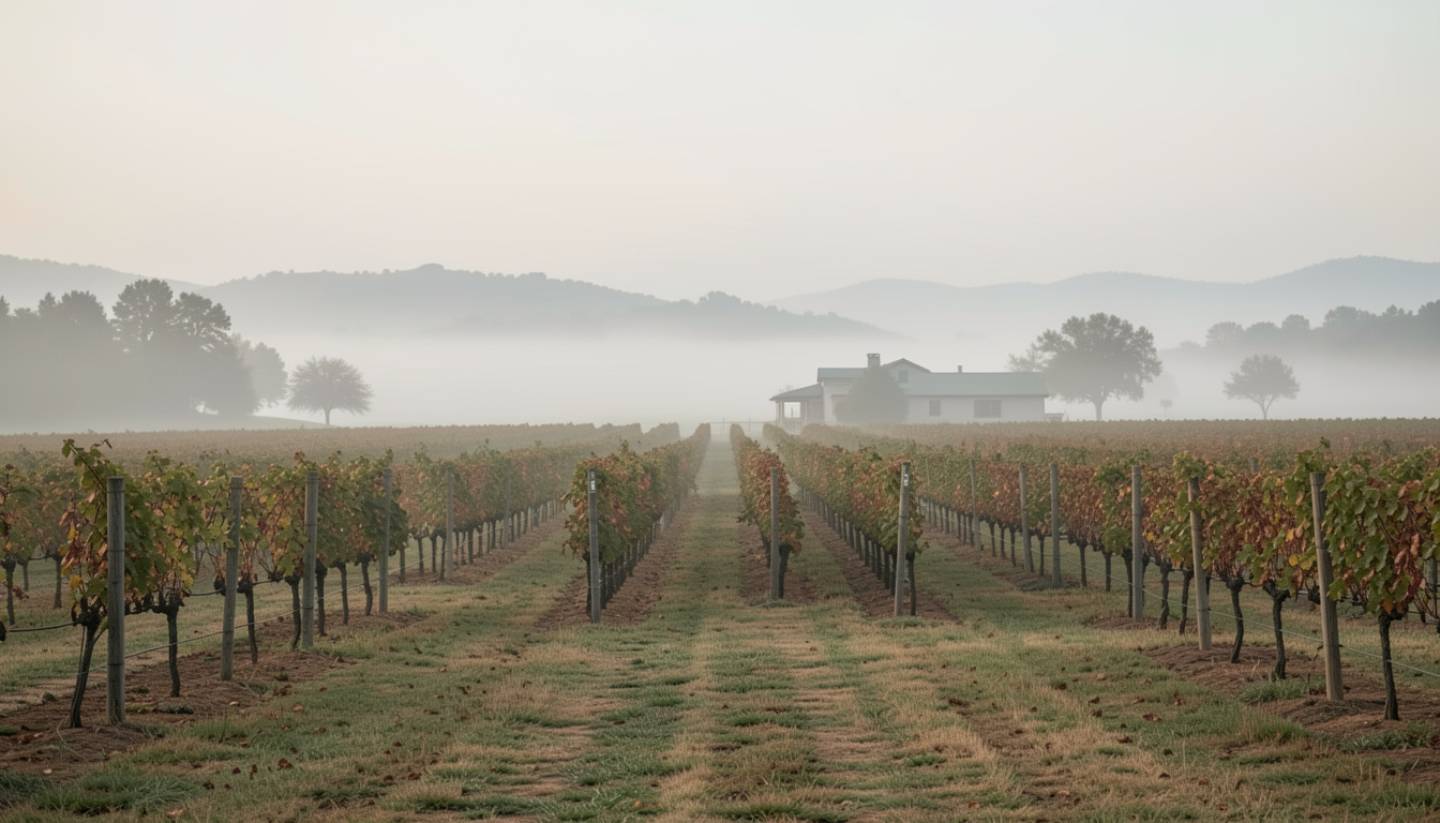
Wine and golf in Napa are connected by soil and tempo. Fairways roll the same way vineyard rows do. Morning fog lifts off greens and vines alike. Both experiences reward steady attention over forced intensity.
This is not about squeezing in eighteen holes and four tastings. It is about balance. One round. One winery. Enough space in between for both to settle into memory.
When It Is Best
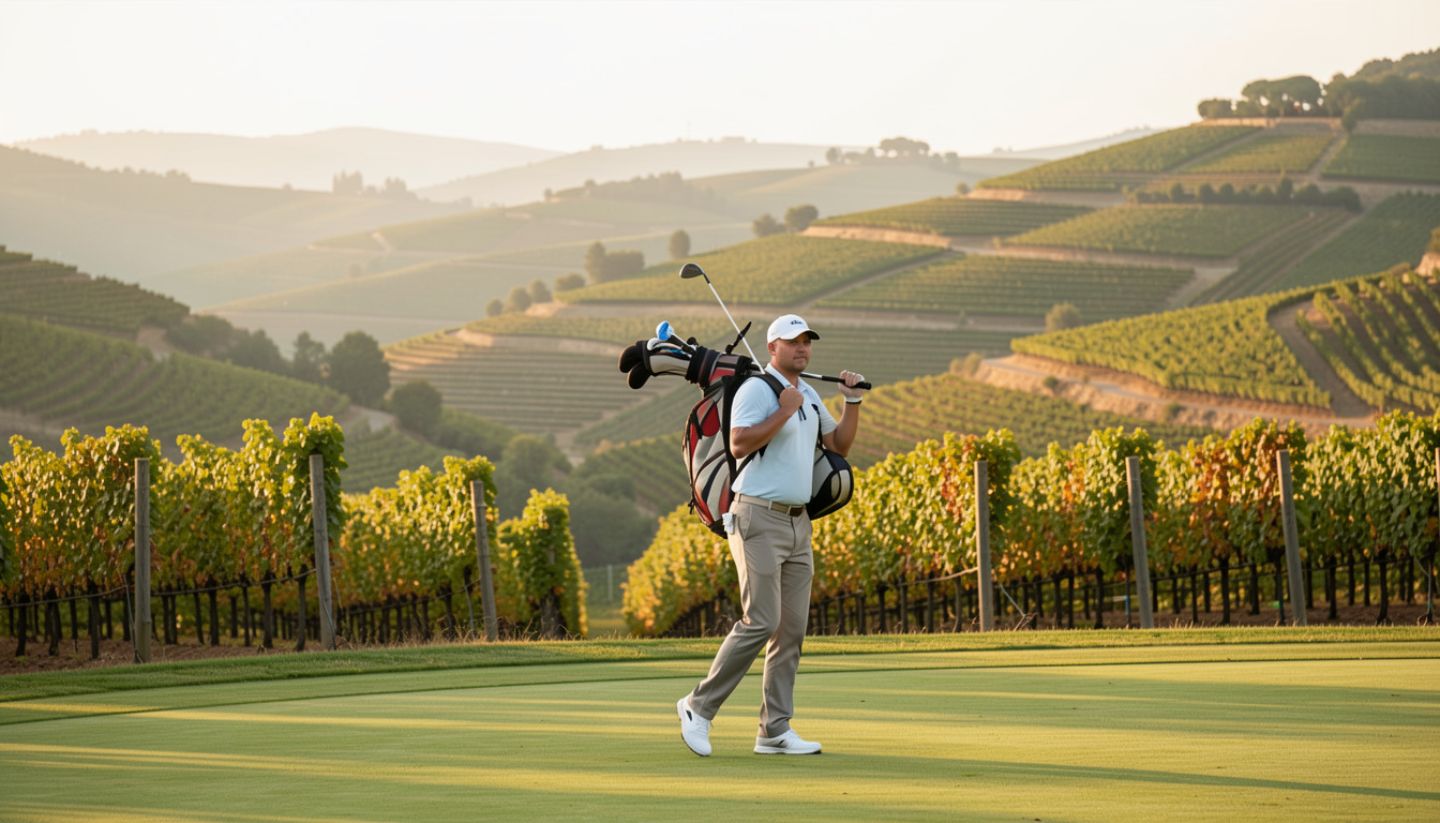
Early mornings
Are sacred. Tee off just after sunrise to catch the fog lifting and the valley at its quietest.
Spring and fall
Are the sweet spot, with green fairways in spring and harvest energy in the fall.
Midweek
Brings the truest rhythm, fewer groups ahead of you and more time to actually talk with the people pouring your wine.
Late afternoons
Are ideal for tasting, once clubs are cleaned and the light turns softer.
What Most Visitors Miss
Many travelers overcommit, trying to hit marquee wineries immediately after a round. Napa works best when golf leads and wine follows. Physical focus first. Sensory focus later.
The best days include what locals recognize as the Napa transition. That quiet hour between the eighteenth green and the first pour, when you sit, breathe, and let the valley slow you down.
My Local Notes
Some of my favorite Napa days follow a simple formula. An early round while the valley is still quiet. A late lunch that runs long. One glass at exactly the right moment. I remember a morning when the fog held until the back nine. By the time we finished, the Mayacamas opened fully into the sun. That shift, from movement to stillness, is the moment Napa reveals itself to people who play the long game.
Where Wine and Golf Naturally Intersect
The southern valley near Jamieson Canyon is where courses and vineyards literally share fence lines, making it easy to move from fairway to tasting without crossing town.
The mid valley around Yountville offers shorter rounds and immediate access to relaxed lunches and classic dining.
Along the Silverado Trail, championship golf and some of Napa’s most historic Cabernet sites sit minutes apart, allowing the day to unfold without friction.
How to Plan the Ideal Wine and Golf Day
Play early and finish before midday heat.
Return to your hotel to reset before any tasting.
Choose one seated winery experience instead of a flight marathon.
Anchor the afternoon with a long lunch rather than a formal dinner.
Let the day taper instead of stacking it.
Food Matters on These Days
After a round, food is not an accessory. It is part of recovery. Napa excels at meals that refuel without overwhelming. Shaded patios, seasonal menus, and service that understands pacing matter more than spectacle.
Where to Stay If You Love Both
Choose lodging that sits naturally between courses and vineyards, ideally near the Silverado Trail or the southern corridor. Boutique hotels work especially well, offering quiet mornings, easy departures, and space to unwind after a round.
A Gentle Personal Note
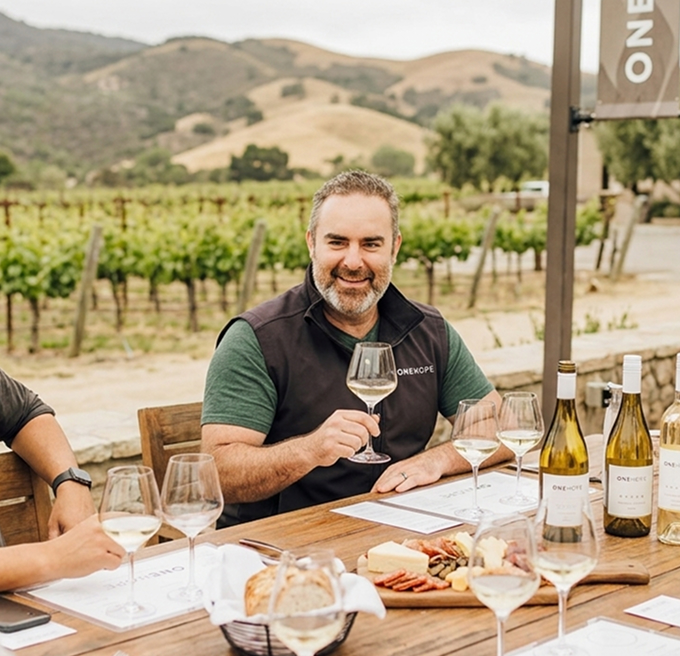
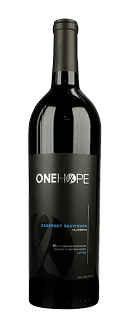
I will admit a little bias here. Estate 8 and ONEHOPE sit in a part of the valley where this balance feels intuitive. Wide sightlines toward Mount St. Helena, open air, and a sense of calm that pairs naturally with mornings on the course. It is my passion project, built around the belief that Napa works best when physical movement and hospitality support each other rather than compete. I am biased, but the light on the vines after a morning round still stops me every time.
Small Histories
Golf arrived in Napa for the same reason wine thrived here. The land allowed it. Rolling terrain, reliable weather, and a culture that values patience over performance. Both grew quietly, shaped by people who understood that the landscape sets the rules.