There is a version of Napa Valley you only discover on foot.
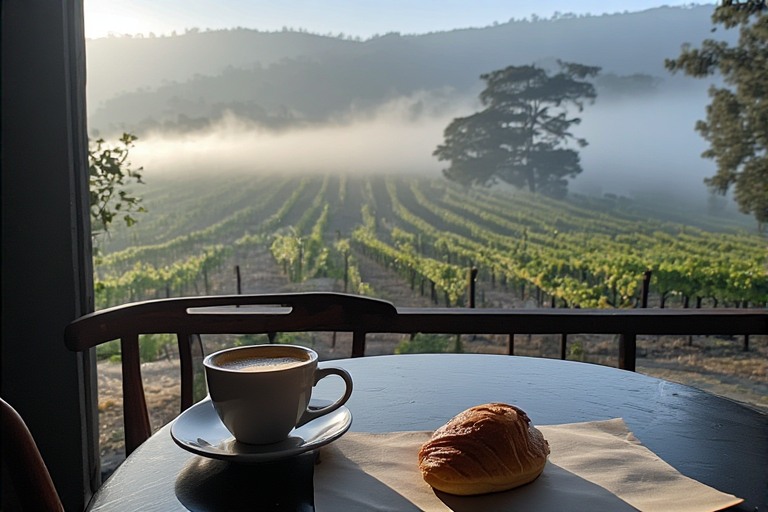
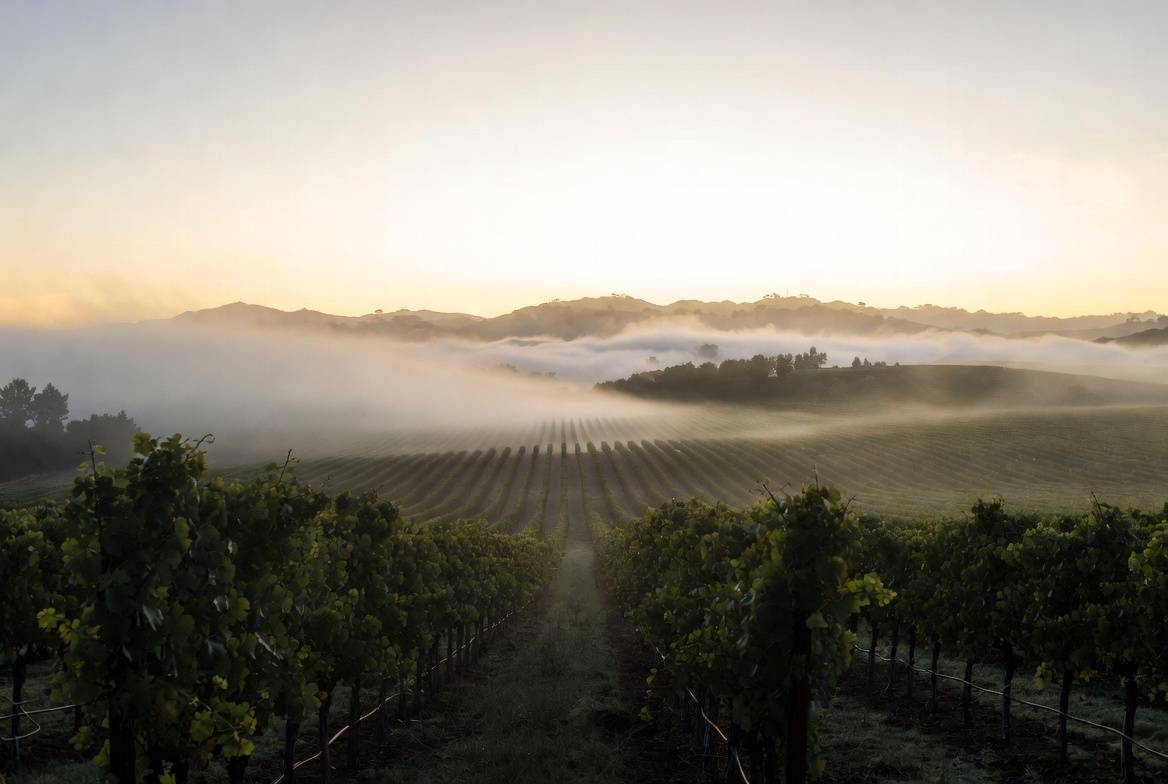
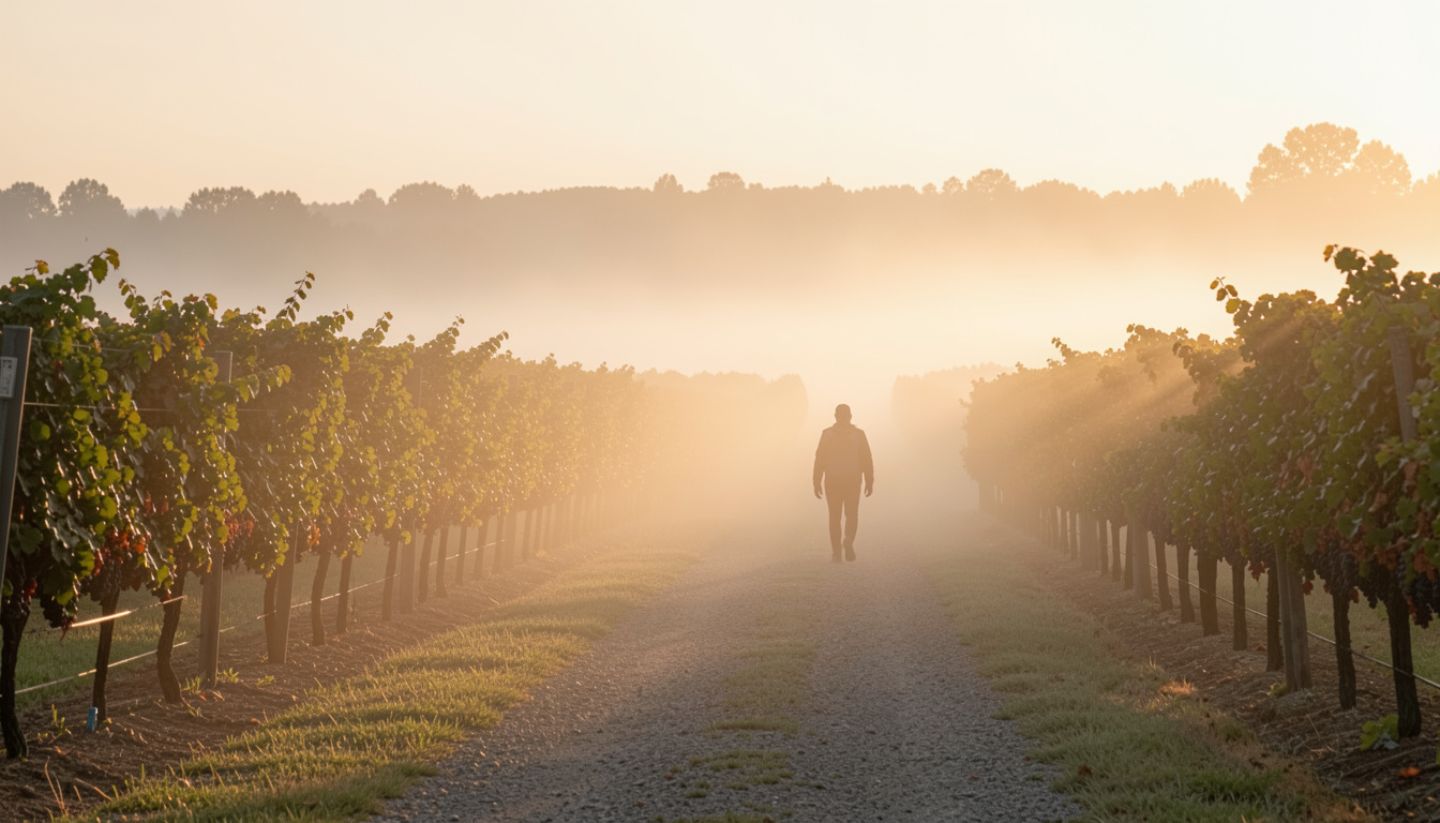
Not standing shoulder to shoulder at a tasting counter. Not moving quickly through a lineup of pours. But walking slowly between vineyard rows in the early morning while fog lifts off the Rutherford benchlands and gravel crunches softly beneath your shoes.
You notice things differently when you walk. The precise spacing between vines. The scent of damp soil warming as sunlight reaches the valley floor. The way the Mayacamas hold shadow just a little longer than the eastern hills.
If you love vineyard walks more than tasting bars, Napa begins to feel less like a destination and more like a landscape you are learning to read. Before Napa was known for tasting rooms, it was known for farming. Walking reconnects you to that agricultural rhythm that still defines the valley today.
What Vineyard Walking Reveals
Walking through vineyards changes how you understand wine because the lessons become physical.
You begin to notice:
Soil transitions
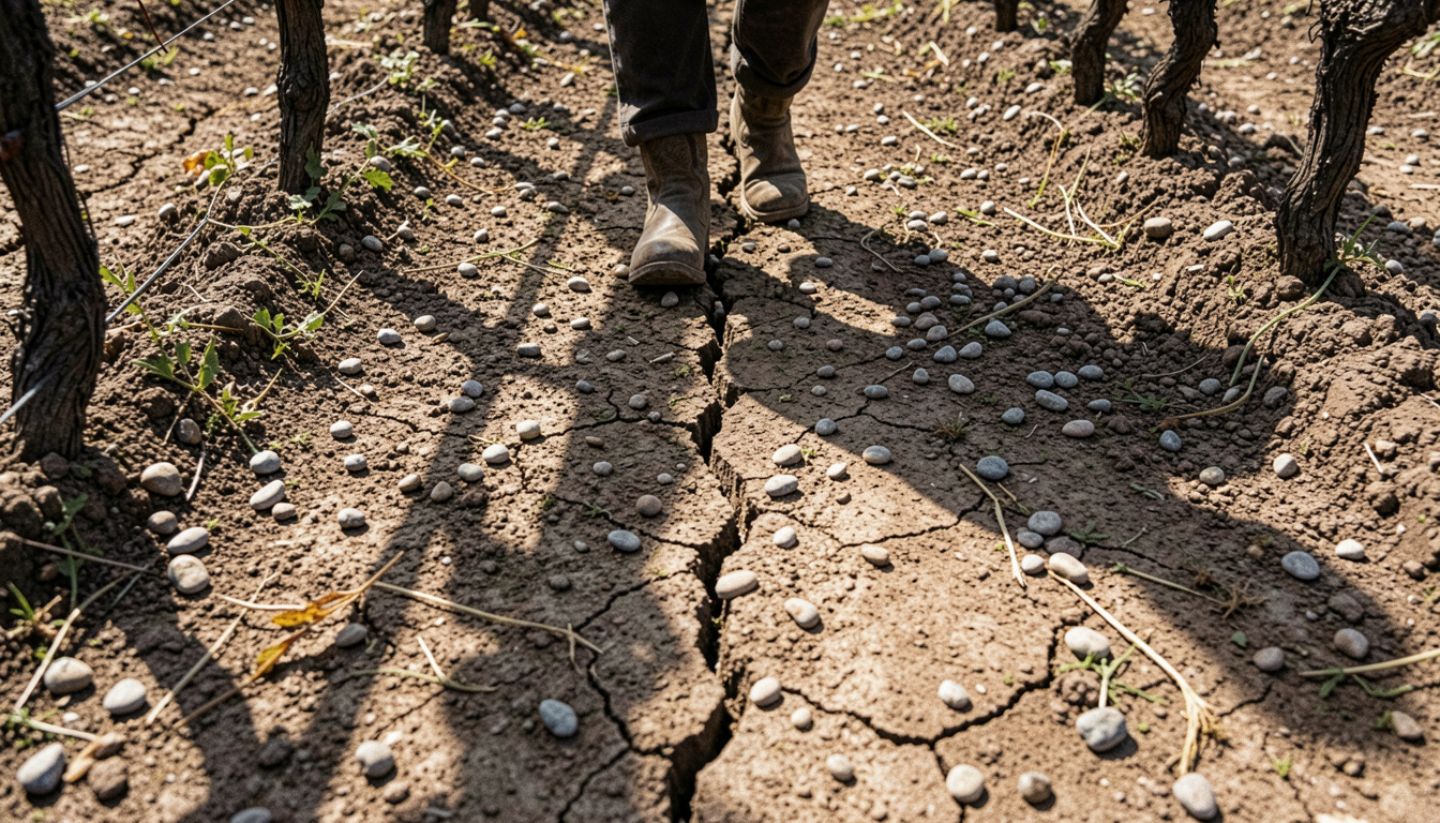
Earth shifts from sandy loam to gravelly benchland soils across Rutherford and Oakville, explaining structure long before the first sip.
Microclimates
A shaded row can feel noticeably cooler than one catching early sun. Mountain air moves differently than valley-floor warmth.
Seasonal rhythm
Mustard cover crops in spring. Dense canopies in summer. Architectural dormancy in winter.
Terroir stops being theory and becomes something you feel under your feet. In the benchlands, fast-draining soils encourage vines to struggle just enough to concentrate flavor and structure.
The Quiet Side of Napa Hospitality
Napa’s hospitality has evolved. The best experiences today are slower, seated, and outdoors.
Look for experiences described as:
- Estate walks
- Vineyard tours
- Garden or farm tastings
- Land-focused visits
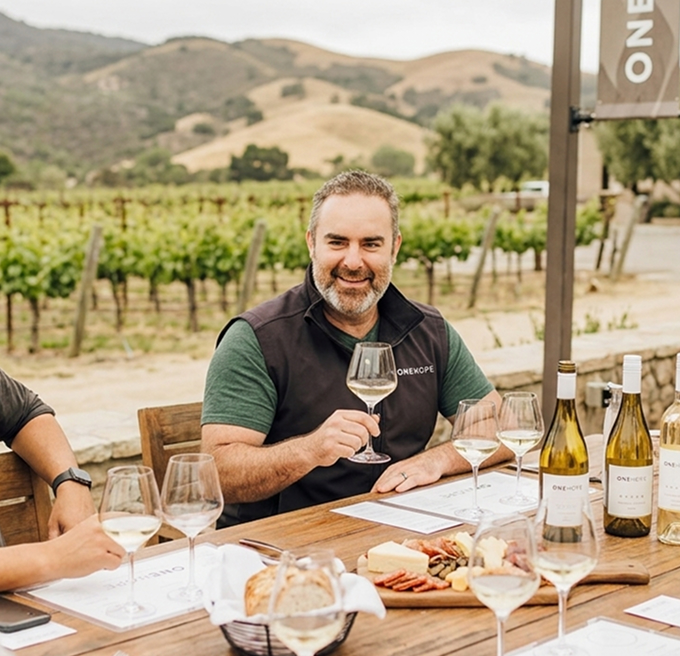
These typically begin around 10 a.m., when the valley feels calm and hosts have time to share real farming stories. You are not just tasting wine. You are walking through the reason it exists.
A Vineyard Walk Focused Day
Early Morning
Start along Silverado Trail near Rutherford. Walk a safe, designated area and watch fog retreat toward the southern valley.
10:00 a.m. Estate Visit
Choose a seated tasting that includes a vineyard walk. Ask about canopy management, irrigation philosophy, and harvest timing.
Lunch in St. Helena
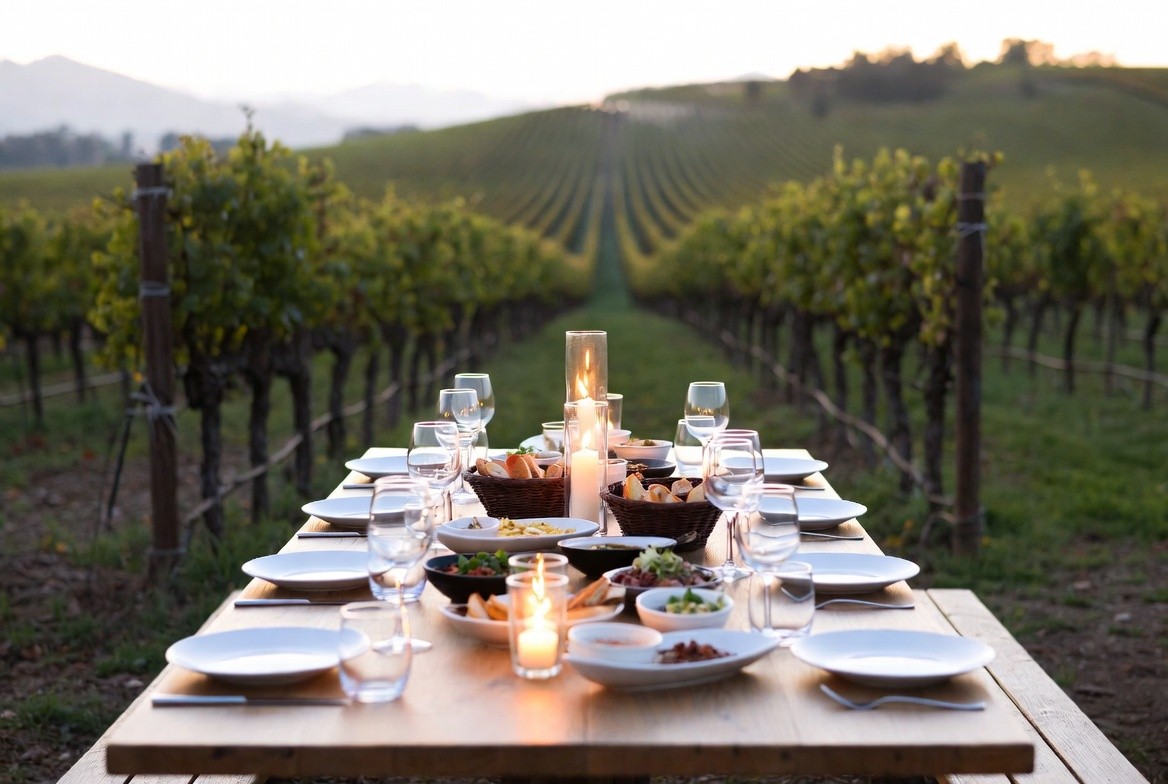
Settle into an outdoor table at The Charter Oak or Farmstead at Long Meadow Ranch. Let the meal stretch without rushing.
Afternoon Movement
Explore Skyline Wilderness Park or a quiet vineyard-adjacent road. The goal is presence, not distance.
My Local Notes
Some of my clearest memories of Napa happened before guests ever arrived.
During the early days of building ONEHOPE and shaping Estate 8, I spent mornings walking the vineyard blocks alone. No glass in hand. Just fog, rows, and the sound of irrigation clicking somewhere in the distance.
One harvest morning, the valley floor disappeared completely beneath fog, leaving only the tops of the vines visible. Standing there, it became obvious how small farming decisions quietly shape the character of a wine years later.
I will admit I am biased. Estate 8 is my baby. But what convinced me we had chosen the right place was not the tasting experience. It was how the land felt at sunrise when walked slowly and without distraction.
Wine makes more sense when the vineyard comes first.
Where Walking Matters Most
Rutherford Benchlands
Wide spacing and gravel soils make it easy to understand drainage and the fine tannin texture often called Rutherford Dust.
Oakville Corridor
Subtle elevation shifts influence ripening patterns across short distances.
Carneros
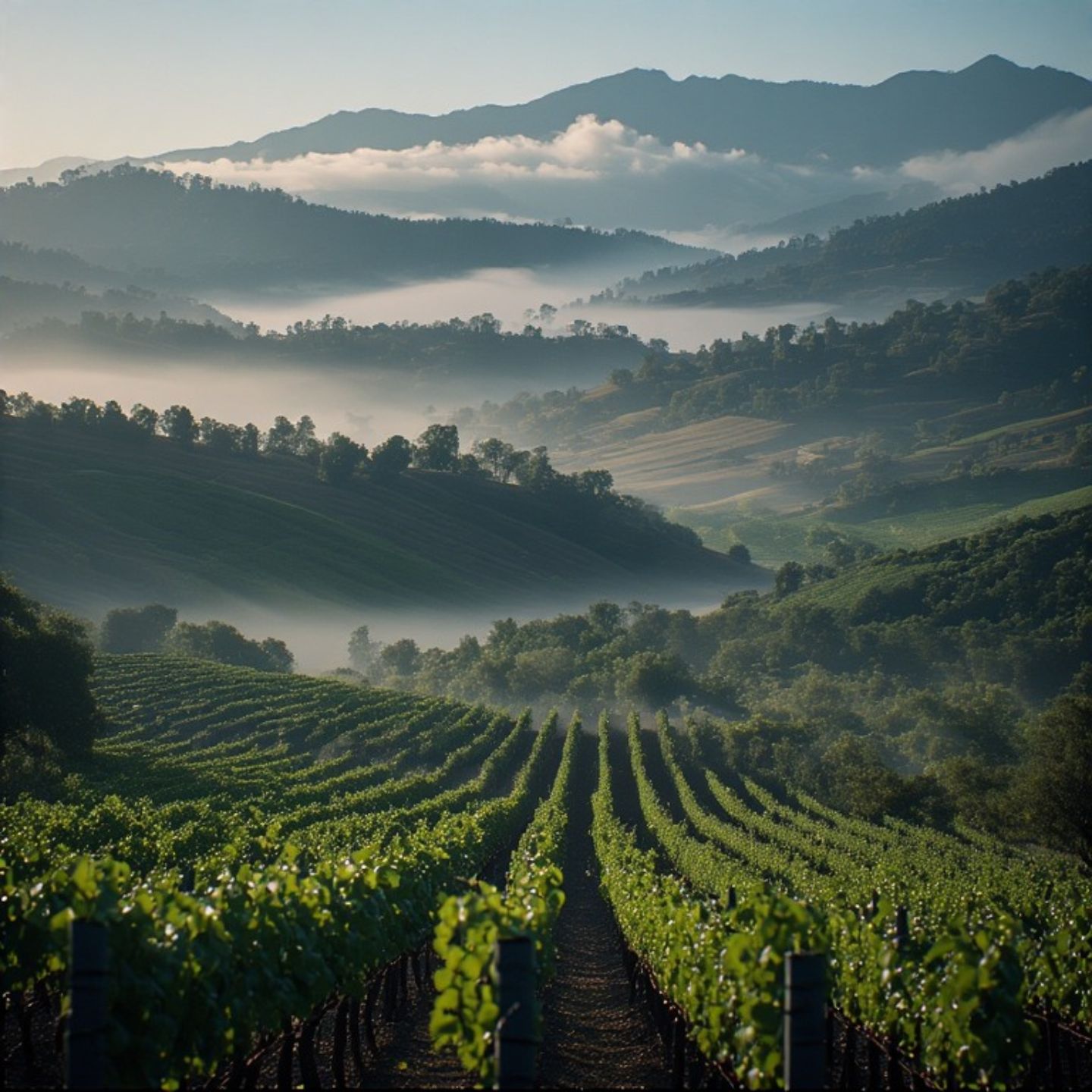
Cool morning fog creates a softer landscape and slower vineyard rhythm.Calistoga
Up-valley warmth and rugged terrain provide dramatic contrasts in both climate and soil.
Seasonal Vineyard Walking Guide
| Season | What You Experience |
| Winter | Bare vines reveal pruning decisions and vineyard structure |
| Spring | Mustard blooms and cover crops add color and biodiversity |
| Summer | Dense green canopy, best explored early morning |
| Fall | Harvest energy and the scent of fermenting fruit in the air |
Each season teaches a different chapter of the vineyard year.