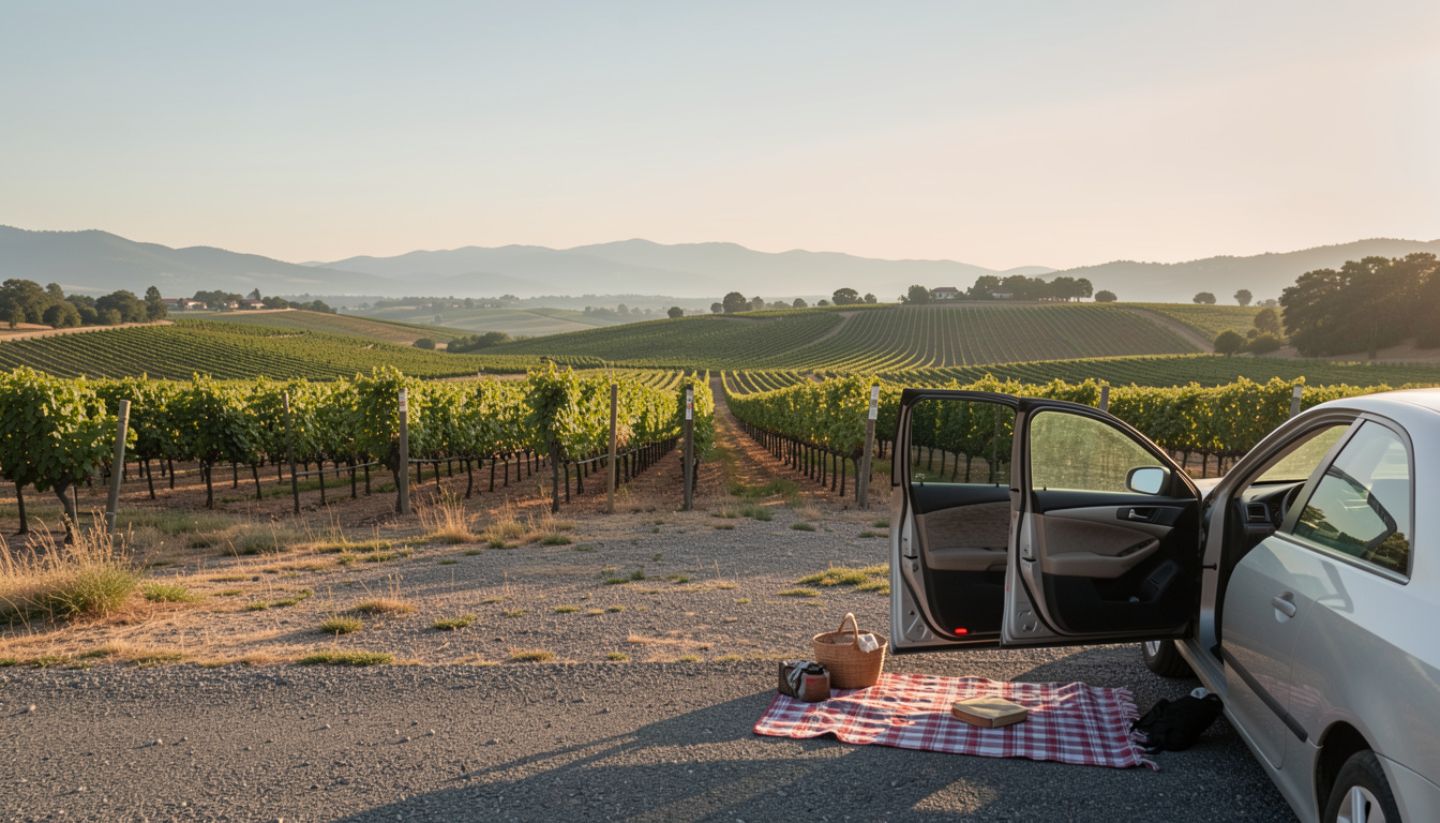
Some of the best Napa moments happen with the engine off and the doors open. A quiet pullout. A blanket spread on the grass. Bread still warm from the bakery. When you build a day around a picnic drive, Napa stops feeling like a checklist and starts feeling like a long, unhurried afternoon.
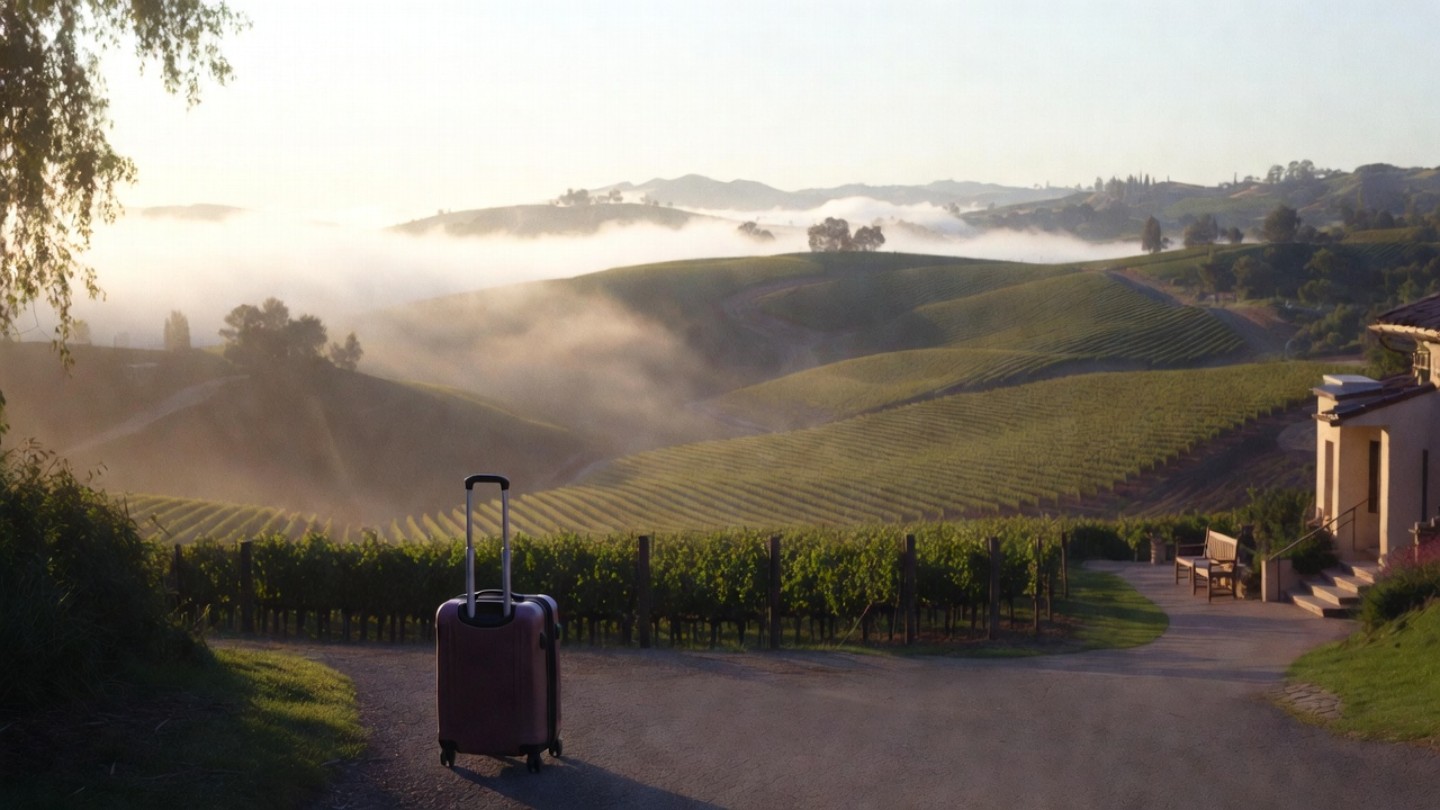
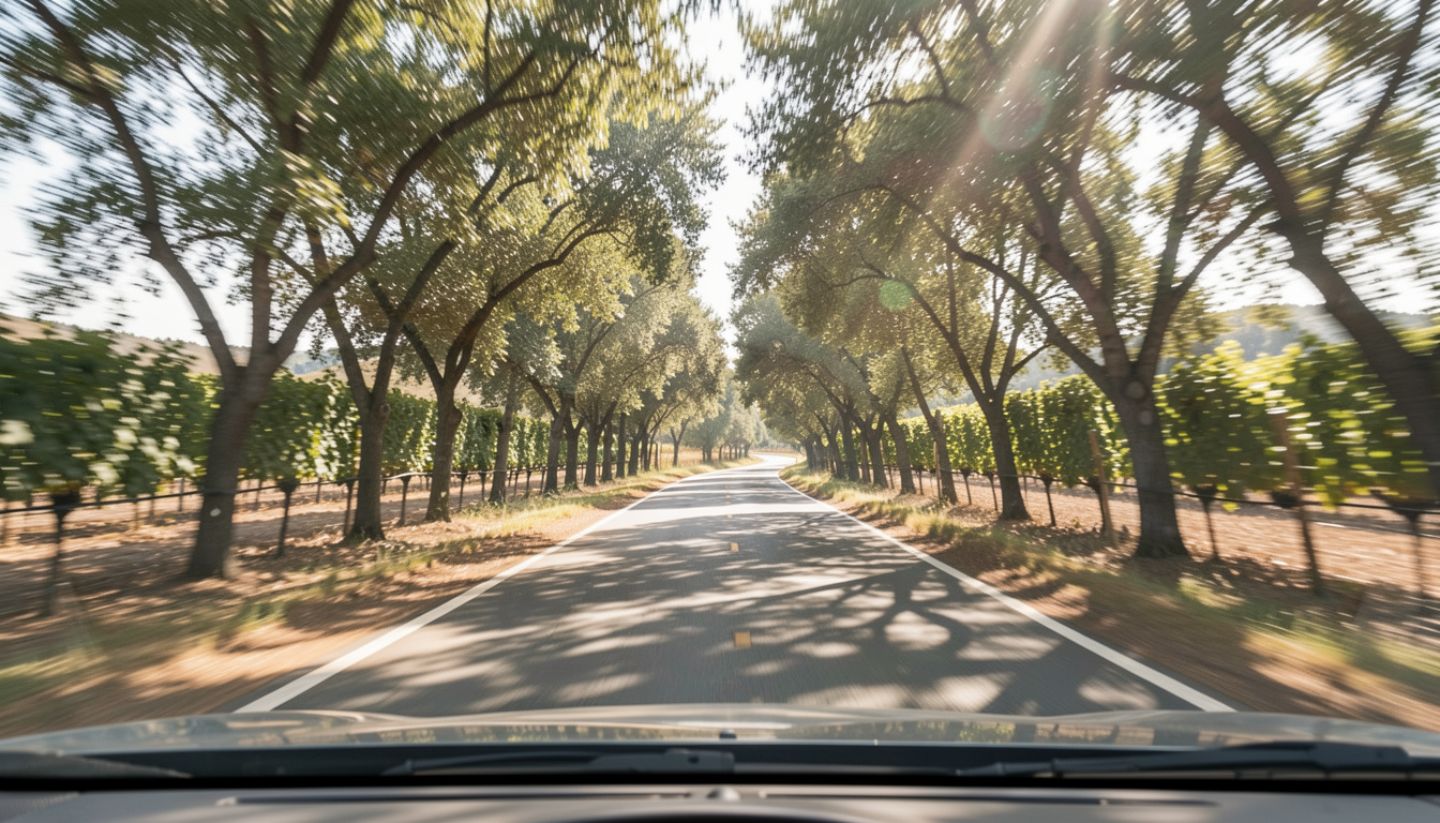
The valley rewards this pace. Roads curve gently. Light changes by the mile. Vineyards open and close like chapters. A scenic picnic drive lets you experience Napa first with your eyes, then your hands, and finally your glass.
What This Experience Is Really About
Picnic drives are about pace and permission.
You give yourself permission to stop without an agenda. To turn around because the light improved. To eat when you are hungry instead of when a reservation says so. This is Napa at its most generous.
Scenic picnic drives favor:
- fewer appointments and longer pauses
- curiosity over efficiency
- food that travels well
- views that are not framed by tasting rooms
It is hospitality without a host. The valley does the work.
When It Is Best
Picnic drives shine during Napa’s softer windows.
- Spring and early summer
Fresh greens, mild temperatures, and long afternoons. - Post harvest fall
Golden light, open sightlines, and a calmer valley. - Midweek
Quieter roads and easier pullouts.
Morning fog can be beautiful, but late afternoon usually offers the best light for eating outdoors.
What Most Visitors Miss
Many visitors drive straight through the valley focused on the next stop. They miss how quickly the mood changes just off the main road.
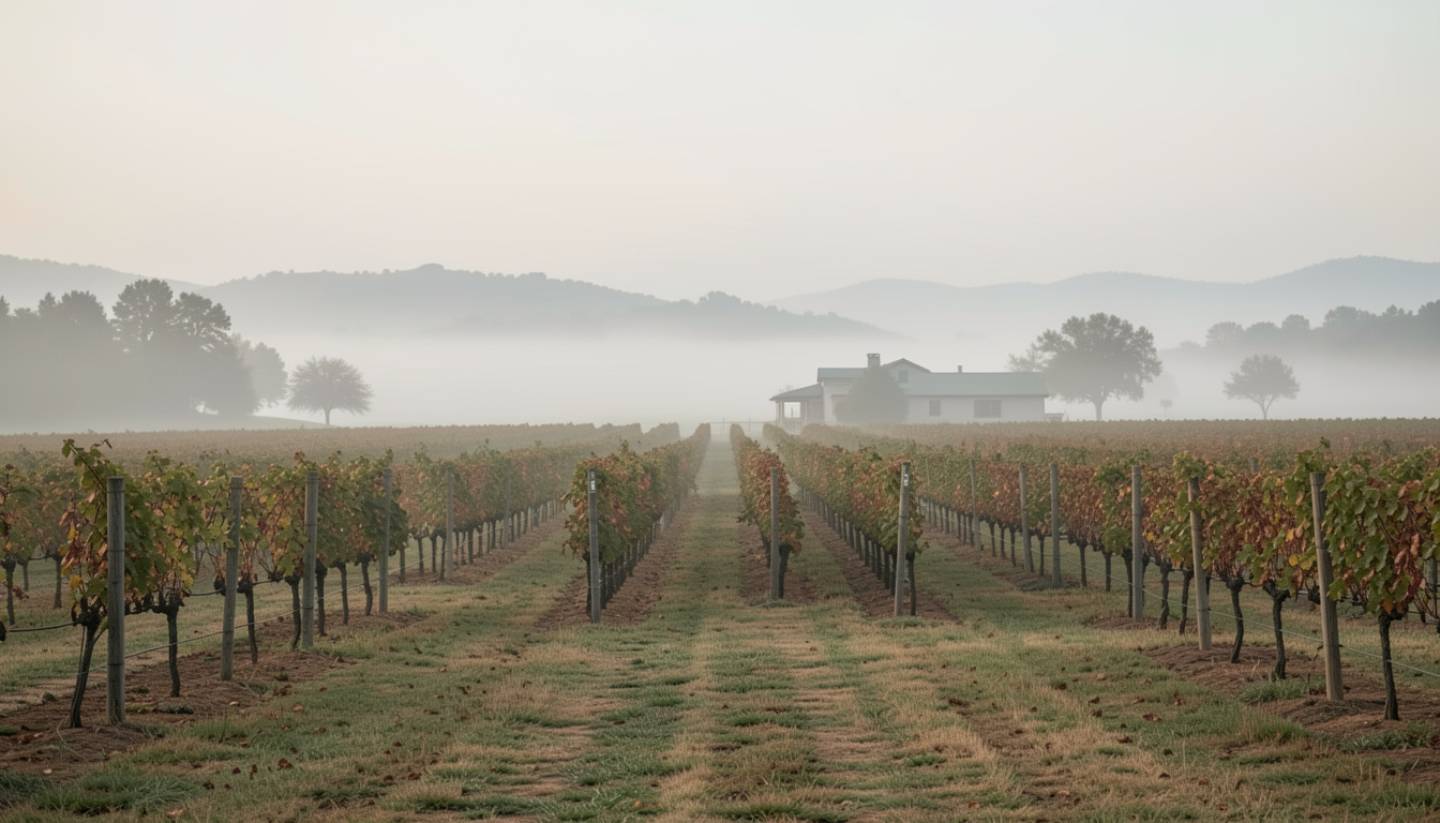
Five minutes away from Highway 29 can feel like a different Napa. A benchland turn. A residential lane that opens onto vines. A gentle rise where the valley suddenly stretches out.
The best picnic moments are rarely marked. You recognize them by feel.
My Local Notes
Some of my favorite Napa days start with no reservation and end with crumbs on the floor mat. I remember one afternoon pulling over simply because the air felt right. We ate quietly, watched shadows move across the rows, and realized we had nowhere else we needed to be.
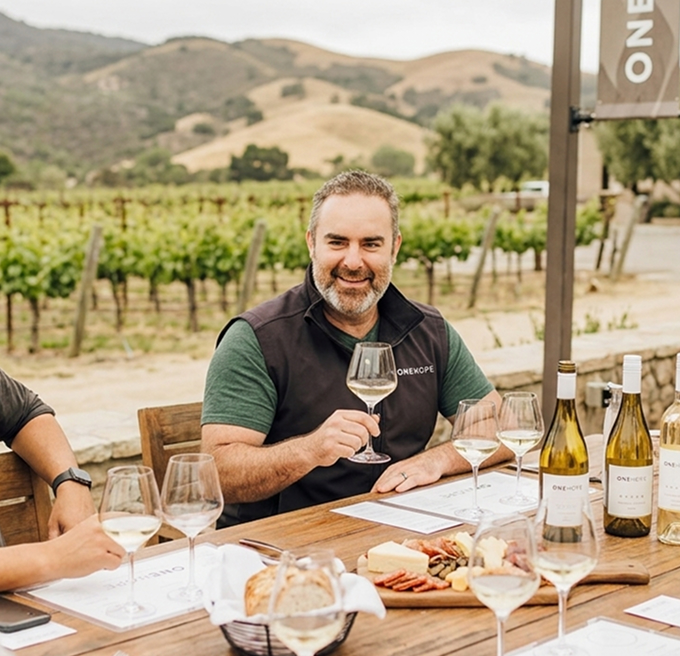
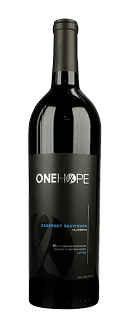
That philosophy shaped how we thought about arrival and lingering when building Estate 8 and ONEHOPE. It is my baby. I wanted the approach to feel optional and the pause to feel natural. Picnic days remind me why that matters.
Scenic Routes That Lend Themselves to Picnics
These areas reward slow driving and spontaneous stops.
- Silverado Trail
Especially mid-valley stretches where vineyards feel uninterrupted. - Oakville backroads
Short lanes that reveal benchland views without traffic pressure. - Rutherford
Flat, open landscapes that invite pulling over and staying a while. - St. Helena outskirts
Gentle transitions from town to vineyard with easy access to food.
Stick to roads where stopping feels safe and natural. Avoid peak hours on Highway 29.
What to Pack for a Napa Picnic Drive
Keep it simple and sturdy.
- Blanket or large cloth
- Napkins and a small knife
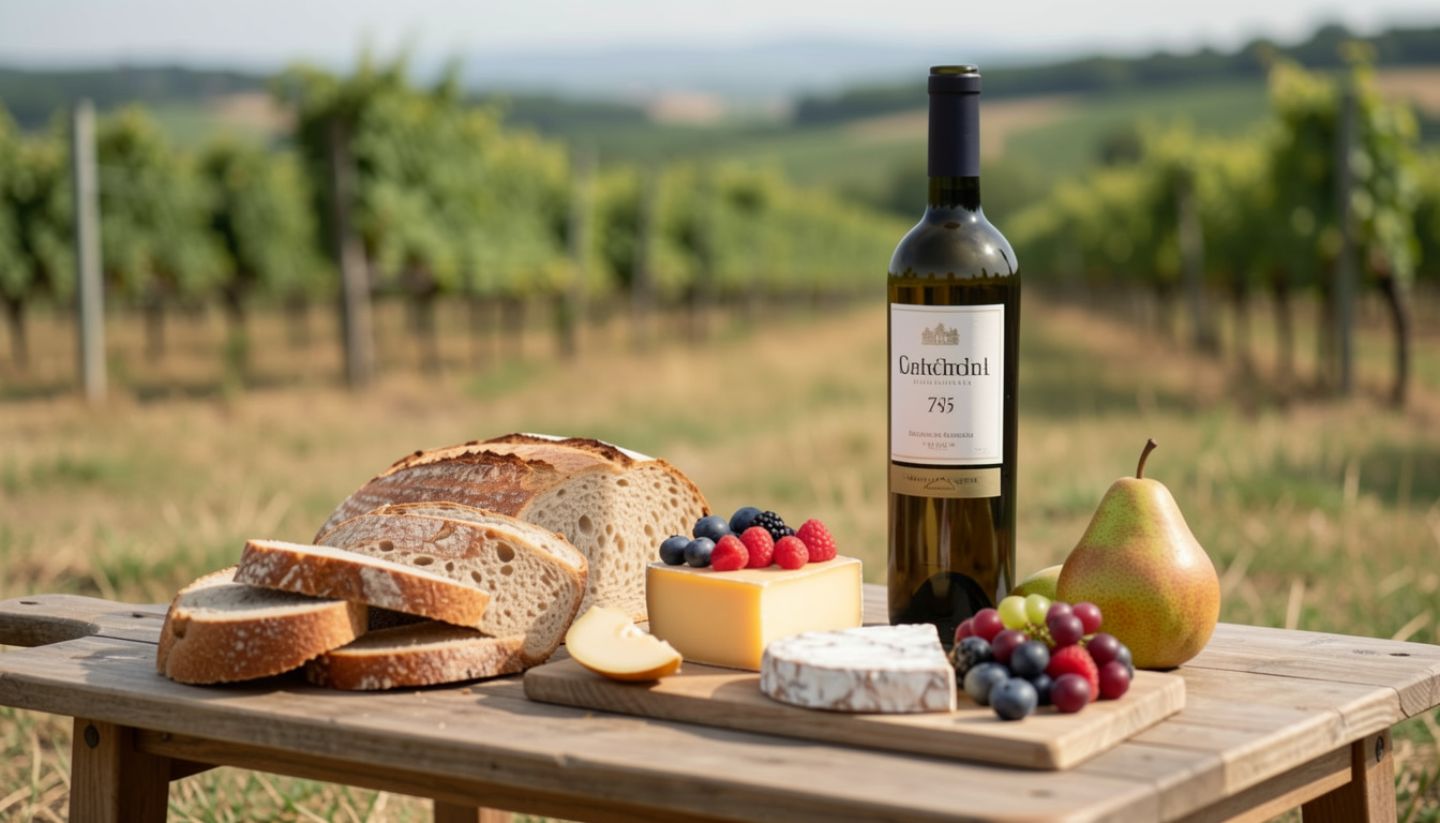
- Bread, cheese, fruit, olives
- Sparkling water or iced tea
- One bottle meant to be enjoyed slowly
Choose foods that do not require assembly. Picnic drives work best when effort stays low.
How to Plan the Day
A good picnic drive has just enough structure.
- One bakery or deli stop in the morning
- One scenic loop with no fixed timing
- One optional winery visit late in the day
If you only do the first two, the day already worked.
Where to Sit
Look for:
- designated picnic tables near vineyards or trailheads
- quiet roadside pullouts with wide shoulders
- parks and river-adjacent spots up valley
Always respect private property and posted signs. Napa is welcoming when visitors are mindful.
Small Histories
Before Napa became appointment driven, picnics were common. Families ate between rows. Workers rested in the shade. Meals happened where the day happened.
Scenic picnic drives reconnect you to that older rhythm. Food, land, time. Nothing else required.