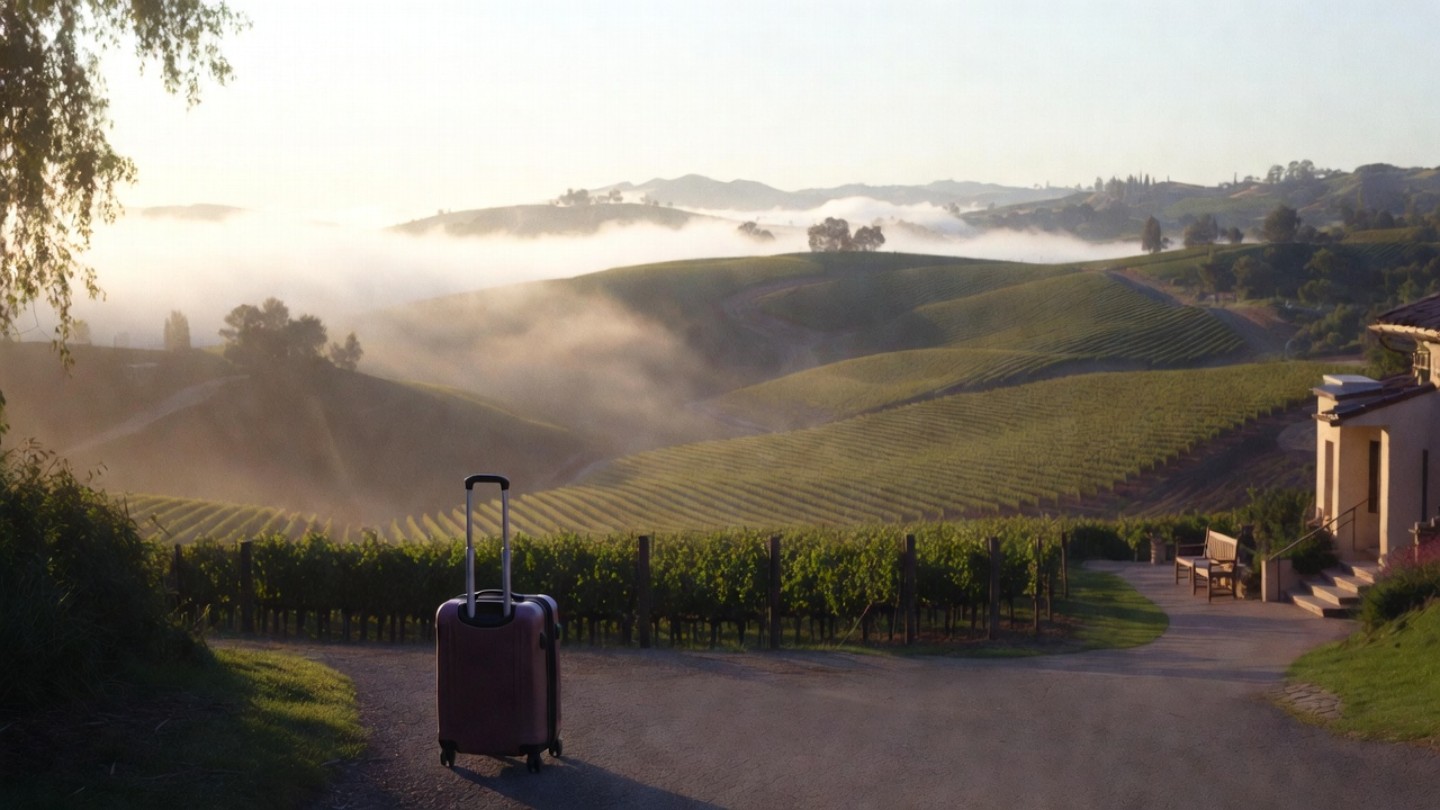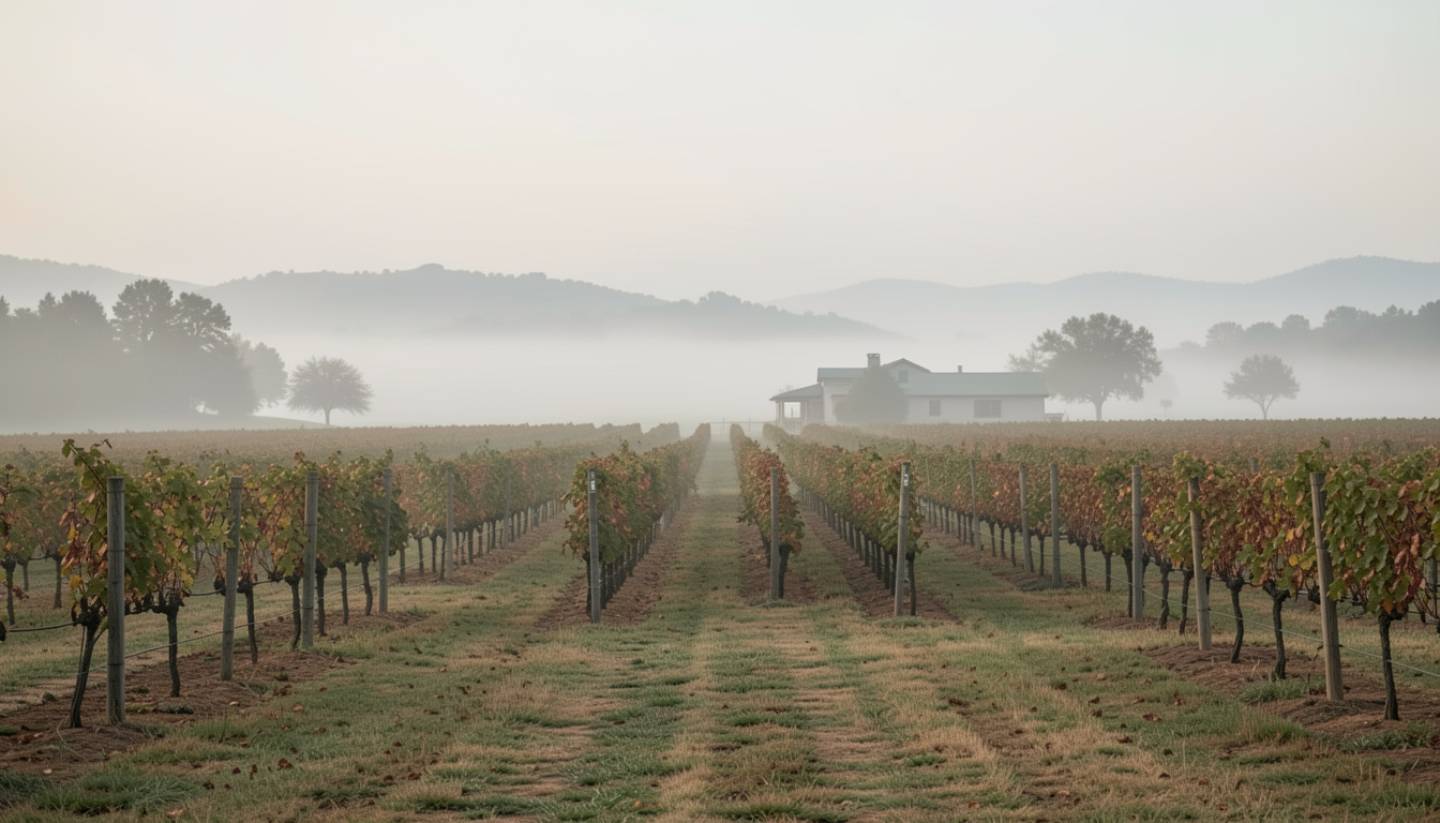
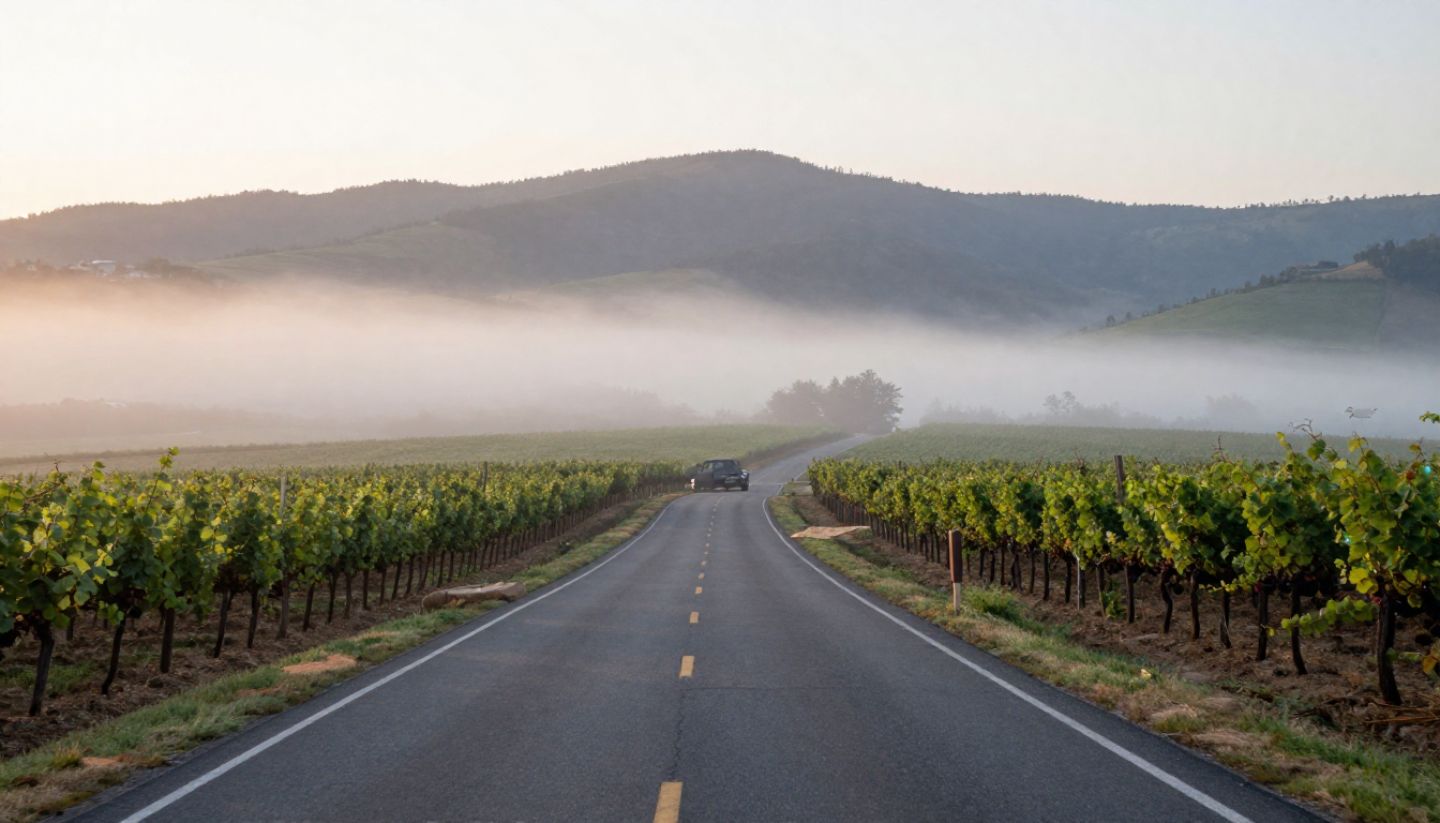
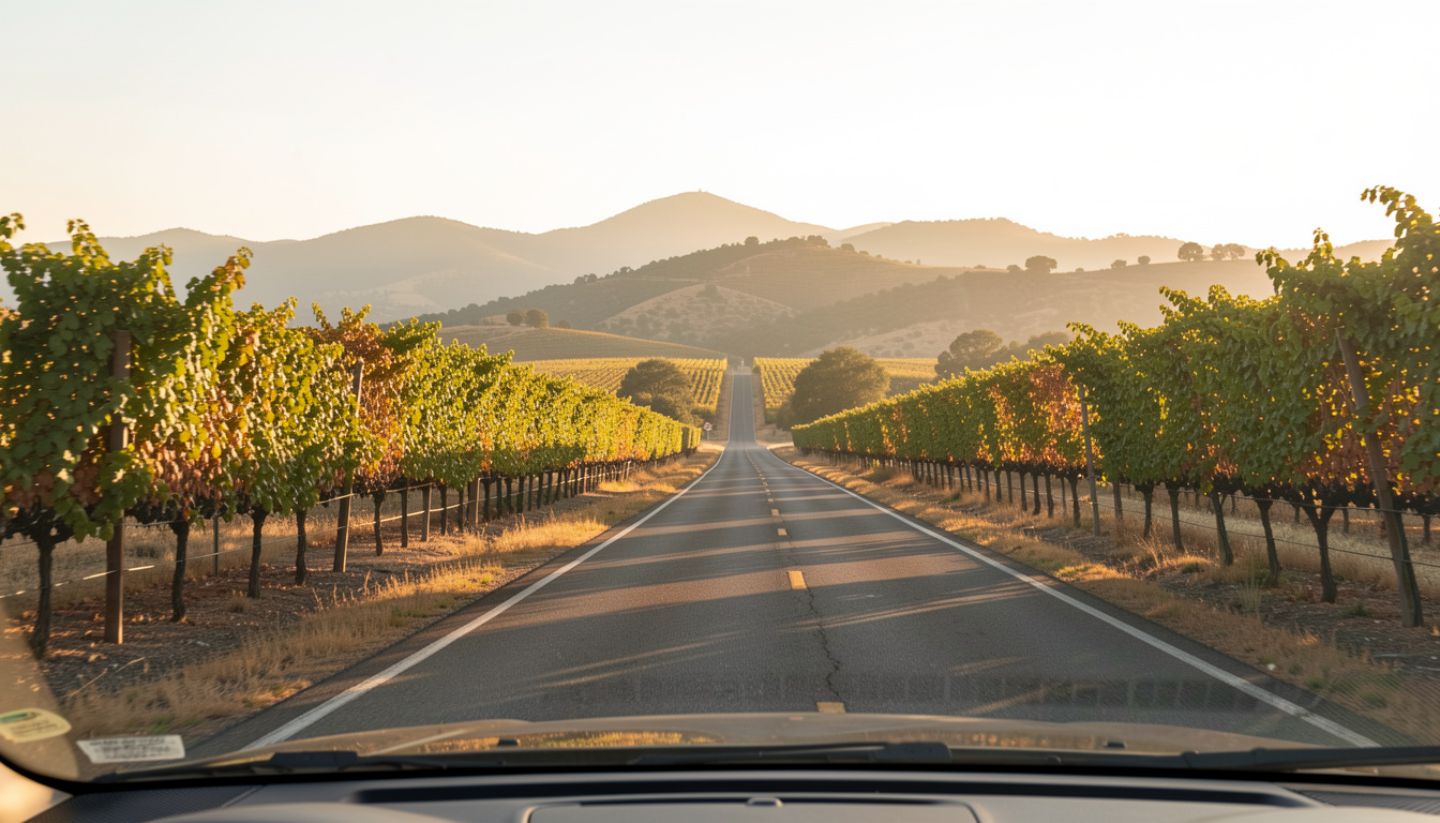
In Napa Valley, the road is part of the story. The windshield is not a barrier here; it is a frame. Fog lifts unevenly over the Rutherford benchlands, the valley opens one mile at a time, and each turn asks a small question. Do you keep going or pull over. For travelers who love road trips, Napa is not a destination you rush toward. It is a sequence of choices that slowly orient you to the land.
What This Experience Is Really About
Road tripping Napa is about rhythm. You feel the shift from the open skies of Carneros to the tighter, historic corridors of Rutherford and Oakville. You notice how the land narrows as you head north toward Calistoga and the base of Mount St. Helena.
Driving here reconnects wine country to its agricultural roots. Vineyards are not attractions on the roadside. They are working fields you pass through. Napa moves at human speed, even when you are moving.
When It Is Best
Early mornings
Are sacred. Empty roads, fog, and soft light define the drive as the valley wakes up.
Midweek
Brings the slower, truer Napa with calmer traffic and easier pullouts.
Late afternoons
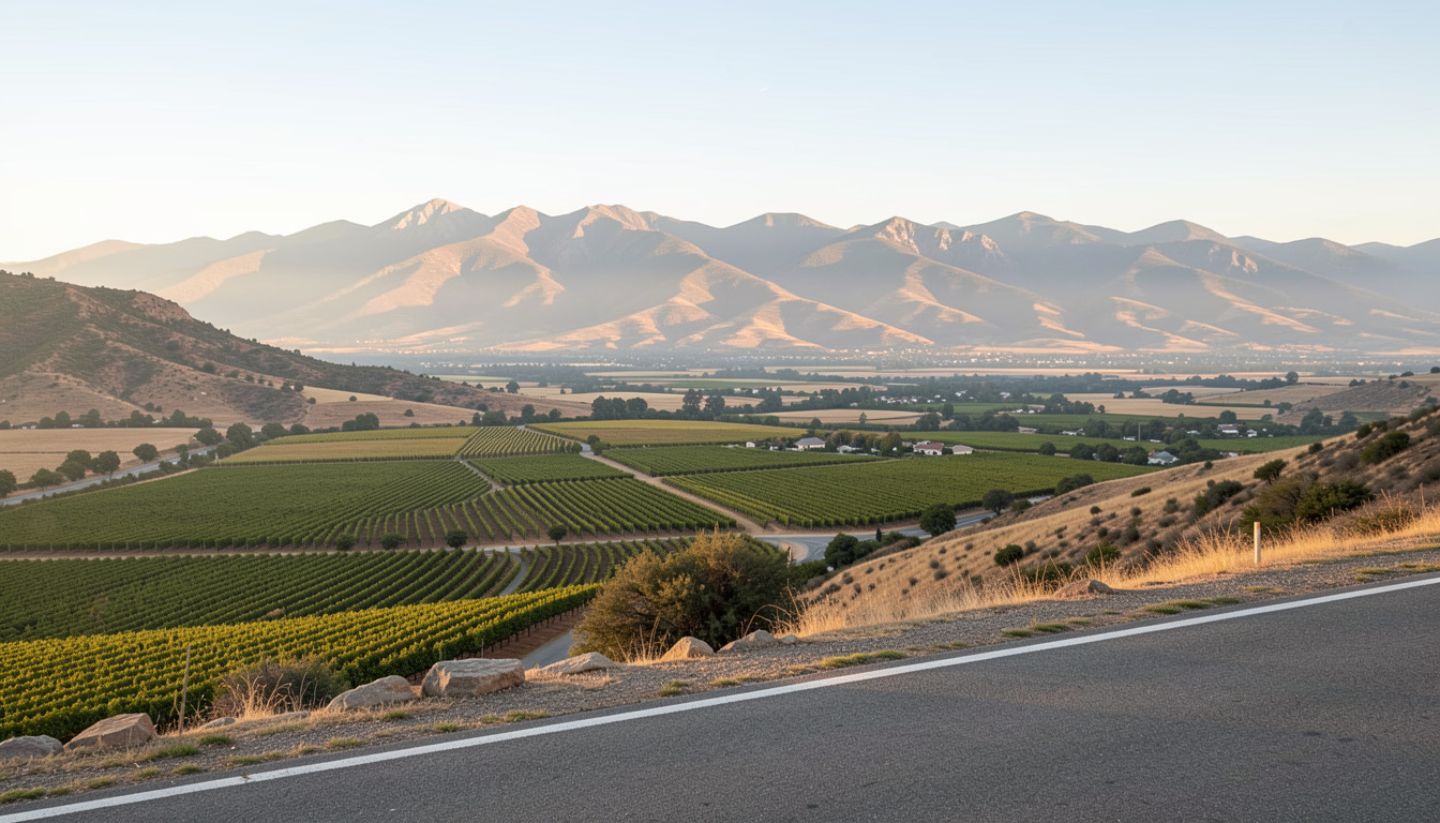
Offer the best contrast as the Mayacamas and Vaca ranges catch opposing light.
Winter and shoulder seasons
Are underrated, with quieter roads and dramatic skies.
What Most Visitors Miss
Many visitors treat the drive as something to finish quickly. They stay on the main highway and rush from stop to stop. What they miss are the in between moments. A barn half hidden by vines. A grower checking irrigation lines. An east west connector that suddenly opens the entire valley floor. Napa rewards curiosity more than efficiency.
My Local Notes
Some of my favorite Napa days have no fixed plan. I start driving north with coffee in hand and let the light guide me. I pull over when something feels right and keep going when it does not. I have learned more about this valley from those unscheduled miles than from any itinerary. The road has a way of telling you where you are if you give it time.


The Best Road Trip Routes in Napa Valley
The Silverado Trail
Is the backbone of a good Napa road trip. Fewer stoplights, longer sightlines, and a quieter agricultural feel. This is where Napa feels most like itself.
Highway 29
Used selectively, works best early or late in the day. Pass through town centers, then exit back to the Trail when traffic builds.
Carneros backroads
South of Yountville open into rolling hills and bay breezes. Napa feels coastal and wide here, especially late in the day.
Sage Canyon Road
Offers elevation and quiet east of the valley floor, winding toward Lake Hennessey and long views.
How to Plan a Napa Road Trip Day
Start without an early reservation.
Choose one anchor destination at most.
Drive north in the morning and south in the afternoon to follow the light.
Build in safe pull over time.
Stop driving before you feel rushed.
Where to Pause Along the Way
Town edges where architecture meets vines.
Vineyard pullouts near Oakville and Rutherford where the valley floor opens wide.
Late day overlooks near Calistoga where the land tightens and the mountains rise.
A Gentle Personal Note
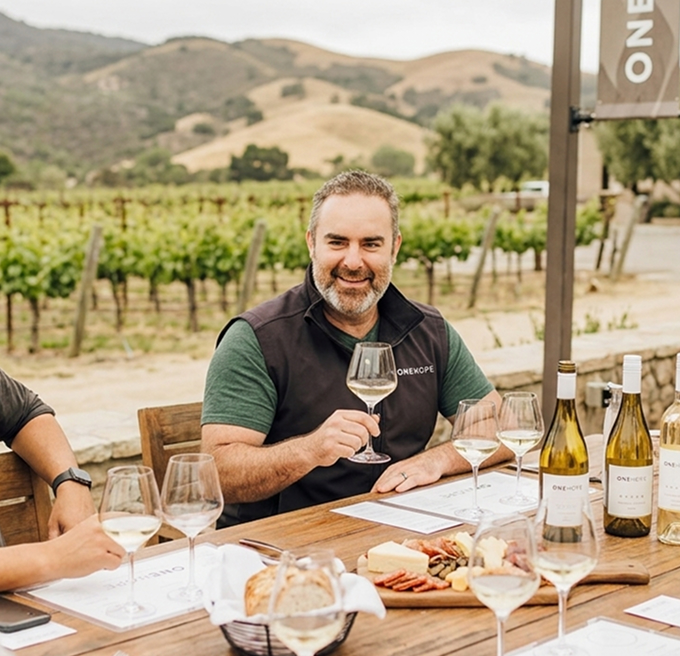
I will admit a little bias here. Estate 8 and ONEHOPE sit in a part of the valley where road travel feels intuitive. Wide views, calm approaches, and space to arrive without pressure were intentional. It is my passion project, shaped by the belief that hospitality should reward the journey, not interrupt it. Some of the most meaningful arrivals I have seen happened after long, quiet drives.
Small Histories
Before Napa was a destination, these roads served farmers and families. They connected barns and vineyards long before they connected tasting rooms. Road tripping here is not a trend. It is a return to how the valley has always moved.