Most people picture Napa Valley under bright August sun. Blue skies. Full patios. Harvest buzz.
But if you ask me when the valley feels most honest, I will tell you this: in the rain.
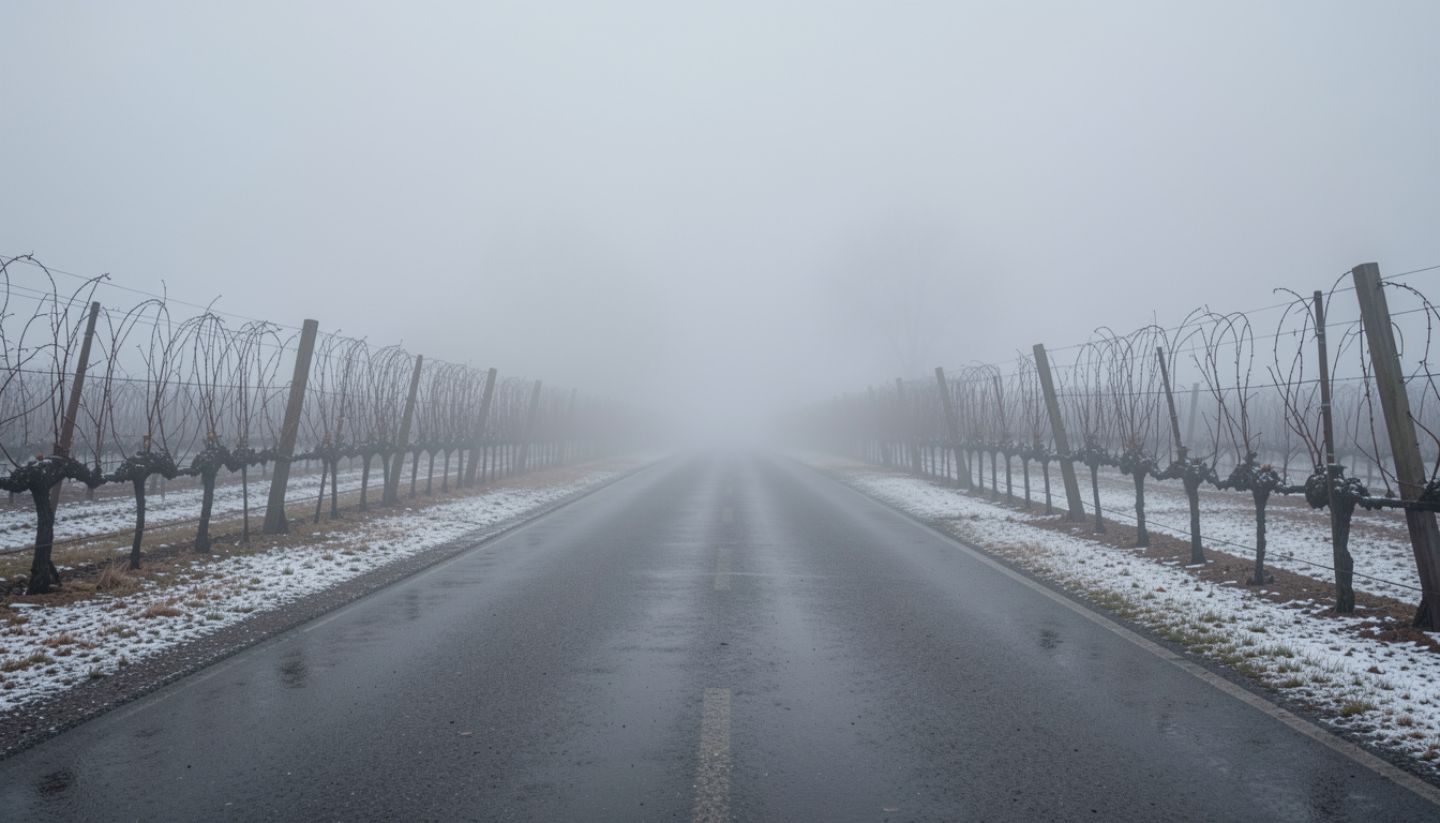
Drive north on Silverado Trail in late January through Rutherford and the fog settles low across the benchlands. The vines stand bare and architectural. The Mayacamas disappear behind a gray veil. Water beads along dormant canes, and the scent of damp volcanic soil rises into the air.
If you love rainy days and foggy weather, Napa is not a compromise. It is a revelation. The valley slows. The light softens. Conversations stretch longer.
This is when Napa feels closest to its roots.
What This Experience Is Really About
Rain in Napa is not inconvenience. It is renewal.
It looks like:
- Fog lifting slowly off the Silverado Trail corridor
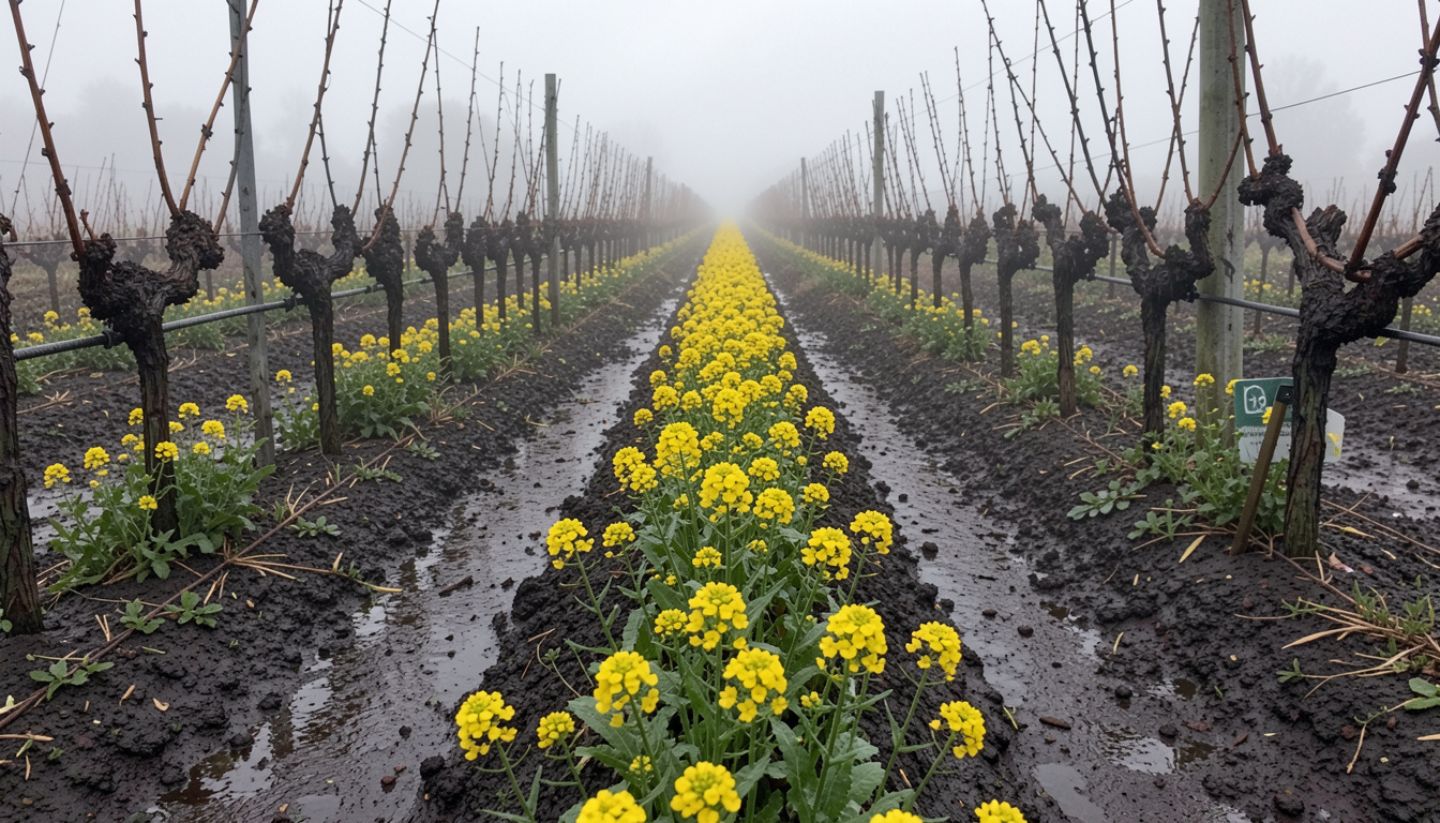
- Mustard glowing against dark soil in February
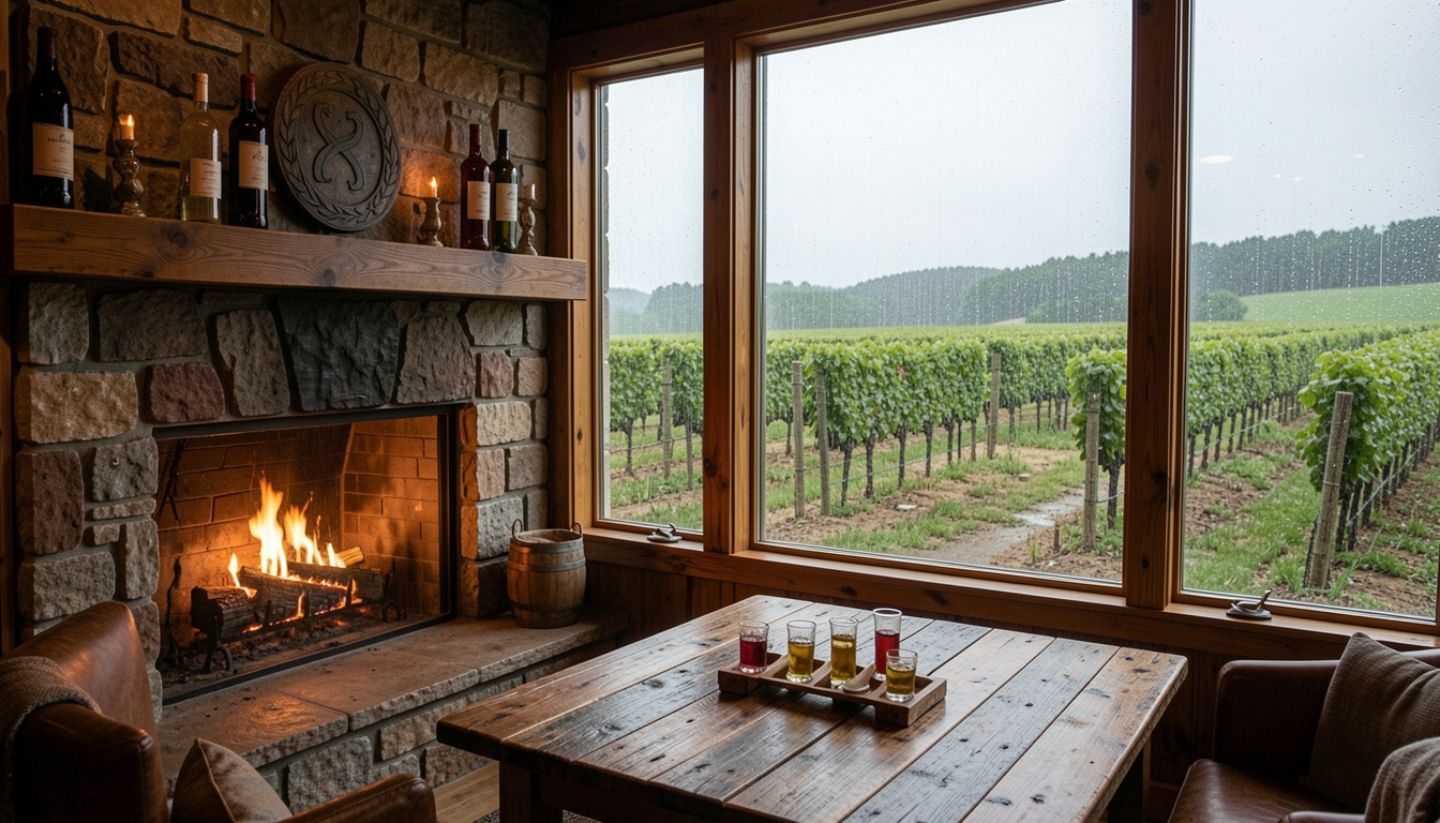
- Wood fires lit in tasting rooms in St. Helena
- Fewer cars between Oakville and Calistoga
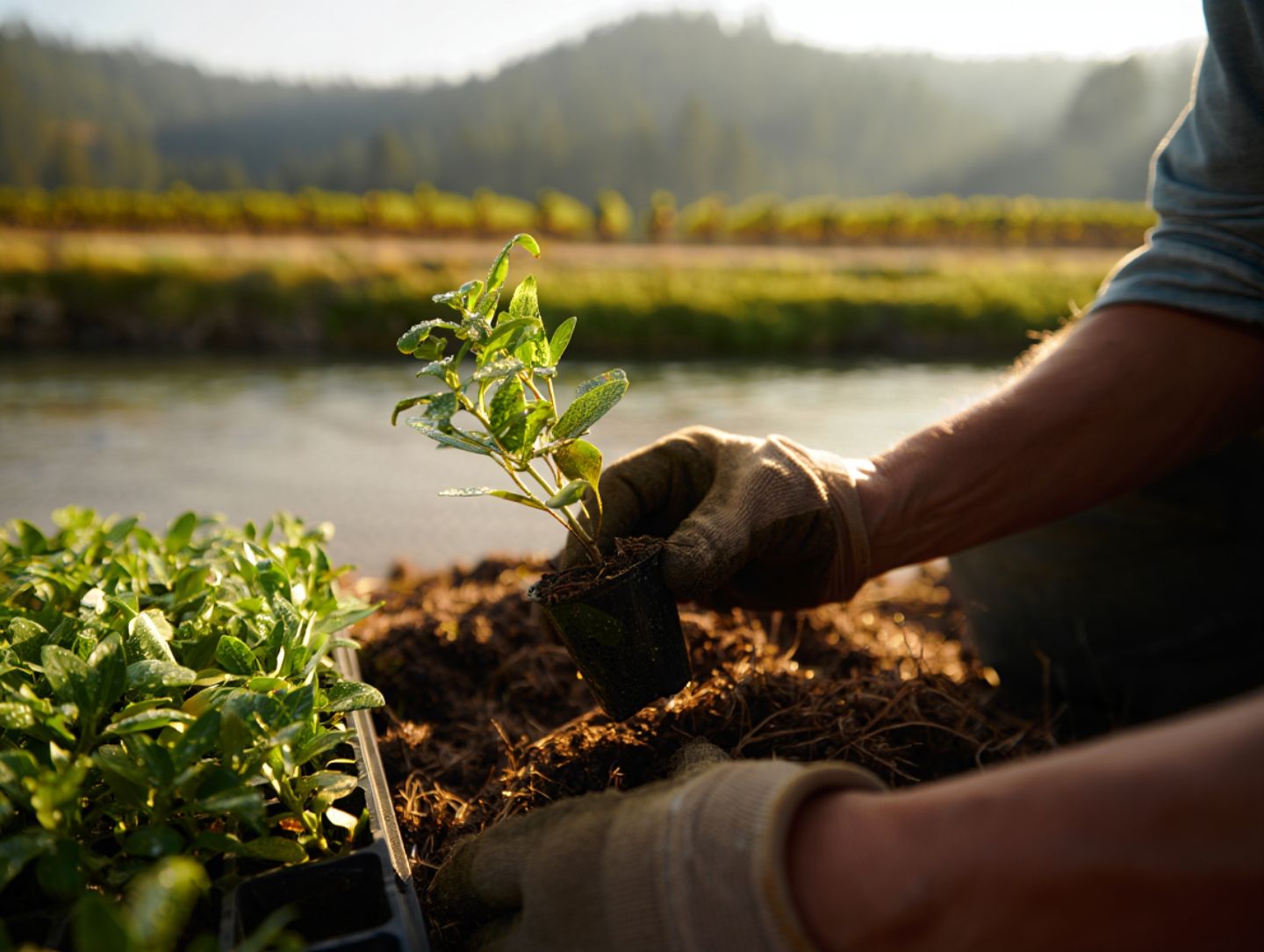
Winter rain replenishes groundwater and nourishes cover crops between rows. If you care about the long game of farming, this is the season that sets the vintage.
Fog softens edges. Rain deepens color. The valley turns inward.
The Beauty of Fog in Rutherford
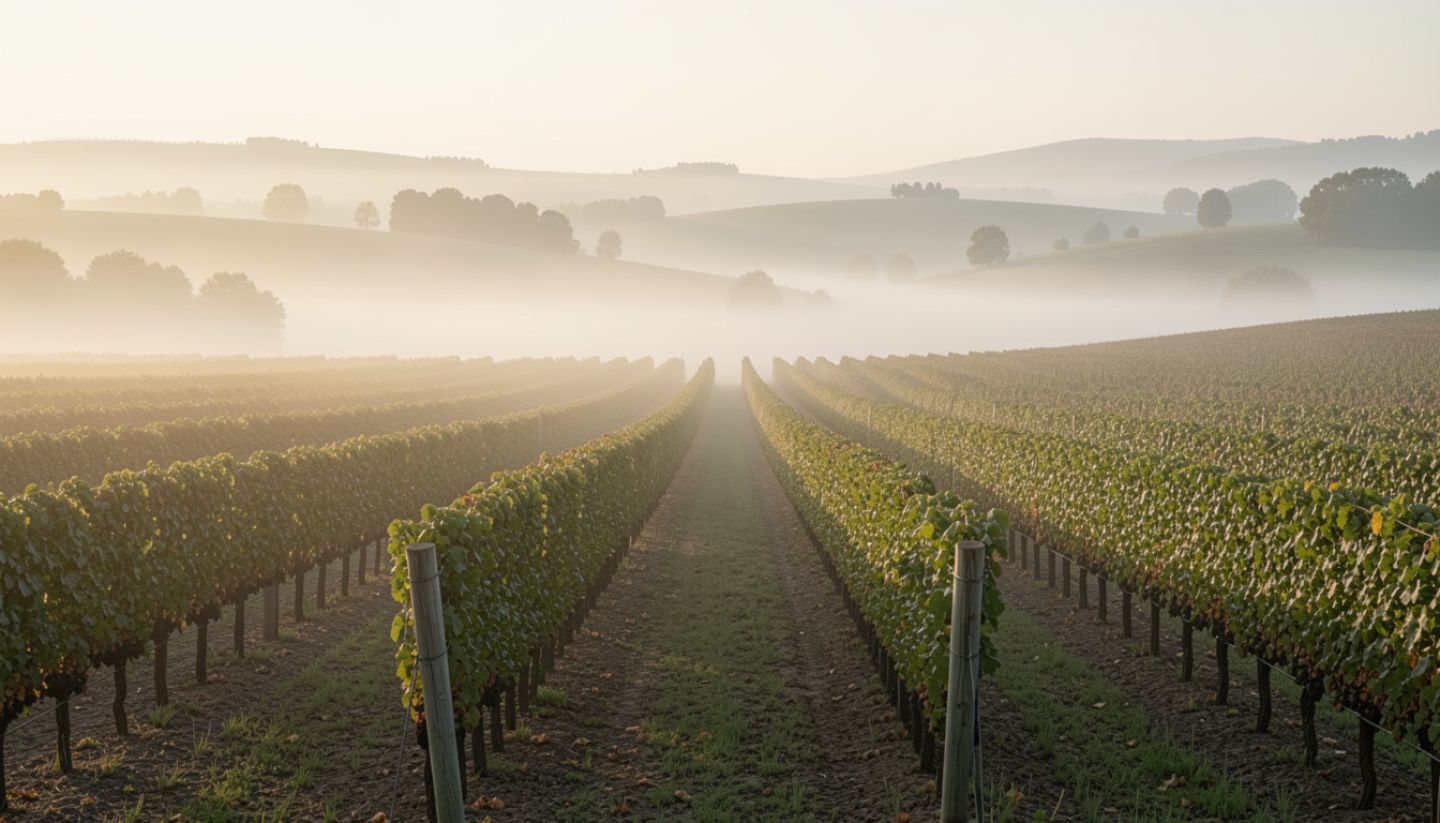
There is a specific kind of fog that settles into Rutherford. It sits low across the benchlands while the Vaca Range catches faint morning light.
On heavy mornings, you can barely see across vineyard rows. Then slowly, shapes return. The valley reassembles itself.
I have walked those rows in silence more times than I can count. Even sound changes in fog. Gravel feels louder underfoot. The air feels closer. Conversations drop to a lower tone.
Fog does not hide Napa. It reveals its structure.
A Rainy Day Napa Itinerary
Morning: Silverado Trail and Coffee
Start early on Silverado Trail before 9 a.m. Watch the fog lift in layers. Then head toward Yountville or St. Helena for coffee and a still warm pastry from Model Bakery.
Rain makes simple rituals feel deliberate.
10 a.m. Seated Tasting
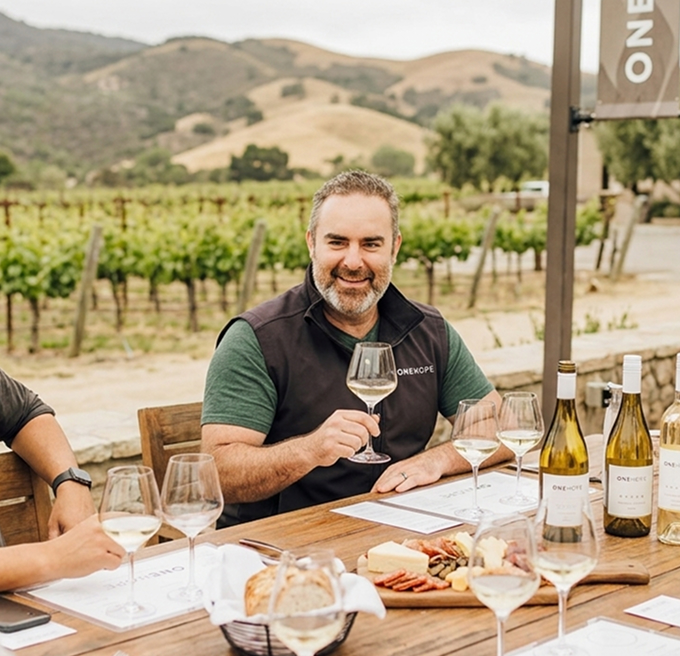
Rainy mornings are ideal for educational tastings. The pace is slower. Hosts have more time. Fireplaces are often lit.
Ask about:
- How winter rainfall affects vine dormancy
- Drainage patterns across Rutherford benchland soils
- Cover crop selection and erosion control
- Vintage variation in cooler growing seasons
This is when Napa shows you its agricultural backbone.
Long Lunch, No Rush
Restaurants like The Charter Oak and Farmstead at Long Meadow Ranch feel especially inviting on gray days. Wood, stone, and warm light create a kind of quiet luxury that mirrors the season.
Order something slow cooked. Let the table linger. Rain rewards patience.
My Local Notes
One January, rain fell steadily across Rutherford with no guests scheduled until late morning. Just water tapping on gravel and bare vines etched against a gray sky. I walked the property alone, thinking about water resilience and the coming vintage.
Rain has a way of pulling you out of short term thinking.
I will admit I am biased. Estate 8 is my baby. But standing there in that weather reminded me why we built here. Wine is seasonal. It is fragile. It depends on forces we cannot control.
Rain humbles you. Napa respects that humility.
Rain and Wellness
Foggy Napa pairs naturally with:
- Mineral soaks in Calistoga
- Fireplace lounges in Yountville
- Quiet bookstore afternoons in St. Helena
- River walks in downtown Napa after light rain
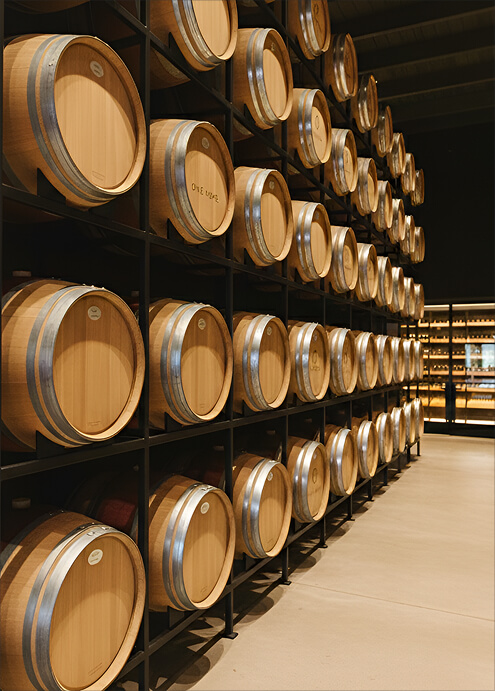
Winter and early spring are also ideal for cave tours. Underground cellars remain a steady 58 degrees year round and feel especially comforting during storms.
What Most Visitors Miss
Many travelers avoid Napa in winter. They assume the experience is diminished.
They miss:
- Mustard bloom beginning in February
- The sculptural beauty of dormant vines
- Easier reservations at top restaurants
- Deeper tasting conversations
- Fewer crowds and more presence
This is when Napa feels local.