There is a version of Napa Valley that never tries to impress you.
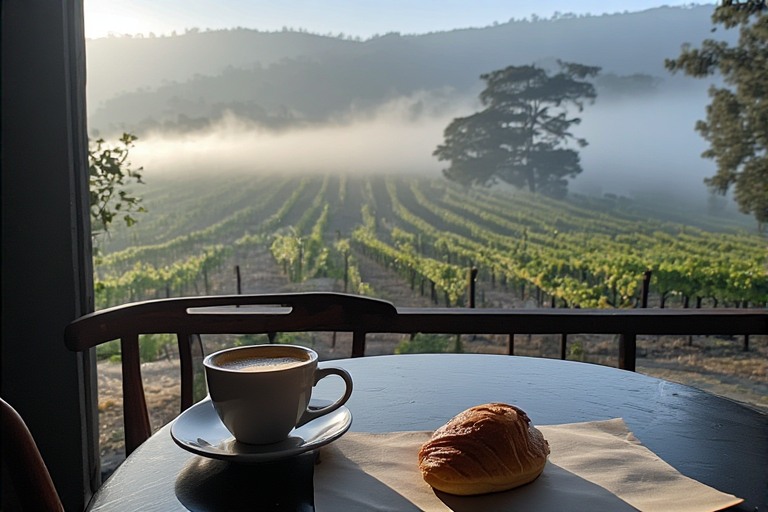
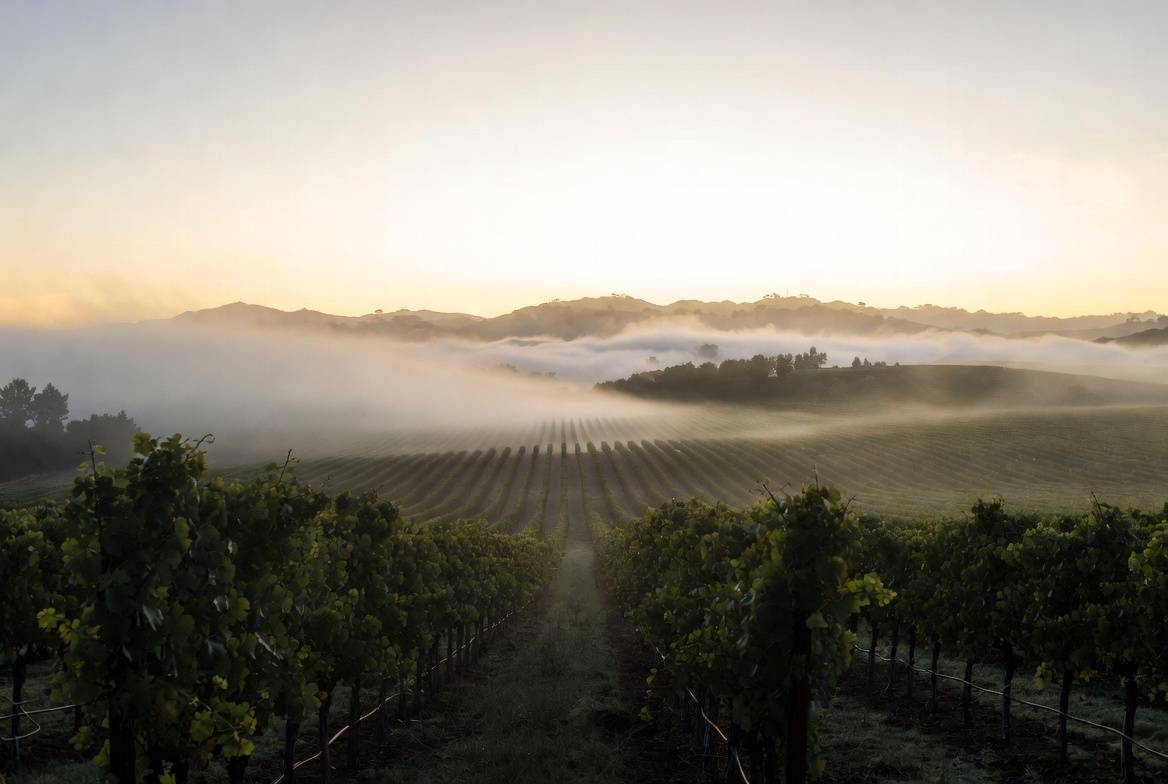
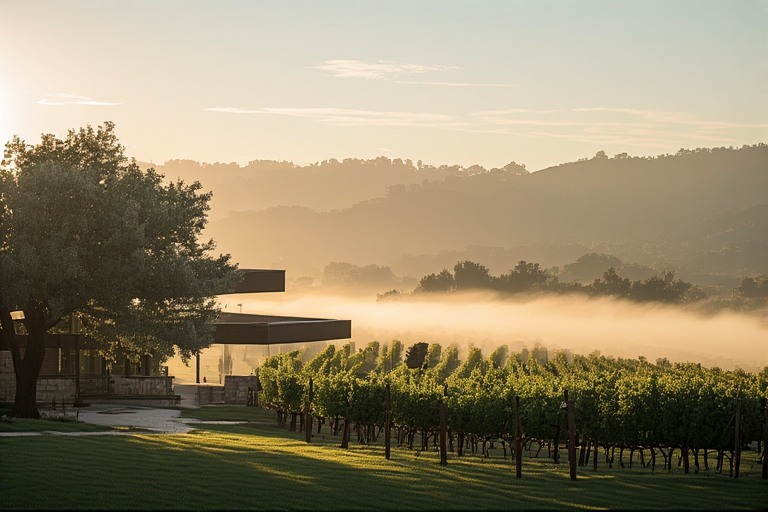
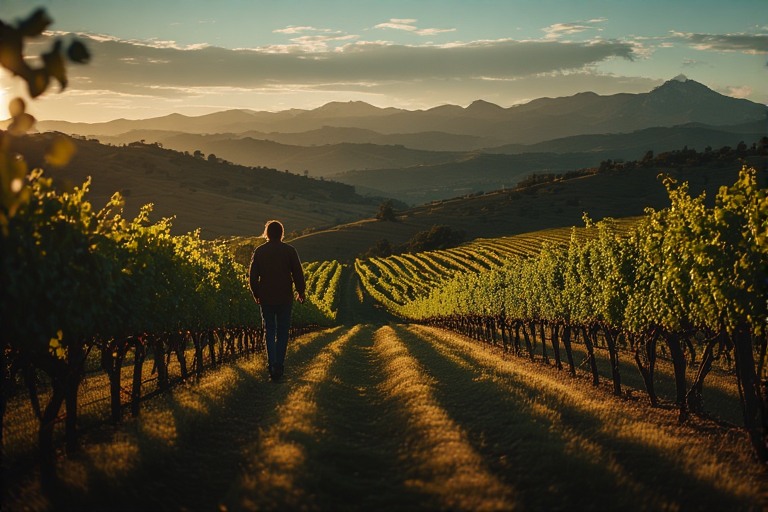
You find it early, driving north on Silverado Trail while fog rests low across the Rutherford benchlands and the valley has not yet decided to wake up. No crowds. No staged moments. Just vineyard rows holding morning light and buildings that seem to rise from the land instead of sitting on top of it.
If you love quiet luxury, Napa begins to make immediate sense. The most meaningful experiences here are rarely the loudest ones. They feel inevitable, as if they could only exist in this place.
Before Napa became synonymous with prestige, it was defined by patience. Farming seasons. Long conversations at tables that stretched into afternoon light. Meals shaped by what the land offered that day. That rhythm still defines the valley’s truest expression of luxury.
What Quiet Luxury Means in Napa Valley
Quiet luxury here is not a design trend. It is agriculture expressed through hospitality.
You notice it in small decisions:
- Architecture that frames vineyard lines and the Mayacamas rather than competing with them
- Service that anticipates needs without drawing attention to itself
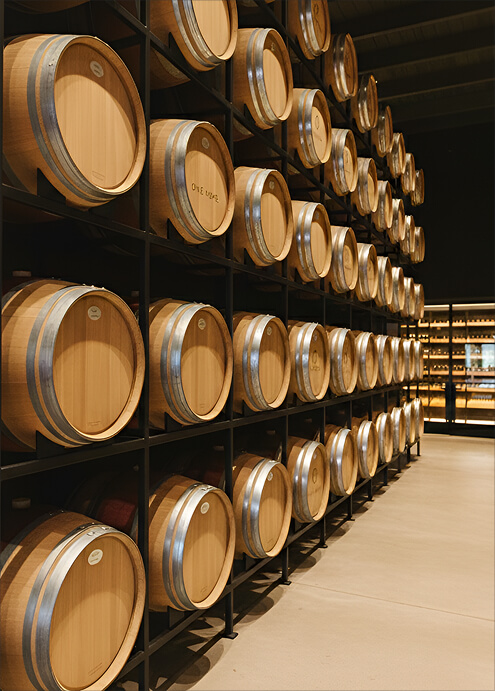
- Materials like native stone, reclaimed oak, and weathered steel that improve with age
- Pacing measured by conversation and light instead of schedules
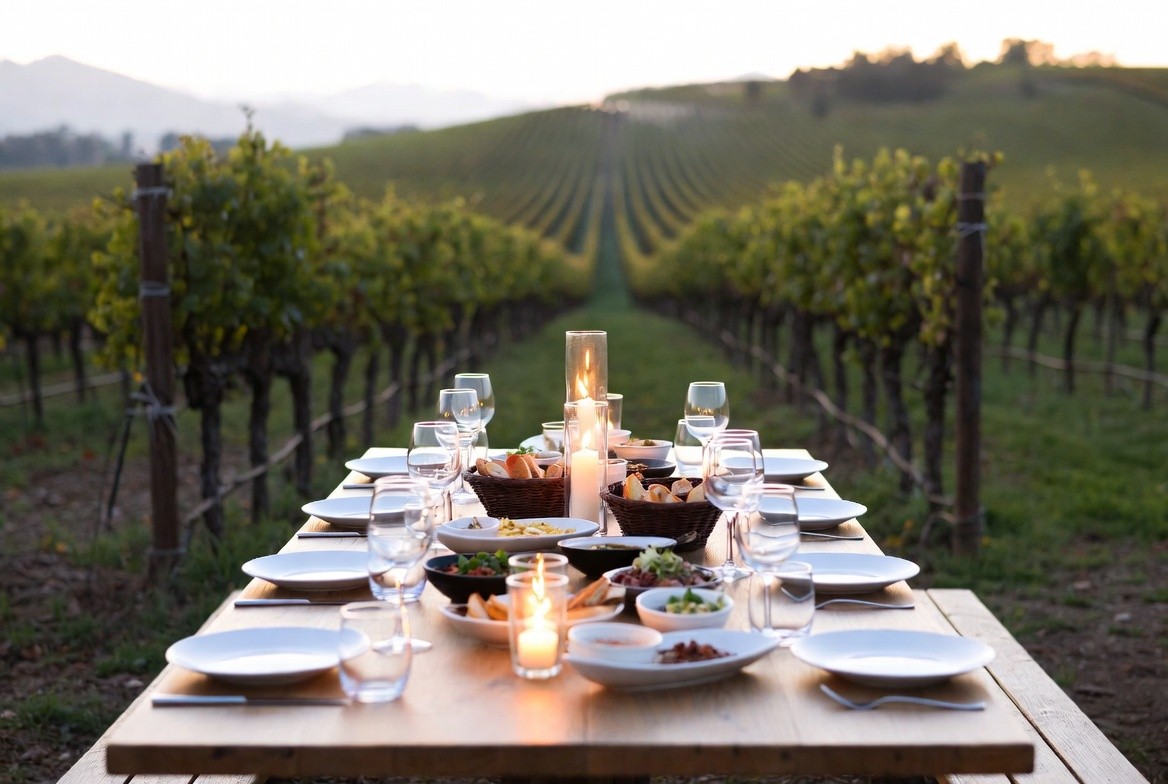
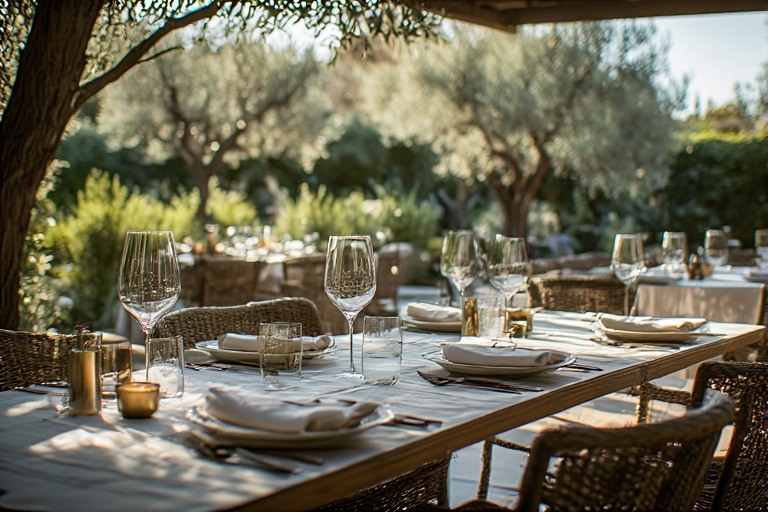
Luxury in Napa often looks simple from the outside. A shaded table. A single glass poured at the right moment. A view uninterrupted by noise.
The sophistication is subtle. That restraint is intentional.
Where Quiet Luxury Lives
Rutherford and Oakville
The center of the valley carries a grounded confidence. Estates sit behind olive trees and gravel drives rather than grand entrances.
Focus on the western benchlands where drainage, sunlight, and open space create both structured Cabernet and a calmer atmosphere.
Locals talk about Rutherford Dust as a texture in wine, but it also describes the feeling of the place. Soft. Quiet. Enduring.
Yountville
Five minutes south of Oakville, Yountville represents composed elegance. Garden-lined streets and walkable distances encourage slower movement.
Dining rooms here understand timing. Tables linger. Conversations stretch. Nobody rushes you toward the next reservation.
In Napa, that is real luxury.
St. Helena
St. Helena feels lived-in rather than curated. Historic storefronts sit beside tasting salons and long-standing family businesses. Evenings transition naturally into thoughtful dinners where sommeliers prioritize storytelling over prestige.
It is a town comfortable in its identity.
Designing a Quiet Luxury Day in Napa Valley
Early Morning
Walk a vineyard edge near Silverado Trail at sunrise. Notice how cool air settles on the valley floor before lifting toward Carneros.
10:00 a.m. Estate Experience
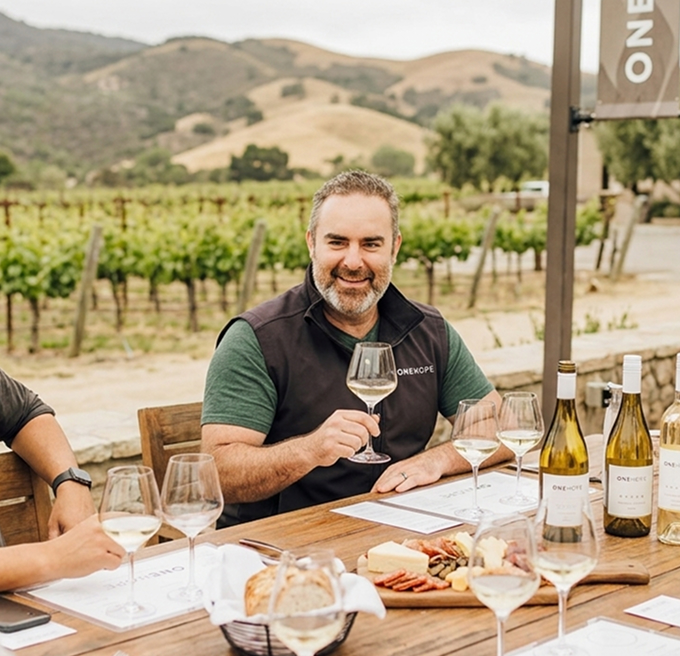
Book a seated tasting that includes outdoor space or vineyard access. Ask about farming decisions such as canopy management, dry farming, or cover crops rather than scores or allocations.
Lunch
Choose a long outdoor table at The Charter Oak or Farmstead at Long Meadow Ranch. Order slowly. Let the meal set the pace.
Afternoon
Leave the schedule open. Drive north toward Calistoga’s volcanic palisades or return to your hotel with a book and a view.
Quiet luxury depends on margin.
My Local Notes
When we were building ONEHOPE and shaping Estate 8, we talked more about restraint than scale. Napa already provides the beauty. Our job was not to add noise to it.
One evening after harvest, I stayed on the property long after the team left. The valley quieted quickly. Wind moved through the vines and the last light settled across Rutherford in that soft golden way locals call Cabernet light.
There were no guests, no music, no agenda. Just rows, soil, and silence.
I will admit I am biased. Estate 8 is my baby. But that moment clarified something for me. Luxury here is not about being seen. It is about feeling present enough to notice where you are.
That is the version of Napa most visitors almost miss.
Seasonal Expressions of Quiet Luxury
Winter (December to February)
Foggy mornings, fireplaces, and deeply personal tastings. Locals call this the secret season.
Spring (March to May)
Mustard blooms and bud break bring energy without crowds.
Summer (June to August)
Early starts and shaded patios define comfort. Afternoons slow naturally.
Fall (September to November)
Harvest activity balanced by golden evening calm across the valley floor.