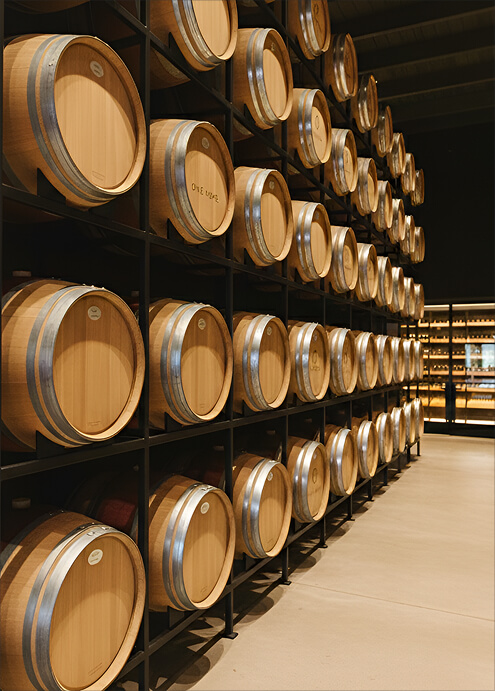
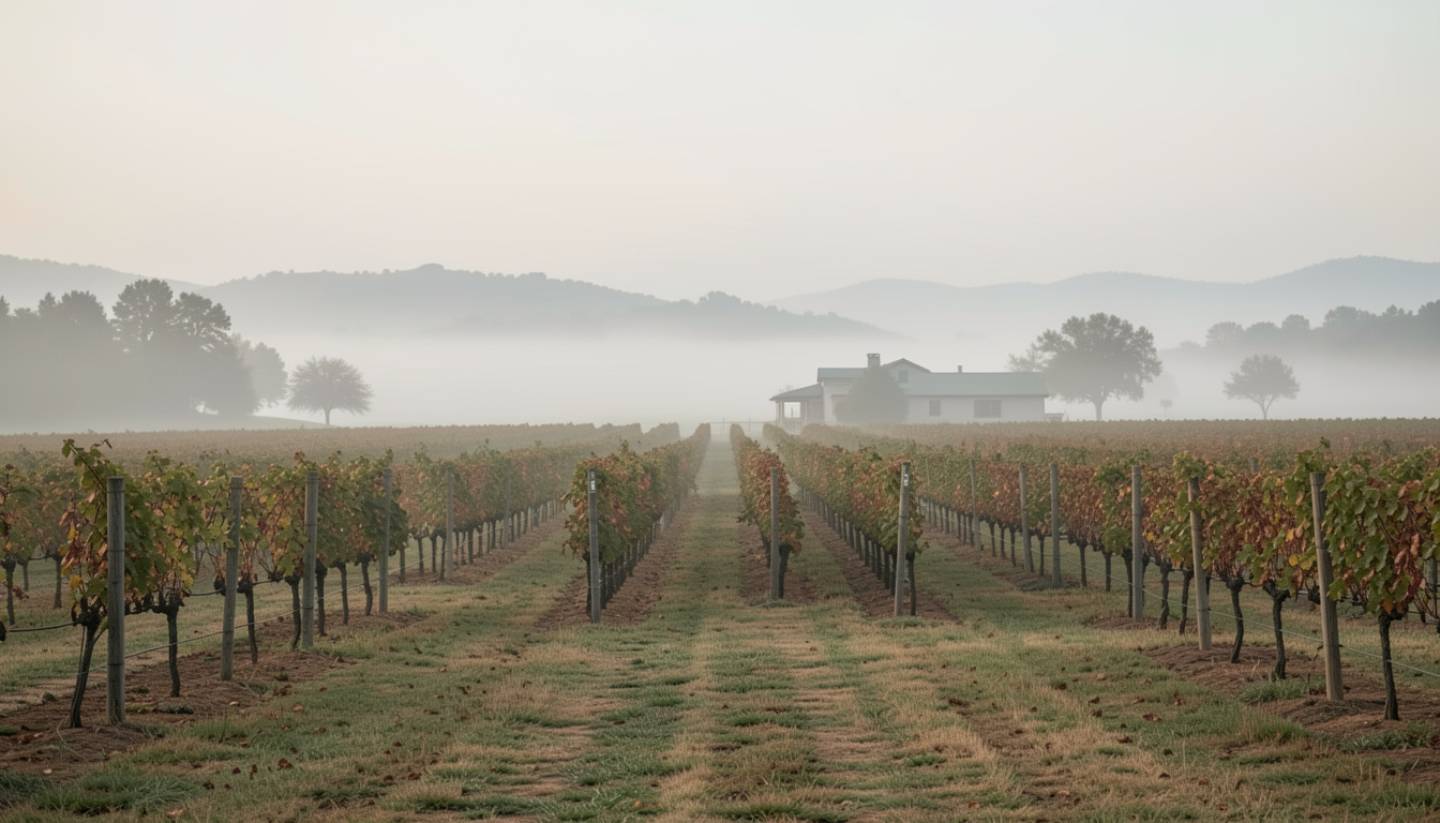
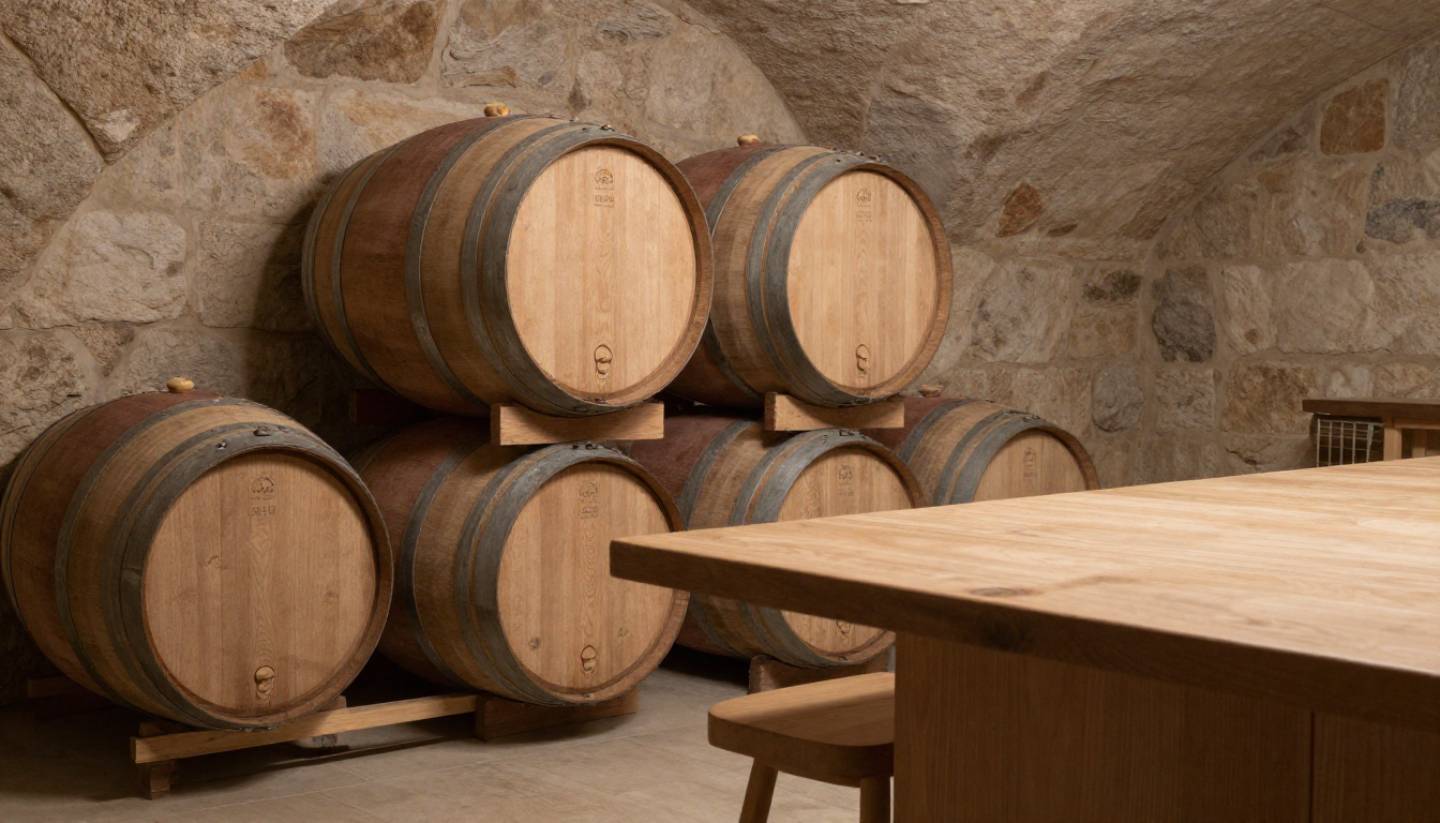
There is a version of Napa Valley that feels immediately familiar if your palate was shaped by Old World wine traditions. It lives in vineyards that are farmed for balance instead of speed, in cellars that smell like stone, wood, and time, and in conversations that begin with soil long before they arrive at the glass.
This Napa is not chasing novelty. It is paying attention to continuity, restraint, and the long arc of craft. If Burgundy, Piedmont, Rioja, or the Rhône taught you to listen before judging, Napa can still feel like home. You just have to move through it the right way.
What This Experience Is Really About
Old World–minded travel in Napa is less about checking names off a list and more about paying attention to process. It rewards curiosity about how vineyards are worked, how wines are handled in difficult vintages, and how restraint shows up over time.
You begin to notice which estates dry-farm, which rely on organic or biodynamic practices, and which favor native yeast fermentations and neutral oak. These are wines made for the table, not the spotlight. Acidity matters. Alcohol is kept in check. The question is not how loud the wine is today, but how it will feel ten or twenty years from now.
When It’s Best
Midweek is essential. Tuesday through Thursday reveals the slower, truer Napa, when conversations are unhurried and tasting rooms feel more like living rooms than stages.
Cabernet Season, from November through April, aligns naturally with Old World sensibilities. The vines are resting, the valley is quieter, and attention shifts back to farming and cellar work. Early appointments matter too. The first tasting of the day, usually around 10:00 a.m., is when the valley feels most agricultural and least performative.
A Thoughtful Napa Day, Old World Style
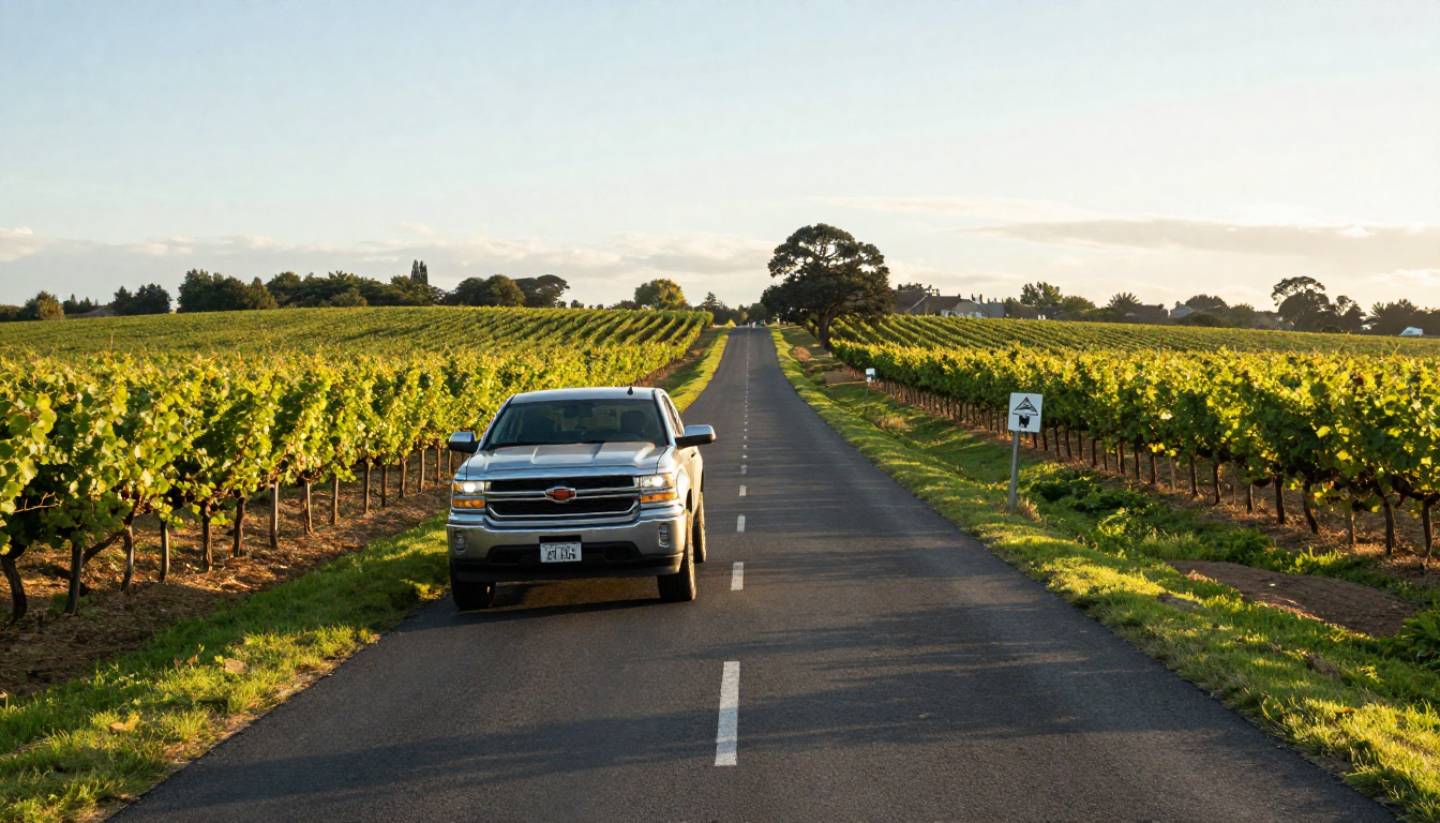
Morning begins outside. Coffee before conversation. A short drive along the Silverado Trail as fog lifts off the Rutherford benchlands resets your expectations. This road has always felt more honest to me than Highway 29. It runs closer to the work of the valley.
Late morning is reserved for a single, appointment-only visit. Choose an estate where the farming team or winemaker is directly involved. Ask about water, soils, and the years that were hardest. Those answers tell you more than any tasting note ever will.
I still remember a morning years ago when a winemaker poured quietly and spent most of the visit talking about a frost event from the early 90s. We barely discussed the wines. I left understanding the place far better than if I had tasted twice as much. That is the Old World lesson Napa offers when you let it.
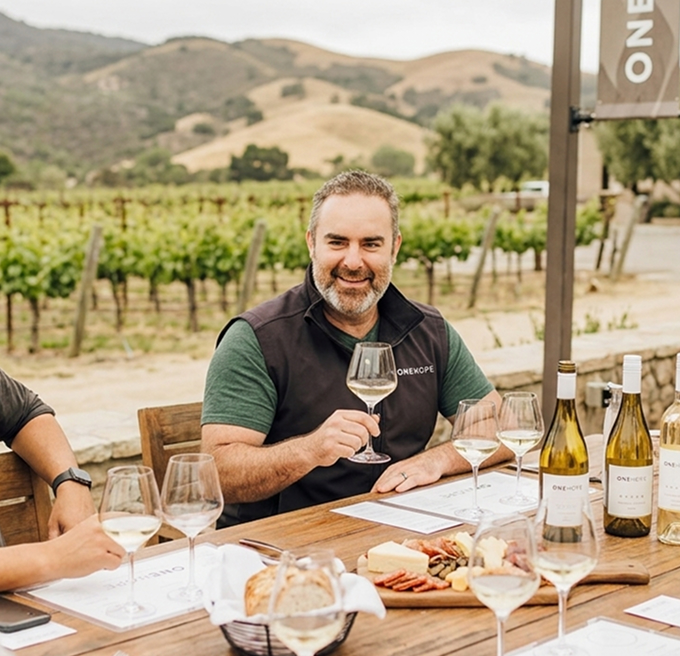
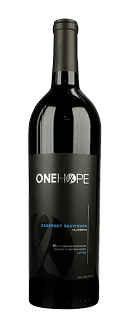
There are places, including Estate 8 through ONEHOPE, where this rhythm shows up naturally. It is not about moving through a lineup. It is about time, shared tables, and stewardship. I am biased here. Estate 8 is very much my baby, built around values I grew up with in Napa, but it reflects this Old World mindset honestly, without needing to announce it.
Lunch anchors the day.
Restaurants like Charter Oak or Farmstead in St. Helena understand that wine exists to support food, not the other way around. Order simply. Let the meal stretch.
The afternoon stays open by design.
A slow drive past the Yountville Cross Road toward the base of Mount St. Helena gives space for the morning to settle. Old World travel always leaves room for digestion, both literal and mental.
Where to Focus as a Traditionalist
Rutherford and Oakville reward those who value structure and balance, especially for Cabernet Sauvignon. Parts of St. Helena carry a deeper sense of continuity, with family-run estates and long memories. These areas speak fluently in the language of place.
What Many Visitors Miss
They assume Napa’s strength is scale or reputation. In reality, its most Old World expressions are quiet. They live in farming decisions, not architecture. In patience, not excess. If you arrive looking for Europe, you will be disappointed. If you arrive looking for European values expressed through a Californian landscape, you will find something rare.