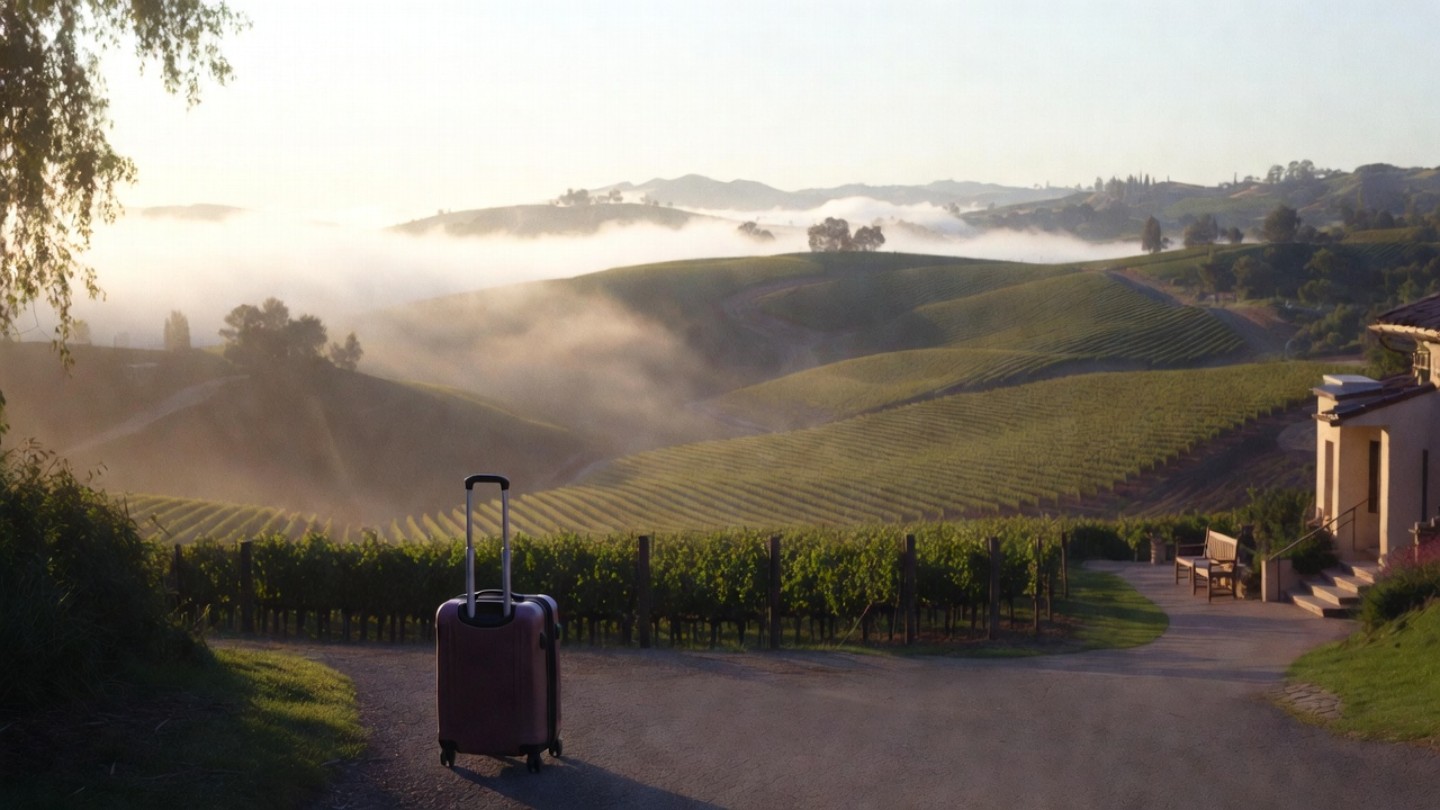
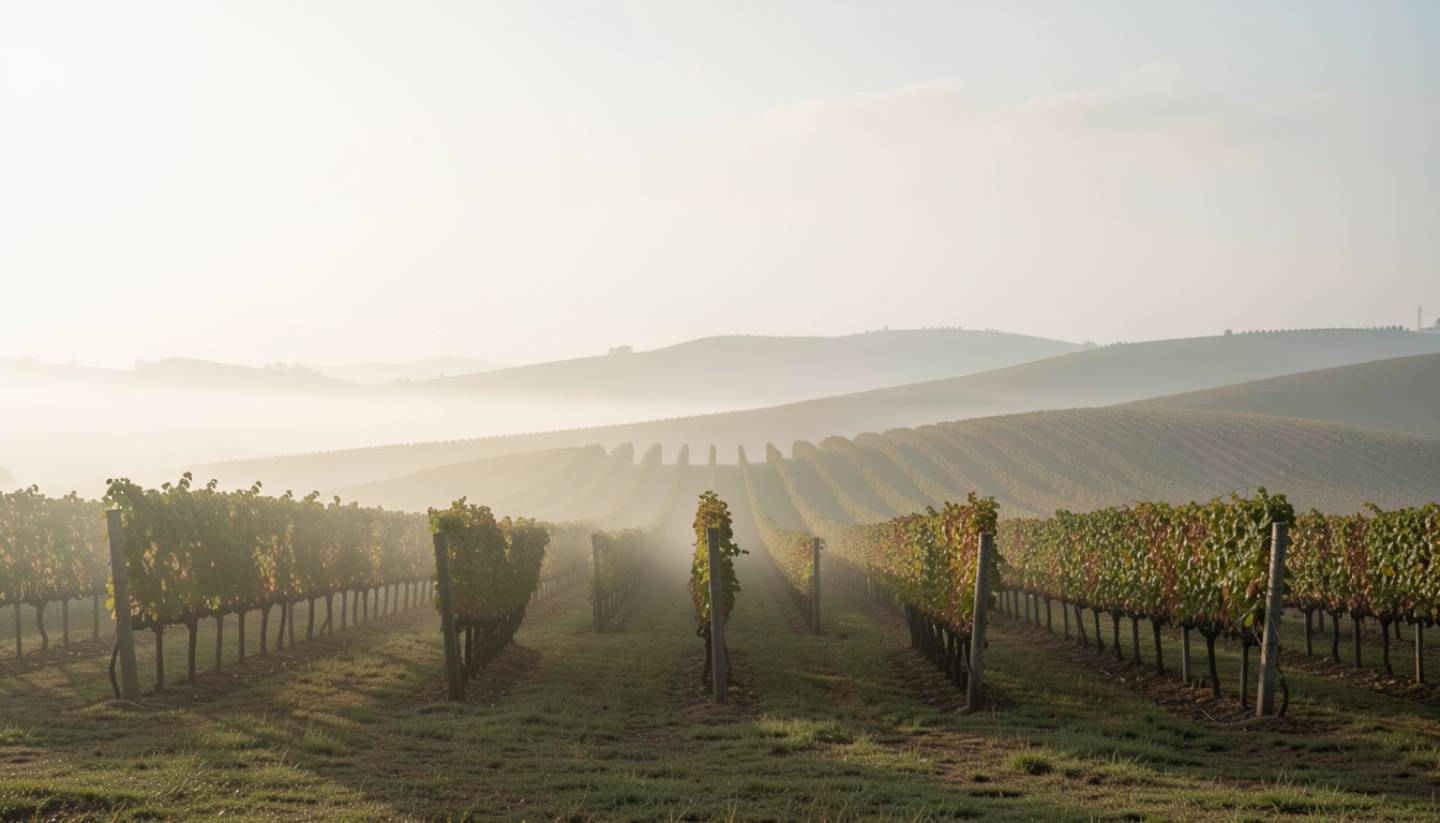
Napa Valley doesn’t ask much of you. It doesn’t reward overplanning, and it rarely improves with excess. The valley shows itself most clearly when you arrive with less—fewer reservations, fewer possessions, fewer expectations. The fog lifts over the Rutherford benchlands whether you’re ready or not. The roads run north and south without complication. For travelers who believe the best trips are built on intention rather than accumulation, Napa feels immediately familiar. Here, doing less isn’t a compromise; it’s the point.
What This Experience Is Really About
Minimalist travel in Napa isn’t about deprivation; it’s about clarity. When you stop trying to see everything, the land steps forward. You notice how the valley subtly narrows as you head north toward Mount St. Helena. You taste more when you taste less. Conversations stretch when they aren’t cut short by the next appointment. Napa works because it was never meant to be consumed quickly. It’s an agricultural place first, and agriculture teaches restraint better than any guidebook.
When It’s Best
Midweek (Tuesday–Thursday)
The valley moves at a resident’s pace, not a visitor’s tempo.
Early Mornings
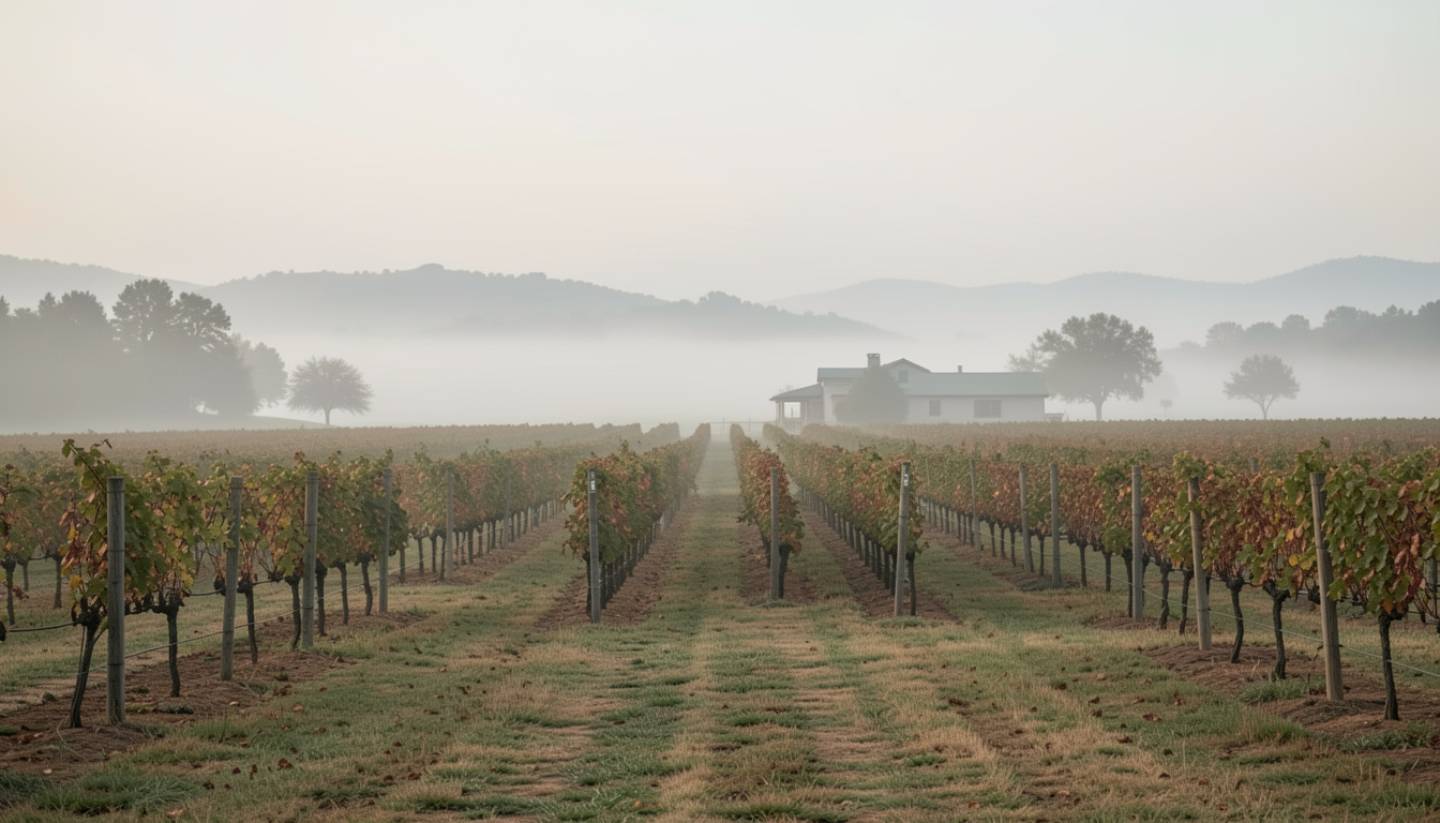
Fog, empty roads, and the feeling that you arrived before the day began.
Winter and Shoulder Seasons
Fewer distractions and a more honest, stripped-back version of the valley.
Late Afternoons
The early evening Cabernet light rewards anyone who stayed unhurried.
What Most Visitors Miss
Many travelers overfill their days because they confuse value with volume. Napa doesn’t work that way. The most meaningful moments happen in the margins—between stops, during a long lunch at Bistro Jeanty, or while sitting somewhere longer than planned. Minimalist travelers understand that the valley doesn’t need to be optimized. It needs to be allowed.
My Local Notes
Some of my most satisfying Napa days fit on a single line: one walk, one meal, one glass. I remember a winter afternoon when I canceled everything except a slow drive north on the Silverado Trail. No agenda. No clock-watching. I pulled over near the Yountville Cross Road because the light felt right, and I kept going when it didn’t. That day taught me something simple and lasting: Napa doesn’t ask for your time-management skills. It asks for your attention.
How to Travel Napa Minimally
Choose One Base
Stay in a small boutique inn and don’t move hotels.
One Anchor Per Day
One winery, one hike, or one long meal is enough.
Park Once, Walk More
Town centers reward slow wandering.
Follow the Land
Let fog, light, and your own energy set the pace, not the clock.
Take the Slow Route
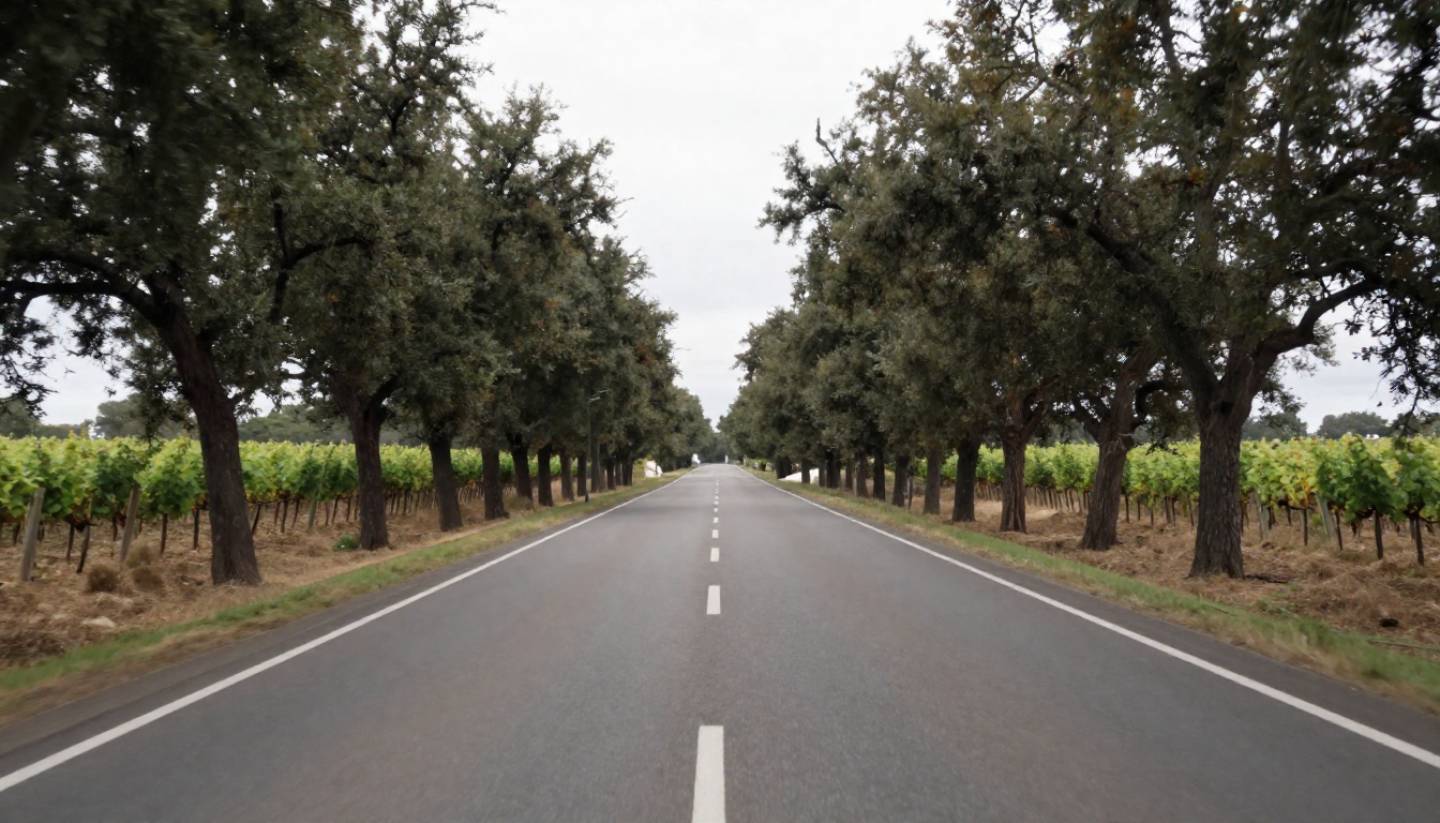
Favor the Silverado Trail over Highway 29 for an agricultural perspective that feels true.
Where Minimalism Works Best
Up-valley stretches along the Silverado Trail feel especially aligned with minimalist travel. Fewer visual distractions. Less traffic. More room to sit with the landscape. Boutique inns with low room counts—particularly around St. Helena and the northern end of the valley—support quiet mornings and early nights without effort.
A Gentle Personal Note
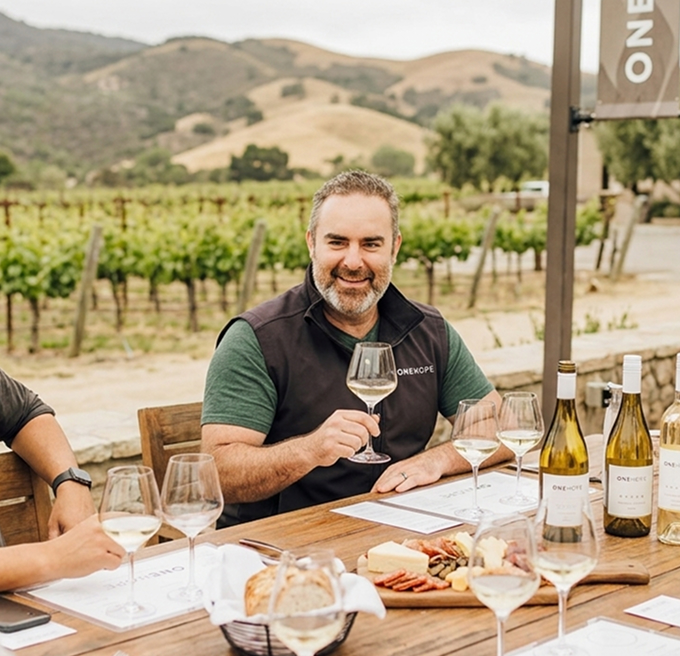
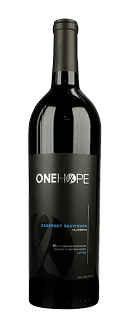
I’ll admit a little bias here. Estate 8 and ONEHOPE were shaped around the same principles that make minimalist travel work: restraint, proportion, and space to breathe. Nothing is added unless it serves a purpose. It’s my passion project, built on the belief that hospitality should remove friction, not create it. I’m biased, of course, but I’ve watched it happen again and again—guests arrive with less planned and leave feeling fuller
Small Histories
Before Napa was a destination, it was a working valley with simple needs. People lived close to where they worked, ate what was available, and rested when the light faded. Minimalist travel here isn’t a modern philosophy. It’s a return to the grounded rhythm the valley has always followed.