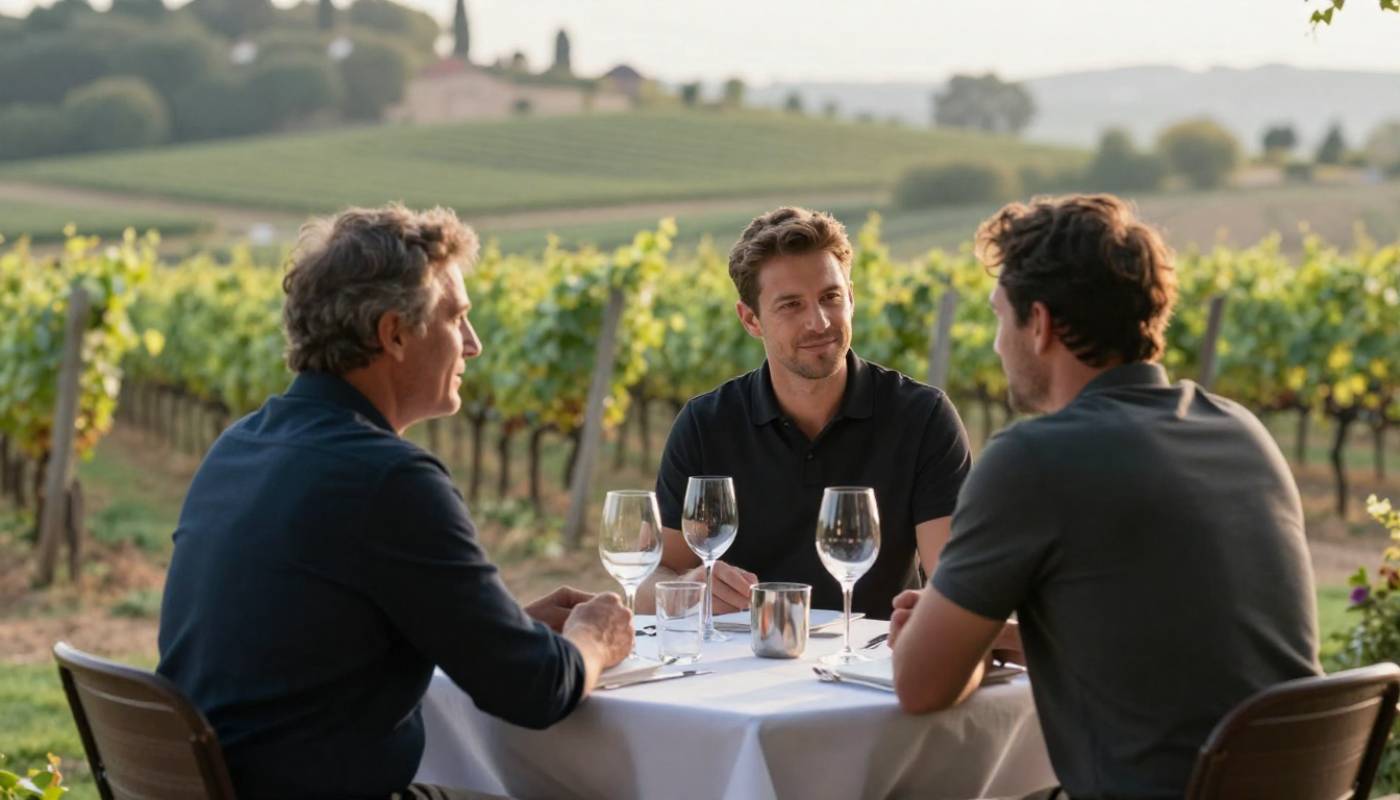
Some Napa Valley trips revolve around labels. Others revolve around people.
If you are the kind of traveler who remembers who poured the wine more than what was poured, Napa offers a deeper reward. This is a valley where winemakers still walk their vineyards in the morning, host their own tastings when they can, and linger at the table when the conversation feels right. When you come to Napa to meet winemakers, the experience shifts. It becomes less about consumption and more about connection.
Napa has always been a relationship-driven place. If you move through it with patience and curiosity, the valley responds.
What This Experience Is Really About
Meeting winemakers in Napa is about access, timing, and intention. Travelers who value this style tend to look for:
Conversation over crowds, where questions are welcomed and answers are unhurried.
Philosophy over volume, learning how farming decisions shape the wine.
Unscripted time, leaving space for a chair to be pulled up at the table.
Human-scale spaces that feel lived in rather than staged.
The most meaningful tastings feel closer to a conversation than a presentation.
When It’s Best
Midweek: This is essential. The valley slows noticeably, and hospitality becomes more personal.
Cabernet Season (late fall through early spring): The quietest time of year and the most generous for conversation.
First or last appointments: Early mornings and late afternoons are when winemakers are most likely to be present before vineyard or cellar work resumes.
Seasonal note: During harvest, energy is high but time is scarce. You may meet the team, but extended one-on-one time with the winemaker is less common.
My Local Notes
Some of the moments that shaped my understanding of Napa happened when a winemaker stopped pouring and started talking. Sitting together while the light changed outside, hearing why a block was farmed a certain way, or why a blend was held back another year. Napa reveals itself fastest when you stop trying to move through it and let the people set the pace.
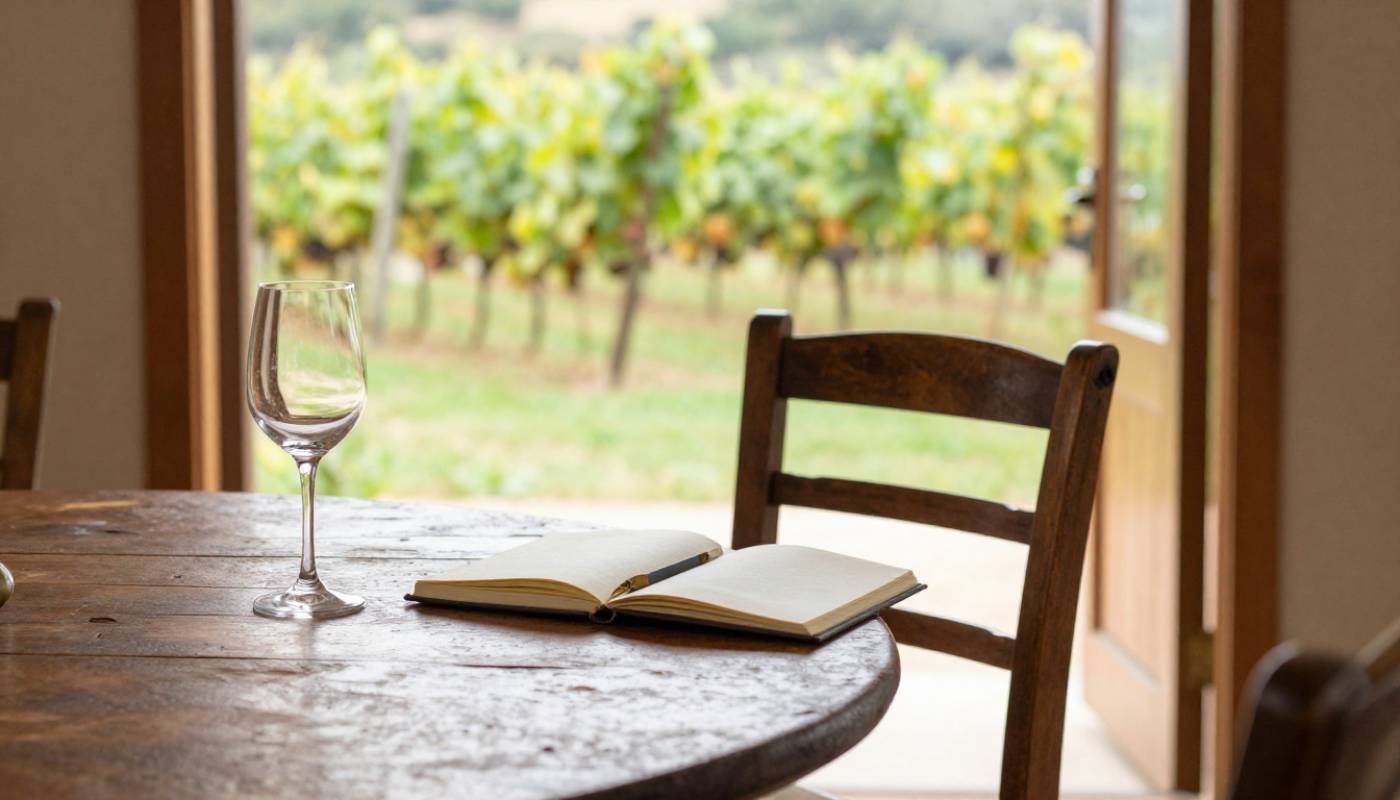
A Winemaker-Centered Napa Valley Day
Morning: The Quiet Entry
Begin the day without urgency.
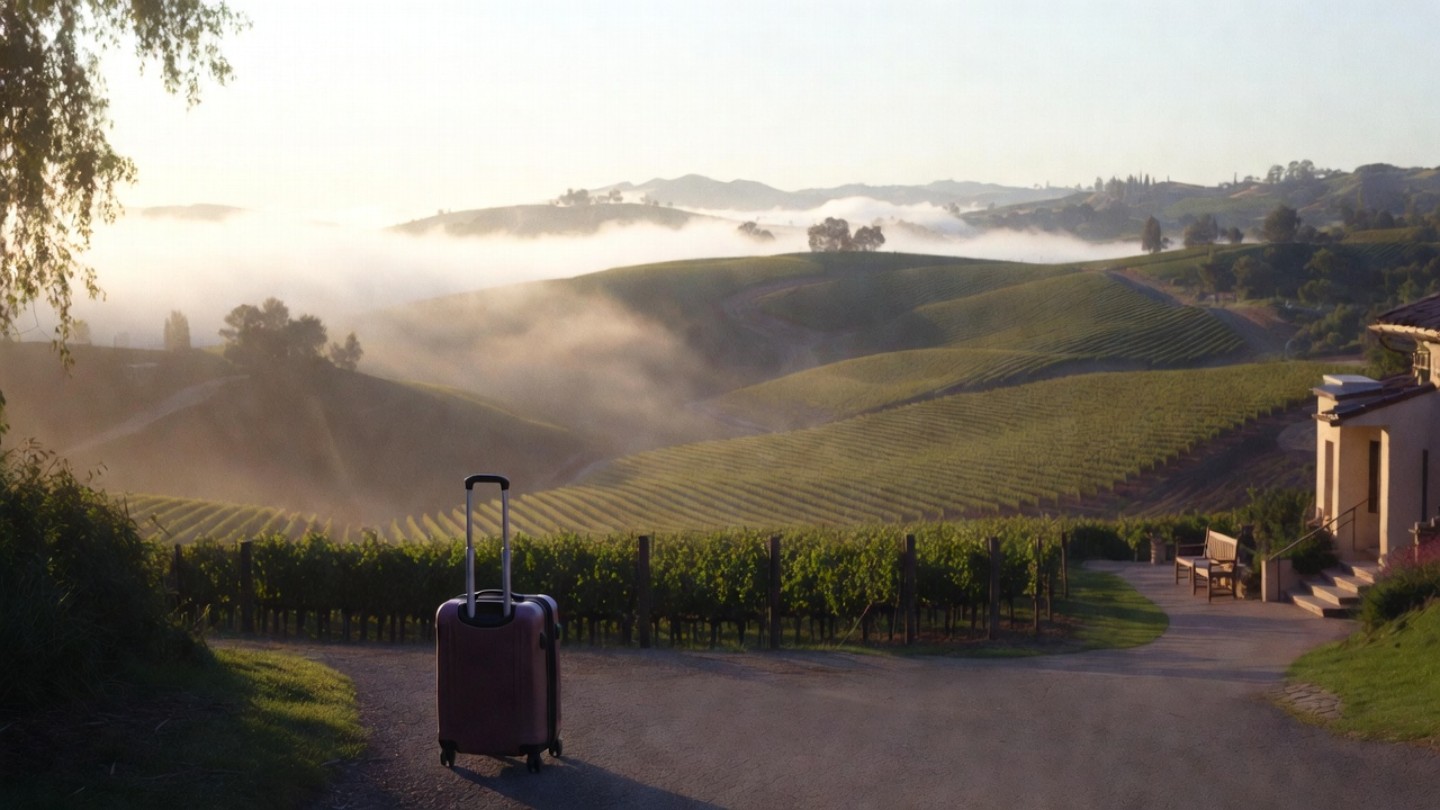
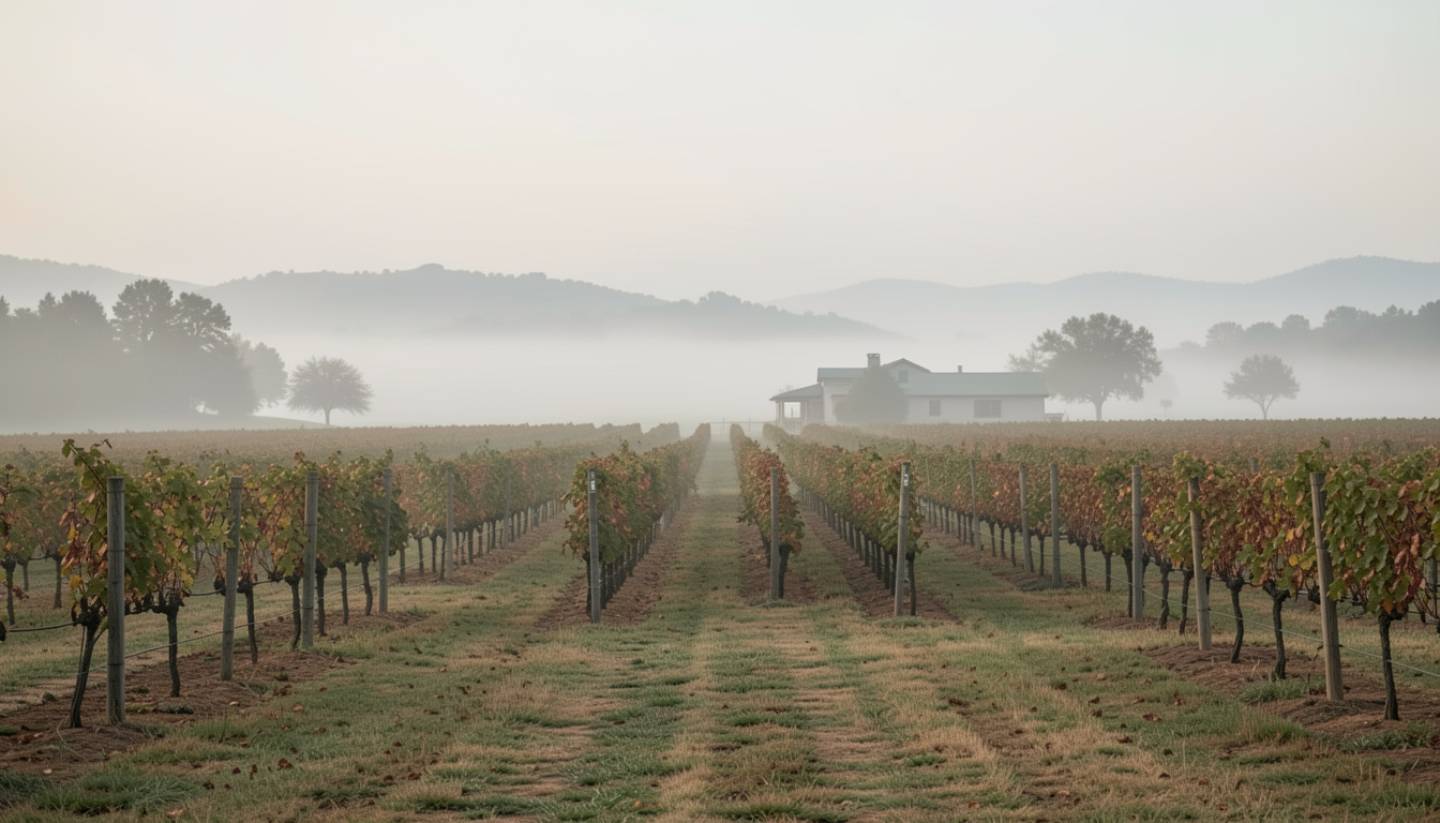
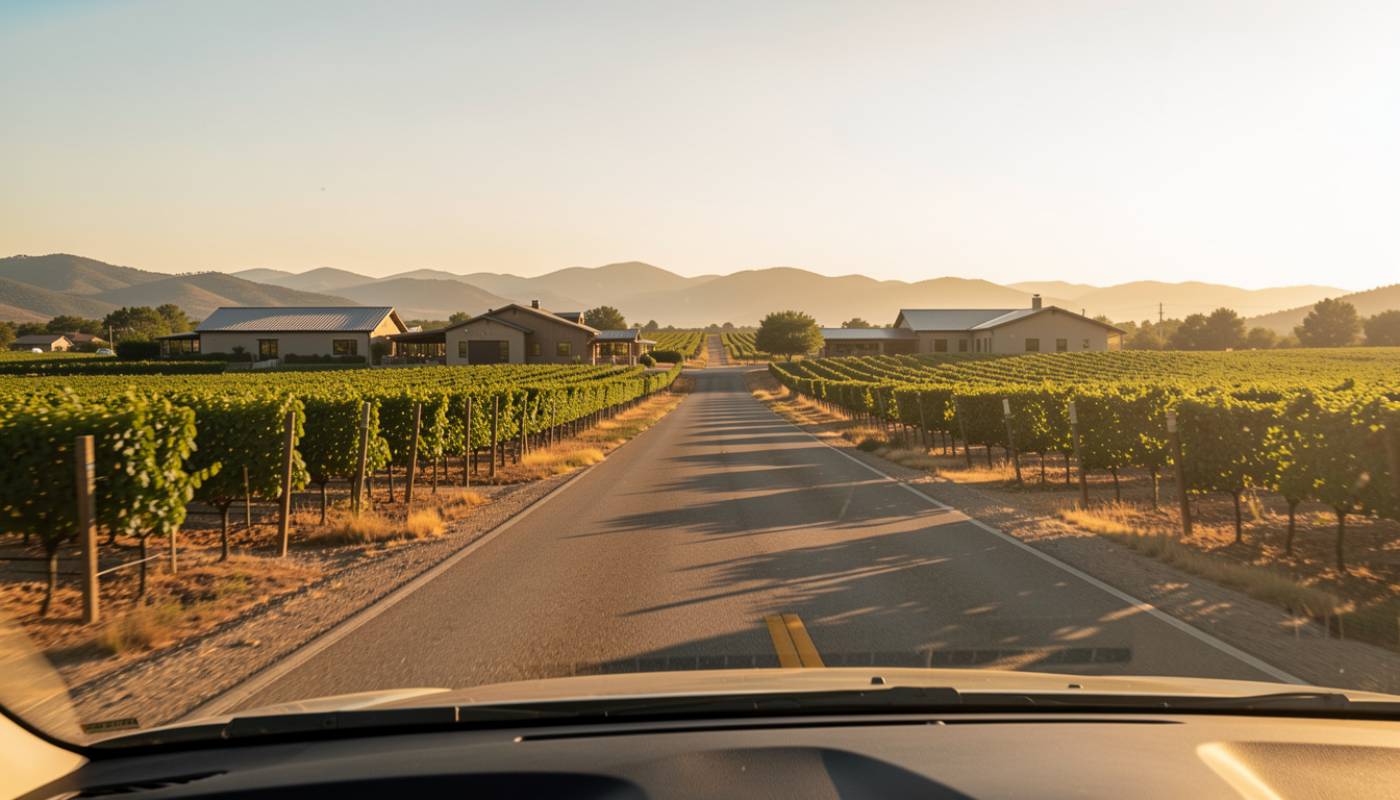
Coffee outside as the fog lifts off the Rutherford benchlands sets the tone. Drive north on the Silverado Trail, the route locals use when they want the valley to feel wide and uninterrupted. The rhythm matters before the tasting ever begins.
Late Morning: One Intentional Visit
Choose a single, appointment-only winery where the winemaker or owner is directly involved.
Look for family-run estates where hospitality feels personal and the cellar is part of the story. This is where real dialogue happens.
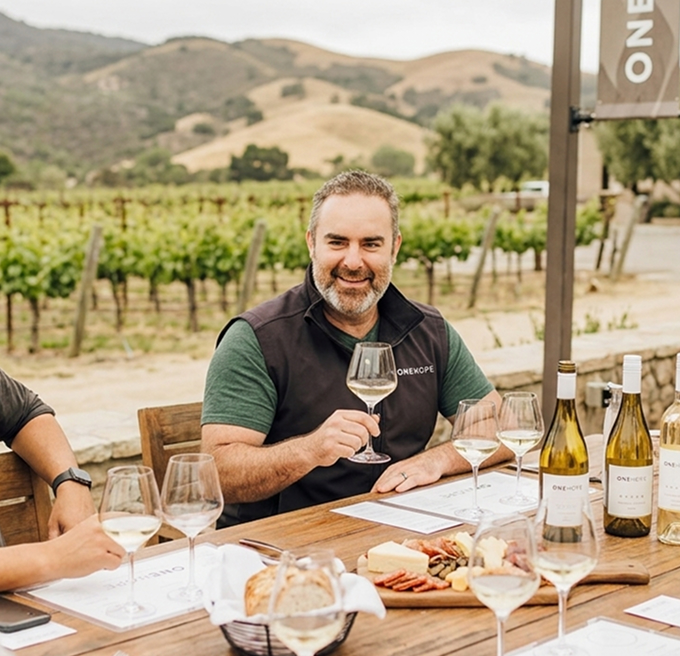
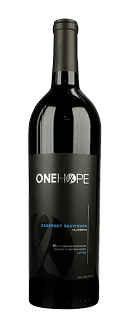
Estate 8, by invitation, reflects this approach through ONEHOPE. The experience is shaped around shared tables, long views, and conversation that unfolds naturally. People often remember who they met here as much as what they tasted.
Lunch: Let the Story Settle
Lunch should slow you down, not reset the day.
Charter Oak or Farmstead in St. Helena are ideal for this pace. Sit outside, order to share, and let the meal stretch. Long lunches allow the morning’s conversation to land instead of being rushed out by another appointment.
Afternoon: Geographic Pacing
Resist the urge to schedule a second tasting.
Take a slow drive through Oakville or toward the base of Mount St. Helena in Calistoga. Notice how Rutherford Dust catches the light differently as the afternoon settles. This is where insights from the morning often surface.
Evening: A Gentle Landing
Dinner should be close and unhurried.
Early reservations bring quieter rooms and more attentive service. Bar seating at places like Bottega or Press often leads to natural conversations with locals and off-duty cellar hands. Napa evenings reward those who linger quietly.
Where to Stay
Choose accommodations that support calm and conversation.
Bardessono (Yountville): Walkable, discreet, and favored by industry insiders.
Meadowood (St. Helena): Secluded and deeply woven into Napa’s winemaking history.
Estate 8 (Rutherford): By invitation, designed for gathering, reflection, and meaningful connection to land and people.
What Most Visitors Get Wrong
They try to meet too many winemakers. In Napa, one real conversation carries more weight than a full day of rushed tastings. The valley remembers guests who listen.