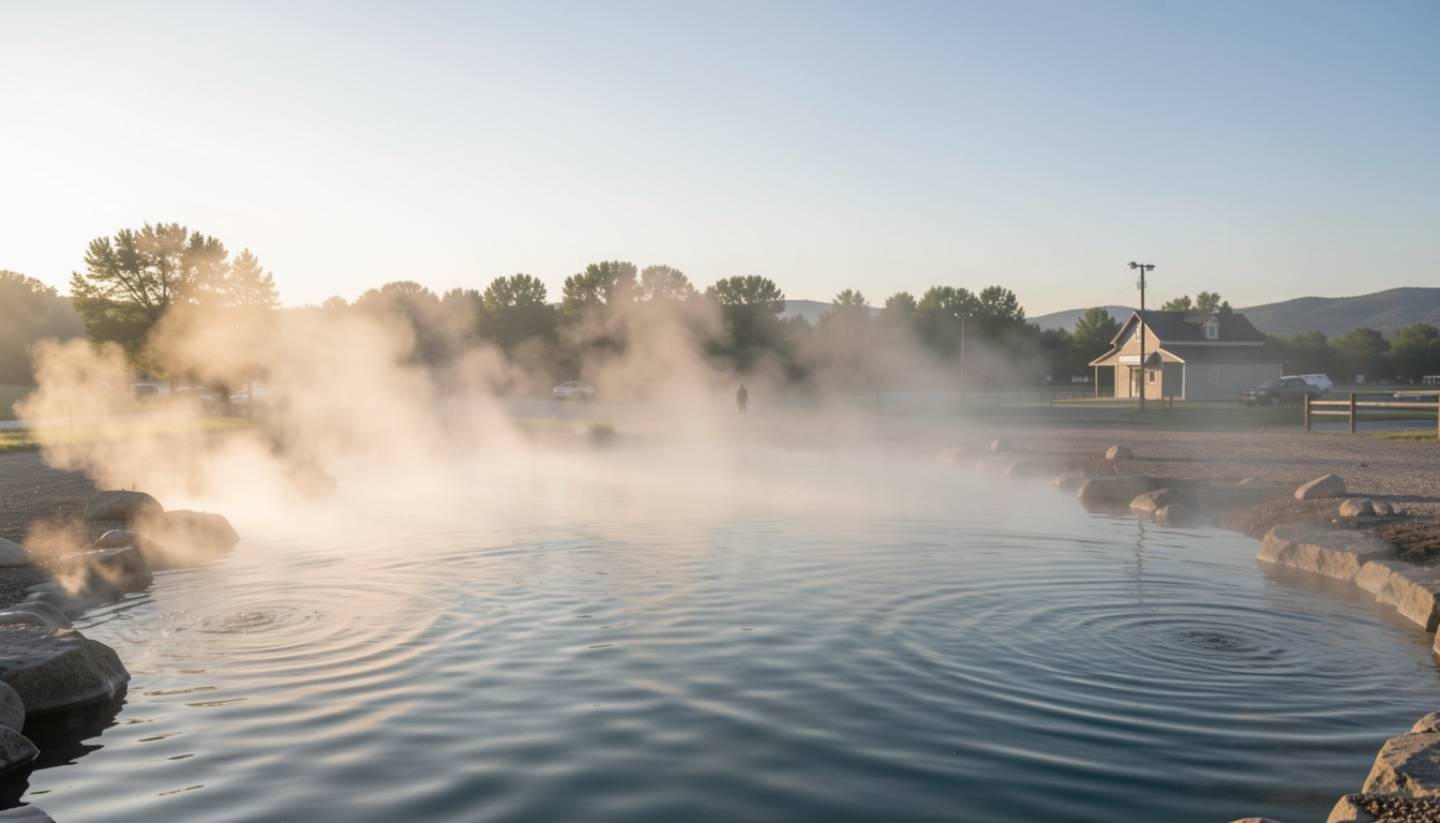
Steam rises quietly at the northern edge of the valley while the rest of Napa is still waking up. No robe check-ins. No curated spa playlists. Just mineral water, cool morning air, and the feeling that you arrived before anything needed to perform. Napa Valley’s relationship with hot springs is older than wine tourism itself, concentrated almost entirely at the base of Mt. St. Helena in Calistoga. Long before luxury resorts wrapped the experience in schedules and menus, people came here simply to soak. If you love hot springs but resist modern spa choreography, Napa still offers a grounded, low-key way to meet the water on its own terms.
What This Experience Is Really About
Soaking in Napa is about restoration, not indulgence. The water is hot because the land insists on it, not because someone engineered an experience. When you remove the extras, what remains is elemental: heat, water, time. Your body settles. Conversation softens. Steam moves differently depending on the fog and the cool air draining down from the Mayacamas. Napa works best when the land is allowed to lead.
When It Is Best
Midweek (Tuesday to Thursday)
The quieter, truer rhythm of the valley. Pools are calmer and the experience feels lived in.
Early mornings
Steam rising into cool air around 7:00 AM is the most grounding version of the soak.
Dusk
Evening soaks pair naturally with early dinners and quiet nights.
Winter
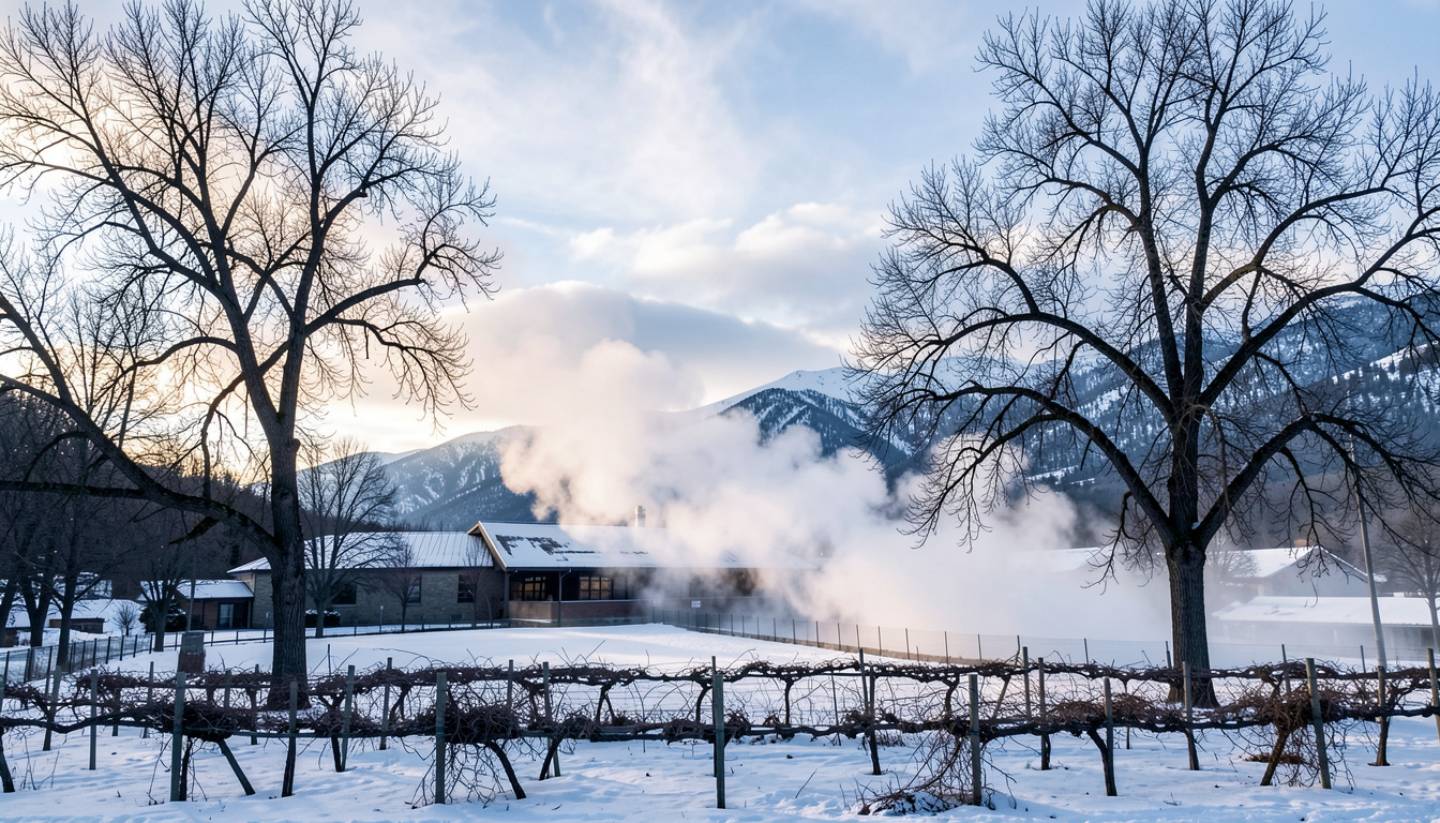
Cold air and 100-degree mineral water create the strongest contrast and the deepest sense of reset.
What Most Visitors Miss
Many visitors assume hot springs in Napa are synonymous with resort culture. In reality, the springs existed long before spa menus and premium tiers. The most meaningful experiences happen when soaking is treated as one quiet chapter of the day, not the headline. When you strip away excess, the water speaks more clearly.
My Local Notes
Some of my most restorative moments in the valley have come from very simple soaks. No phone. No timeline. Just arriving at a small bathhouse, getting in, and leaving when it felt complete. I remember a winter afternoon when the valley was nearly silent and the only sound was steam lifting into cold air. That kind of stillness stays with you longer than any treatment ever could.
Where This Style of Soaking Lives
Napa’s geothermal activity is highly specific. You will not find hot springs in the southern valley or the mid-valley towns. You have to go north, past St. Helena, toward what locals call the top of the valley.
Calistoga: The Geothermal Heart
Calistoga sits directly atop a geothermal bed. To avoid the resort atmosphere, look for:
- Historic bathhouses that prioritize mineral soaking and traditional mud baths over luxury layering.
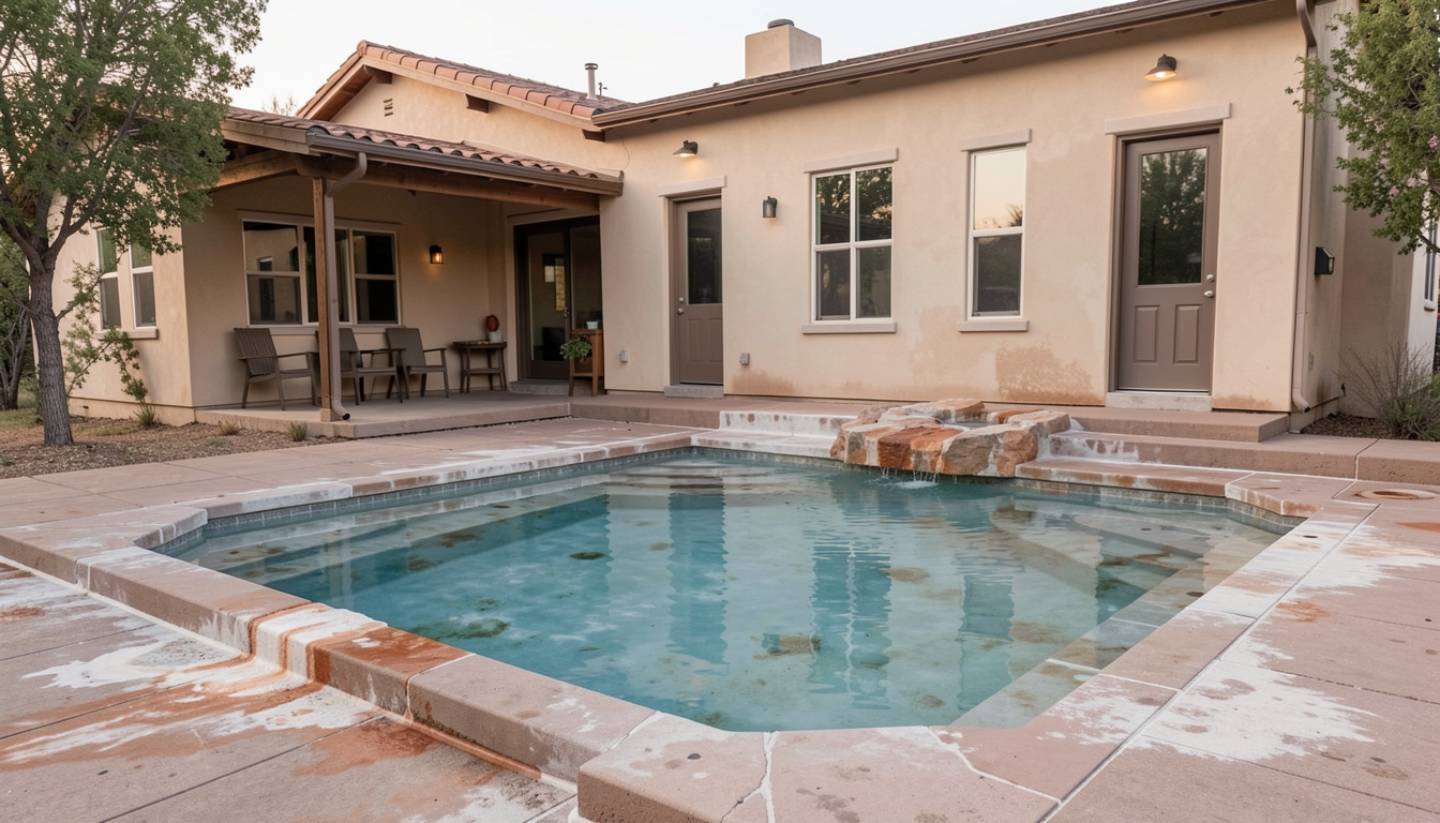
- Small mineral inns with fewer than twenty rooms, where the pool is the focus, not the amenities.
- Midweek day access, which allows you to soak without committing to an overnight resort stay.
How to Plan a Non-Resort Hot Springs Day
Arrive early and soak when doors open. Stay in town so you can walk instead of drive. Keep the post-soak meal simple, something casual that does not pull you out of the calm. After you reset, one quiet, seated tasting south along the Silverado Trail is plenty. One experience is enough.
A Gentle Personal Note
I will admit a little bias here. Estate 8 and ONEHOPE were shaped around the same belief that makes simple soaking work: remove friction, respect the land, and let experiences breathe. Hospitality does not need layers to feel meaningful. When people arrive already settled, the valley meets them more honestly. It is my passion project because I have seen how powerful restraint can be.
Small Histories
Before Napa was defined by Cabernet Sauvignon, Calistoga was known for its healing waters. Indigenous communities and early settlers understood the restorative value of geothermal heat at the base of the mountains. Soaking was practical, communal, and unadorned. Choosing hot springs without resort framing is not opting out of Napa culture. It is stepping back into one of its earliest expressions.