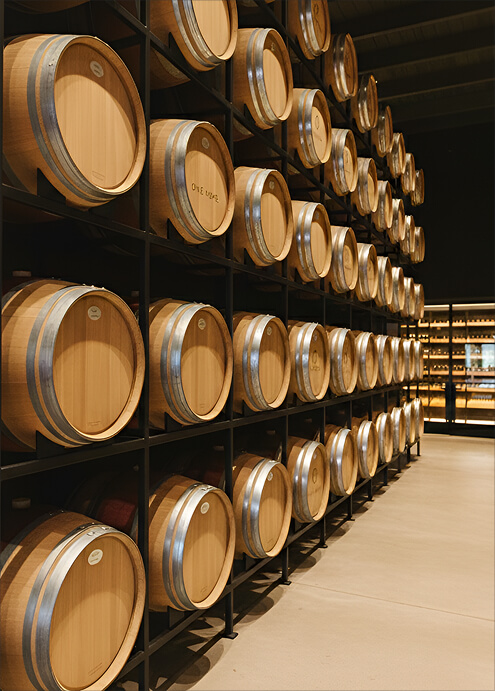
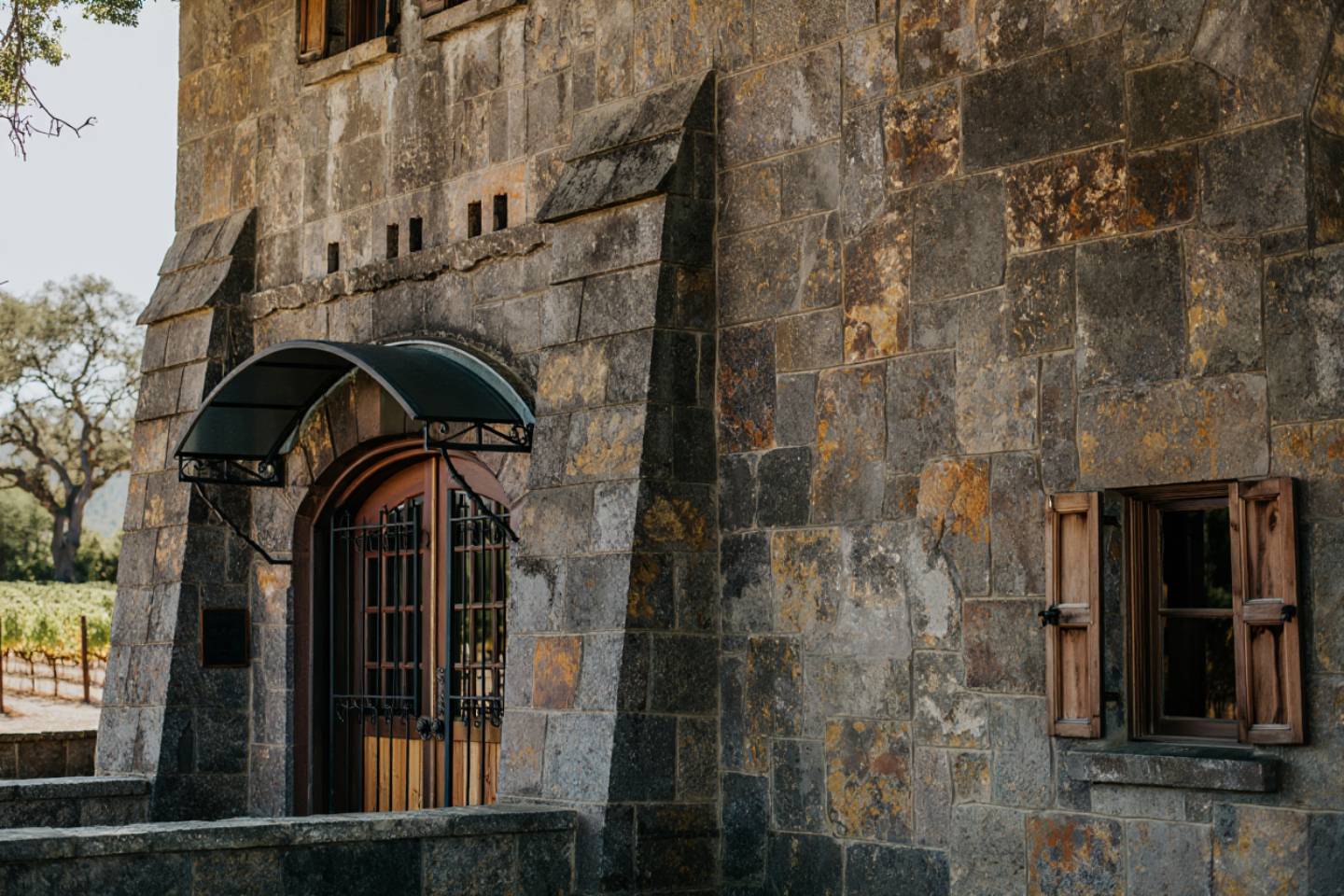
Some travelers look for what is new. Others look for what has lasted. Napa Valley quietly rewards the second kind. Beneath the vineyards and tasting rooms is a layered architectural history built from stone, timber, and necessity. You see it in the unchanged storefronts of St. Helena and in pre-Prohibition wineries constructed before electricity or modern refrigeration.
If you are drawn to creaking floors, hand-laid masonry, and thick walls that hold the valley hush, Napa offers a rare concentration of buildings that have aged with purpose rather than nostalgia.
What This Experience Is Really About
Loving old buildings in Napa is not about aesthetics alone. It is about continuity. These structures were built to solve real problems: cooling wine before refrigeration, housing workers close to the fields, and creating shelter that could withstand heat, fog, and time.
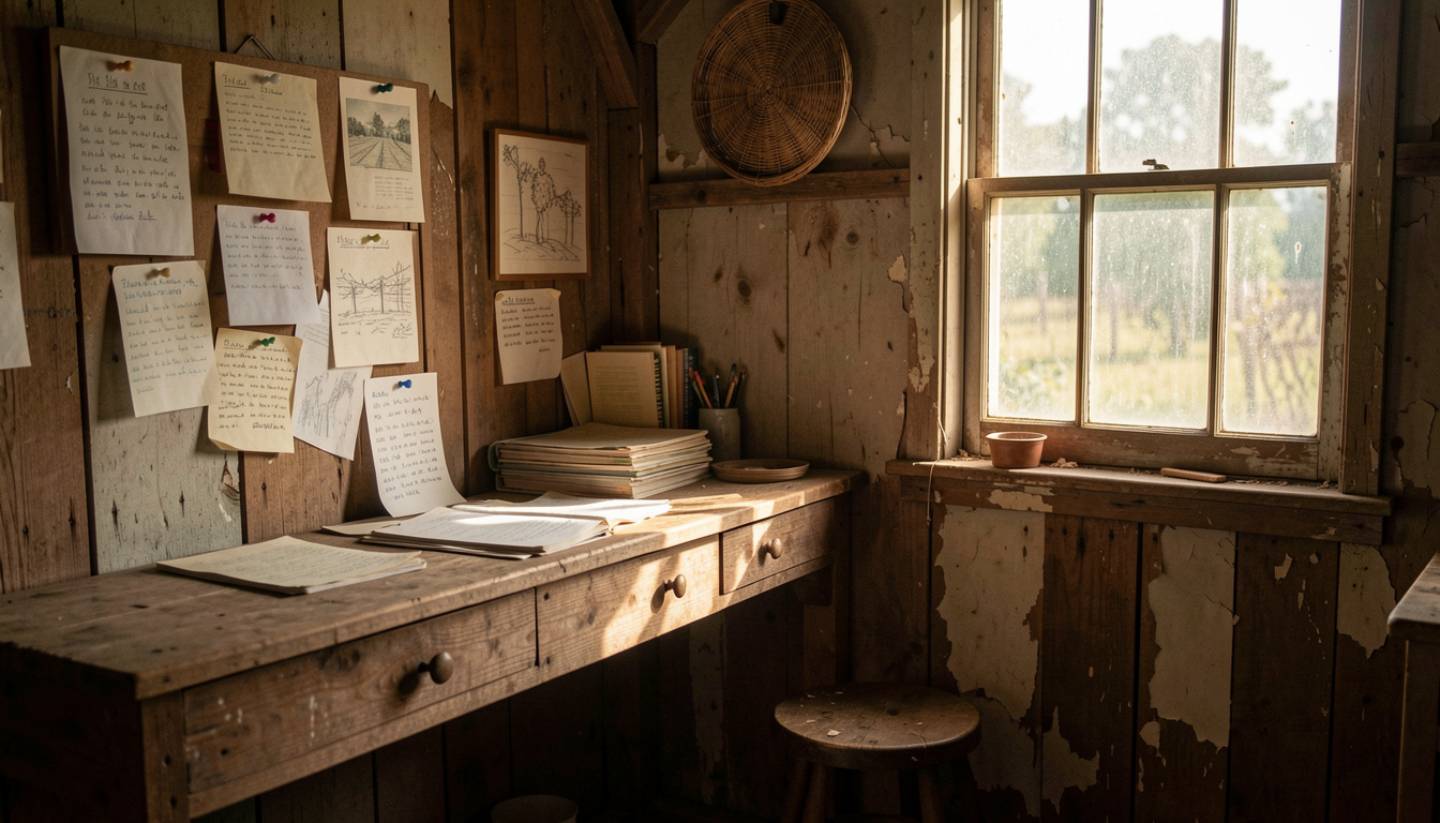
Thick stone walls regulate temperature naturally. Narrow staircases slow your movement. Courtyards invite pause. When you move through these spaces, you feel how Napa was lived in long before it was visited. Architecture here does not perform. It supports the land.
When It’s Best
Midweek Tuesday through Thursday
Historic properties feel most themselves when the pace slows and the truer Napa emerges.
Fall and winter
Cool air, fireplaces, and shorter days highlight the warmth and intimacy of timber and stone.
Early mornings
Weathered facades and quiet streets reveal their character before towns fully wake up.
What Most Visitors Miss
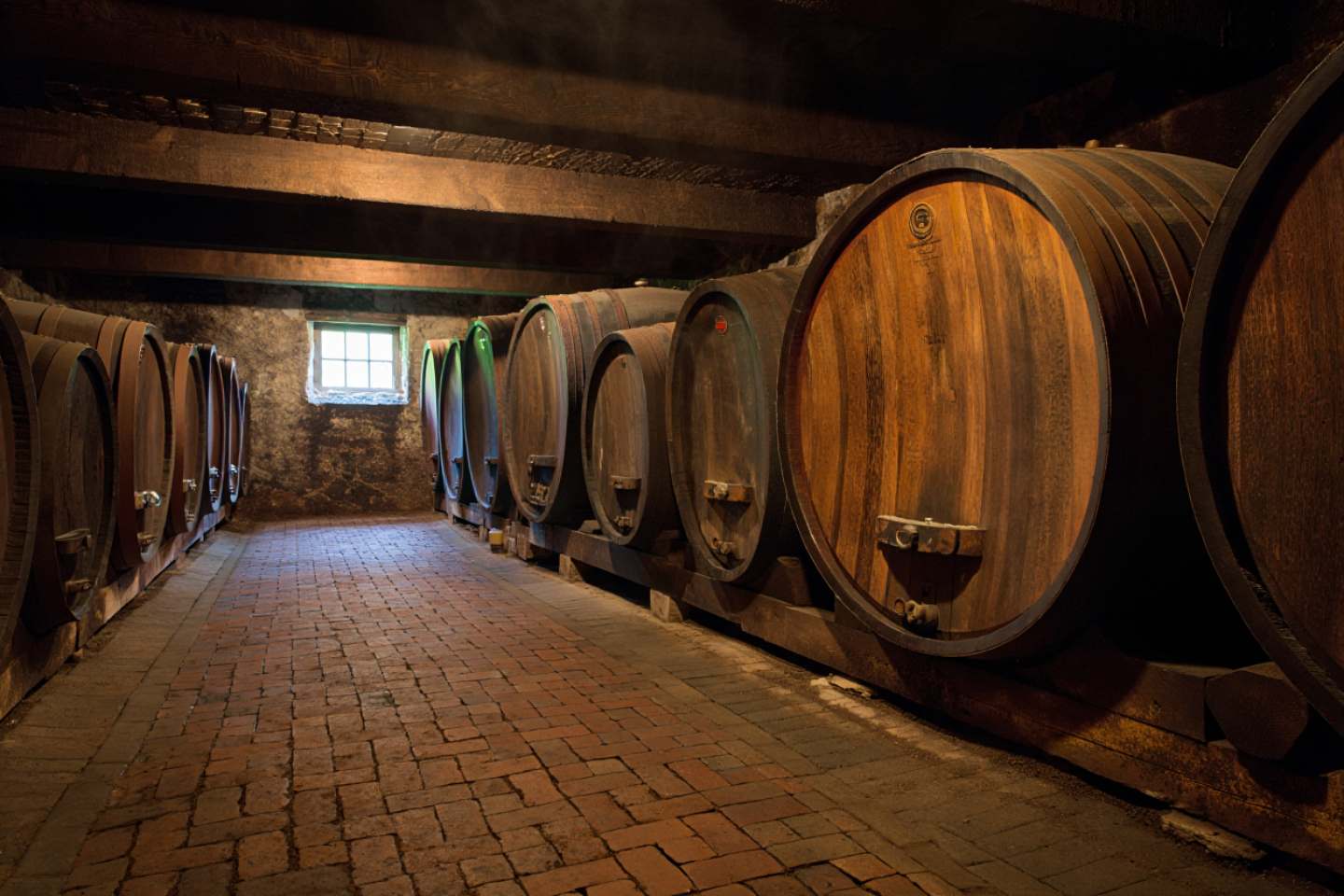
Many visitors rush past Napa’s historic layers on their way to modern glass-walled tasting rooms. They miss how deep stone cellars stay cool without effort, or how old inns sit close to town centers because walking once mattered more than parking.
History here is not roped off. It is functional, lived in, and still earning its keep.
My Local Notes
Some of the places that taught me the most about Napa were not vineyards, but buildings. I remember sitting in a stone cellar and realizing it still smelled of oak and earth the same way it likely did a century ago. Staying in an inn where breakfast is served in the same room it always has been reminds you that Napa was built by people thinking in generations, not quarters.



Where Napa’s History Lives
St. Helena
The historic heart of the valley. Look beyond Main Street to Victorian inns and landmark stone structures like the Greystone building north of town.
Calistoga
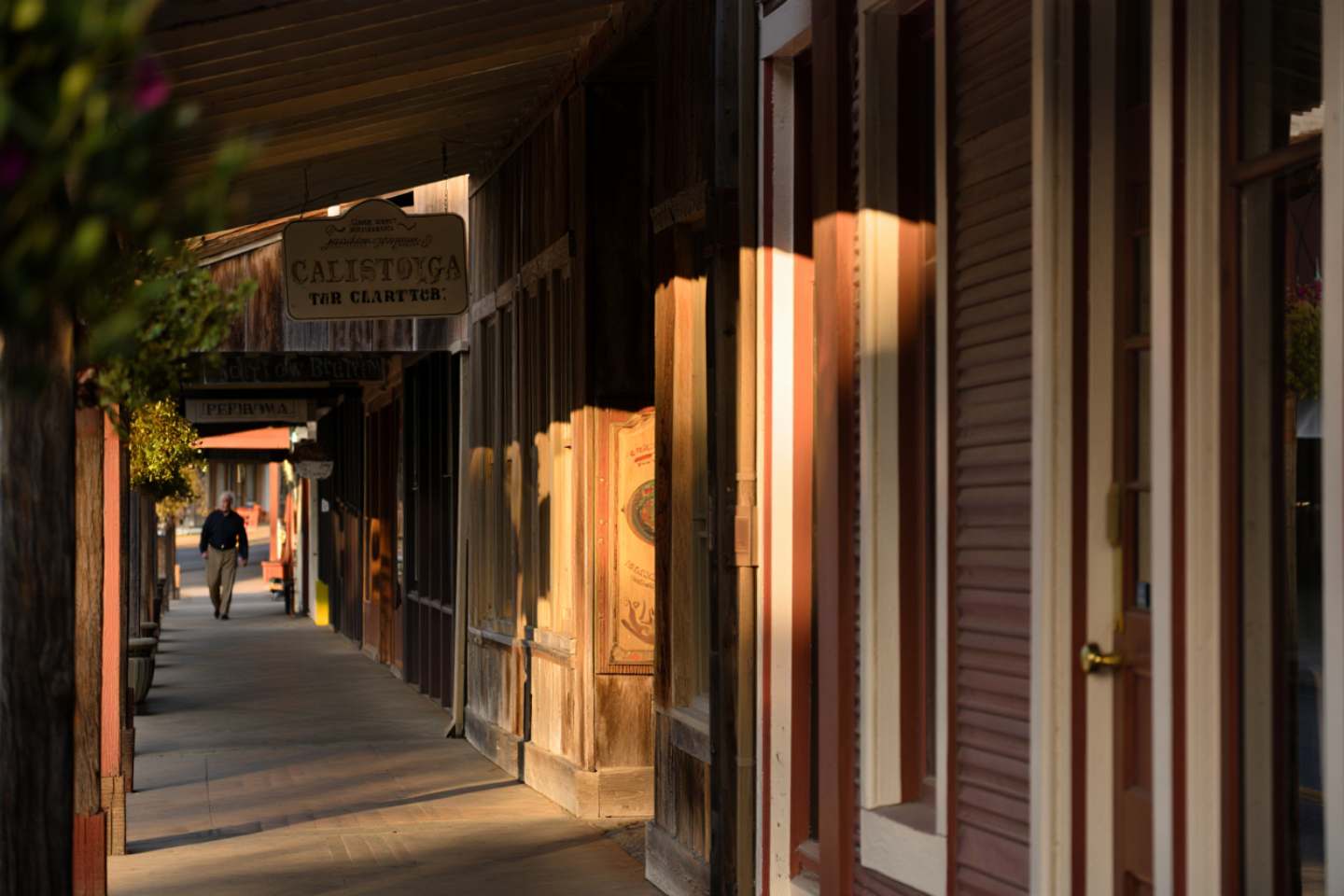
Looser and older in spirit, shaped by its early resort era. Geothermal baths, Western storefronts, and buildings that feel anchored rather than restored.
Downtown Napa
Riverfront warehouses and brick buildings near the Oxbow Public Market that have been repurposed rather than replaced.
Stone wineries
Seek out estates like Schramsberg or Beringer to see hand-dug caves, gravity flow layouts, and pre-Prohibition masonry still doing their job.
What to Look For in a Historic Stay
- Original floor plans with low room counts
- Natural materials such as local fieldstone and redwood
- Central locations built before cars shaped travel
- Staff who act as stewards of the building’s small histories
These are places that feel earned, not curated.
A Gentle Personal Note
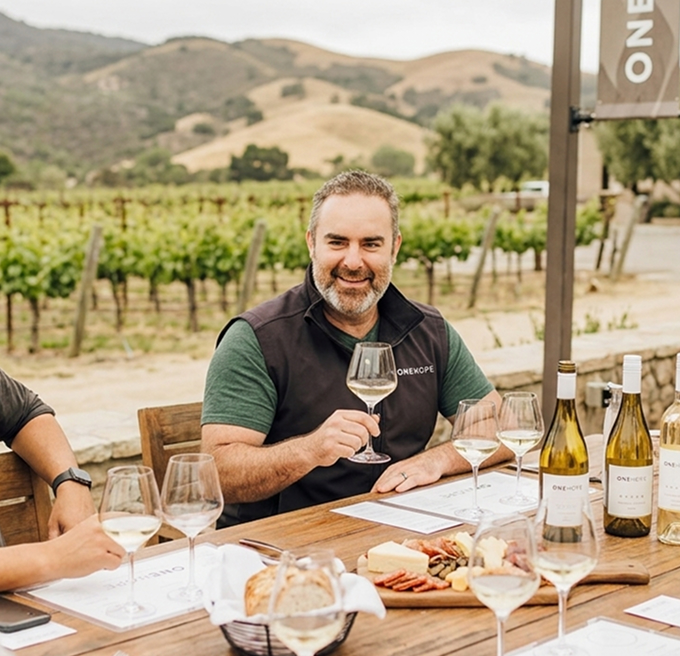
I will admit a little bias here. Estate 8 and ONEHOPE Winery were designed with deep respect for Napa’s architectural past. Proportion, restraint, and material honesty mattered more to me than spectacle. It is my passion project, rooted in the belief that hospitality should feel permanent and personal rather than new for the sake of being new. Old buildings teach you how to slow down, and Napa has always been better at that than most places.
Small Histories
Before Napa became a destination, it was a valley of barns, stone cellars, and family homes built to last because replacement was not an option. Loving historic Napa is really about honoring that original spirit: grounded, patient, and quietly confident.