Napa Valley has a long memory.
You feel it most clearly in the quiet places. Not the tasting rooms or restaurants, but the corners of the valley where names are etched into stone and stories are carried forward by locals rather than brochures. Historic cemeteries here are not morbid stops. They are grounding ones. They remind you that this valley was built long before it was visited.
If you love pioneer histories and the lightly poetic mood of places where time slows, Napa offers a deeper narrative beneath the vines.
What This Experience Is Really About
Exploring cemeteries and local legends is about context.
It reframes the wine in your glass. Roads were cut. Land was cleared. Families stayed or left. Fires, floods, epidemics, and hard seasons shaped who remained and who was remembered.
This experience invites:
- Pioneer perspective rather than brand recognition
- Lived history instead of statistics
- Continuity, seeing today’s farming as part of a longer line of caretakers
You begin to understand Napa not as a destination, but as a lived place.
When It Is Best
- Morning hours
The softest Cabernet light and a natural sense of reverence before the day fills in. - Midweek
Tuesday through Thursday keeps these sites undisturbed and unhurried. - Fall and winter
Bare vines and cooler air heighten the sense of history during the quiet shoulder seasons.
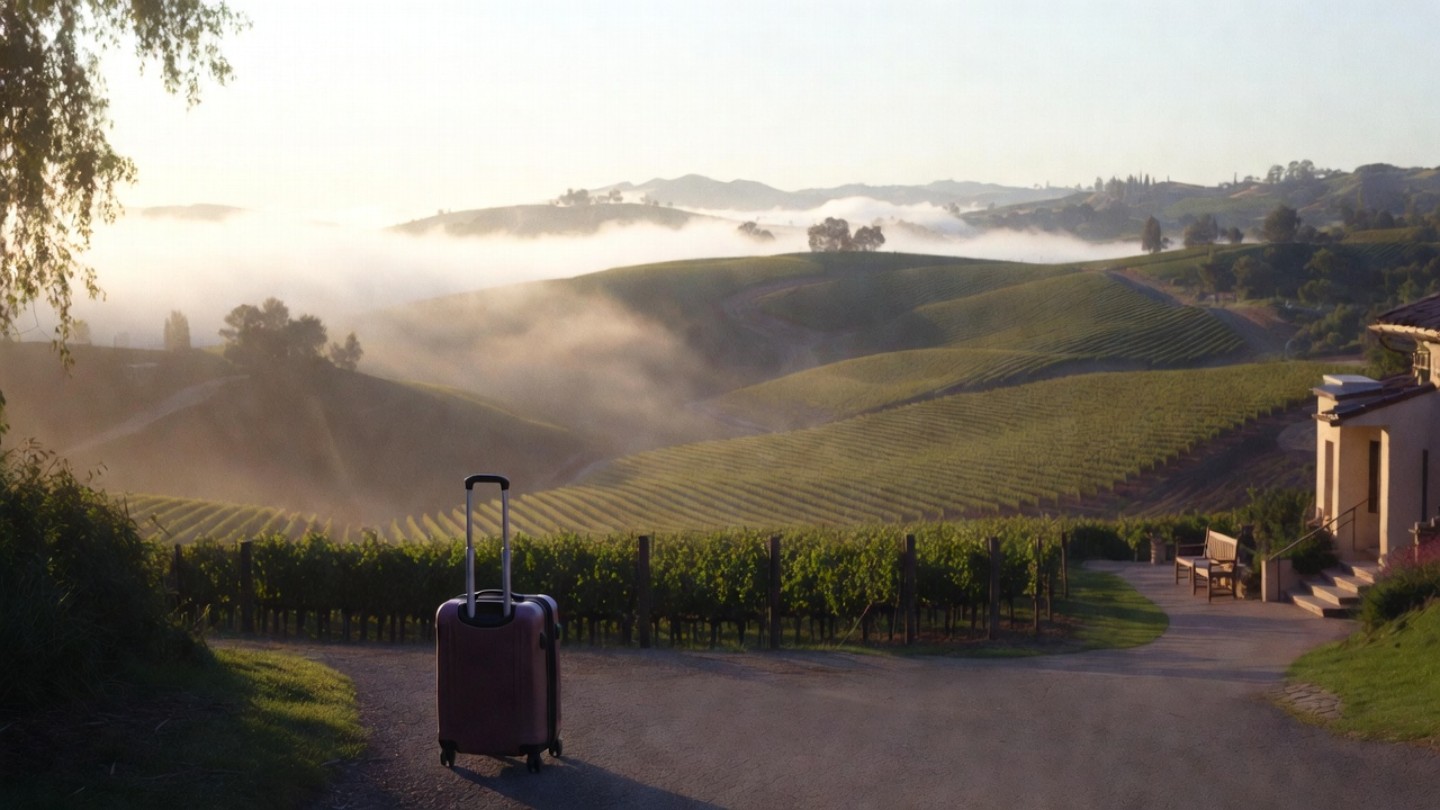
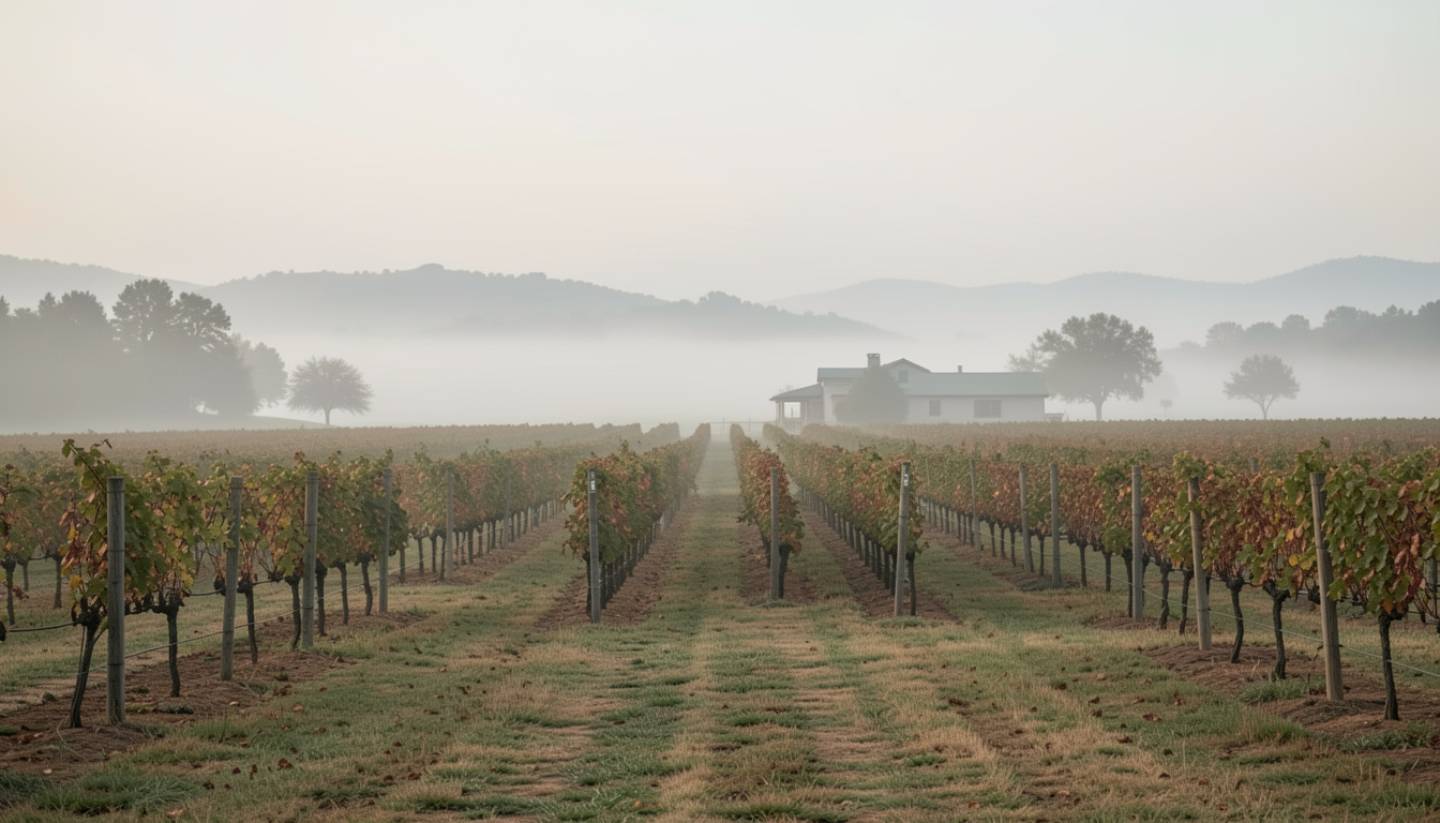
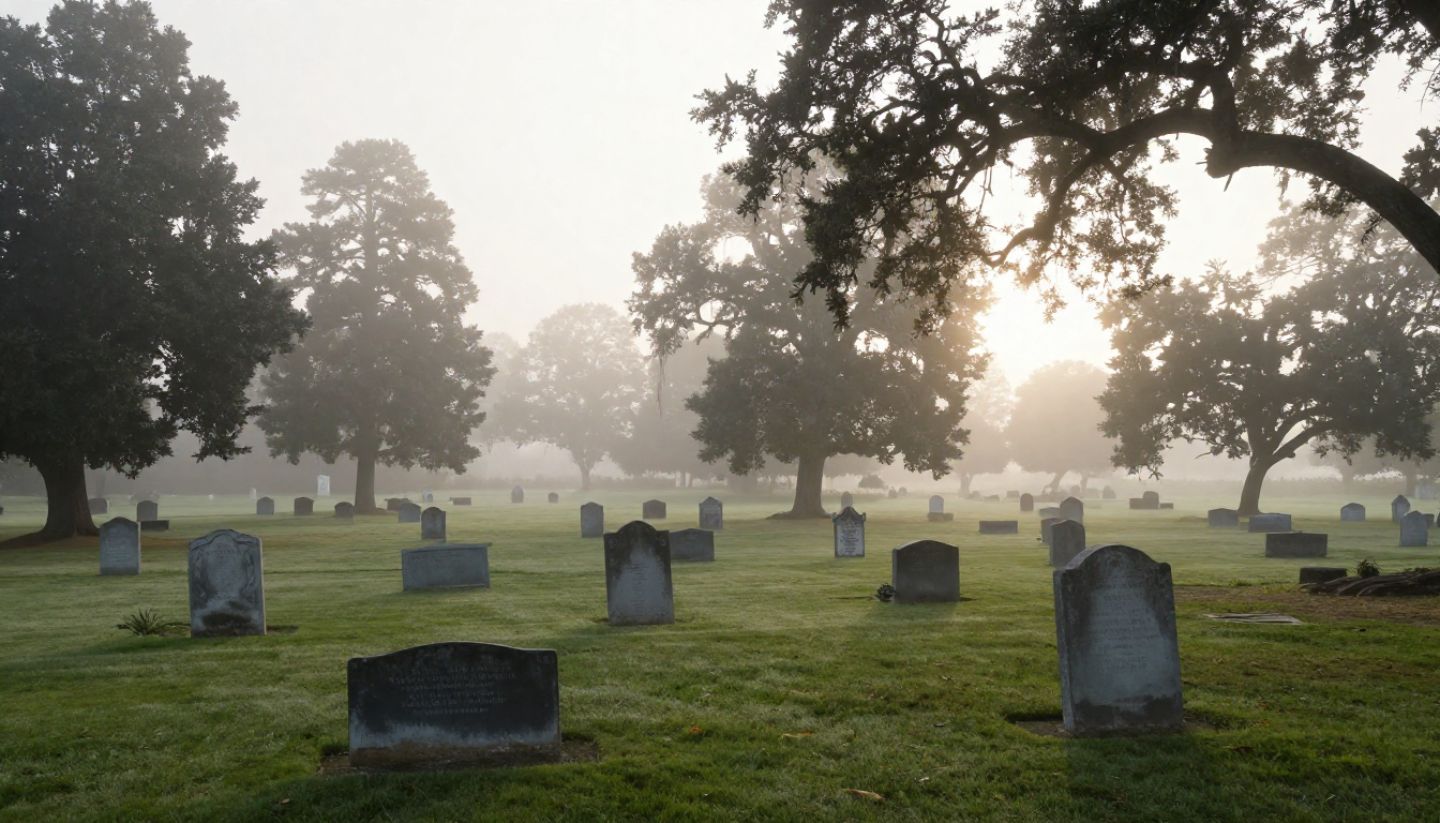
Fog often settles gently in these areas, adding atmosphere without spectacle.
What Most Visitors Miss
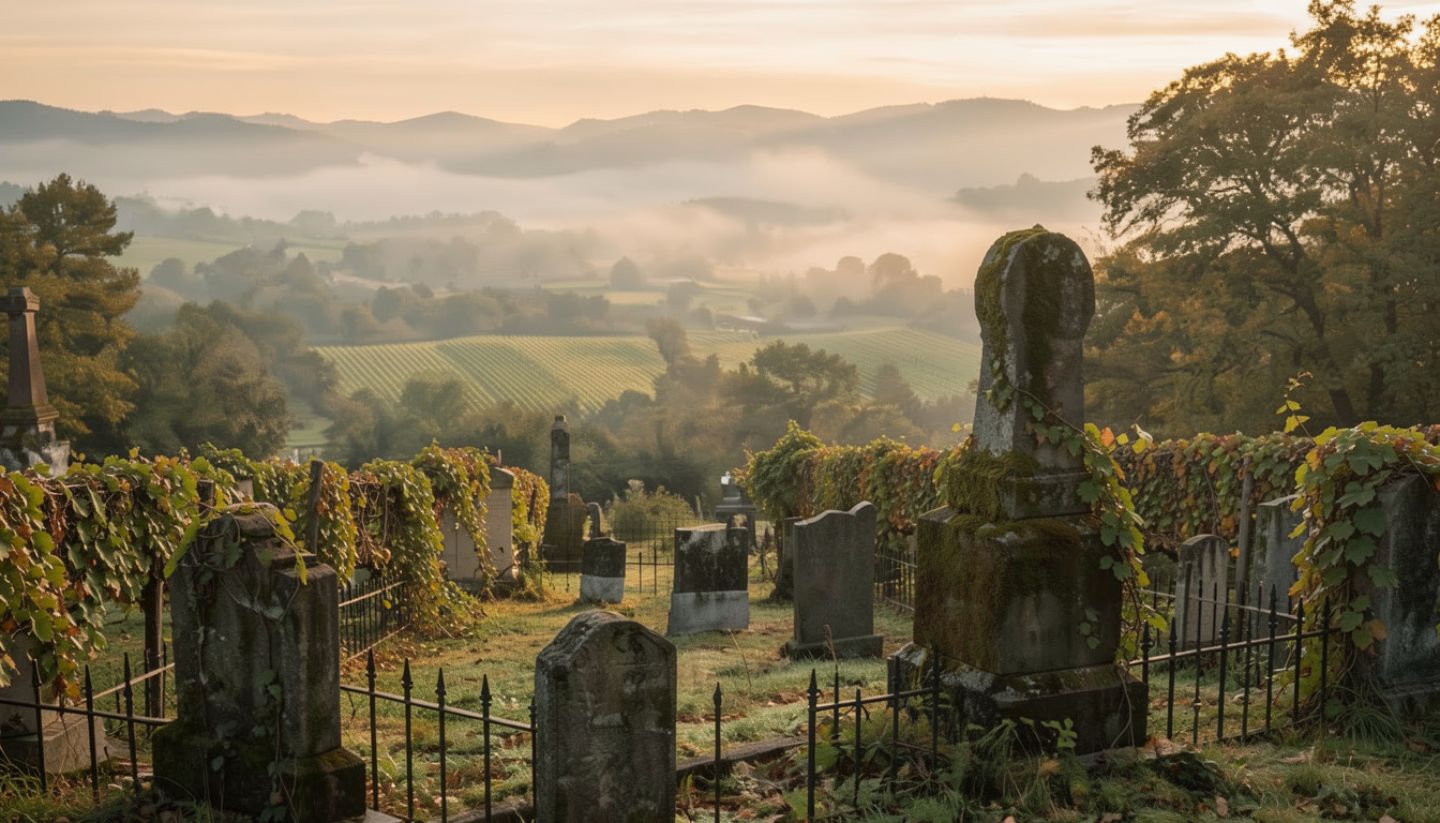
Many visitors drive past low stone walls along the Rutherford and Oakville benchlands without realizing they are passing the final resting places of Napa’s founding families.
A local truth is that many vineyard names trace back to surnames you will find on headstones nearby. When you see those names in stone, the valley’s scale changes. History feels close, not abstract.
My Local Notes
Some of my most grounding Napa moments came from stopping without an agenda. Reading dates. Noticing how short some lives were. Realizing how recent the past actually is.
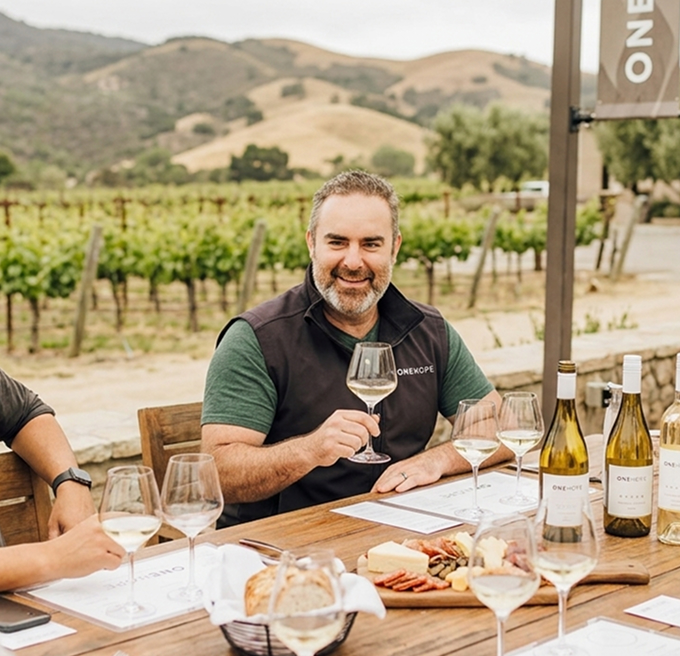
That awareness shaped how we think about stewardship at ONEHOPE and Estate 8. It is my baby. We never wanted to feel like we were borrowing the valley. We wanted to feel responsible to a longer line of caretakers. History changes how you hold the land.
Where to Explore Respectfully
You do not need a checklist. A few thoughtful stops are enough.
- George C. Yount Pioneer Cemetery
Tucked just north of Yountville, honoring the man who planted Napa’s first vines. - Tulocay Cemetery
A park-like nineteenth-century site with prominent families and remarkable stonework. - St. Helena Public Cemetery
Set against the foothills, with views of vineyards these pioneers once tended.
Directional cue: If you are staying in Yountville, head three minutes north on Highway 29 to find the Pioneer Cemetery quietly set back from the road.
Always stay on marked paths. Treat these places as active memorials, not attractions.

How to Plan a Thoughtful Day
Pair history with stillness.
- Sunrise
Walk a historic site as the fog lifts. - Late morning
Drive slowly through an older vineyard district like Oakville or Rutherford. - Lunch
Choose a place with history baked in, such as Bistro Jeanty or Oakville Grocery. - Afternoon
Visit a multi-generational family estate to see history still at work.
This kind of day rewards listening more than scheduling.