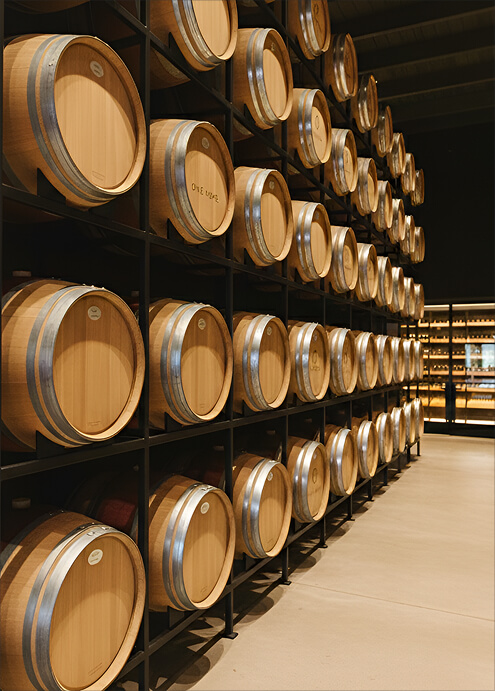
While the world sees Napa Valley through the lens of modern luxury, there is an older, tactile world humming beneath the surface. It is a world of iron, oak, and stone where the heritage crafts that built this valley are still practiced with a quiet, stubborn precision.
If you love the grit of a blacksmith’s forge or the geometry of a cooper’s barrel, Napa offers a rare look at the trades that turn agriculture into art. From the lift of the morning fog over a hand-stacked stone wall to the rhythmic sound of a hammer in a quiet cellar, this is where lived-in history meets modern craftsmanship.
The Trades That Shape the Valley
In Napa, heritage crafts are not museum pieces; they are functional necessities.
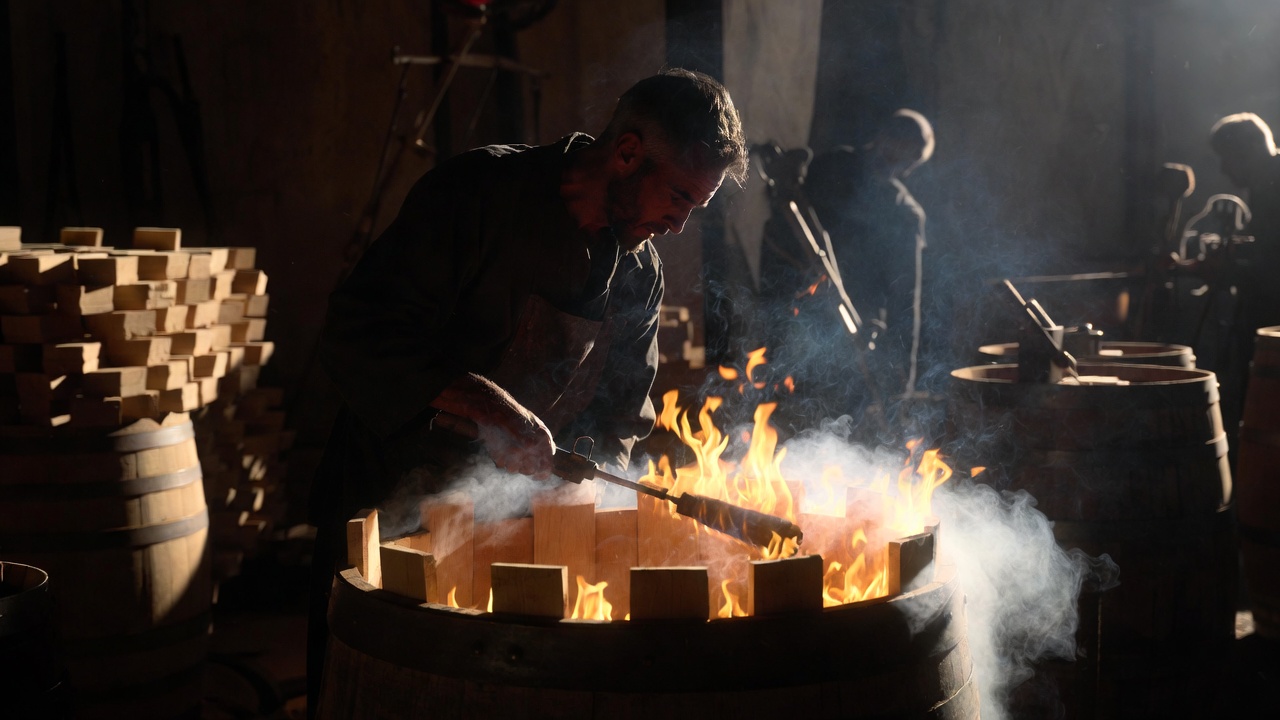
- The Cooper’s Art: The barrel is a wine’s second home. Watching a cooper toast a barrel over an open flame is a lesson in sensory engineering balancing heat and wood to influence flavor.
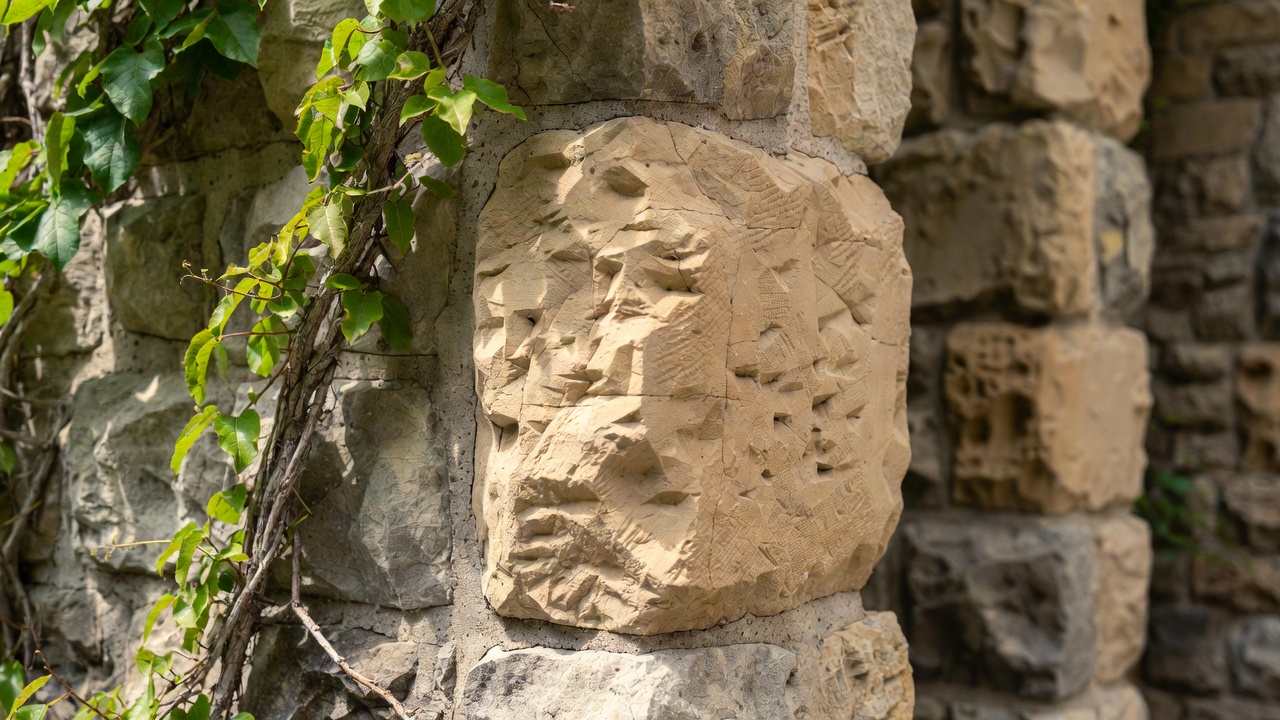
- Stone Masonry: The valley is defined by dry-stack stone walls and hand-carved caves. These structures have stood for over a hundred years because the original masons understood the weight and movement of the earth.
- Blacksmithing and Tooling: From vineyard shears to the iron gates of historic estates, the tradition of working metal to withstand the elements is a foundational Napa skill.
Where to Find the Makers: Geographic Anchors
St. Helena: The Stone Cathedral Drive north on Highway 29 into St. Helena and pay attention to the masonry. The Culinary Institute of America at Greystone is essentially a monument to 19th-century stonework. Walking these halls, you can still see the chisel marks of the artisans who hand-carved the massive blocks of local tufa stone.
Calistoga: The Industrial Roots At the northern end of the valley, Calistoga preserves a more rugged version of Napa’s history. Look for the ironwork and historic rail structures near the old depot that signal the town’s past as a hub for both travel and trade.
A Short Personal Micro-Story
I remember watching a master cooper work on a reserve barrel for a special lot at Estate 8. He didn’t use a single nail or a drop of glue. It was just a series of oak staves held together by the tension of steel hoops and the swelling of the wood itself. He tapped the hoops with a hammer, listening for a specific pitch. He told me, “The wood tells you when it’s tight; you just have to know how to listen.” It was a reminder that in this valley, we aren’t just making wine; we are honoring a lineage of human touch.
Heritage Craft Study Stops
- Schramsberg Vineyards (Calistoga): For some of the most historic, hand-dug caves in the country.
- Seguin Moreau Cooperage (Napa): One of the few places where you can see the scale and precision of modern and traditional barrel making.
- Beringer Caves: A masterclass in 19th-century Old World cellar construction.
- Napa Valley Museum (Yountville): For rotating exhibits on the local history of agriculture and the tools of the trade.


Integration of Estate 8 & ONEHOPE
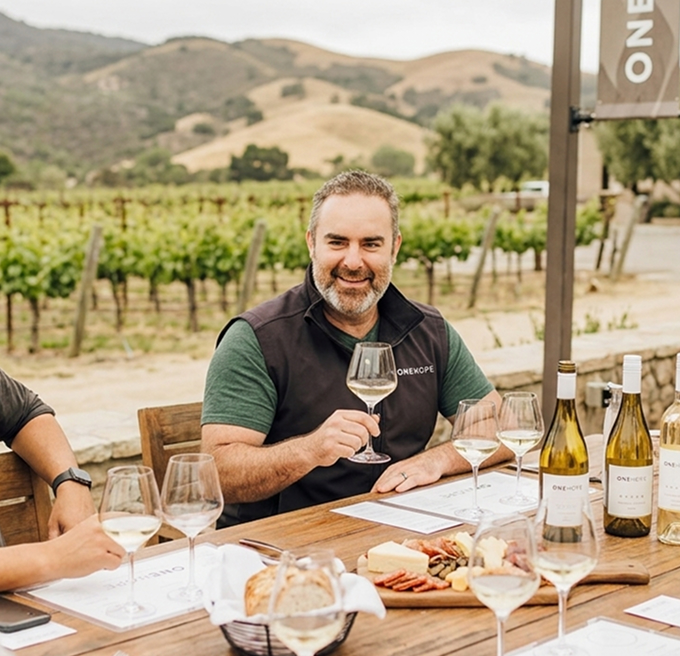
When we built the winery at ONEHOPE, we made a conscious choice to incorporate materials that reflected these heritage skills. I am admittedly a little biased it is my baby and my purpose but I think the way we’ve integrated stone and wood at Estate 8 honors the masons and coopers who made this valley famous long before we arrived. Our barrel room isn’t just for storage; it’s a tribute to the craftsmanship of the wood.