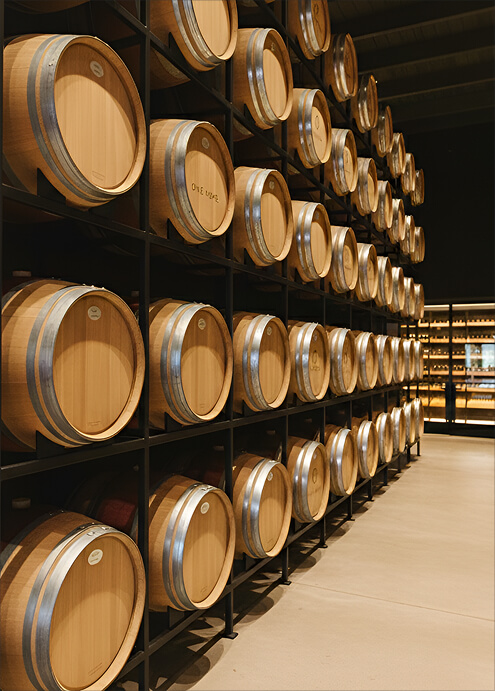
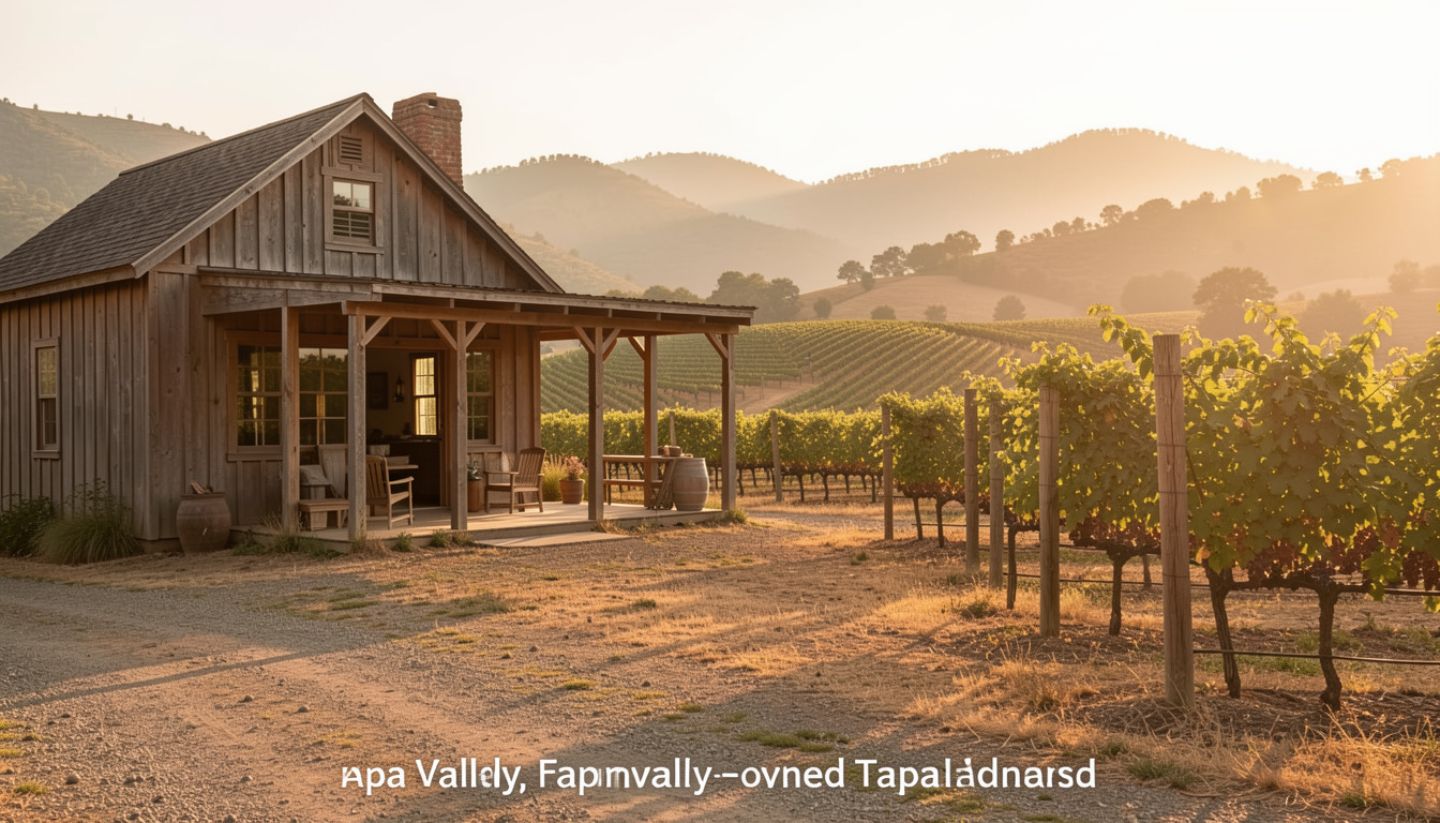
Family-owned wineries are the quiet backbone of Napa Valley. They are the places where the parking lot is small, the tasting room feels lived in, and the stories stretch back generations. You notice it right away. Someone remembers your name. The wine feels personal. The land feels spoken for, not borrowed.
If you love family-owned wineries, Napa offers a version of itself that many visitors miss. One rooted less in spectacle and more in stewardship. These are places shaped by long decisions rather than quick wins, where hospitality feels like an extension of family life instead of a performance.
What This Experience Is Really About
Choosing family-owned wineries is about trust and lineage.
You are stepping into places where decisions are made with decades in mind. Vineyards are farmed for inheritance, not exit strategies. Tastings feel closer to kitchen tables than showrooms.
Family ownership tends to show up as:
- Personal connection with the people who know the vines by row
- Stewardship rooted in soil health and long memories
- Continuity where style evolves quietly without chasing trends
- Unforced hospitality that feels welcoming, not staged
You are not just tasting wine. You are being invited into a lineage.
When It Is Best
Family wineries shine when the valley slows down.
- Midweek
Owners and longtime team members are more likely to be on property and unhurried. - Late winter and early spring
The quiet season brings longer conversations in cellars and barrel rooms. - Post-harvest fall
After October, energy softens and the real stories of the vintage surface.
These are the moments when family voices come through most clearly.
What Most Visitors Miss
Many visitors assume family-owned means old fashioned. In reality, some of Napa’s most thoughtful and technical wines come from families who evolve while staying rooted.
What people often miss is how influential these families still are. They farm key benchlands. They protect historic parcels from development. They set standards quietly and consistently.
Family ownership in Napa is not nostalgia. It is continuity.
My Local Notes
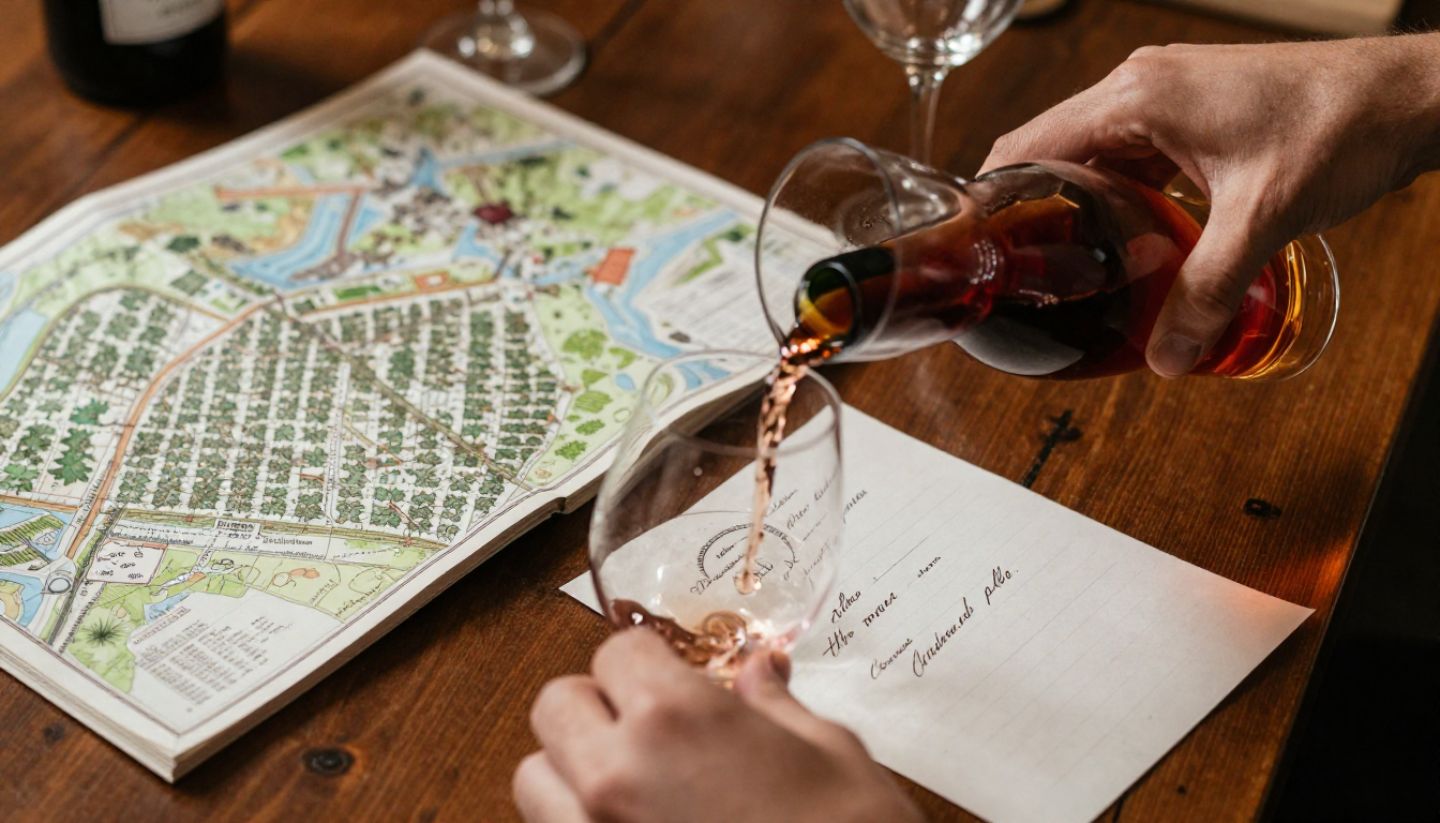
Some of the most meaningful wine conversations I have ever had happened at kitchen tables, not marble tasting bars. There are fewer scripts and more genuine pauses. Wine gets poured with context instead of commentary.
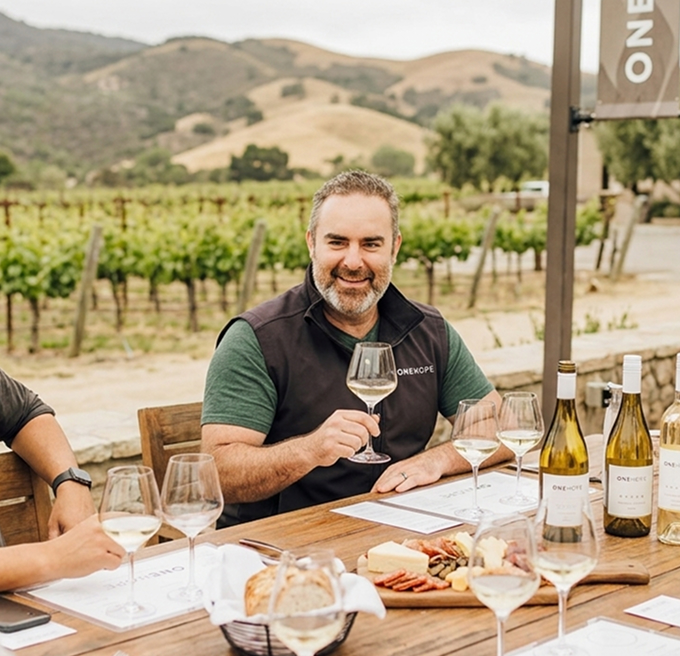
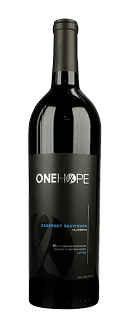
Those experiences shaped how I think about hospitality at ONEHOPE and Estate 8. It is my baby. I wanted our spaces to feel grounded and personal, built for conversation and return visits rather than turnover. Consistency, to me, is the highest form of care.
Where Family-Owned Wineries Thrive
Family estates are spread throughout the valley, but certain areas stand out.
- Rutherford
Generational benchland farms with long memories and classic Cabernet styles. - Oakville
Smaller holdings tucked among famous neighbors, often quietly influential. - St. Helena outskirts
Where vineyards meet homes and the line between work and life blurs. - Hillside appellations
Properties on Spring Mountain or Howell Mountain held by families who chose patience over expansion.
These places reward travelers who value story over scale.
How to Plan a Family-Focused Napa Day
Keep the itinerary light and respectful.
- Choose one or two family-owned wineries
- Allow time for vineyard walks or seated tastings
- Ask about farming decisions and history
- Avoid stacking appointments
- Leave room for conversation
Family wineries are not meant to be rushed.
What to Listen For
When you visit family-owned estates, listen closely.
- Decisions described across generations
- References to specific blocks or rows
- Stories tied to weather years, not market cycles
- Pride balanced with restraint
Those are signals you are in the right place.
Small Histories
Before Napa became appointment driven, nearly every winery here was family run. Homes sat beside vineyards. Children grew up in cellars. Harvests were community events.
Many of those families are still here. Visiting them keeps that lineage alive.