In Napa Valley, cooking is never separate from the land. It begins at the market, continues through the vineyard edges of the Rutherford benchlands, and ends around a table that invites lingering. For travelers who would rather chop, taste, and learn than simply order from a menu, Napa offers something rare. Culinary experiences that feel lived in, seasonal, and deeply local.
What This Experience Is Really About
Cooking in Napa is about context. Ingredients come with stories. Techniques come with reasons. A tomato tastes different when you have seen the soil it came from. A sauce makes more sense when you understand the climate that shaped the wine beside it.
These workshops are less about recipes and more about learning how Napa eats. Simply. Seasonally. With intention.
When It Is Best
Midweek
allows instructors to slow down and teach without weekend pressure.
Spring and fall
bring the widest range of produce and comfortable kitchen temperatures.
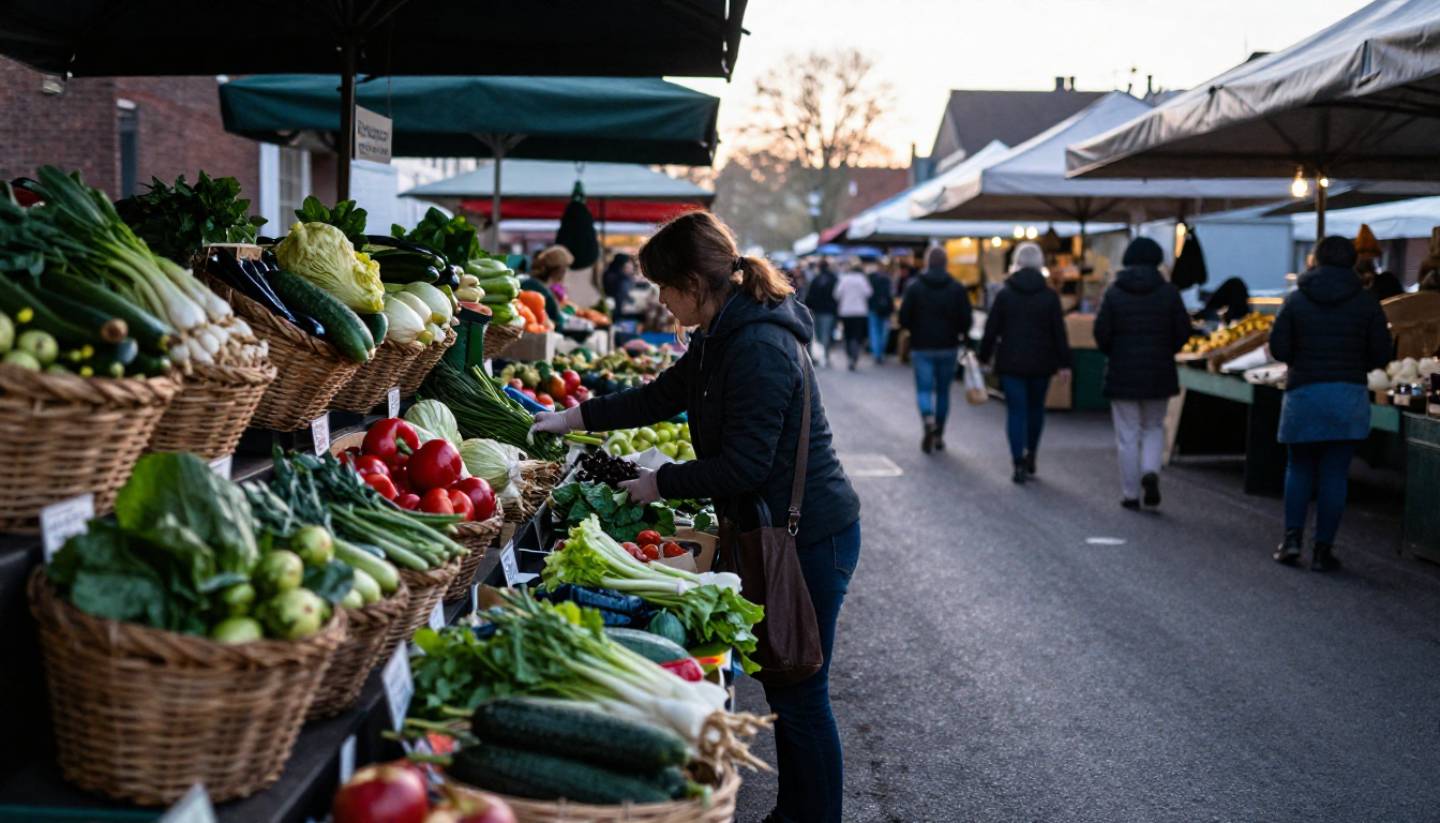
Morning market sessions
connect cooking directly to what is being harvested that day.
Winter
shifts focus to technique, preservation, fermentation, and comfort cooking.
What Most Visitors Miss
Many visitors chase restaurant reservations without realizing how much Napa reveals itself in the kitchen. Cooking classes offer direct access to chefs and farmers who talk openly about sourcing, balance, and restraint.
You leave with more than a meal. You leave understanding why the valley tastes the way it does.
My Local Notes
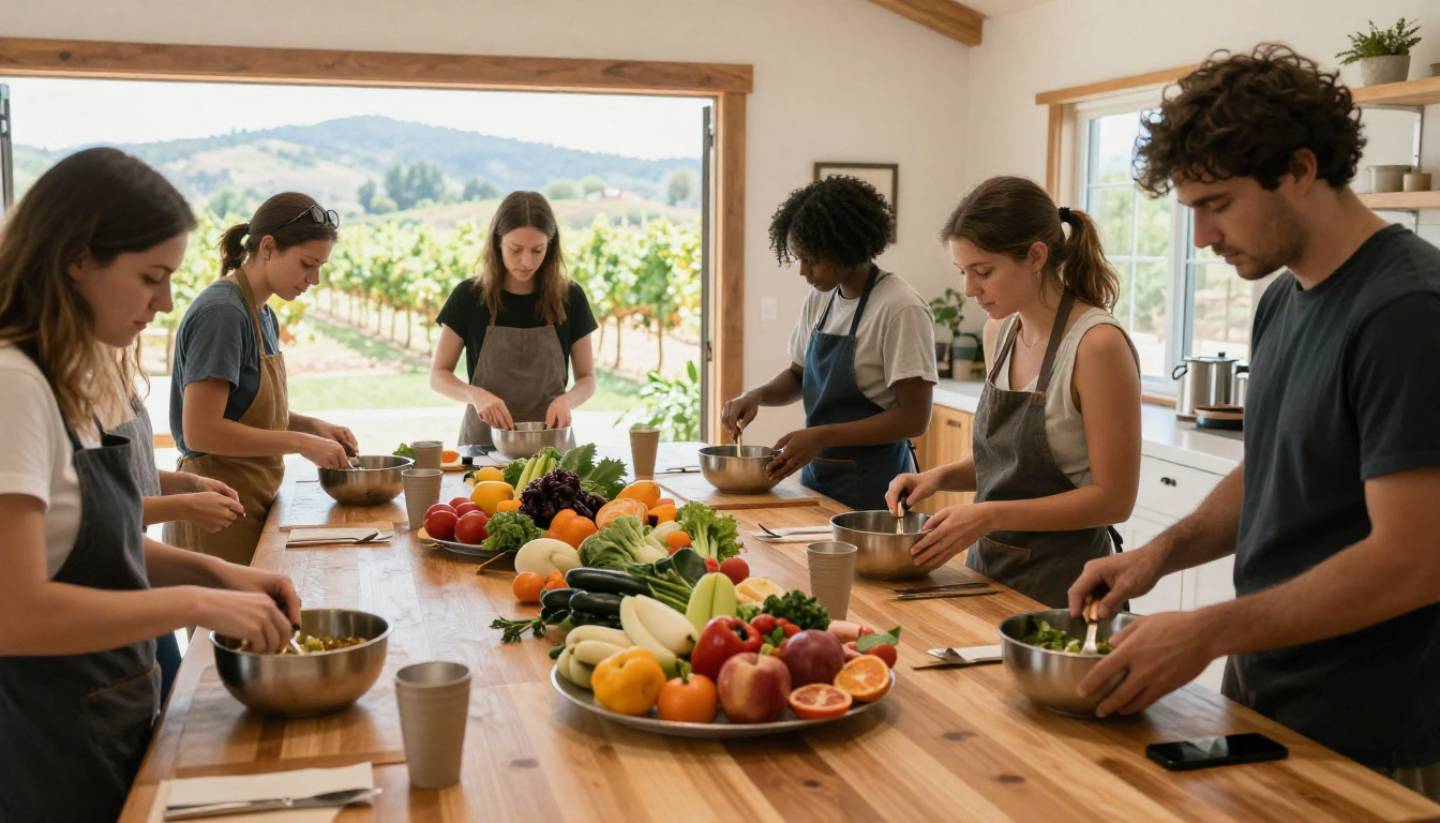
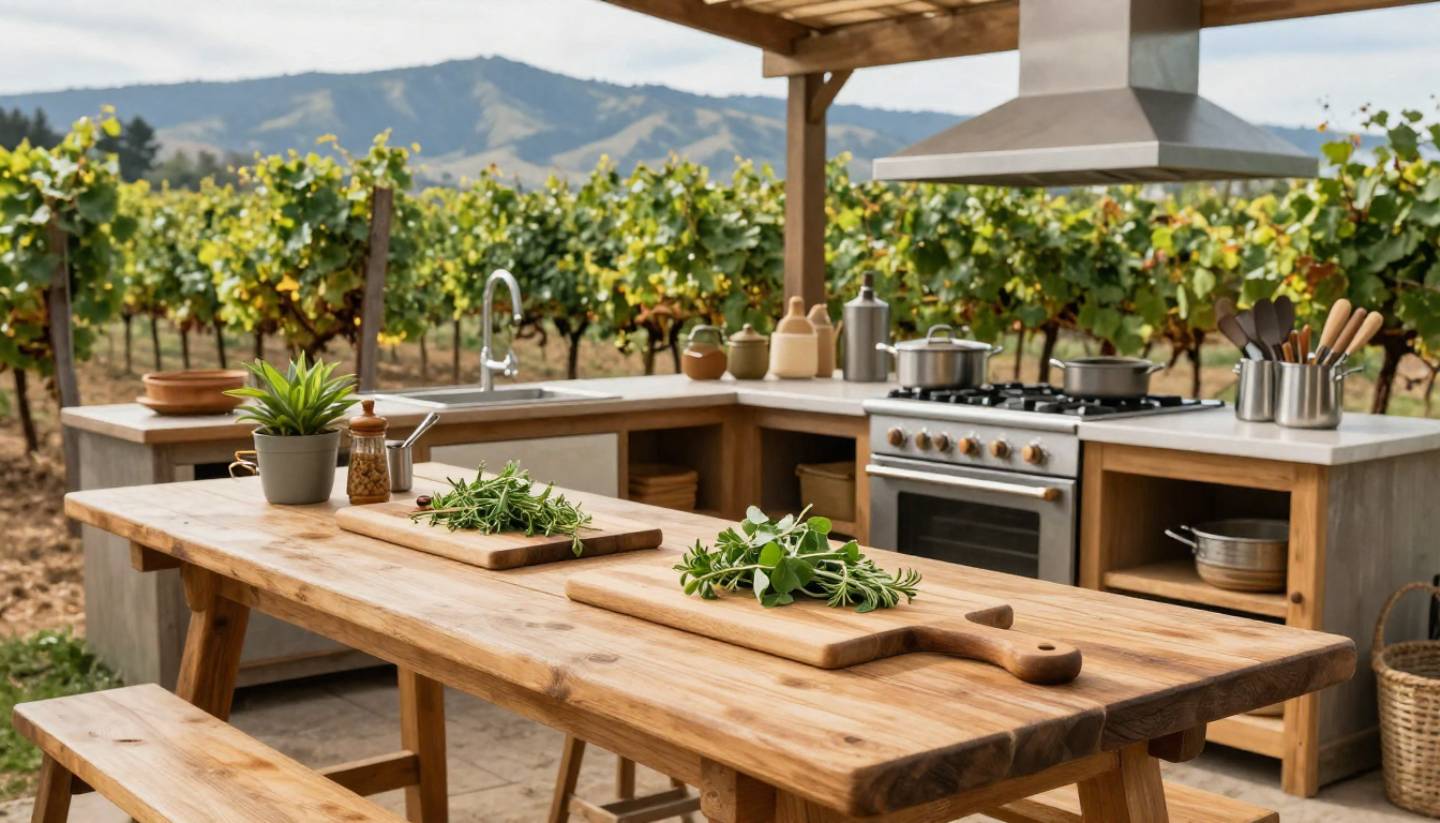
Some of the best meals I have had here were ones I helped prep. I remember a small class that started at a farm stand near Zinfandel Lane. The menu changed based on what looked best that morning. We spent the afternoon cooking in a quiet kitchen with vineyard views and no script to follow.
That kind of experience stays with you. The memory becomes the souvenir.
What to Look For in a Napa Culinary Workshop
Small group sizes that allow questions and flexibility.
Menus that change with the season rather than staying fixed year round.
Clear geographic anchors that place you near farms, vineyards, or town centers.
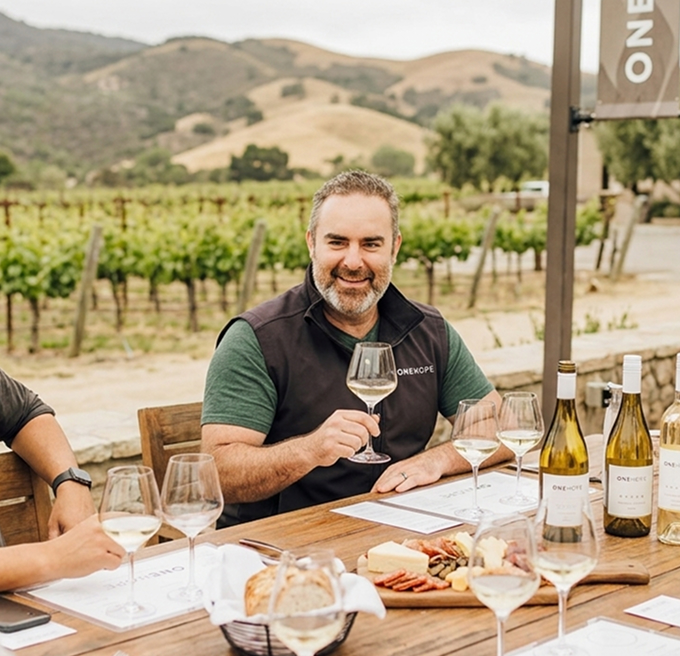
Wine integration that explains why pairings work, not just what is poured.
Instructors who teach how to think, not just what to do.
Types of Culinary Experiences to Seek Out
Market to table workshops
that begin at places like Oxbow Public Market and build the menu in real time.
Vineyard kitchens
where you can cook while looking out toward the Mayacamas.
Technique focused classes
covering pasta, sauces, or open fire cooking.
Wine and food pairing sessions
that show how to build a menu around a single varietal.
Where to Stay When Cooking Is the Focus
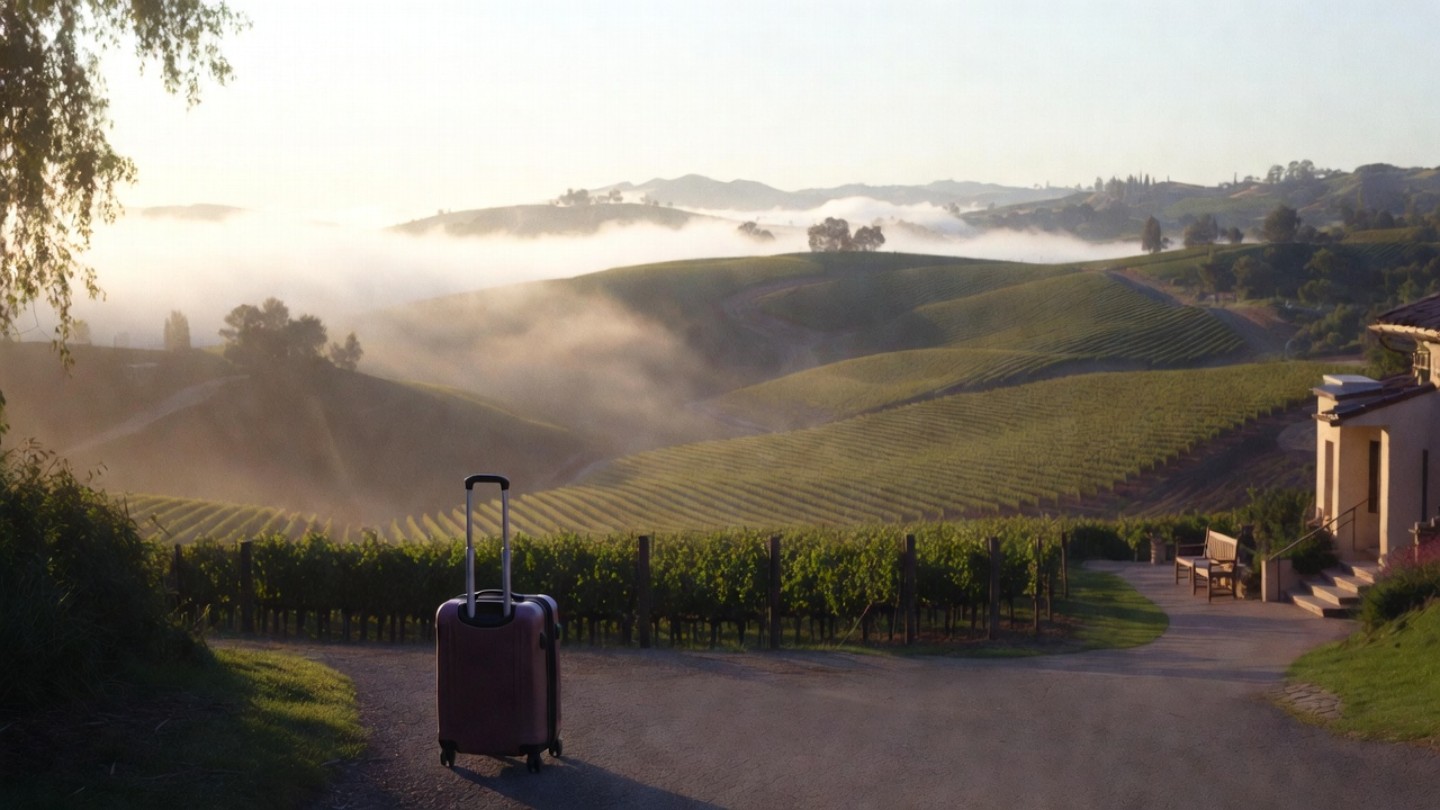
Choose lodging that makes early mornings easy and long afternoons comfortable. Boutique inns in St. Helena, Yountville, or along quieter corridors work well when your day starts at a market and ends with a shared meal.
A Gentle Personal Note
I will admit a little bias here. Estate 8 was shaped around the same philosophy that makes these workshops meaningful. Respect for ingredients. Space to slow down. Hospitality that feels personal rather than polished. Cooking and wine have always lived side by side here. Learning them together is how the valley makes sense to me.
Small Histories
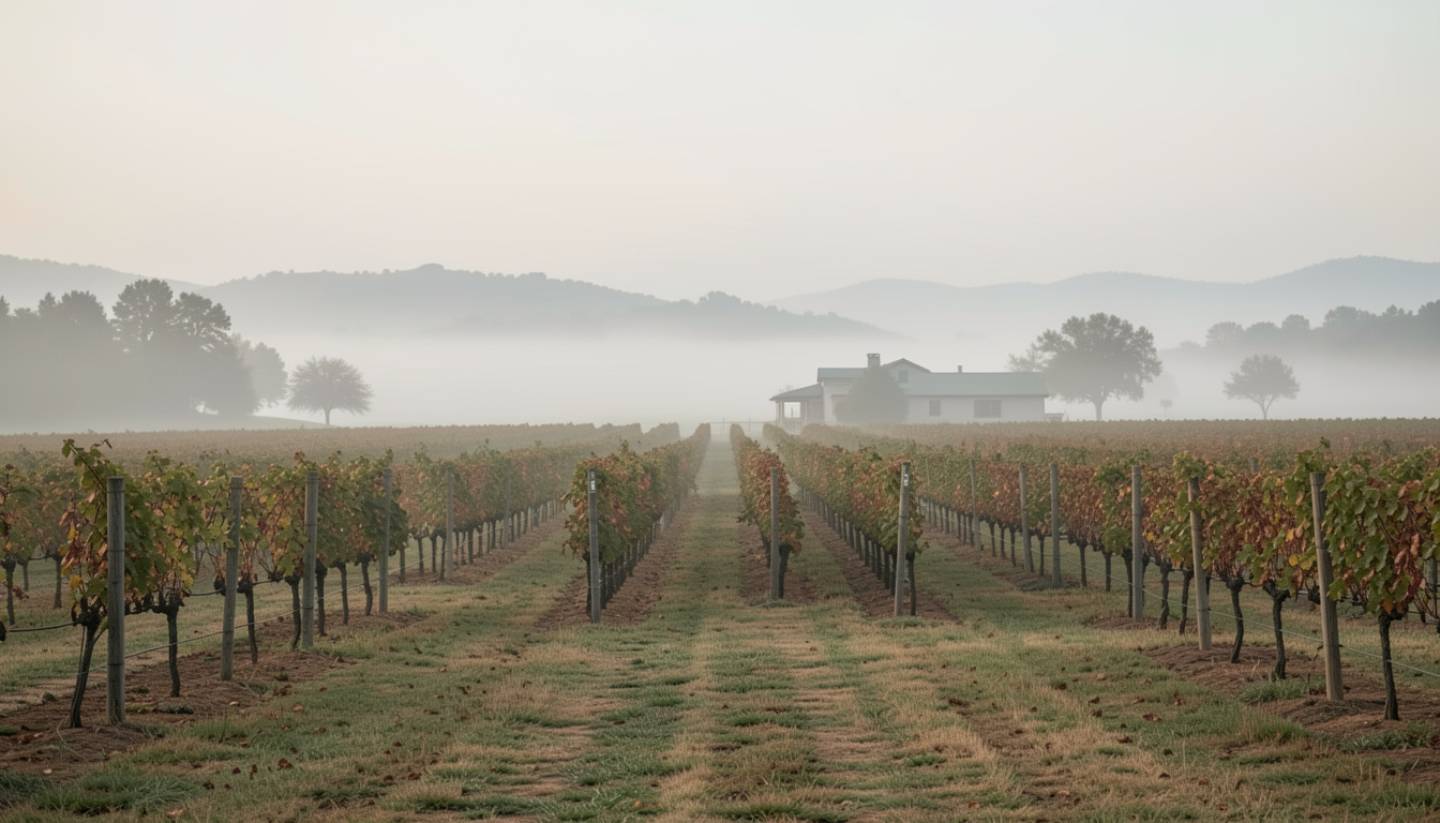
Before Napa became a destination, it was an agricultural valley where cooking followed the harvest. Families preserved what they grew. Meals reflected seasons, not trends. Today’s culinary workshops are simply a continuation of that tradition.