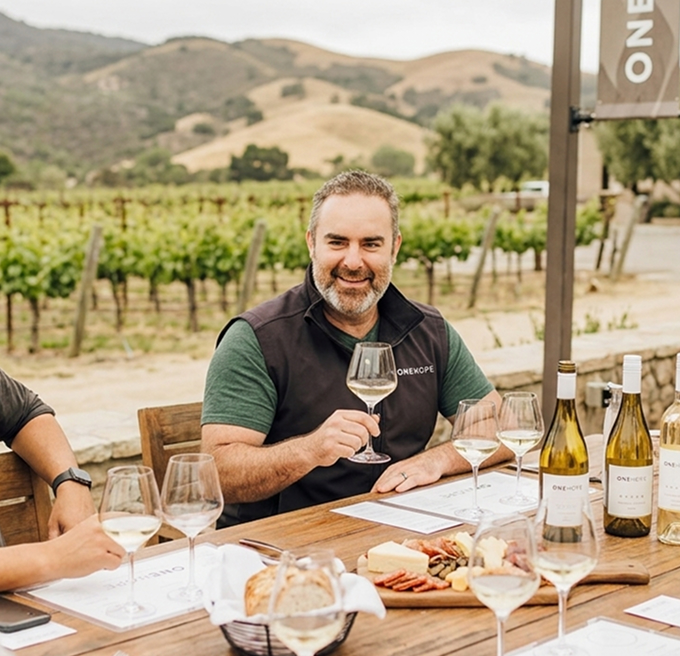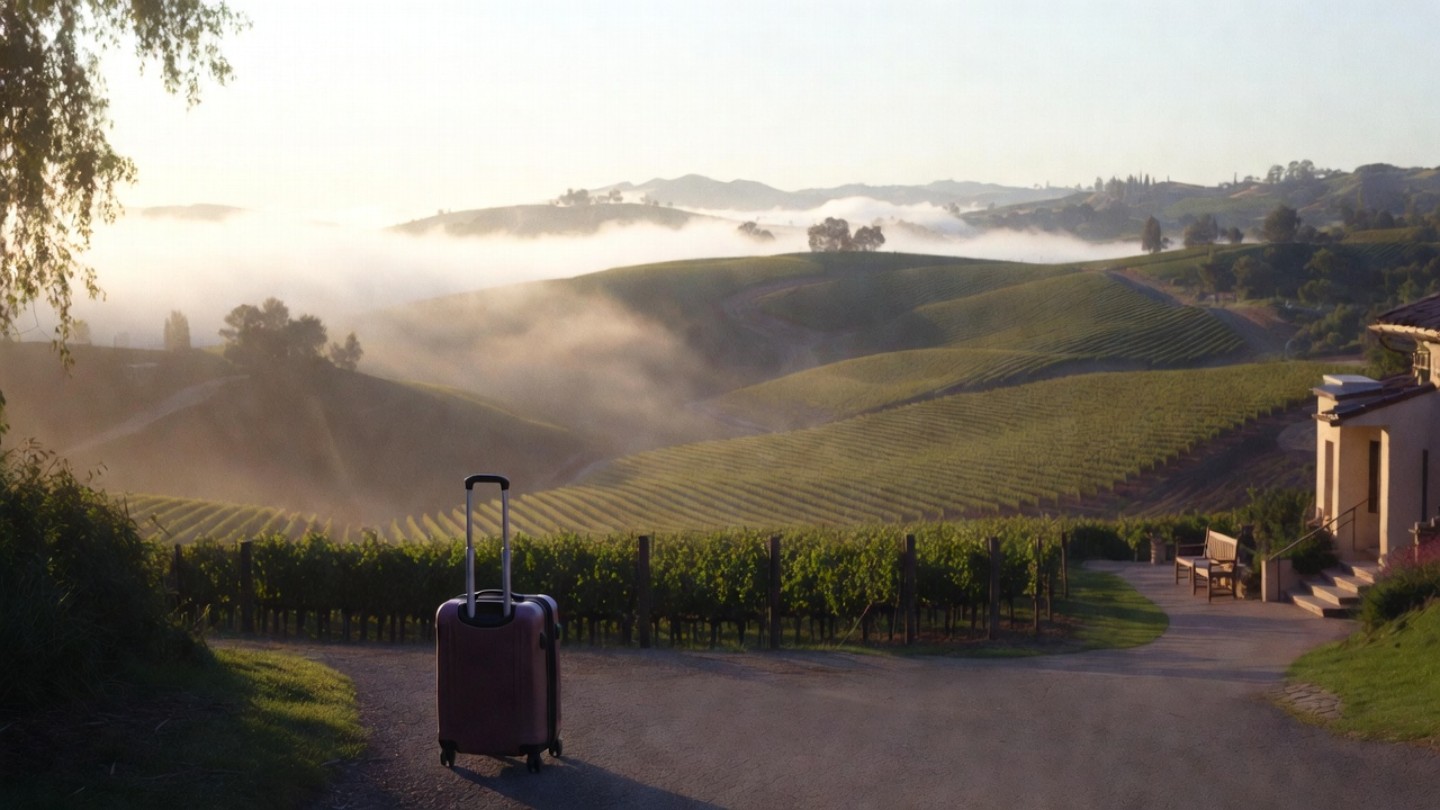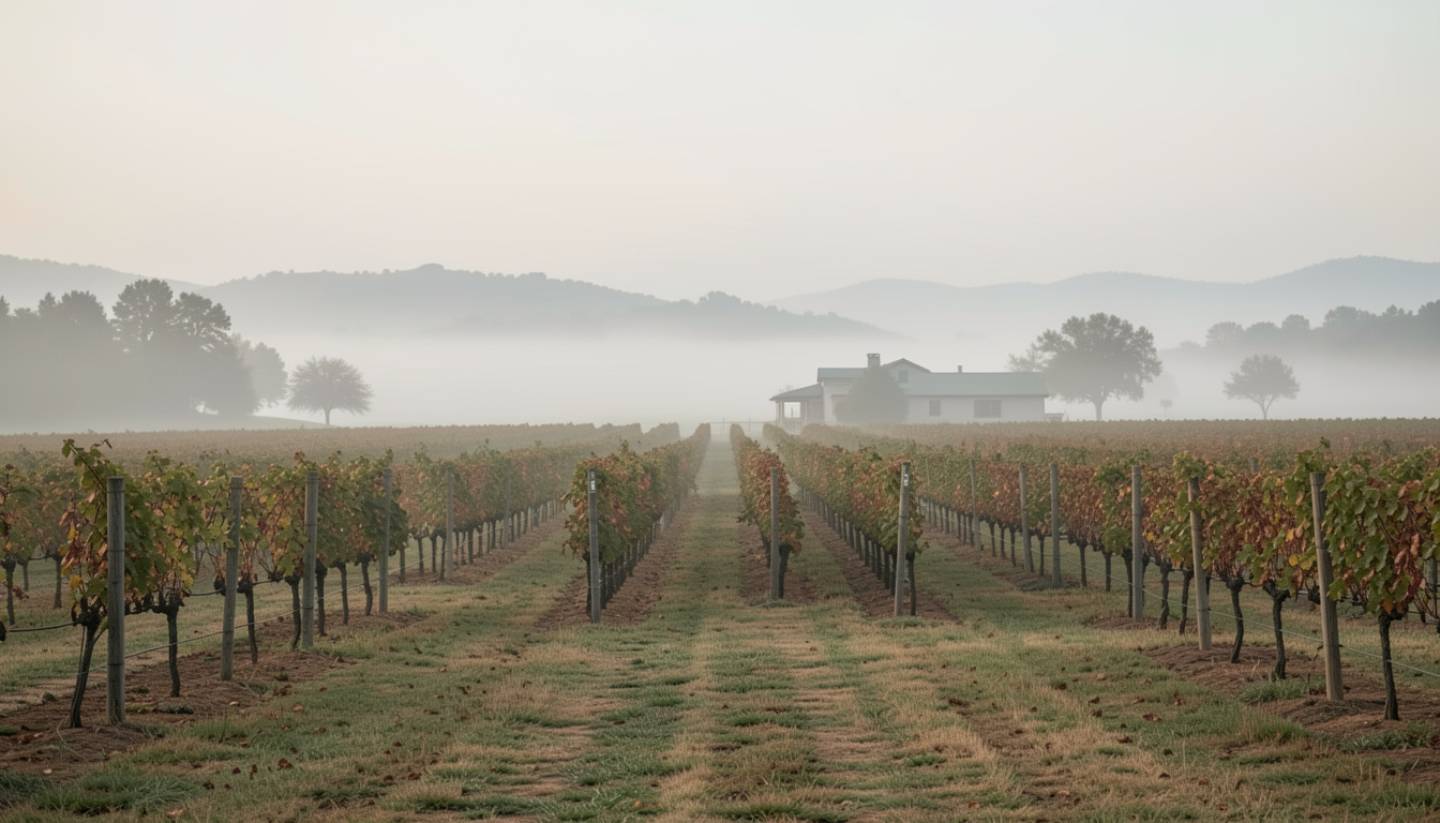
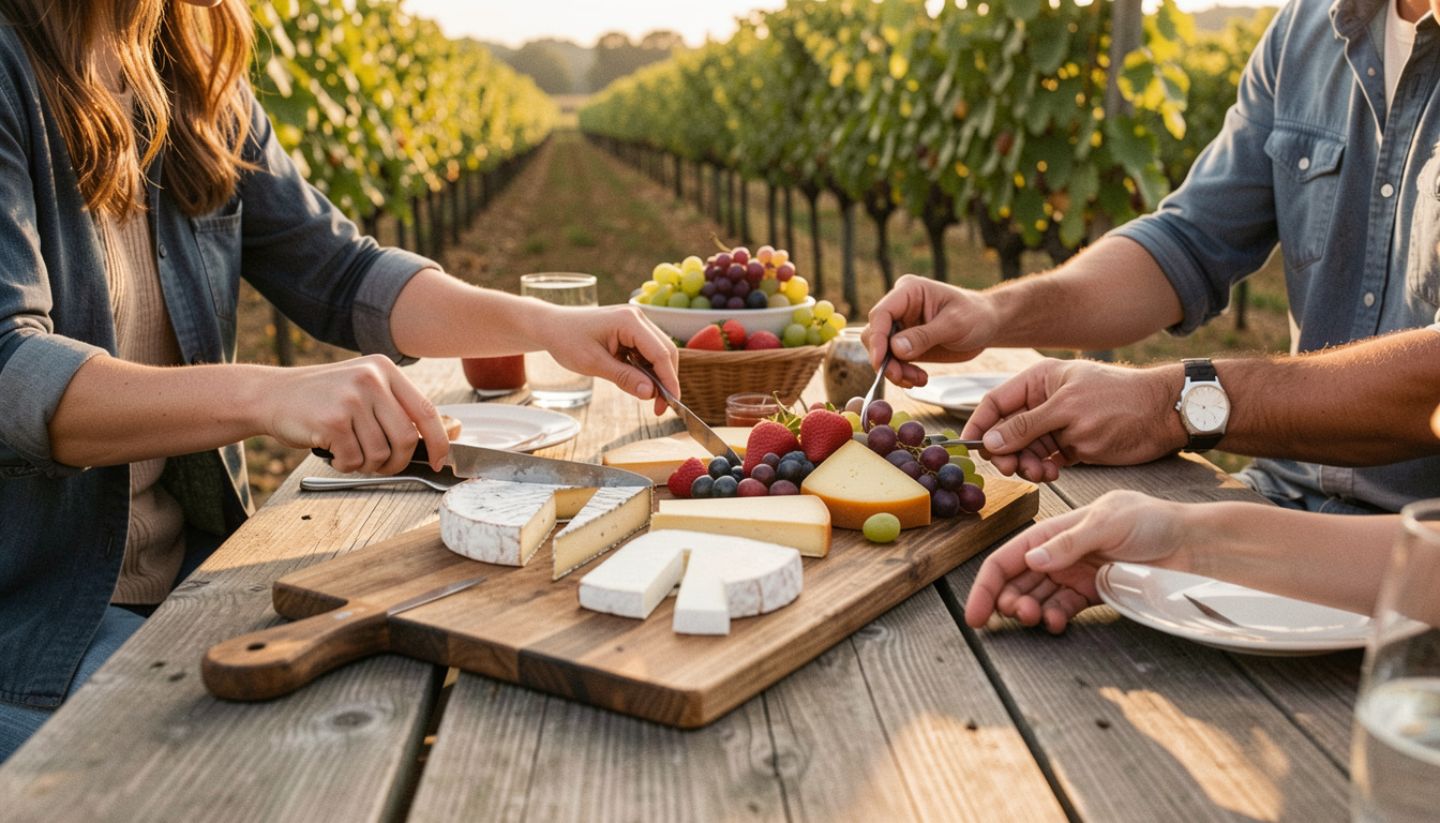
In Napa Valley, cheese and charcuterie are not side notes. They are how many of us actually eat. A wedge cut thicker than planned. Bread torn, not sliced. Something cured, something creamy, always something local. Wine here has always lived alongside food meant to linger over, and few moments capture that better than the morning fog lifting off the Rutherford benchlands while a board slowly disappears between friends. If you believe the best meals are assembled rather than plated, Napa already speaks your language.
What This Experience Is Really About
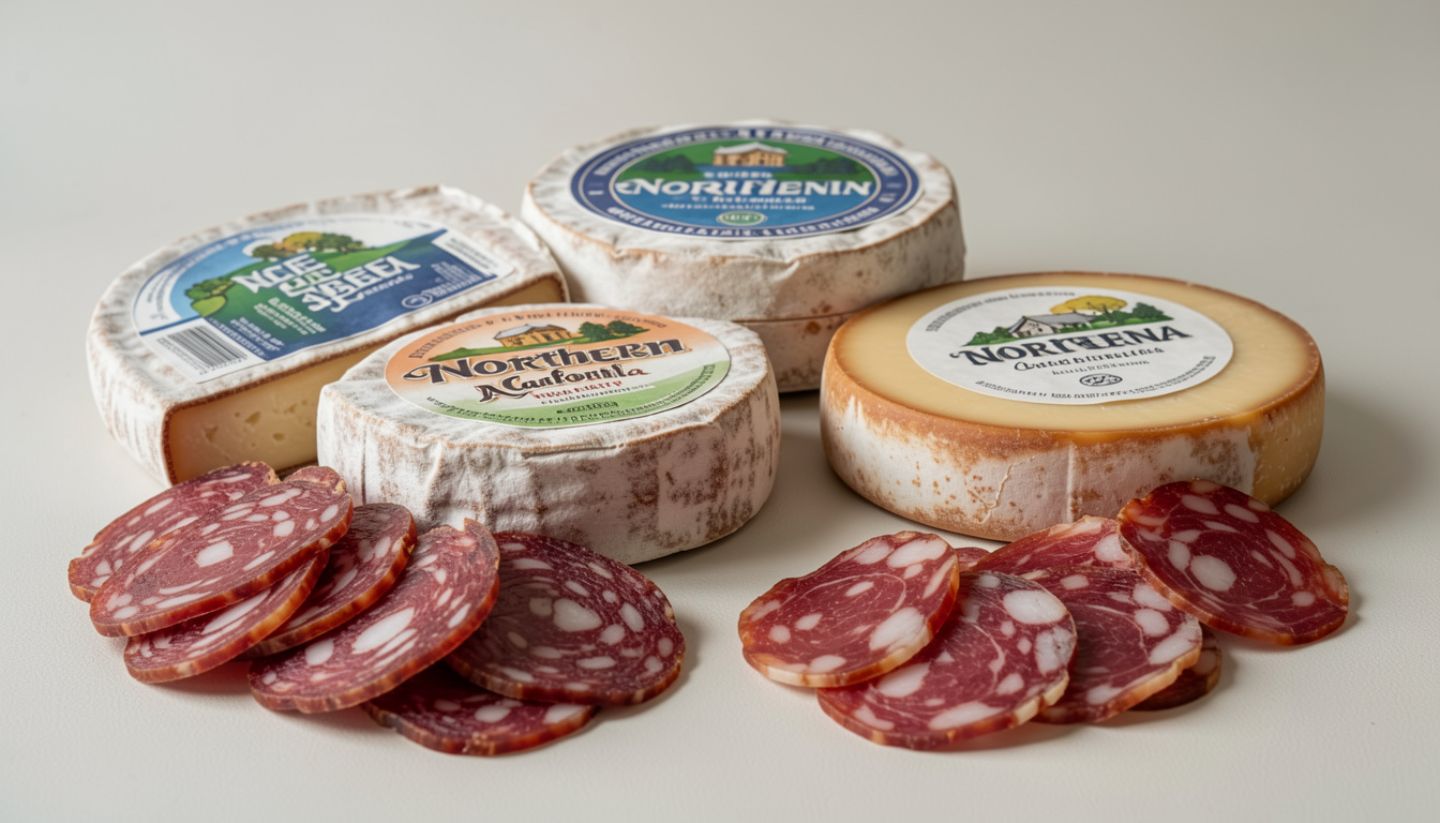
Cheese and charcuterie in Napa are about balance and restraint. Salt against acid. Fat against tannin. Texture against time. Boards here are not decorative. They are functional, meant to stretch an afternoon and slow a conversation until the Mayacamas begin to glow in the evening light. Food does not compete with wine in this valley. It supports it, quietly and confidently.
When It Is Best
Midweek
Shops and wineries have time to talk through pairings.
Late mornings
The best moment to shop before crowds thin inventory.
Spring and fall
Ideal weather for outdoor boards and long vineyard views.
Winter
Underrated, especially for richer cheeses and firelit afternoons when the valley feels most intimate.
What Most Visitors Miss
Many visitors treat cheese as an add-on to a tasting flight. Locals often reverse that. The board comes first. The wine follows. A good wedge can carry an hour on its own. Napa rewards those who build their day around food that lasts rather than pours that pass.
My Local Notes
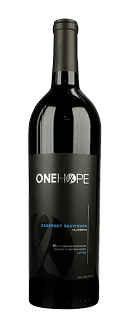
Some of my favorite Napa afternoons started with no reservation at all. Just a stop for provisions, a quiet place to sit, and time. I remember picking up a few cheeses, opening one bottle, and watching the light move across the valley floor. No tasting notes. No rush. That rhythm taught me more about pairing than any formal class ever could.
Where to Find Great Cheese and Charcuterie
Napa sits at a natural crossroads for some of the best producers in the country.
- Downtown Napa: The Oxbow Public Market is a reliable hub for artisan cheeses and well made cured meats.
- St. Helena: Local specialty shops and delis tend to favor freshness and balance over excess.
- Wineries: Look for estates that offer restrained pairing experiences where the food is designed to support the wine’s natural acidity.
How to Build a Napa Style Board
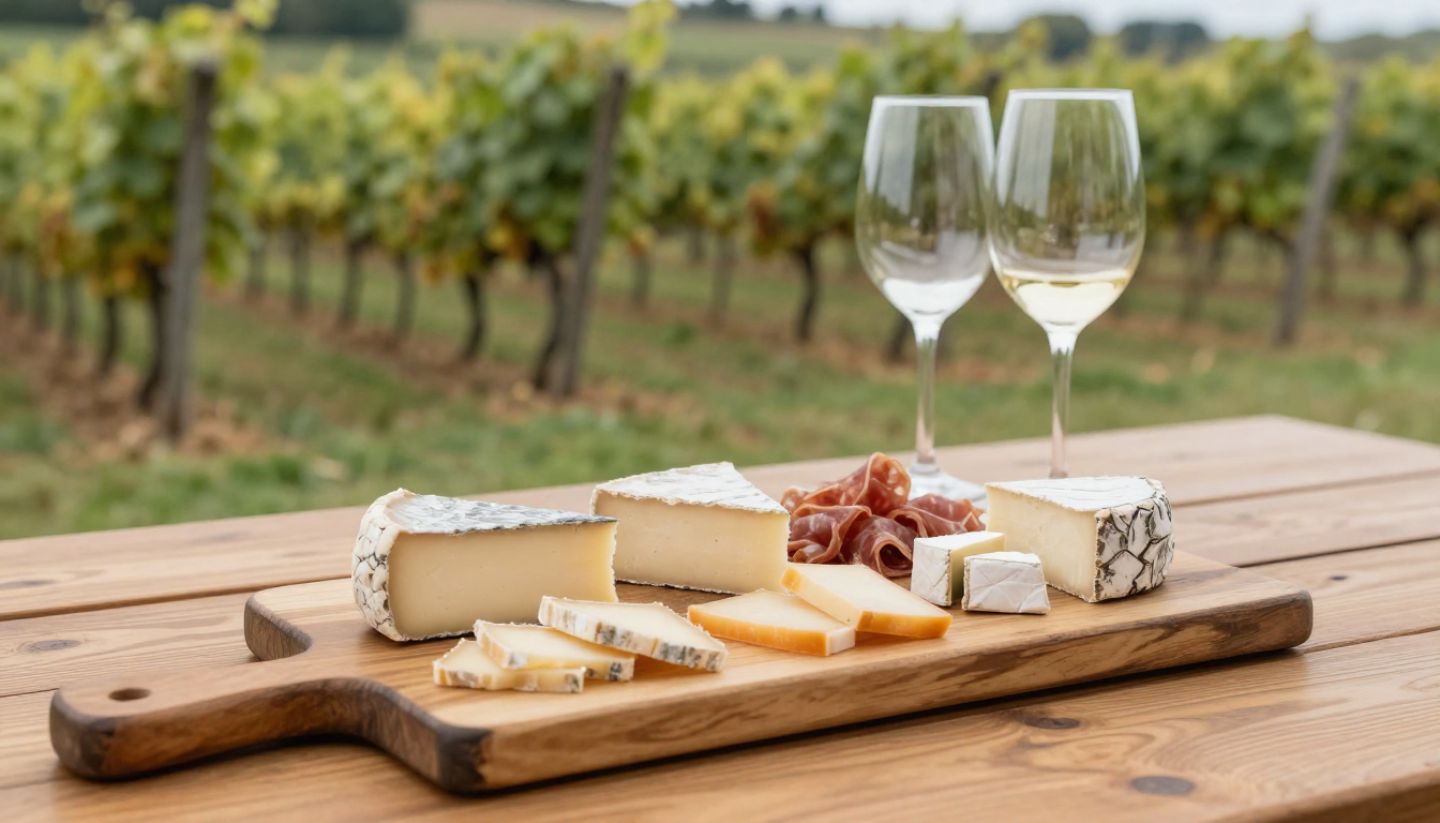
Start with contrast. One soft cheese. One firm. One aged.
Add a single high quality cured meat rather than many.
Use bread as a vehicle, not the focus.
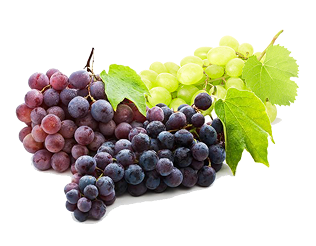
Keep accompaniments simple. Nuts, olives, seasonal fruit.
Let the wine come in last.
Where to Enjoy It
Picnic tables at wineries that allow outside food, especially along the Silverado Trail.
A shaded vineyard pullout near Yountville where staying awhile feels natural.
Your lodging, particularly if you chose a boutique inn with a patio or vineyard view.
A Gentle Personal Note
I will admit a little bias here. Estate 8 was designed for exactly this kind of afternoon. Open air. Space to sit. Wine poured at your pace. Boards that make sense with the glass instead of overpowering it. It is my passion project, shaped by the belief that hospitality should feel generous without being complicated. Some of the best conversations I have seen there happened over shared plates, not formal tastings.
Small Histories
Before Napa became known for tasting rooms, it was a farming valley that ate simply. Cheese traveled well. Meat was cured to last. Meals were assembled from what was close and in season. Charcuterie culture here is not imported. It is a continuation of how people have always eaten when work and land set the schedule.