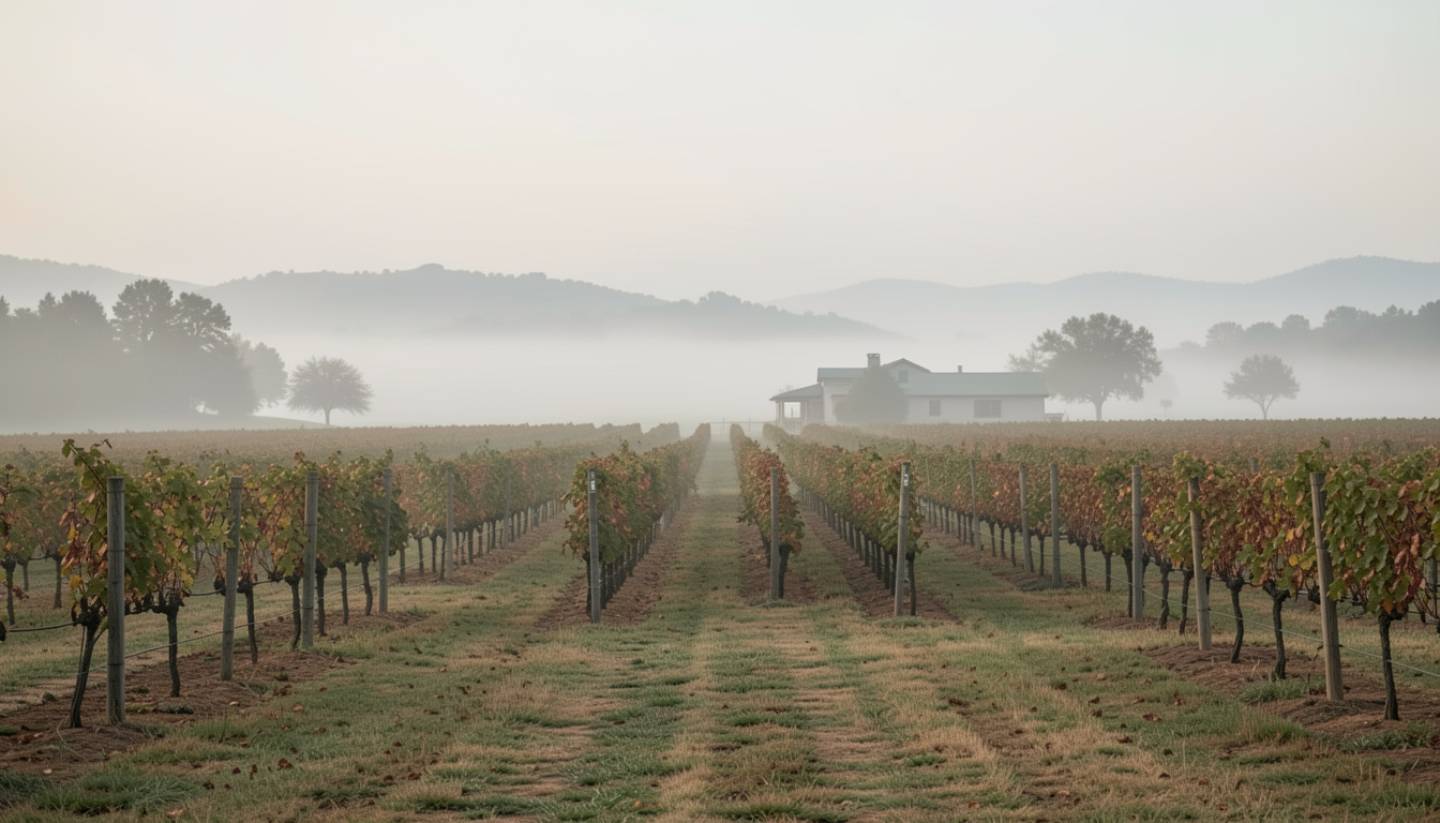
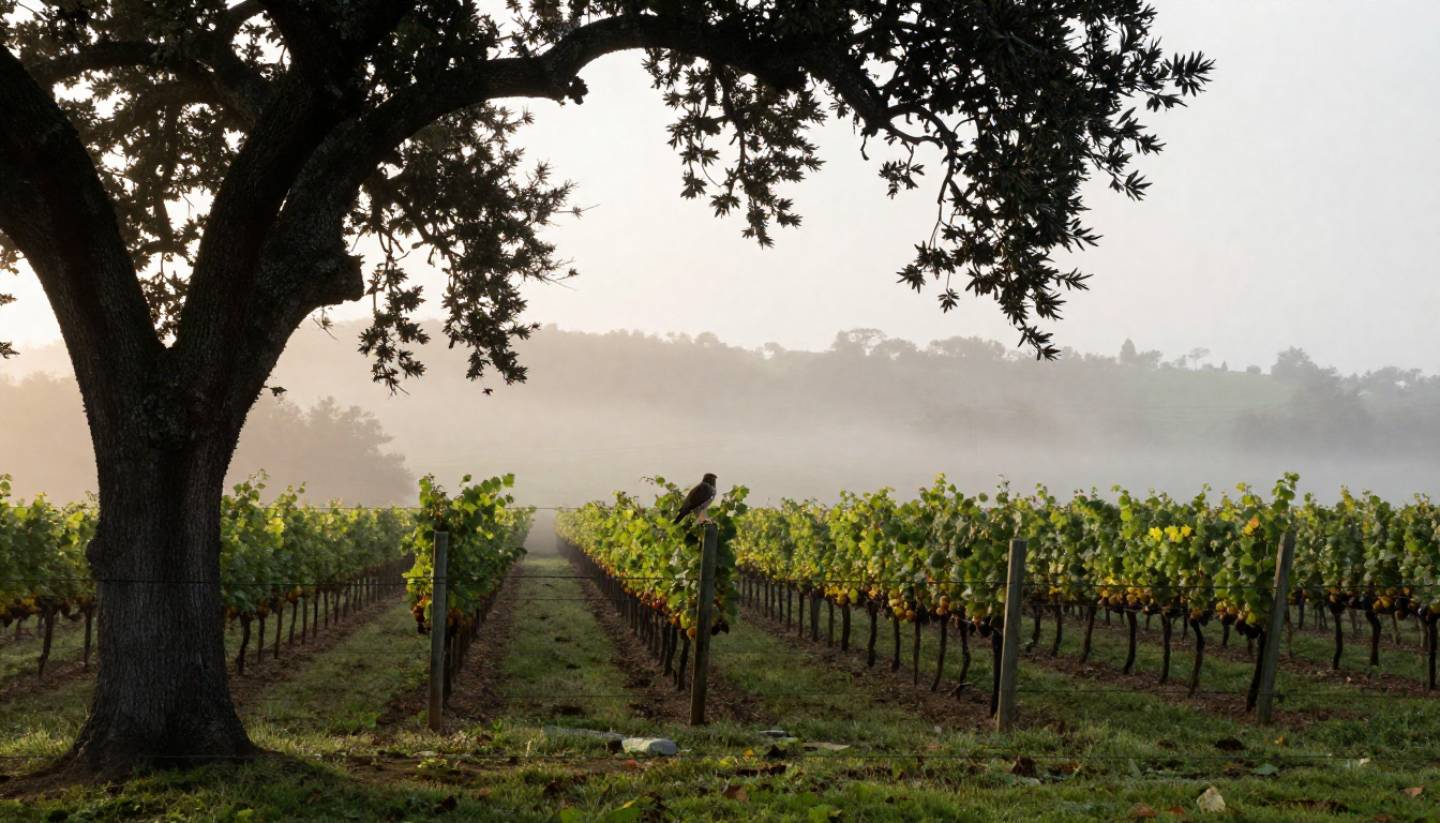
Before the tasting rooms open and the valley warms, Napa belongs to wings and footsteps. Meadowlarks call from vineyard fence posts. Red tailed hawks circle above the Rutherford benchlands. The fog lifts slowly, revealing oak woodlands and narrow creeks that double as wildlife corridors. If you love birdwatching and long, unhurried nature walks, Napa Valley offers a quieter kind of richness, one measured in migration patterns, shifting light, and the simple act of paying attention.

What This Experience Is Really About
Birdwatching in Napa is not about counting species. It is about learning how the land behaves when no one is performing for visitors. The same balance that produces a great Cabernet also creates habitat. Vineyards end where oak trees begin. Creeks slip quietly between rows. When you walk here, you slow down enough to notice how sound carries through fog, how shadows move across the valley floor, and how life organizes itself without asking for attention.
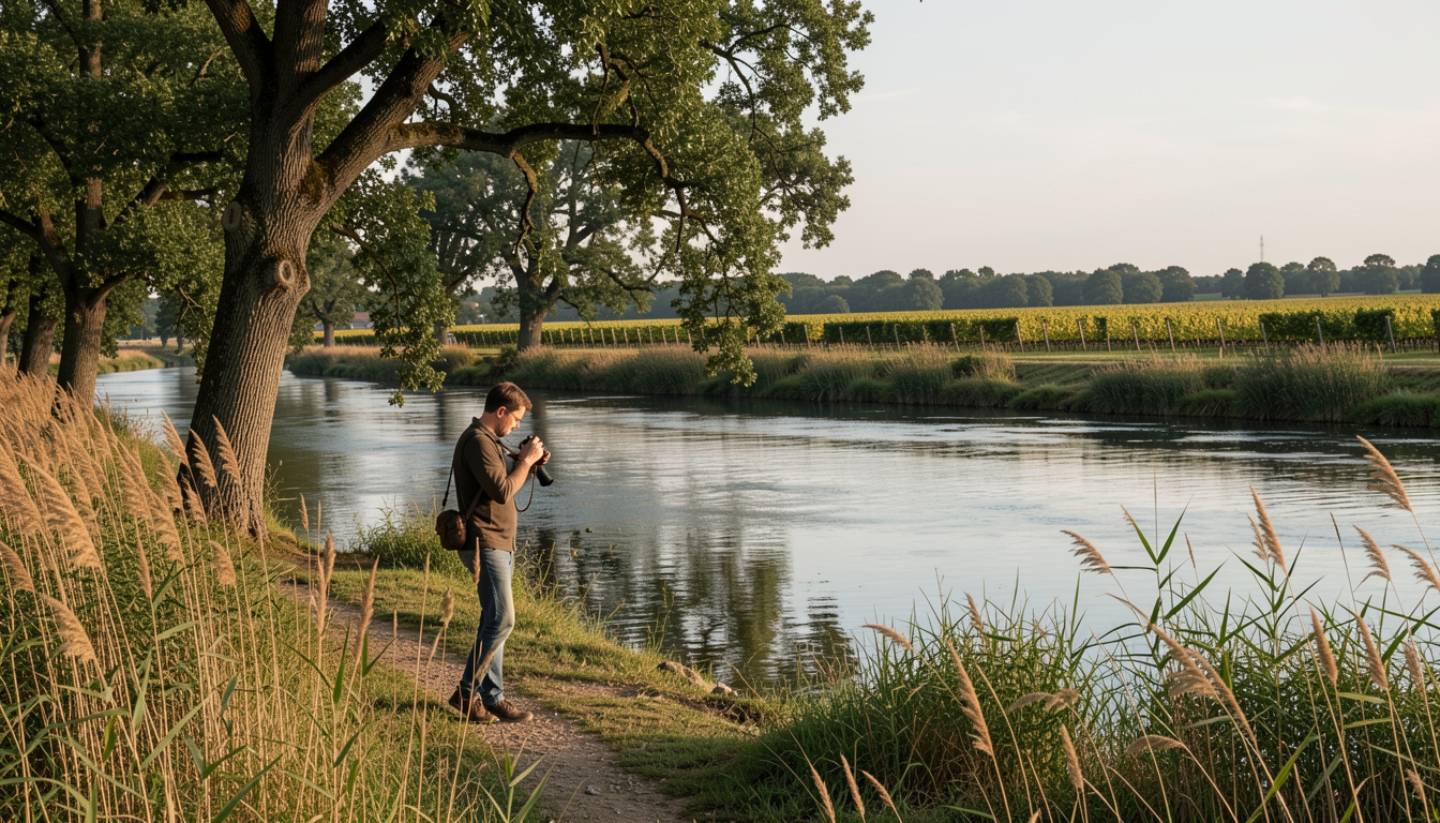
When It’s Best
Early mornings
Bird activity peaks at dawn, especially along water sources and vineyard edges.
Midweek, Tuesday through Thursday
Trails feel calm, and the slower, truer Napa allows wildlife to move undisturbed.
Spring and fall
Peak migration seasons for warblers, raptors, and waterfowl.
Winter
Bare vines and dormant oaks create excellent sightlines for hawks and owls.
What Most Visitors Miss
Many visitors associate Napa entirely with tasting rooms. They miss that the valley is stitched together by green corridors. Some of the best birdwatching happens at the edges, where vines meet oak stands or where a dirt road follows a seasonal creek toward the base of Mt St Helena. These in between places are where Napa feels most alive.
My Local Notes
Some of my most grounding mornings have nothing to do with wine. I remember standing still long enough for a great blue heron to forget I was there along a quiet stretch near the Silverado Trail. No camera, no agenda. Just the sound of wings and water. Moments like that remind you that wine may have built Napa’s name, but nature built the place.
Where Birdwatching and Nature Walks Shine
Napa River Corridor
Flat, accessible paths beginning near Downtown Napa with egrets, herons, and seasonal waterfowl.
Vineyard edge walks in Rutherford and Oakville
Watch for American kestrels and red shouldered hawks hunting along fence lines and oak pockets.
Carneros wetlands
At the southern edge of the valley where bay breezes meet open water, ideal for shorebirds and migrating geese.
Foothill trails near St Helena and Calistoga
Higher elevation oak woodlands where acorn woodpeckers, great horned owls, and even golden eagles appear.
How to Plan a Nature Focused Napa Day
- Be on the trail within thirty minutes of sunrise
- Bring binoculars and leave the headphones behind
- Choose one loop or corridor rather than stacking multiple walks
- Pair your walk with a simple breakfast or provisions stop
Let the light and bird activity decide when the day ends
Where to Stay if Nature Is the Priority
Boutique inns and vineyard adjacent lodging near the Silverado Trail or up valley in Calistoga work best. You want quiet mornings, open air, and the ability to step outside and immediately join the rhythm of the land without driving far.
A Gentle Personal Note
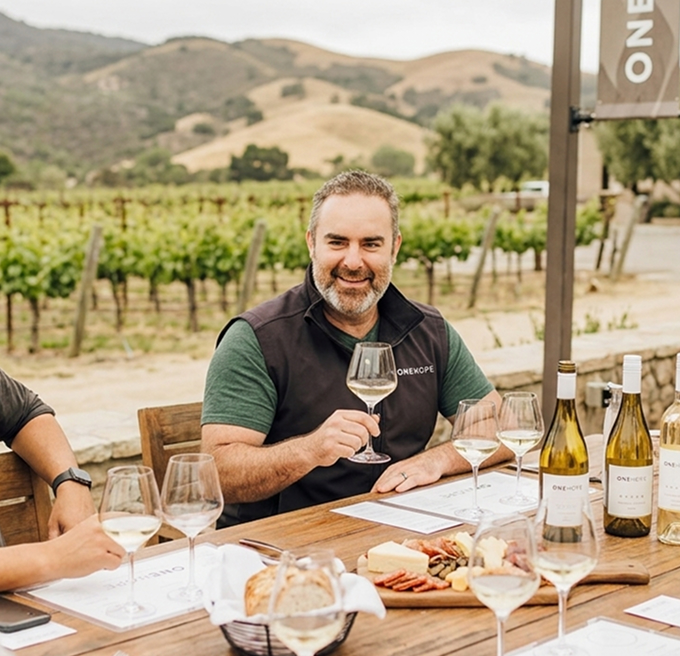
I will admit a little bias here. Estate 8 and ONEHOPE sit in a part of the valley where agriculture and nature are in constant, audible conversation. Mornings are defined by birdsong, not schedules. It is my passion project, shaped by the belief that hospitality should respect the life already present. When guests slow down enough to notice hawks riding the thermals over the rows, Napa reveals a deeper layer.
Small Histories
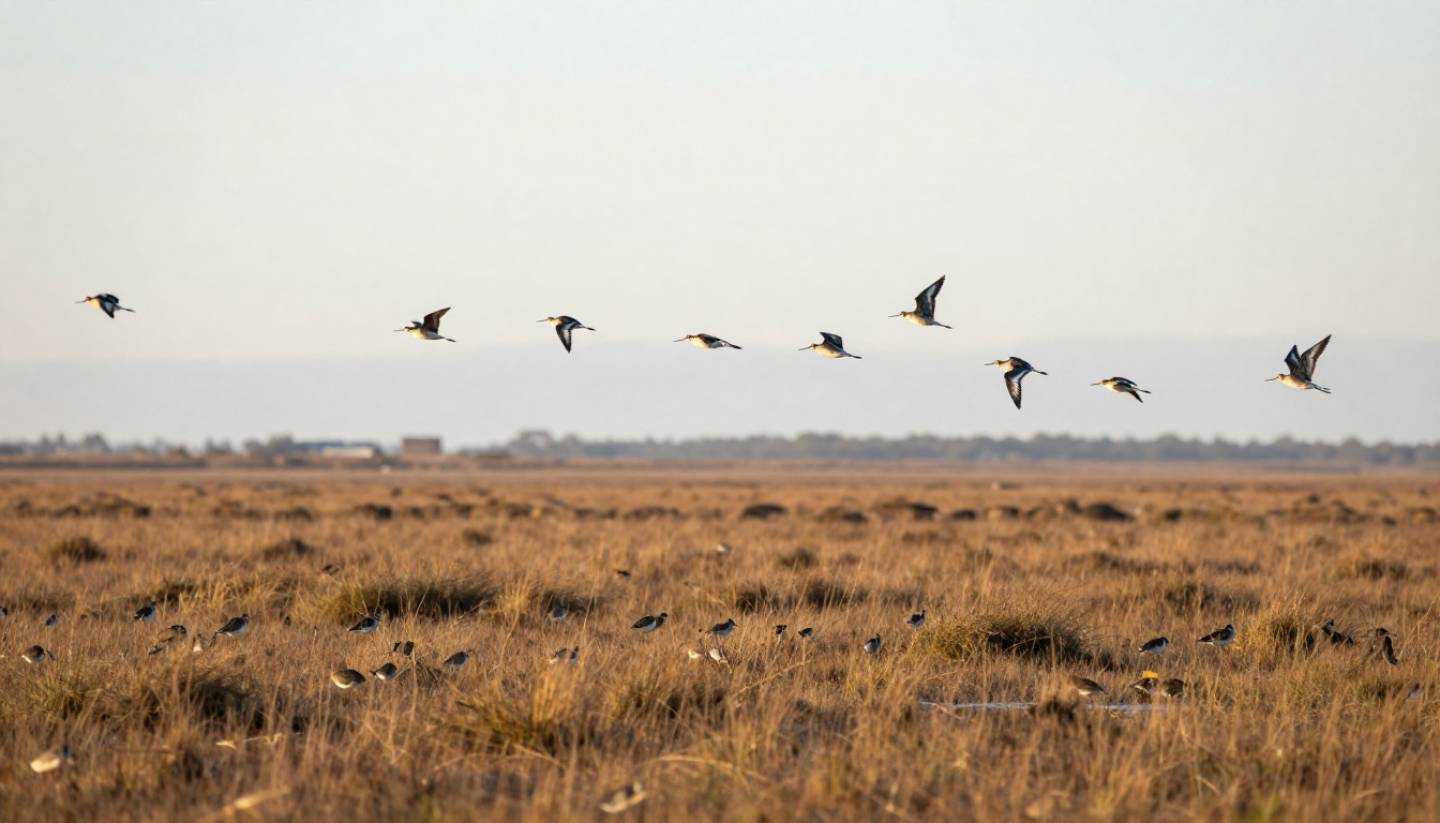
Before Napa was a global destination, it was a mosaic of creeks, pasture, and wild edges. Birdwatching here is not a trend. It is simply returning attention to what has always been here, season after season.