Some people leave Napa Valley with wine shipments and tasting notes. Others leave with something harder to pack.
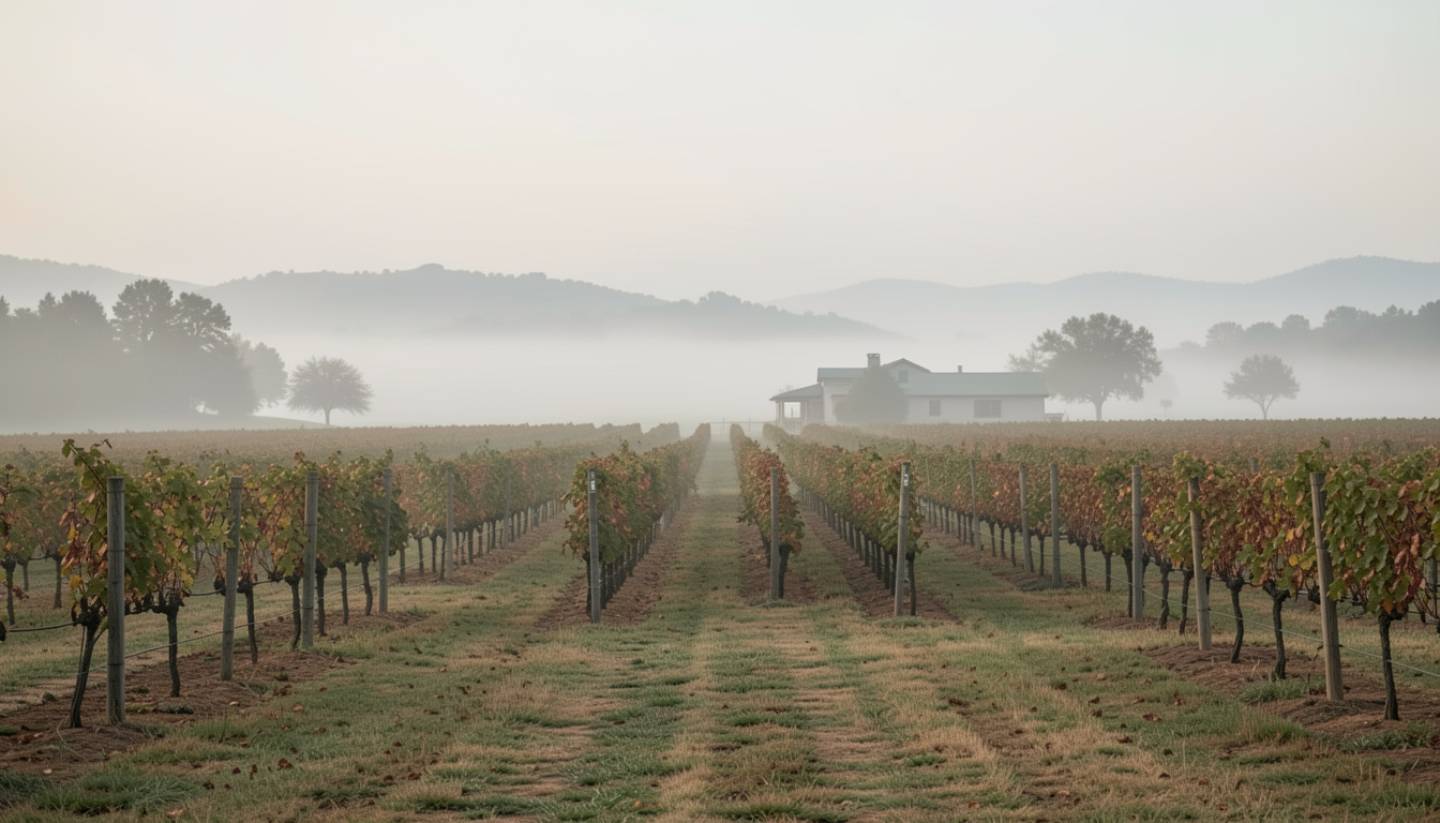
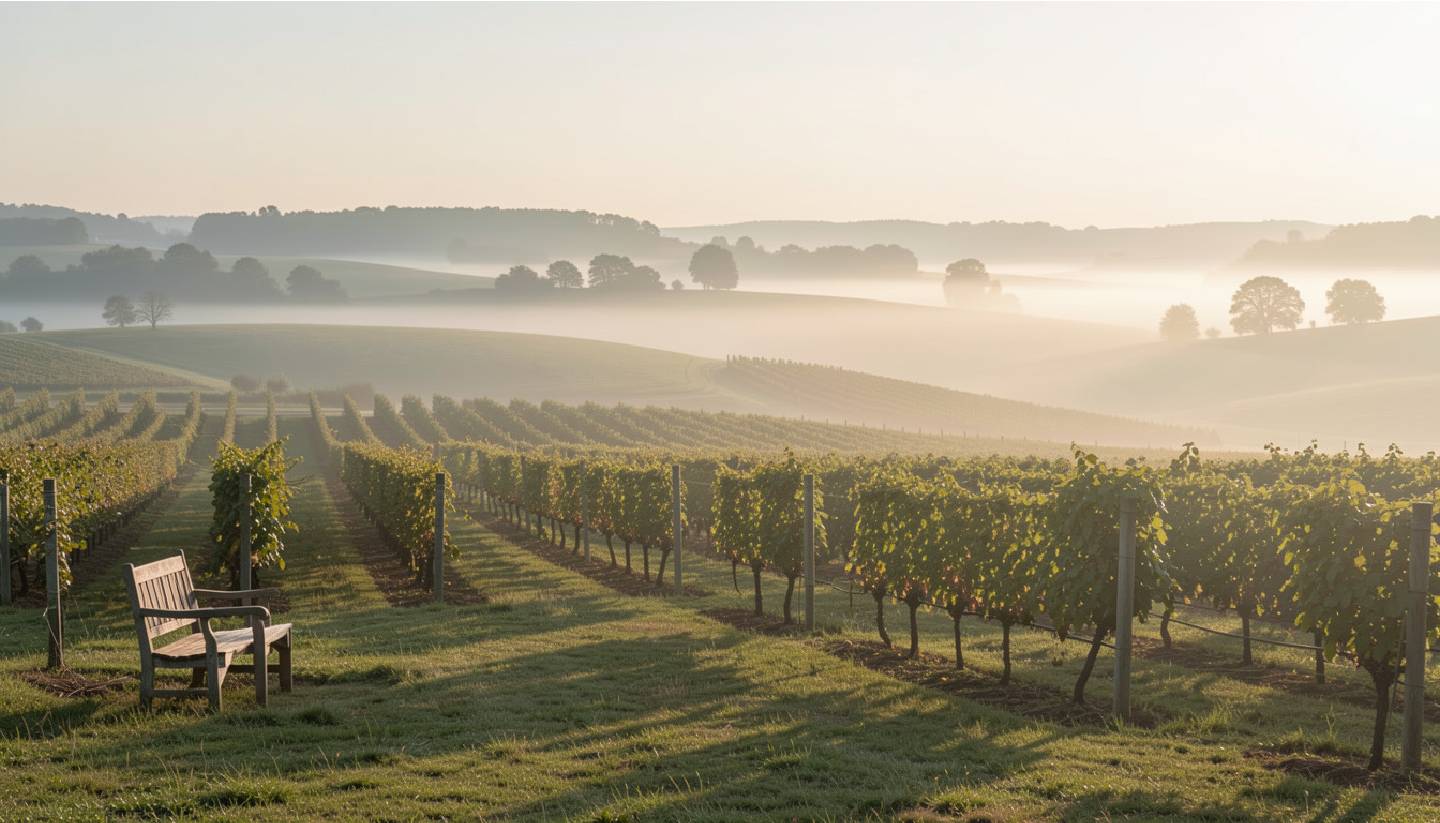
They remember the way the morning fog lifted off the Rutherford benchlands. The sound of gravel underfoot walking a vineyard row. A conversation that stretched past its original shape. A meal that felt inseparable from the land and the people at the table.
If you collect memories rather than bottles, Napa is not about accumulation. It is about attention. The valley has always rewarded those who notice.
What This Experience Is Really About
This way of moving through Napa is about meaning over markers.
Memory focused travelers value:
- Moments that unfold rather than events that start and stop
- Conversation over consumption
- Landscapes experienced slowly and without distraction
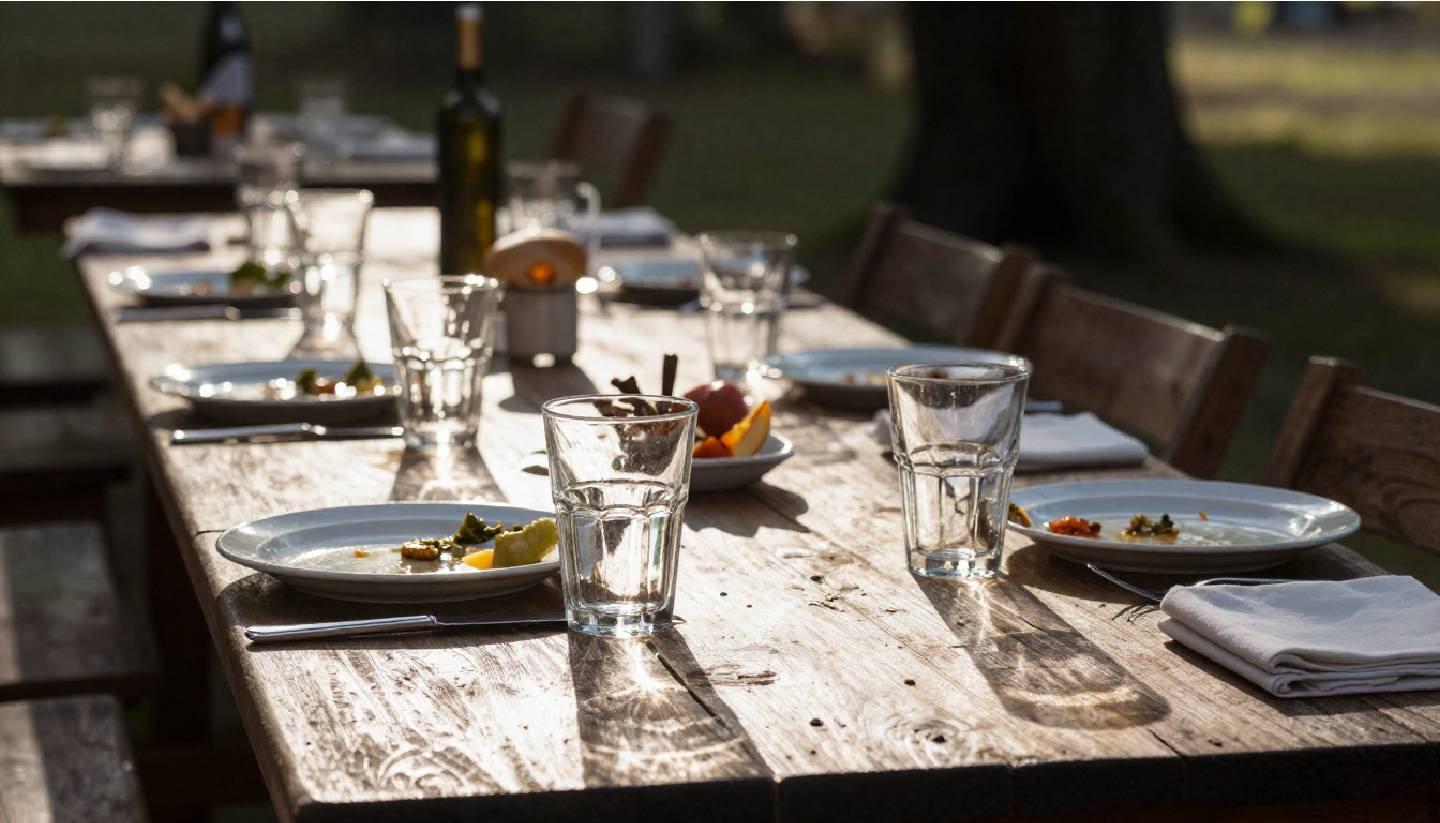
- Tables that invite people to linger
Wine can be part of the story, but it is rarely the main character.
When It’s Best
Midweek travel from Tuesday through Thursday offers the most room for unscripted moments.
Spring and fall bring the best balance of light, weather, and energy in the valley.
Cabernet season from late fall through early spring delivers the quietest roads and the most generous hospitality.
Avoid stacking reservations. Memories need space to form.
My Local Notes
The moments that stay with me from this valley are rarely tied to labels. They are tied to light, weather, and people. When friends visit and ask what they should see, I usually tell them to slow down. Napa gives more when you ask less of it.
A Napa Valley Day Built Around Memory
Morning: Presence Over Pace
Start outside.
Coffee on a patio. A short walk. A quiet drive along Silverado Trail as the valley wakes up.
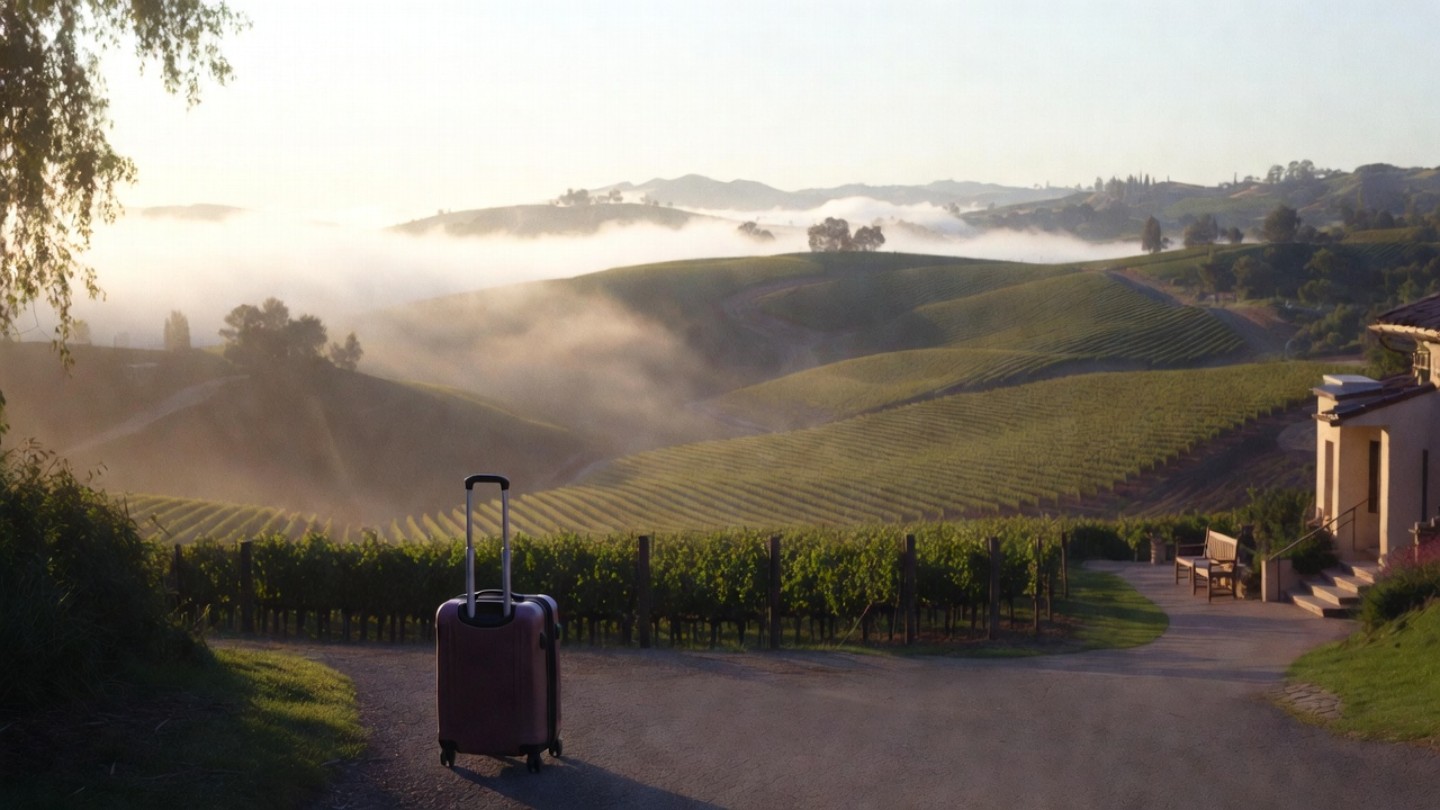
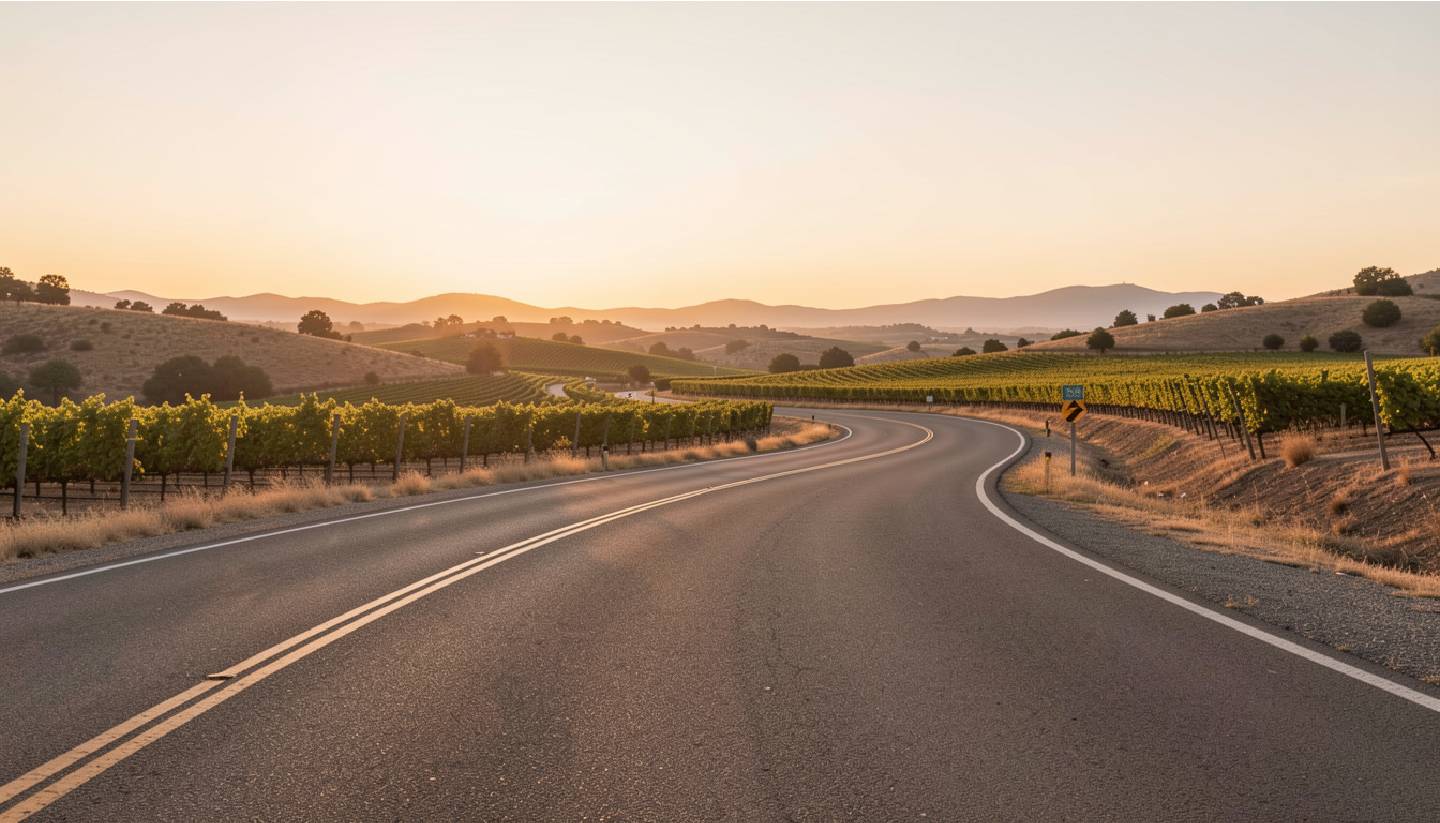
Do not try to arrive anywhere quickly. Just north of Yountville Cross Road, pull over where safe and let the fog lift. This is already the experience.
Late Morning: Grounded Experiences
Choose one experience that feels rooted in place.
This might be a winery visit focused on land and history rather than flights, a garden walk, or simply time spent somewhere that feels settled.
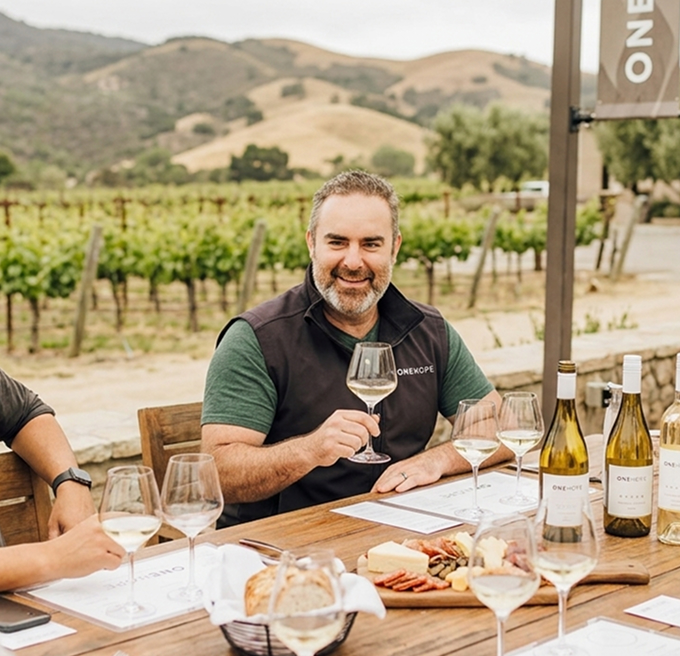
Estate 8, by invitation, reflects this approach through ONEHOPE. Set into the Rutherford benchlands, the experience centers on long views, shared tables, and purpose. What people remember here is not the pour. It is how the time felt.
Lunch: The Shared Table
Let lunch carry the day.
Restaurants like Charter Oak, Farmstead, and Brix are designed for this rhythm. Order for the table. Let the kitchen and the conversation guide the pace. When lunch stretches into afternoon, that is not a problem. That is the point.
Afternoon: Leaving Space
After lunch, resist the urge to fill the hours.
Sit. Walk. Drive without a specific destination toward the base of Mount Saint Helena. Wander the side streets of St Helena or visit Oxbow Public Market without an agenda. This is where unplanned moments tend to appear.
Evening: Simple Endings
Keep the night simple.
Dinner should be close and unhurried. Fire pits, quiet lounges, or sitting outside often hold more memory than a high effort reservation. Let the day settle naturally.
Where to Stay
Choose places that support presence rather than just providing a bed.
Accommodations with outdoor space, views, and a sense of calm allow the day to unfold. Estate 8, by invitation, was created for travelers who value meaning over movement. Shared meals, quiet mornings, and space for reflection shape the experience.
What Most Visitors Get Wrong
They confuse activity with experience.
In Napa, memory lives in the pauses. The space between plans. The time after the plates are cleared. The drive taken without checking the clock.


A Short Memory
One afternoon we skipped a tasting and sat watching the light move across the hills. No photos. No notes. Just time passing. Years later, that moment still comes back more clearly than anything we tasted.