Drive north on Silverado Trail just after sunrise and you will see it.
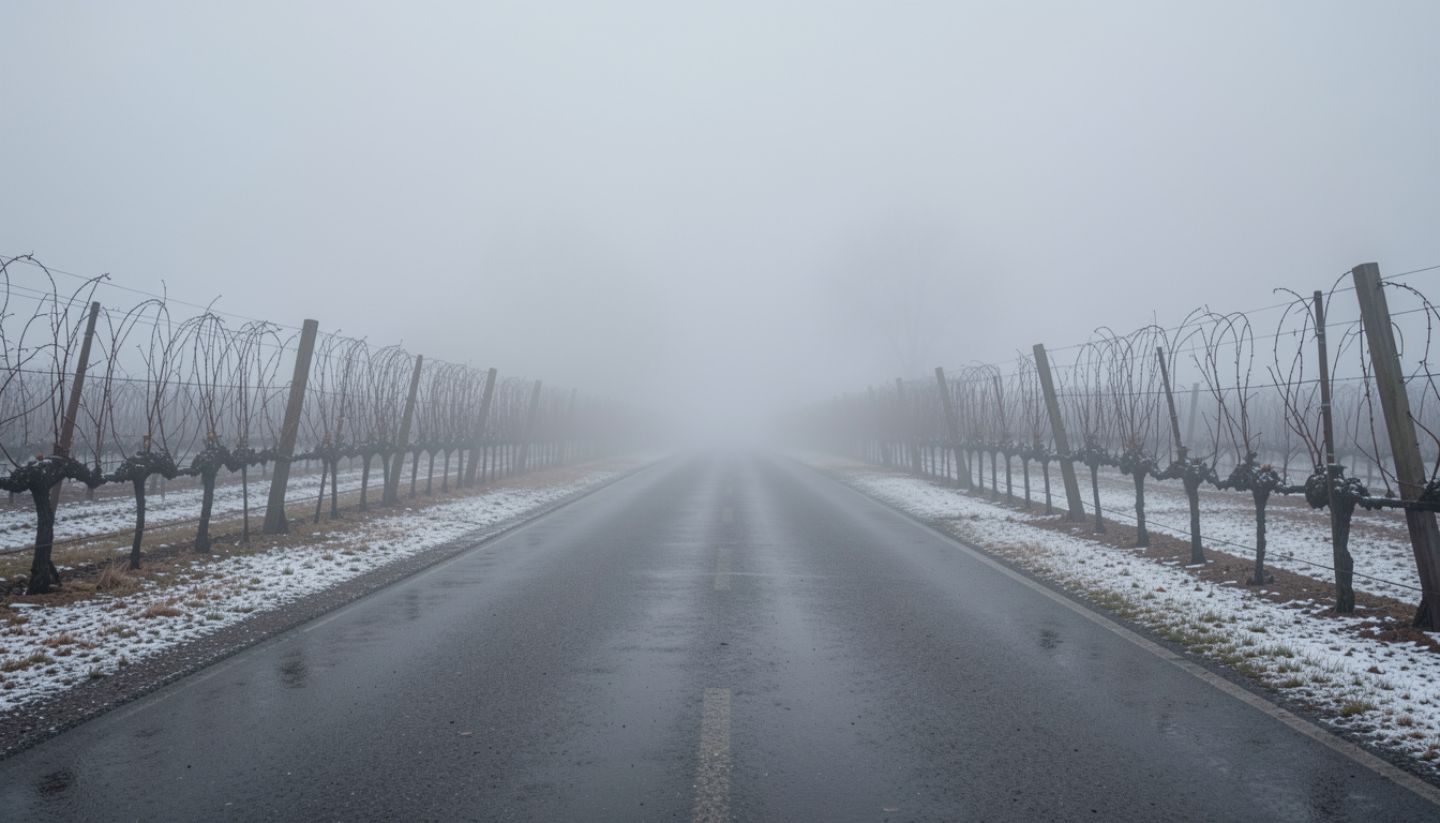
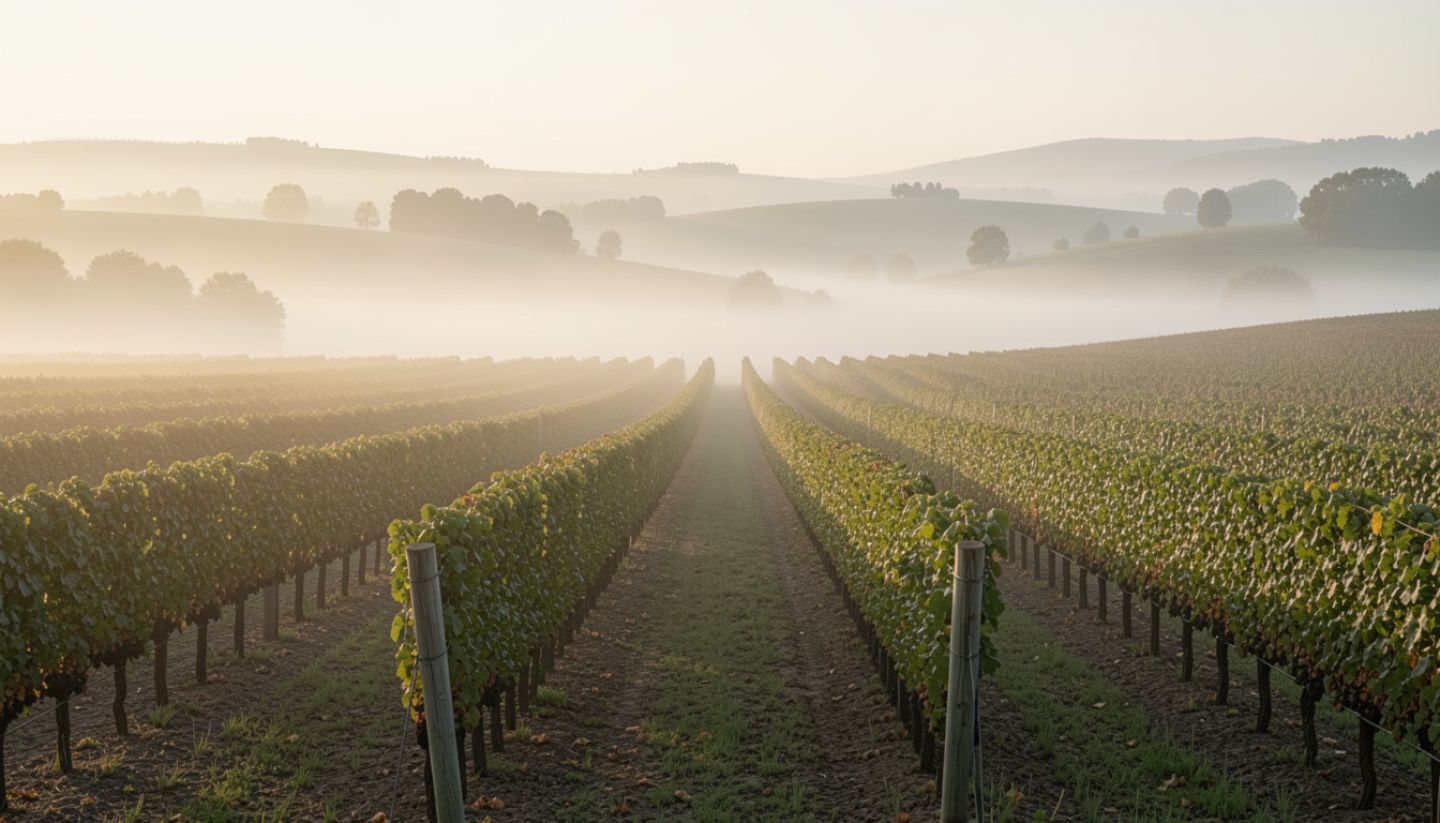
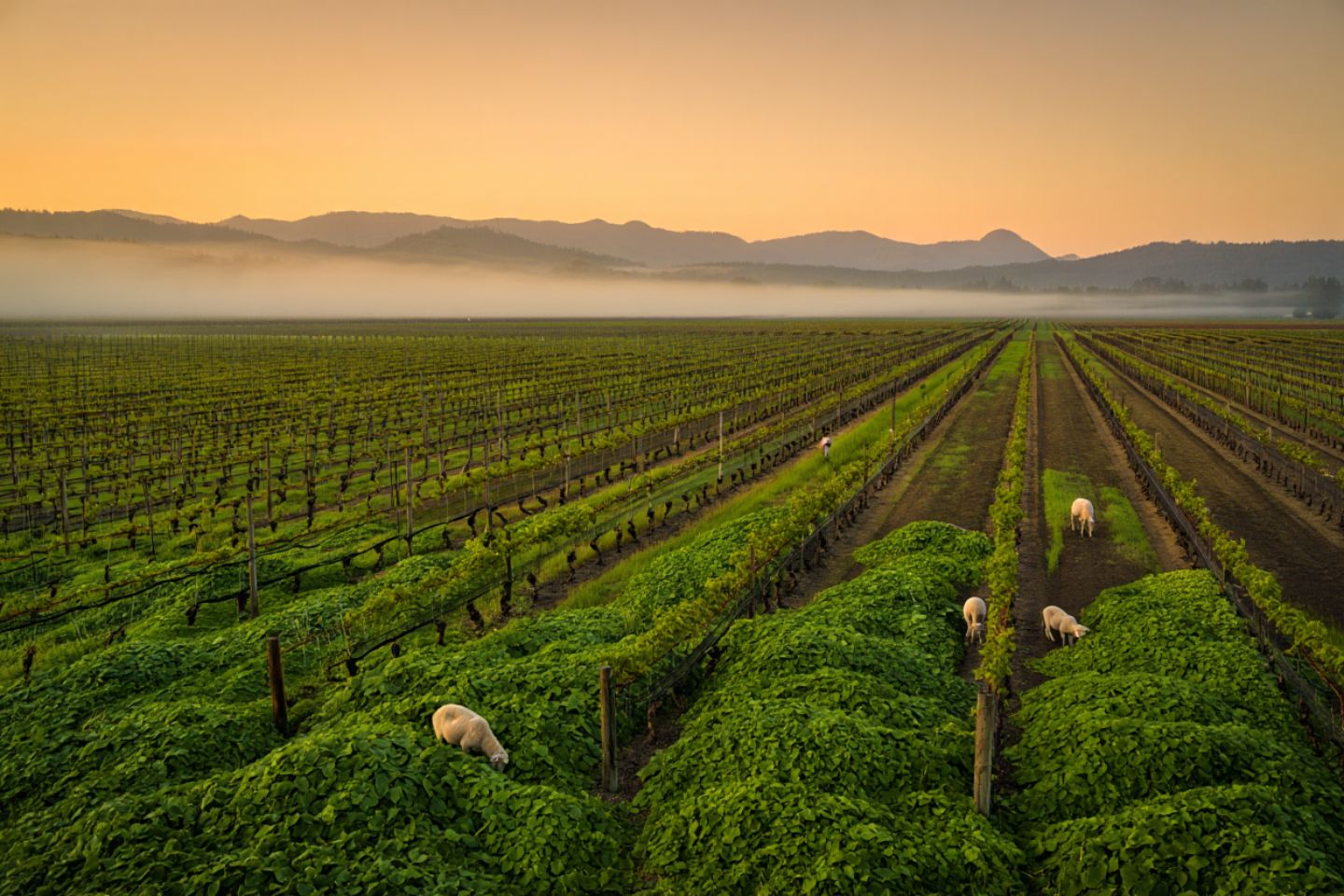
Cover crops stretching between vineyard rows. Sheep grazing instead of tractors running. Owl boxes perched above the vines. Fog lifting slowly off the Rutherford benchlands while the Mayacamas catch first light.
From a distance, Napa Valley can look polished. Up close, it is soil.
If you care about sustainability and regenerative living, this valley tells a story that goes far deeper than tasting notes. It tells a story about stewardship.
What This Experience Is Really About
Sustainability in Napa is not branding. It is survival.
This valley has endured drought cycles, wildfire seasons, and shifting climate patterns. Long term thinking is not optional here.
Regenerative living in Napa looks like:
- Cover crops rebuilding soil microbiology
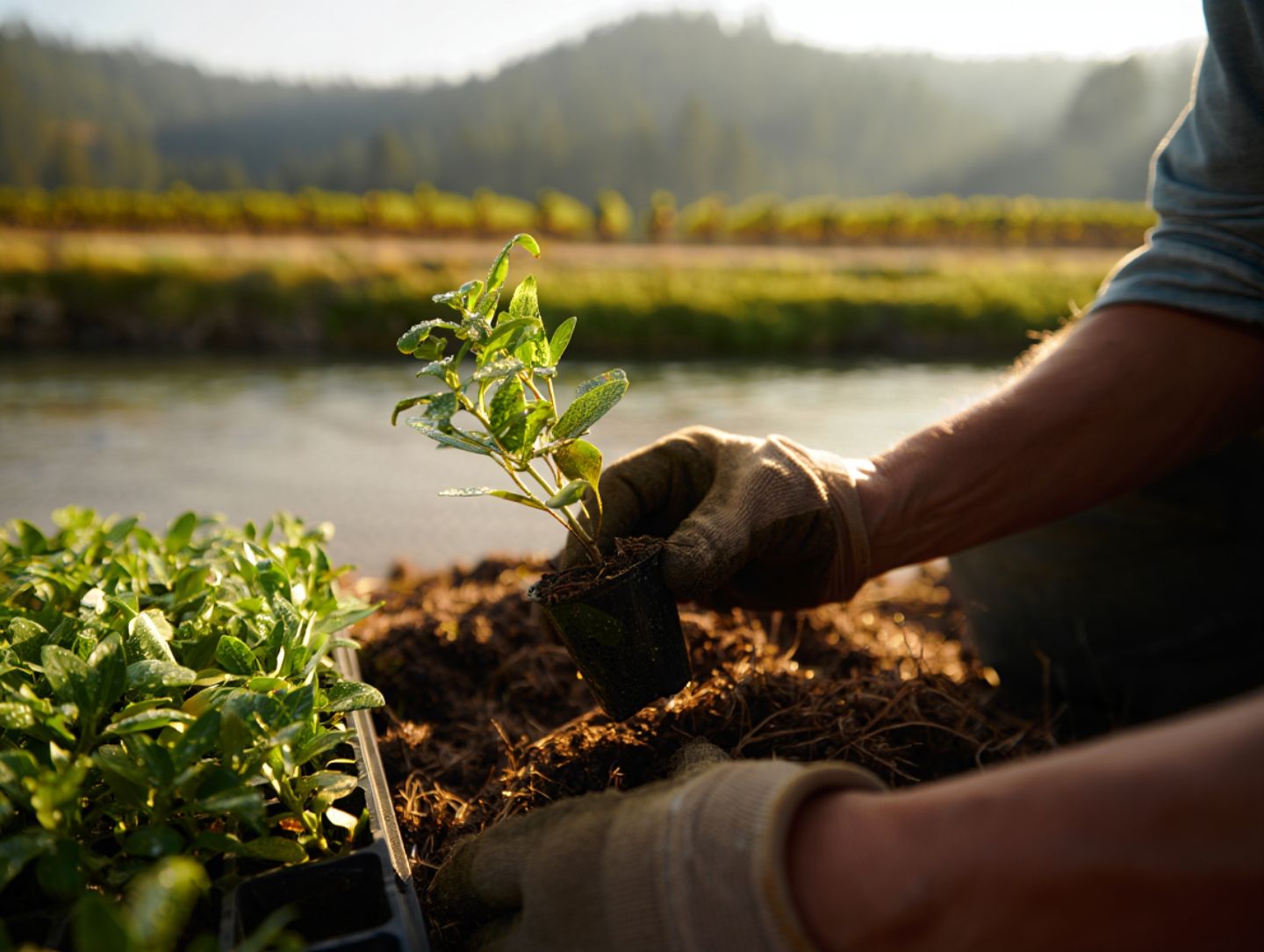
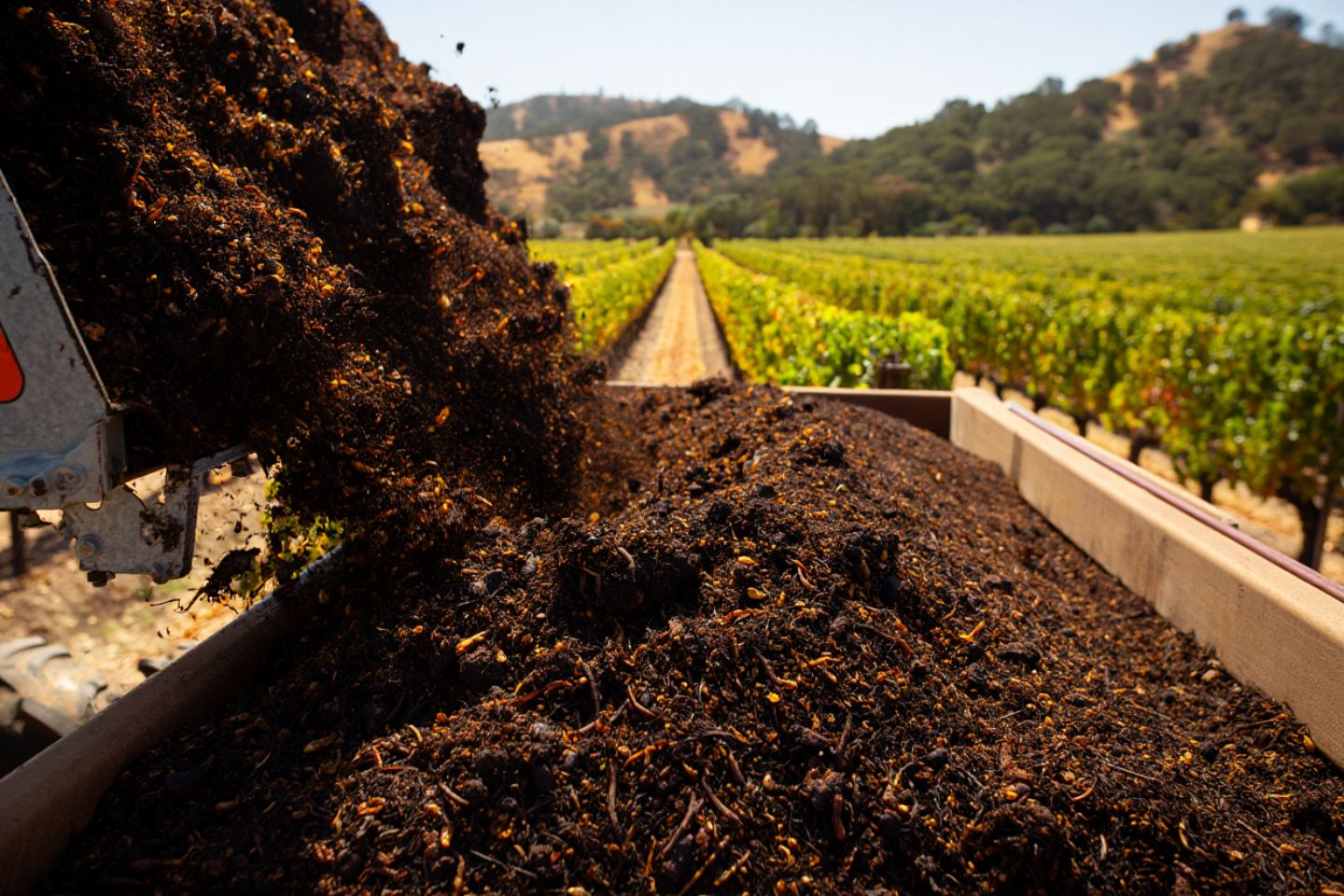
- Compost returning nutrients to vineyard blocks
- Reduced irrigation and dry farming practices
- Solar installations integrated discreetly behind wineries
- Biodiversity corridors that support native species
When done well, it is quiet. You see it in balanced canopies, healthy fruit, and the way the soil holds moisture deep into summer
Where Sustainability Shows Up in Napa Valley
Rutherford and Oakville
In Rutherford and Oakville, look closely between the rows. Cover crops prevent erosion and build organic matter. Winter sheep grazing reduces the need for mechanical mowing and herbicides.
These are not aesthetic choices. They are long term soil investments.
St. Helena and Up Valley
St. Helena producers frequently invest in water reclamation systems and solar arrays. Further north near Calistoga, forest management and fire resilience planning are central to vineyard protection.
Carneros and South Napa
Near Napa in the Carneros region, wind patterns and cooler climates reduce disease pressure, allowing for lower intervention farming and cellar work.
Look for certifications such as Napa Green, CCOF Organic, and Demeter Biodynamic when booking winery visits.
Sustainable Dining and Lodging
The restaurant culture mirrors the vineyards.
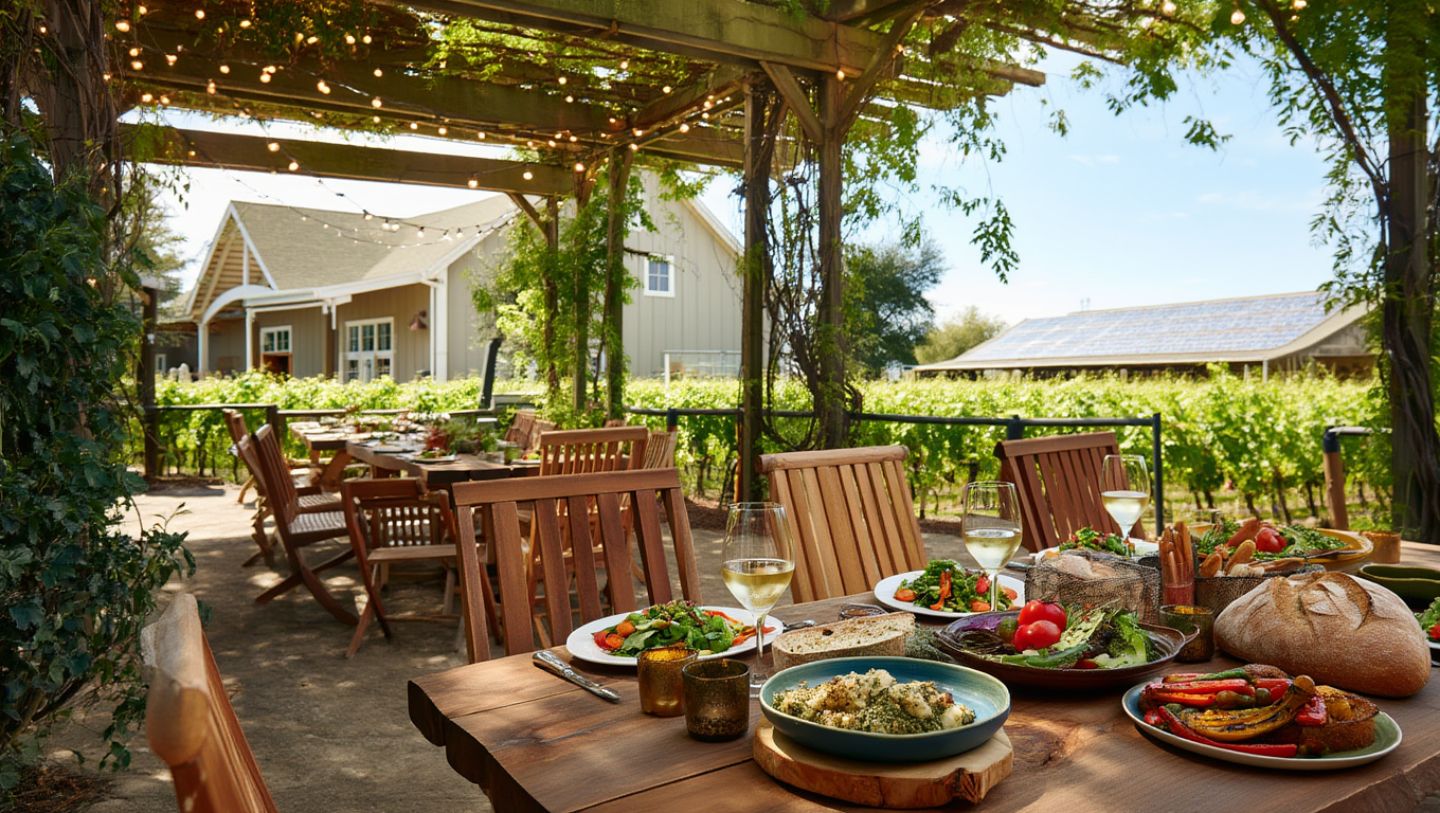
The Charter Oak and Farmstead at Long Meadow Ranch build menus around seasonal produce and whole ingredient cooking. Waste reduction, local sourcing, and thoughtful preparation are standard practice.
In Yountville, St. Helena, and downtown Napa, many boutique hotels have integrated:
- Solar energy
- Water saving infrastructure
- On site garden programs
- Partnerships with local farms
Ask about sustainability initiatives when booking. Transparency is becoming the norm.
What Most Visitors Miss
Visitors often focus on the glass and overlook the ground.
They miss:
- The early spring bloom of mustard and cover crops
- The quiet work of soil amendment and composting
- The investment in forest management that protects the valley
- The collaboration between neighboring growers
Sustainability in Napa is generational. Families here are farming for grandchildren, not quarterly returns.
My Local Notes
When we were developing Estate 8, sustainability was never an afterthought. It was the starting point.
I remember walking the property during an especially dry year. The soil was brittle underfoot. We stood there discussing irrigation strategy not just for the next vintage, but for the next two decades.
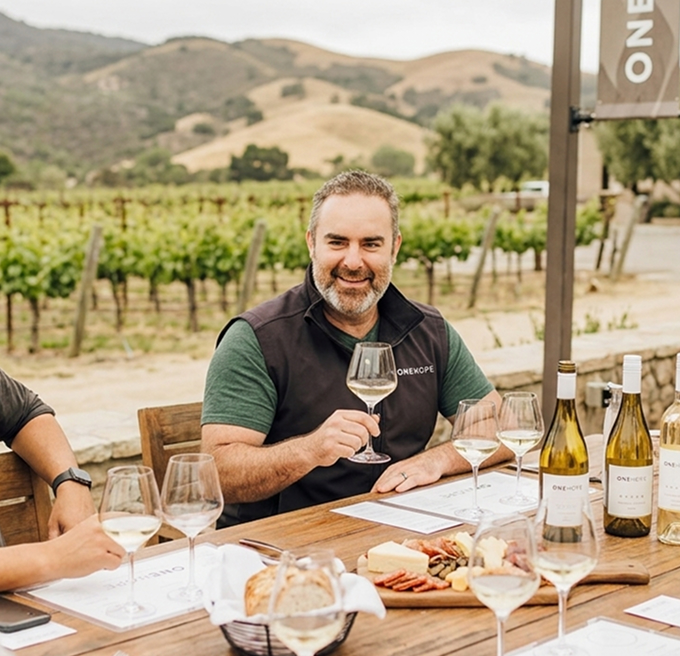
I will admit I am biased. Estate 8 is my baby. But standing in Rutherford at sunrise, looking across vineyard blocks that depend on careful stewardship, you cannot help but feel responsible for what comes next.
Regenerative living here is not theory. It is daily practice.
A Regenerative Napa Itinerary
The Conscious Traveler Day
- Sunrise walk along Silverado Trail to observe cover crops and vineyard health
- 10 a.m. tasting at a Napa Green certified estate in Rutherford
- Lunch at Farmstead focused on seasonal produce
- Afternoon visit to a biodynamic vineyard in St. Helena
- Evening reflection over dinner in Yountville
The Full Sustainability Weekend
- Morning estate tour centered on soil health and water management
- Midday tasting comparing organically farmed blocks
- Visit to a local olive oil producer practicing regenerative agriculture
- Stay at a boutique eco focused property in downtown Napa
Keep the schedule intentional. Ask deeper questions during tastings.
Small Histories
Before Napa became synonymous with luxury wine travel, it was farmers adapting to soil and climate.
Regenerative thinking is not new here. It is a continuation of agricultural common sense.
The valley’s future depends on it.