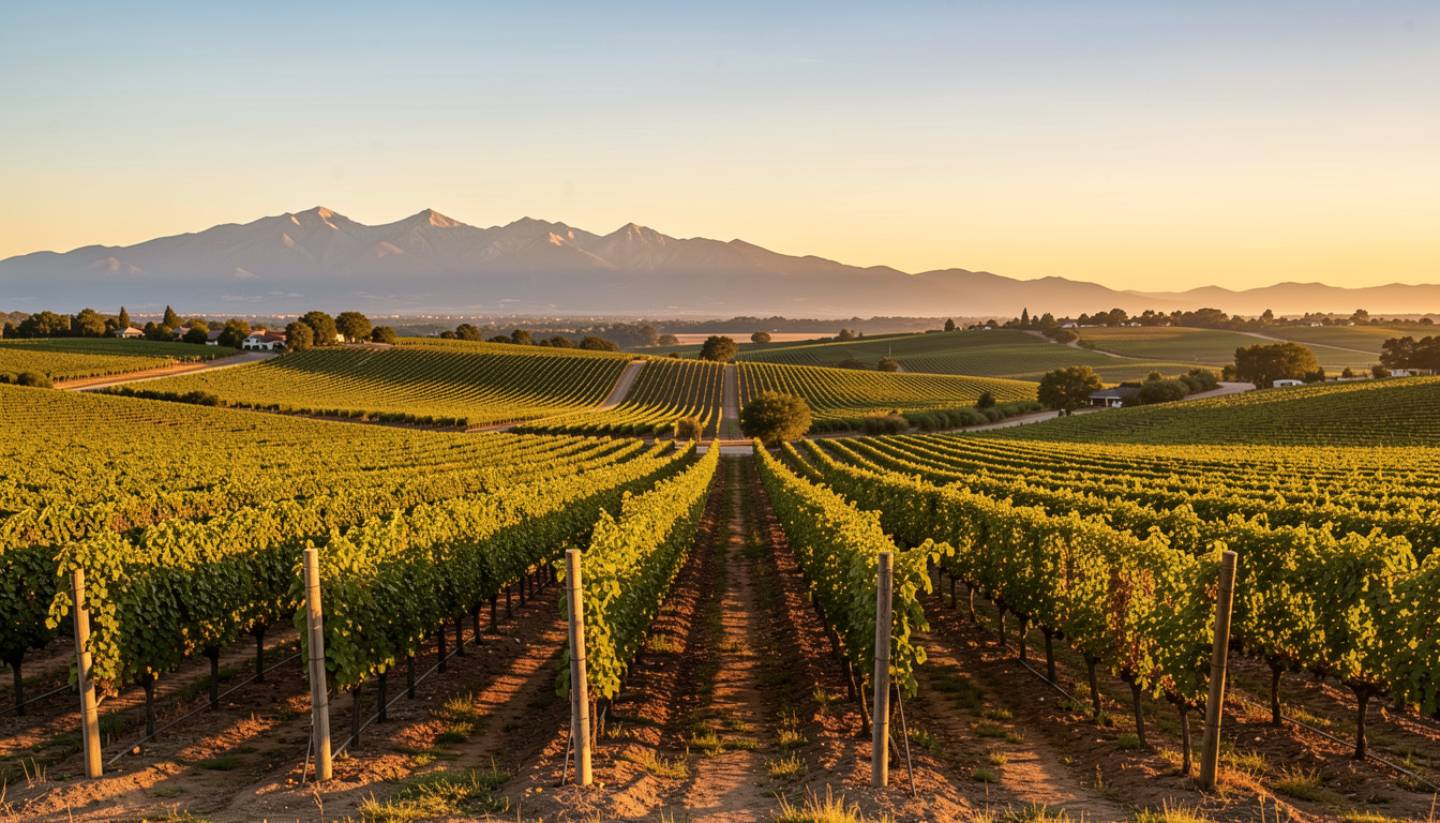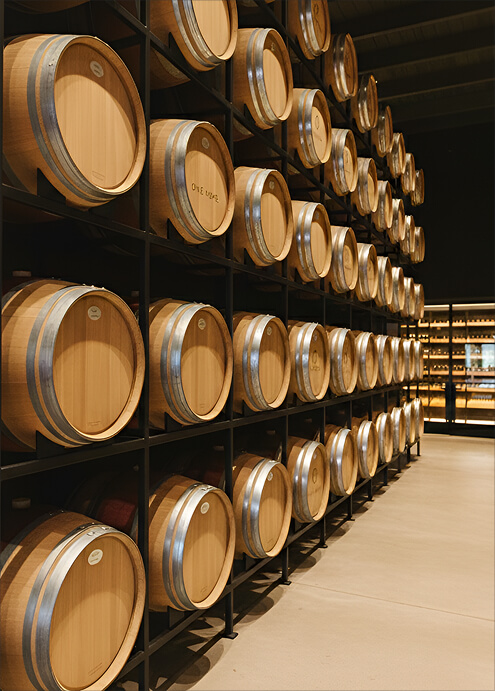
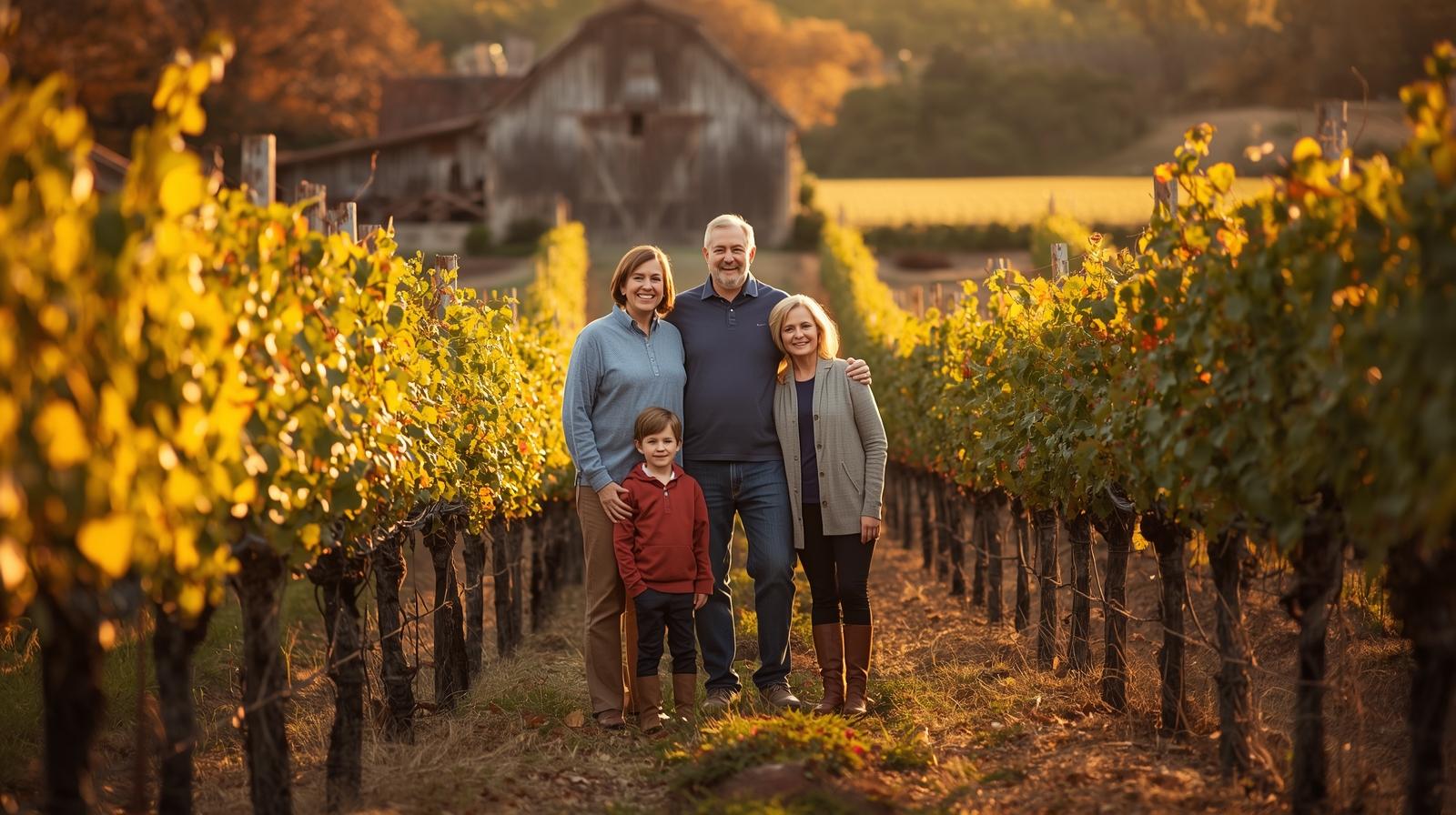
Drive north on Highway 29 past Yountville, through Oakville, into Rutherford and St. Helena, and you will pass more than vineyard rows.
You will pass surnames.
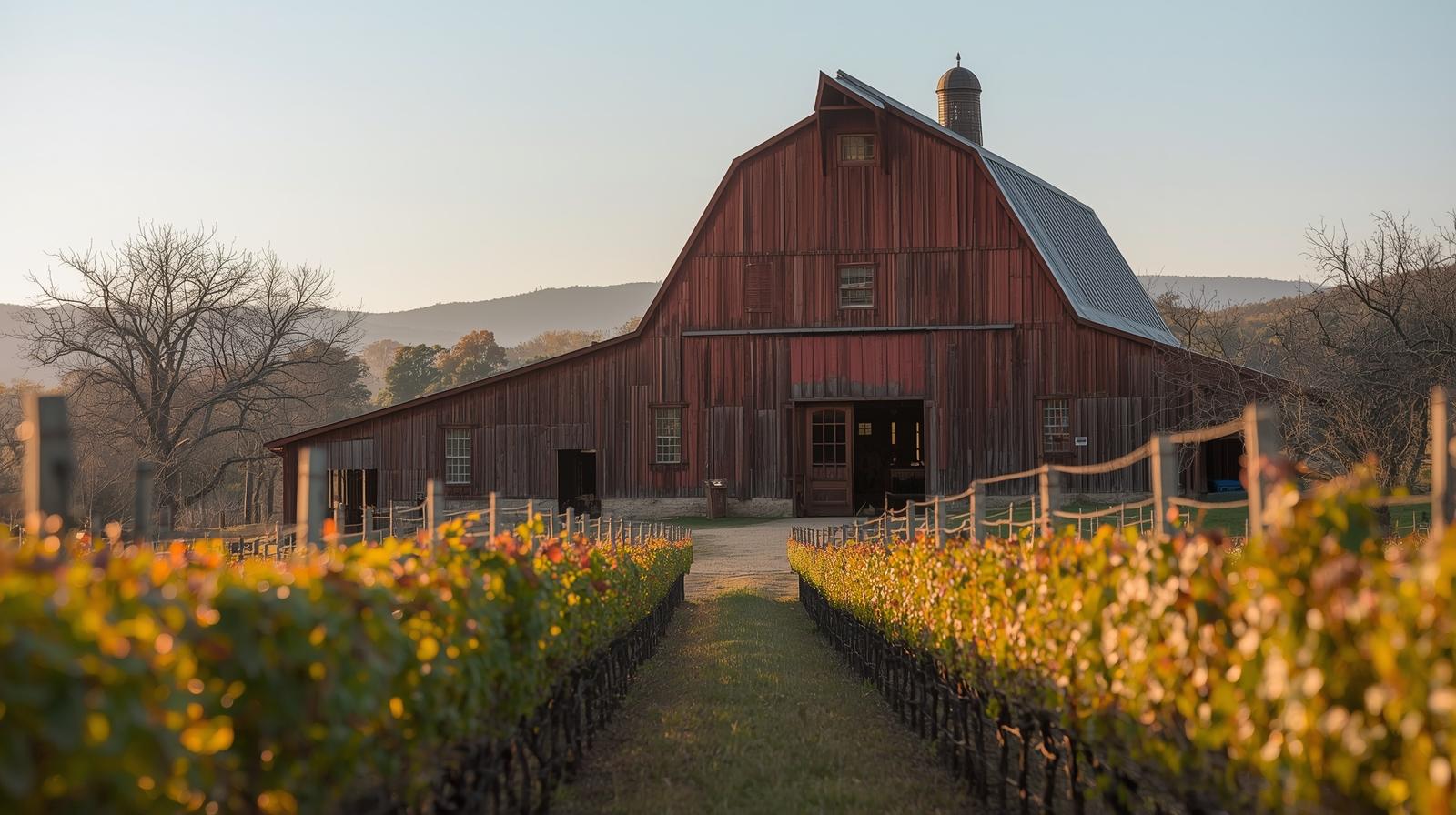
Weathered redwood signs that have not changed in decades. Gravel drives worn smooth by three generations of harvest trucks. Stone barns that housed fermentations long before Napa Valley became shorthand for luxury travel.
This valley runs on memory.
If you are studying family business Napa style, legacy operations, or succession planning, Napa is a concentrated thirty mile classroom. From Carneros to Calistoga, you can watch how generational estates adapt without erasing who they were.
Vines do not respond to quarterly earnings. They respond to decades. That single fact changes how business is built here.
What This Experience Is Really About
Generational estates Napa style are not just making wine. They are managing transition.
Founder’s vision eventually becomes institutional heritage. That shift is delicate.
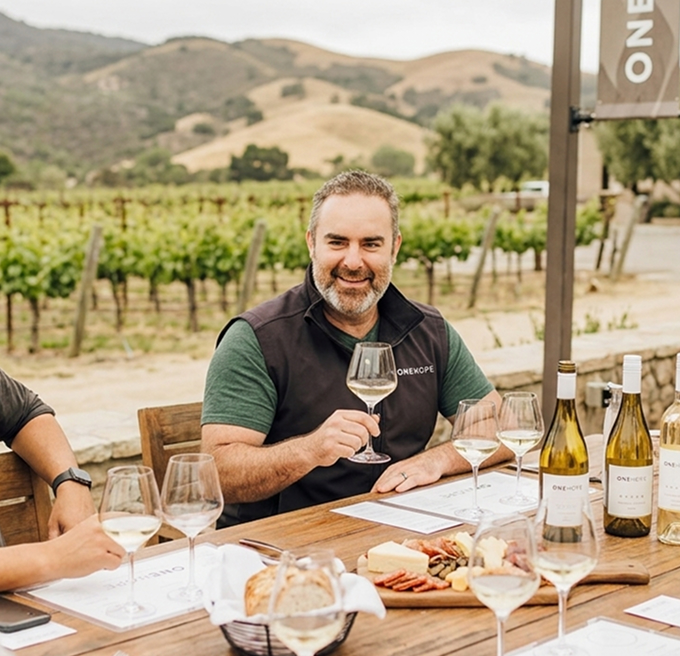
When you visit a Napa Valley family winery, you are witnessing real world business dynamics:
- The G3 challenge of moving from founders to siblings and cousins
- Updating a forty year old Cabernet profile for modern palates without losing loyal collectors
- Balancing environmental stewardship with financial sustainability
- Deciding when the next generation takes the lead in hospitality or winemaking
In Napa, succession planning is not theoretical. It plays out between vine rows and across tasting room tables.
A Short Personal Story
I remember standing in an Oakville vineyard one late afternoon with a second generation owner. We were not discussing tannin structure. We were discussing timing.
Not harvest timing. Succession timing.
He asked, “How did you know when to hand something over?”
I told him the truth. You rarely feel ready. You feel responsible.
Building Estate 8 and growing ONEHOPE forced me to think about legacy earlier than most founders do. If something is going to outlast you, it has to be built on values that survive personality. Land makes that clear. You cannot rush a vine into maturity. You cannot force trust into a brand.
Patience is not optional here.
The Geographic Classroom
Rutherford and Oakville: Brand Stewardship
Between Highway 29 and the western slopes of the Mayacamas, Rutherford and Oakville represent the heart of legacy wineries Napa Valley is known for.
Here, Cabernet Sauvignon from the benchlands carries global recognition.
Observe:
- How tasting narratives reference founding stories
- How family names remain central to brand identity
- How younger generations introduce sustainability, Napa Green certifications, or regenerative farming into long standing operations
Legacy is visible in architecture and in tone. Some estates preserve original stone structures while quietly modernizing hospitality spaces.
The balance is intentional.
St. Helena: The Agricultural Homestead
St. Helena still feels like the agricultural backbone of Napa Valley. Drive north on Main Street and you are minutes from vineyards that have been in the same family for decades.
Look for:
- Original family homes still on property
- Multi generational photos displayed in tasting rooms
- Apprenticeship style learning in the cellar
Succession here often happens slowly. Children grow up during harvest. They learn by proximity before they lead.
Lunch at a locally owned restaurant in St. Helena and notice how many small businesses support the wine ecosystem. Cooperages. Equipment suppliers. Vineyard management firms. Legacy extends beyond wineries.
Calistoga: The Independent Frontier
Further north, as the valley narrows and temperatures rise, Calistoga offers a different tone. More rugged. More hands on.
You may find founders still pouring in the tasting room decades after planting their first vines. You may also meet second generation leaders experimenting with direct to consumer models or new hospitality formats.
Calistoga is a study in founder longevity meeting next generation innovation.
Operational Lessons Napa Teaches
Long Time Horizons
A vine planted today may take three to five years to produce fruit and fifteen to twenty to reach its peak expression. Family business Napa style is built around biological timelines, not market cycles.
Land as Anchor
Unlike many industries, the core asset does not move. The vineyard remains in Rutherford. The hillside block stays on Spring Mountain. That permanence fosters community commitment and environmental responsibility.
Hospitality as Bridge
Often the first generation focuses on farming and winemaking. The second and third generations elevate hospitality, digital storytelling, and guest experience.
At Estate 8, I have seen firsthand how a thoughtfully designed gathering space can bridge generations. I am biased. It is my baby. But when people gather with intention, legacy deepens.
Professional Management and Modern Governance
Some legacy wineries Napa Valley now use professional management teams while family members retain board roles. This hybrid model is one of the most fascinating shifts in modern Napa succession planning.
Tradition adapts.

A Family Business Napa Itinerary
If You Have One Day
Morning
Visit a heritage estate in Rutherford or Oakville. Ask directly about generational roles and future plans.
Lunch
Eat in St. Helena. Notice how independent businesses support multi generational wineries.
Afternoon
Head north to Calistoga and visit a boutique estate where second generation leadership is active.
Evening
Dinner in Yountville. Compare long standing family owned restaurants with larger hospitality groups.
A Full Weekend Deep Dive
Day One
Oakville estate focused on brand history.
Lunch in Rutherford.
Afternoon winery in St. Helena navigating generational transition.
Day Two
Drive Silverado Trail slowly to observe preserved farmland.
Visit a smaller producer in Calistoga.
Sunset near Mount St. Helena reflecting on land permanence.
Build contrast into your observations.