There are moments when you are not looking for escape. You are looking for clarity. A place quiet enough to hear your own thoughts. A morning without urgency. A landscape that does not ask you to perform or decide right away.
Napa Valley has always held space for that kind of pause. Beneath the tasting rooms and weekend energy, this is still a working valley shaped by seasons, patience, and renewal. For people starting a new chapter, Napa offers something rare. It gives you room to breathe without asking who you are becoming just yet.
What This Experience Is Really About
This is not a trip built around highlights. It is built around moments.
A quiet coffee before the valley wakes up. A walk through vines just beginning to bud. A conversation that goes deeper than expected. Napa, at its best, mirrors the process of starting over. You cannot rush it. You meet it where it is.
For travelers used to measuring trips by productivity or stimulation, this kind of experience can feel unfamiliar at first. But once you slow down, the valley reminds you of something simple and true. Growth happens quietly before it becomes visible.
Mornings That Set the Tone
Early mornings matter here.
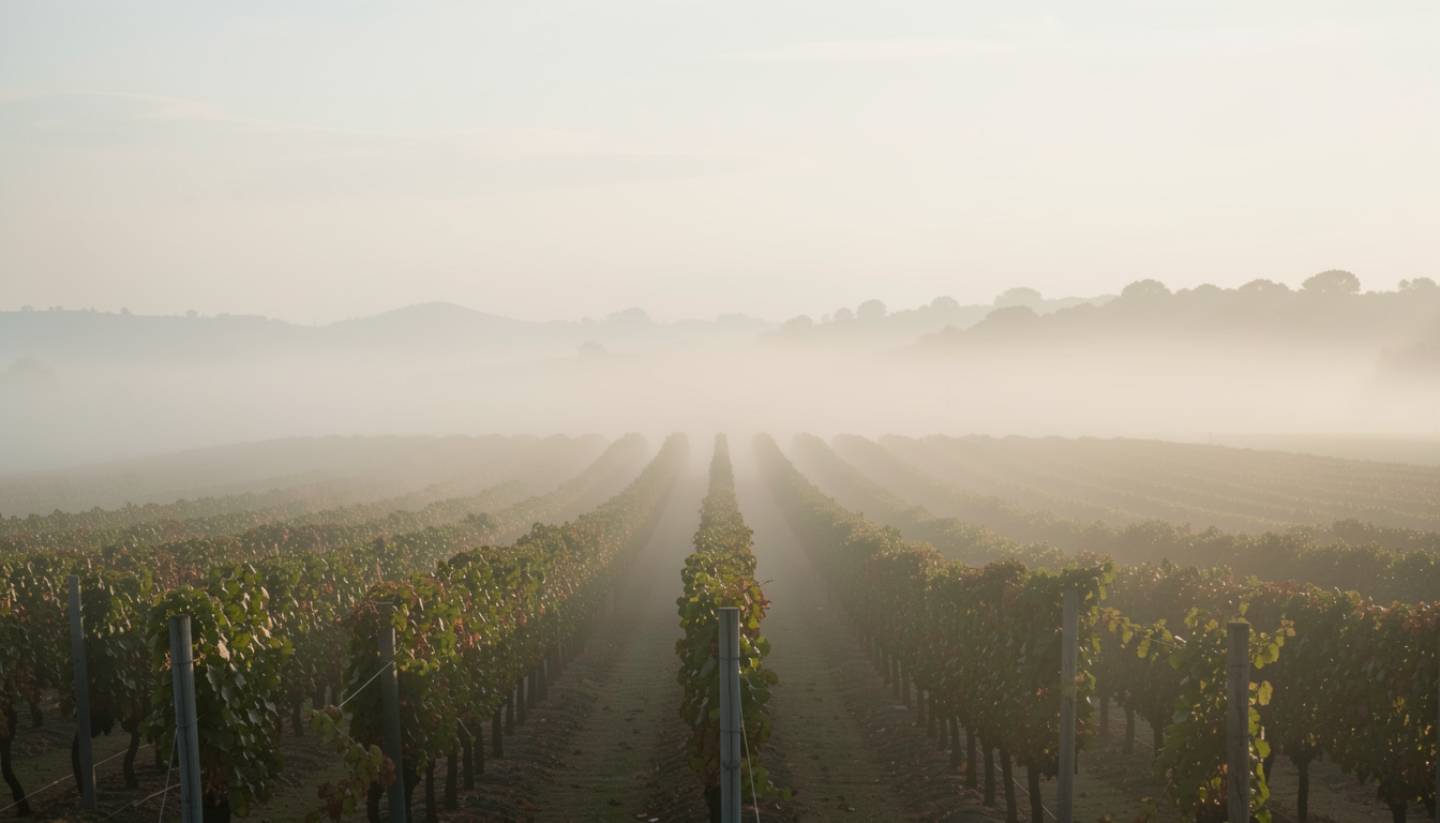
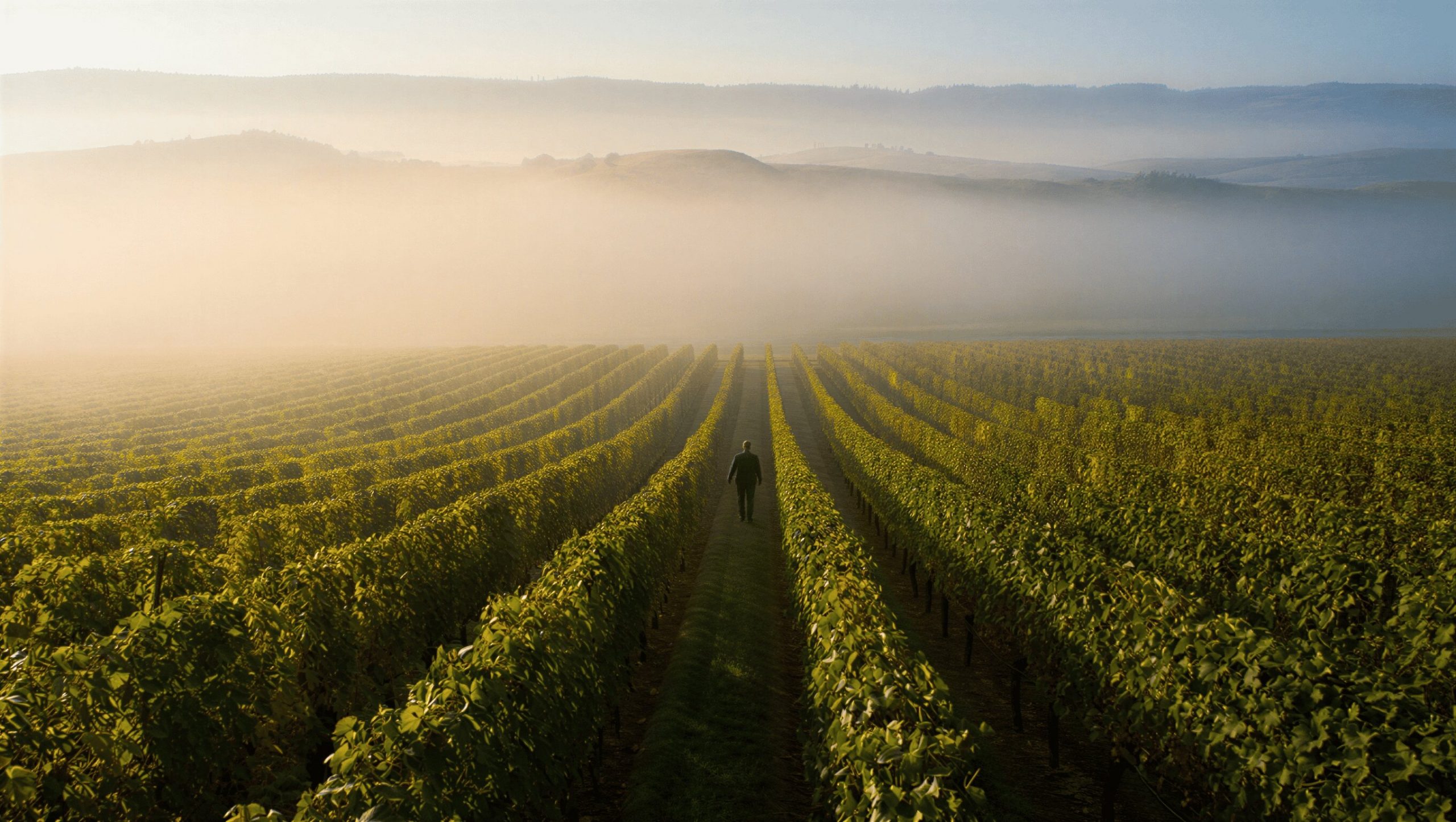
Start the day with a walk. Towns like Yountville, St. Helena, and Calistoga feel entirely different before 9:00 AM. Fog settles low across the valley floor. Locals call it the marine layer, pushed in overnight from San Pablo Bay. Streets are empty. The valley feels like it belongs to itself again.
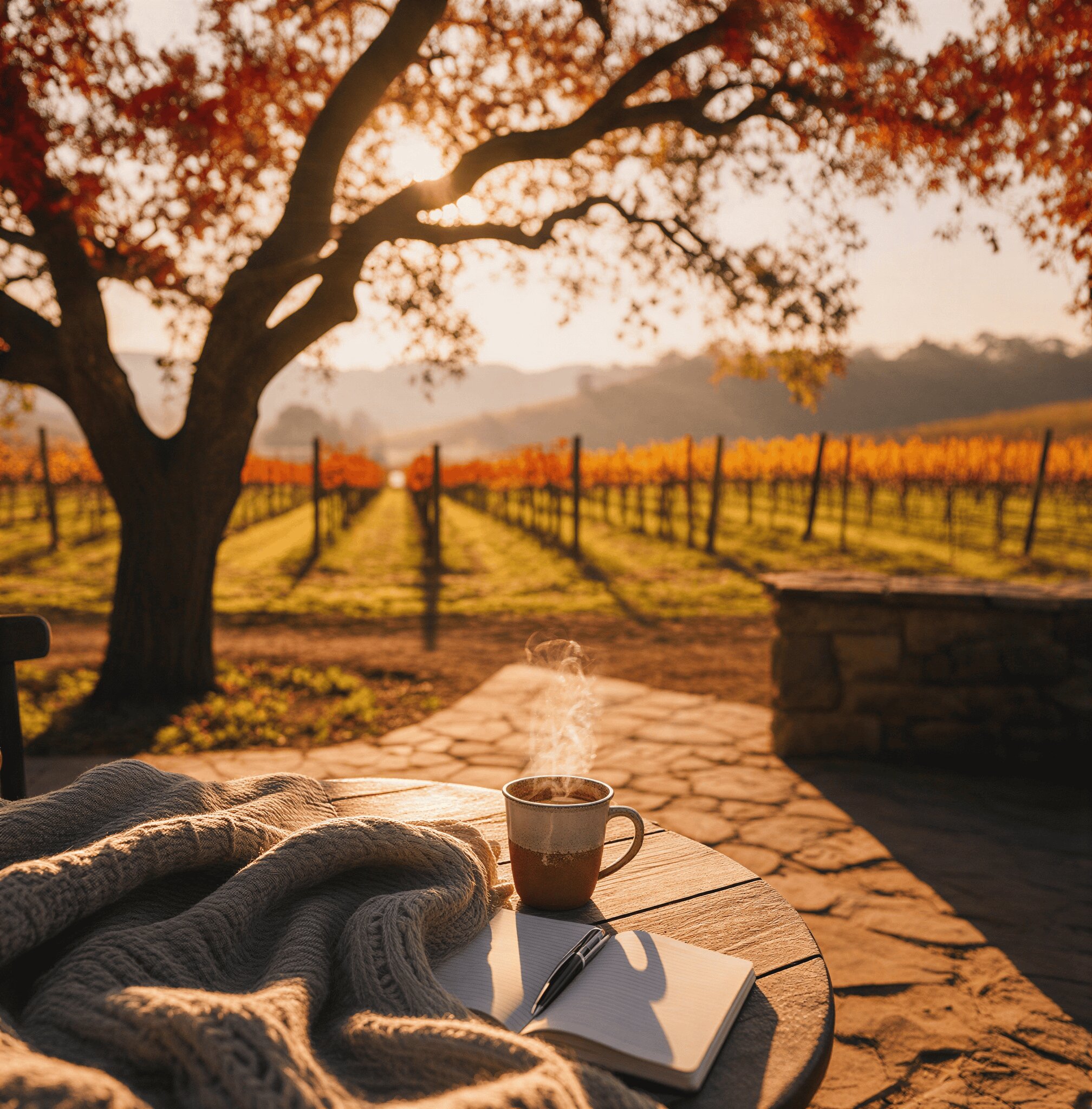
If you are staying near vineyards, step outside with your coffee. The air smells like damp earth and wild mustard after a cool night. These small rituals ground the rest of the day in a way no itinerary ever could.
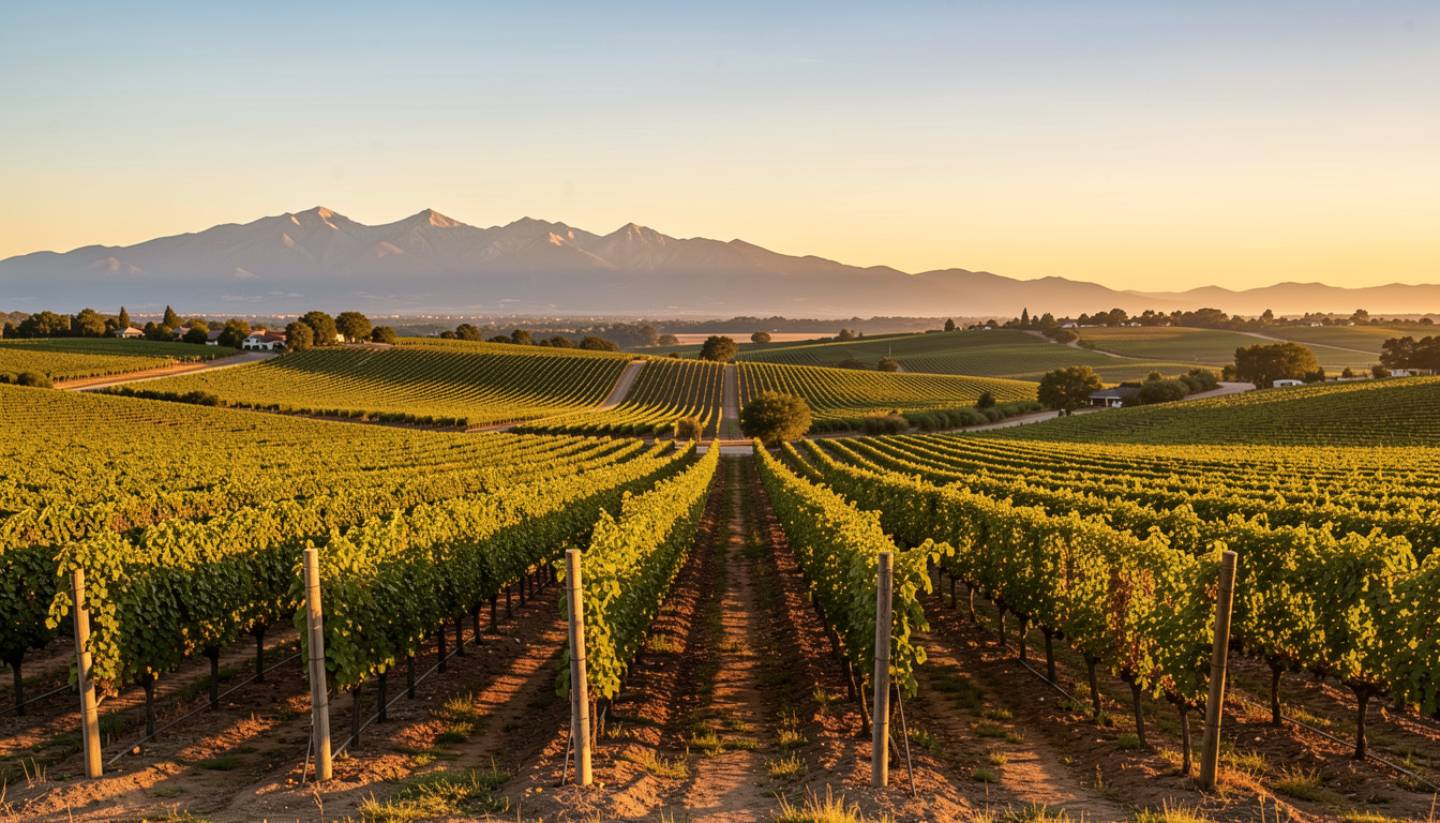
Local directional cue: Drive north on Silverado Trail instead of Highway 29 in the morning. The Trail runs along the eastern side of the valley near the Vaca Range and offers a quieter, more reflective view as sunlight hits the Mayacamas Mountains to the west.
Gentle Days, Not Full Itineraries
A fresh start trip works best when you plan lightly. Choose one anchor per day and leave the rest open.
The nature anchor: A walk or hike in Skyline Wilderness Park in South Napa or Bothe Napa Valley State Park near St. Helena. Both offer space, shade, and silence.
The culinary anchor: A long, unhurried lunch in Yountville, the culinary heart of the valley, where lingering is part of the culture.The perspective anchor: A drive up Spring Mountain Road or Mount Veeder. Elevation changes perspective. Locals know that looking down on the valley often brings clarity.


Wine as Conversation, Not Consumption
If wine is part of your journey, let it be intentional.
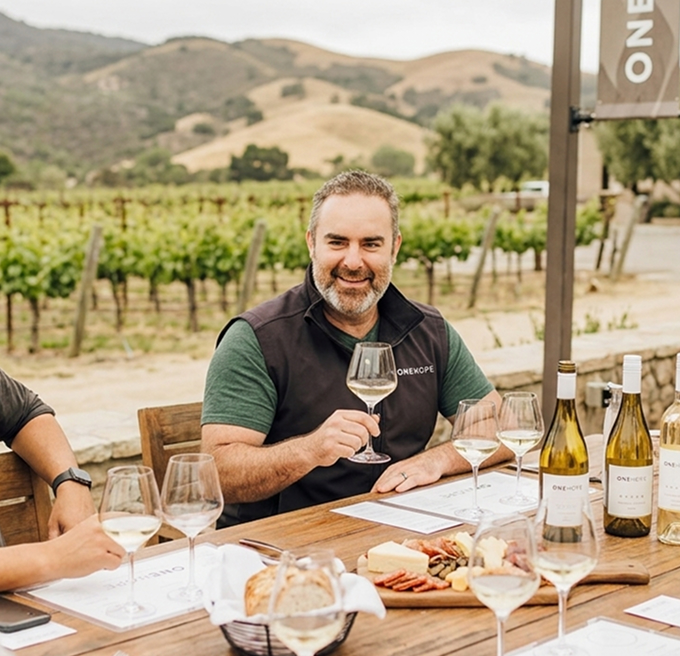
Seek out smaller estates that offer seated, appointment-based tastings focused on land, farming, and story. One thoughtful experience can be more reflective than a full day of tasting rooms.
This philosophy lives close to home for me at Estate 8. I am aware of my bias. ONEHOPE and Estate 8 are my passion projects. They were built on the belief that wine should create space for connection and conversation, not distraction. In a season of transition, that difference matters.
A Small Personal Story
I have walked this valley during chapters of uncertainty myself. Early mornings when answers were not clear. Evenings when the quiet felt heavier than expected.
What Napa taught me is that it does not rush you toward resolution. It simply holds the space. Walking vineyard rows during winter pruning, watching the valley move from dormancy to growth, you realize that beginnings rarely announce themselves. They arrive slowly, often disguised as stillness.
Evenings That Invite Reflection
As the sun lowers, Napa softens.
Choose dinner close to where you are staying. Walkability matters when reflection is the goal.
Downtown Napa: Riverfront paths, gentle evening energy, and the feeling of a town that still lives here year-round.
St. Helena: Historic, quiet, and residential once the day visitors leave.
After dinner, step outside again. Napa gets dark quickly. Stars appear where you might not expect them. It is a good moment to check in with yourself without judgment or agenda.
A Sample Reflective Itinerary
Day One:
Arrive mid-afternoon. Settle in. Take a slow walk through town or vines. Early dinner. Early rest.
Day Two:
Morning walk and coffee. One long lunch. One intentional tasting or hike. Evening by a fireplace or under the stars.
Day Three:
Unhurried breakfast. A final walk to bookmark the trip. Leave without rushing.
What Most Visitors Miss
They try to use Napa to fix something.
This valley does not fix. It supports. It reflects back what you bring into it. When you allow that, the experience becomes quieter and far more meaningful.